8 Dupatta Draping Styles for Suits: From Cape Drape to Double Dupatta
Explore eight modern and traditional dupatta draping styles for suits, including cape style dupatta draping, double dupatta looks, and tips for Anarkali and palazzo suits. Updated for 2026 with fresh styling advice, product picks, and trending FAQs for Indian-American weddings and festive occasions.
Answer First: Dupatta Draping Styles for Suits
Searching for dupatta draping styles for suits that blend timeless tradition with 2026’s contemporary flair? You’re in the perfect spot. This updated guide covers eight essential drapes—each tailored for Indian-American weddings, Diwali parties, and festive gatherings. I’ll walk you through choosing, styling, and securing each look so you feel confident and comfortable—whether you’re a sangeet guest, the star at a reception, or hosting a family puja. Plus, discover how cape style dupatta draping is trending for its modern, hands-free appeal.
What You'll Need Before You Start
- Well-ironed dupatta (net, georgette, tissue, silk, or organza)
- Safety pins and small fashion pins
- Statement jewelry (choker, jhumka, or chandelier earrings)
- Matching suit: Anarkali, palazzo, sharara, or straight-cut
- Blouse/kurta with reinforced shoulder seams (for pinning)
- Optional: Belt, brooch, or decorative pin
TIP: For multi-event weekends, keep a pouch with extra pins and a travel steamer in your car or dressing kit—wrinkle-free dupattas make every drape look regal.
Why Choose a Banarasi Kora Tissue Dupatta?
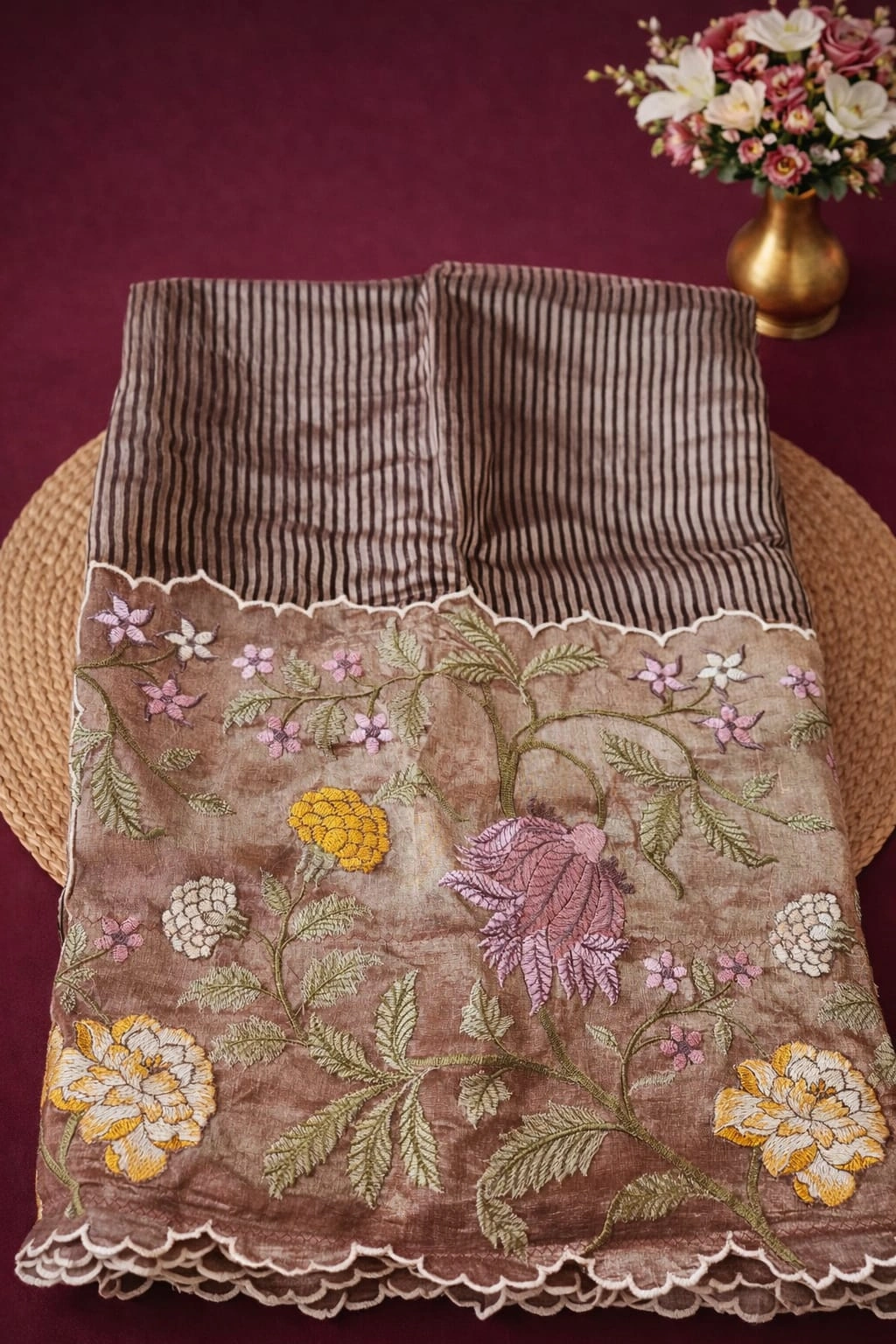
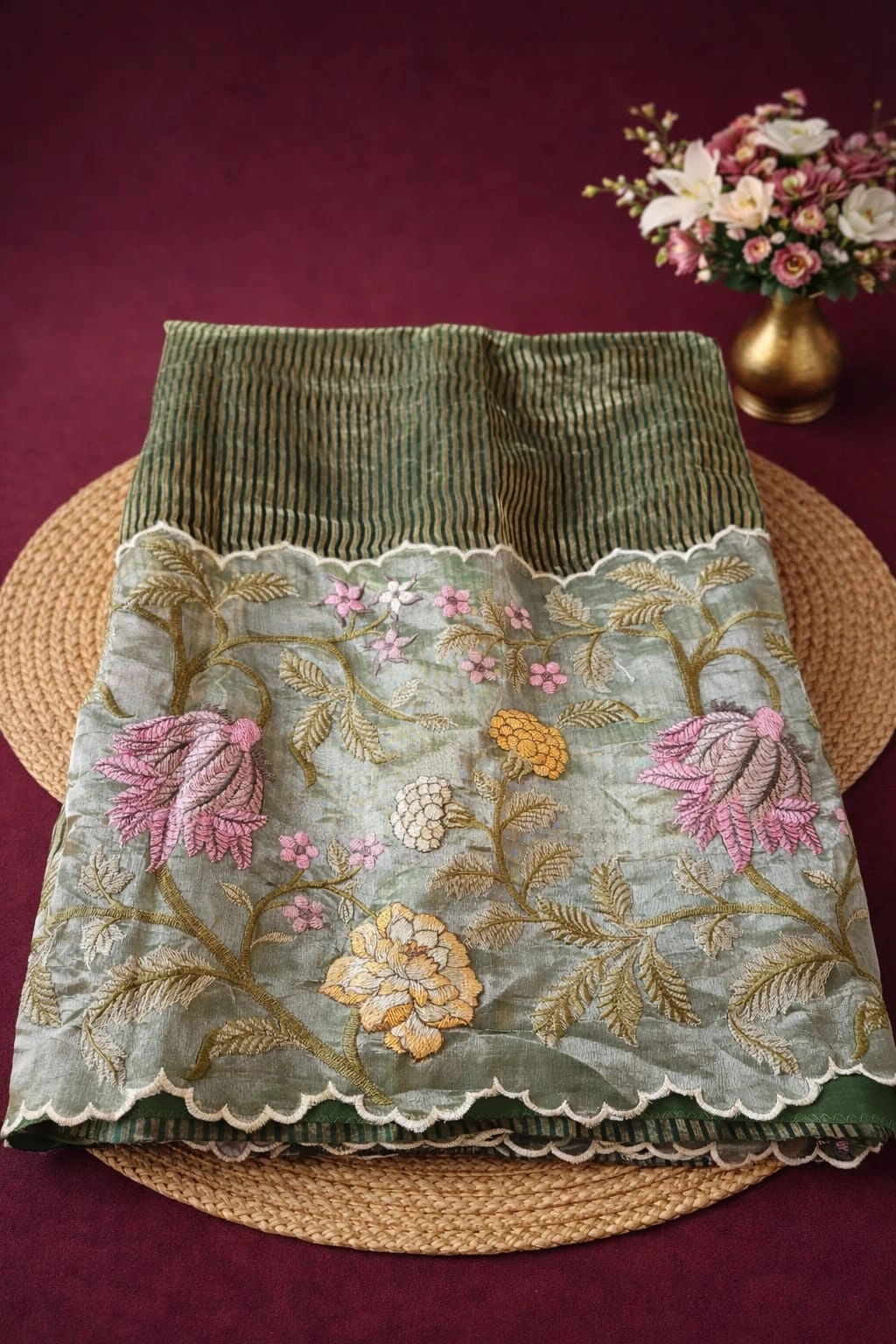
Banarasi kora tissue dupattas are coveted for their featherlight feel, subtle golden sheen, and intricate zari work, handwoven by artisans in Varanasi, Uttar Pradesh. Their luminous finish pairs beautifully with both minimal and ornate suits, making them a top choice for 2026’s wedding and festive wardrobes. Kora tissue resists creasing and stays airy even after hours of dancing—ideal for long celebrations.
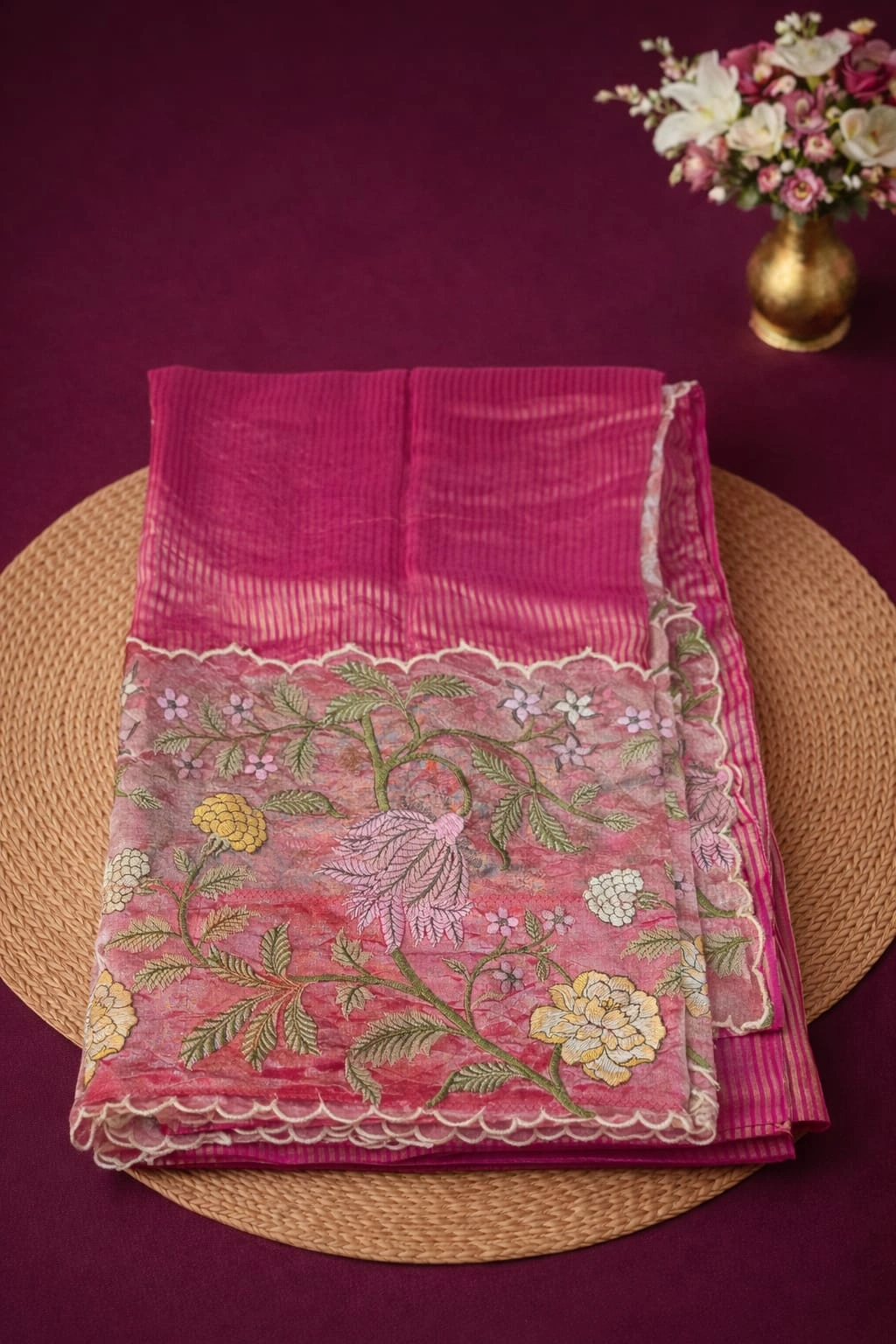
For inspiration, see the Elegant Pure Banarasi Kora Tissue Saree with Lustrous Finish (price confirmed on inquiry)—the same motifs and textures are available as dupattas in the Swathi Design collection.
Step 1: Classic Over One Shoulder Drape
- Place one end of your dupatta on your left shoulder, letting it fall naturally at the back.
- Bring the other end across your front and rest it on your right forearm or pin it to your right waist for a graceful, elongated look.
- Pin the top edge securely at the shoulder, tucking any excess under your arm for a clean line.
Occasion Fit: Effortless for mehendi brunches, intimate pujas, and temple visits—especially with straight-cut suits.
Do: Choose lightweight, non-slippery fabrics like kora tissue or georgette for best drape. Don't: Overpin—one or two pins suffice to avoid puckering.
Step 2: Front Pleated Dupatta Drape
- Neatly pleat the dupatta lengthwise (6-8 pleats for standard width).
- Place the pleated section on your left shoulder, letting the pleats fan across your chest.
- Pin at the top and bottom to secure; leave the end either hanging at the back or tucked into the opposite waist for movement.
Occasion Fit: Sangeet or reception, paired with a heavily embroidered palazzo or Anarkali suit.
Pro Tip: For structured pleats, lightly press with a warm (not hot) iron and use invisible pins.
Step 3: Cape Style Dupatta Drape
The cape style dupatta draping method is a favorite in 2026, blending modern elegance with comfort. Here, the dupatta is draped around both shoulders like a cape, often fastened at the back with pins or a slim belt. This creates a hands-free, secure look—ideal for dancing at sangeet or cocktails, and perfect for those seeking a fresh twist on traditional wear. For a step-by-step on cape style dupatta draping:
- Center the dupatta behind your neck, letting equal lengths fall on both sides.
- Bring each end forward over your shoulders, creating a soft cape effect.
- Pin at the back of the shoulders or cinch with a slim belt at the waist.
Occasion Fit: Sangeet, Diwali parties, or any event where you want to move freely without fuss.
Do: Opt for lighter, see-through fabrics (like kora tissue or organza) for the best cape effect. Don't: Try this with stiff or heavy dupattas—they won’t flow elegantly.
Step 4: Double Dupatta Look
- Choose a primary dupatta (often ornate kora tissue or Banarasi weave) and a secondary, lighter net or chiffon dupatta.
- Drape the heavier dupatta over one shoulder in the classic style (see Step 1).
- Place the lighter dupatta over your head (as a veil) and secure both ends to either shoulder or let them fall down the arms.
Occasion Fit: Perfect for receptions, weddings, or when you want extra drama and coverage—especially as the sister-of-the-bride.
Stylist’s Note: If both dupattas are heavily embellished, keep jewelry subtle. The double dupatta look, rooted in North Indian bridal traditions, is now a favorite for evening events and is seen in many 2026 wedding galleries. For more on styling for big occasions, see our Saree vs Salwar Kameez: Comfort, Occasion & Styling Compared.
Step 5: Side “U” Drape
- Pin one end of the dupatta to your right shoulder.
- Bring the dupatta across your back and under your left arm, pinning the opposite end to your left wrist or letting it drape down.
- The fabric forms a soft “U” shape at your side—elegant and practical for greeting guests and moving about.
Occasion Fit: Cocktail parties or evening galas with palazzo or sharara suits.
Do: Use this drape with suits that have heavy work at the neckline or bust, letting the dupatta frame (not cover) the embellishment.
Step 6: Waist-Belted Dupatta Drape
- Drape the dupatta over both shoulders in the classic style.
- Gather the fabric at the waist and secure with a sleek metallic or embroidered belt.
- Adjust the drape so the pleats fall evenly in front.
Occasion Fit: Perfect for day weddings, outdoor events, or when you want to highlight your silhouette.
Do: Choose a statement belt for modern flair. Don't: Belt too tightly—allow for comfortable movement and sitting.
Step 7: Head Veil with Shoulder Pin
- Place the dupatta over your head, letting equal lengths fall on both sides.
- Pin both sides to each shoulder, allowing the ends to hang or pleat them for neatness.
- This look honors tradition and is respectful at religious or formal family events.
Occasion Fit: Puja, milni ceremony, or entering a gurdwara or temple.
Do: Use lightweight, non-slippery fabrics for comfort. Don’t: Cover your face unless required by custom.
Step 8: Half Saree Style (Seedha Pallu)
- Pleat the dupatta and tuck one end into the left side of your waistband.
- Bring it diagonally across your body and rest on your right shoulder (pallu-style).
- Pin securely at the waist and shoulder.
Occasion Fit: Sangeet, haldi, or any event where you want a saree-inspired look with the ease of a suit.
This technique, originating in Gujarat and Rajasthan, signifies celebration and festivity. It looks especially elegant with Banarasi or tissue dupattas featuring a detailed border. For a deep dive into regional draping styles, see What Is a Half Saree (Langa Voni)? A Complete Guide.
How to Wear a Dupatta with an Anarkali?
To drape a dupatta with an Anarkali, pleat one end and pin it securely to your left shoulder. Let the rest of the fabric fall gracefully over your opposite arm or drape it loosely around your back for balance. This showcases the Anarkali’s flare while keeping your arms free—ideal for dancing or greeting guests at weddings and sangeets. For a modern update, try cape style dupatta draping or add a metallic belt to cinch the waist. Choose a dupatta with a subtle sheen, such as Banarasi kora tissue, to complement intricate embroidery without overwhelming the silhouette. Finish with statement earrings and a minimal neckline to let your drape shine. For more work-to-event styling, check How to Wear a Saree to the Office: Workwear Styling Guide.
Dupatta Draping Styles for Suits: Occasion Fit Comparison
| Style | Best Occasion | Suit Type |
|---|---|---|
| Cape Style | Sangeet, Cocktails | Anarkali, Sharara |
| Front Pleat | Reception, Parties | Palazzo, Anarkali |
| Double Dupatta | Wedding, Reception | Heavily Embroidered |
| Classic One Shoulder | Mehendi, Puja | Straight-cut, Palazzo |
| Waist-Belted | Daytime, Outdoor | All styles |
Mistakes to Avoid with Dupatta Draping
- Overpinning, which can damage delicate tissue or organza fabrics
- Using slippery dupattas (like satin) for cape or one-shoulder drapes—opt for kora tissue, which holds pins well
- Ignoring proportion: petite frames suit shorter, less voluminous drapes; taller figures can play with layers
- Clashing embellishments—if the suit or dupatta is heavily embroidered, keep jewelry simple
- Forgetting to steam or iron: crumpled tissue dupattas lose their regal effect
For more tips on finishing and maintaining premium sarees and dupattas, see our expert guide on how to finish silk sarees like a pro.
Frequently Asked Questions: Dupatta Draping for Suits (2026)
How do you drape a dupatta stylishly in 2026?
For a stylish dupatta drape in 2026, choose a trending method like cape style dupatta draping for sangeet, classic over-one-shoulder for puja, or double dupatta for weddings. Secure with invisible pins at the shoulders or waist, and use lightweight, textured fabrics like Banarasi kora tissue for a polished finish. Statement jewelry and neat pleats elevate even the simplest suit. For a full guide, see our Saree vs Salwar Kameez comparison.
What is the best way to wear a dupatta with an Anarkali?
The most flattering way to style a dupatta with an Anarkali is to pleat and pin it to one shoulder, letting it fall across your back or arm to accentuate the flare. For a modern edge, try cape style dupatta draping or add a belt. Lightweight tissue or organza dupattas work best for this look. For more Anarkali styling, see our Half Saree Guide.
What is cape style dupatta draping and why is it trending?
Cape style dupatta draping is a contemporary method where the dupatta is centered behind the neck and both ends are brought forward over the shoulders, creating a cape-like effect. Fasten at the back or cinch with a belt for a chic look. It’s trending in 2026 for its hands-free comfort and modern silhouette, especially at sangeet and cocktail events. For more on this and other draping innovations, read How Is a Kanjivaram Saree Made?.
How do you keep a dupatta from slipping, especially with cape style draping?
To prevent a dupatta from slipping, especially with cape style dupatta draping, use small safety pins to anchor it at the shoulder seams or waist. Textured fabrics like tissue, georgette, or net grip better than satin or plain silk. Consider a belt or decorative brooch for extra hold, and reinforce delicate fabrics with a discreet lining if needed. For more tips, see our Bridal Saree Renting vs Buying Guide.
Styling Your Suit with Banarasi Kora Tissue Pieces
Banarasi kora tissue is celebrated for its golden sheen and featherlight drape, making it perfect for Indian-American celebrations that demand both luxury and comfort. Pieces like the Pure Banarasi Kora Tissue Saree for Weddings & Festive Wear (price confirmed on inquiry) or Elegant Banarasi Kora Tissue Wedding Saree (price confirmed on inquiry) are woven in Varanasi using a blend of traditional jacquard and modern motifs. For a coordinated look, style your Anarkali or palazzo set with a matching kora tissue dupatta, intricate jhumkas, and a sleek gold clutch. For more accessorizing inspiration, check our wedding saree accessorizing guide.
Shop the Collection
Ready to try these dupatta draping styles for suits—including the on-trend cape style dupatta draping? Explore Swathi Design’s curated range of Banarasi kora tissue sarees and artisanal dupattas, all sourced directly from Indian weavers. Browse our full collection or view all sarees for your next big occasion. For personalized styling or US shipping support, Swathi Design’s team is always a WhatsApp message away!
Featured in this guide
Part of the Indian Wedding & Festive Dressing guide collection.
Related guides
- Chanderi Silk Suits in USA: Embrace Ethnic Grace for Weddings & Festive Occasions
- Elevate Your Festive Wardrobe: Stunning Indian Dresses for US Weddings & Celebrations
- Celebrate Indian Heritage in the USA: Pure Silk Gowns for Weddings & Festive Glamour
- Elevate Your Wedding Look with Exquisite Pure Banarasi Kora Tissue Sarees
- Timeless Elegance: Discover the Pure Banarasi Kora Tissue Saree Collection for Weddings & Festivals