Fall & Pico for Saree: How to Finish Silk Sarees Like a Pro
Discover the essential art of fall and pico for saree finishing—what it means, why it matters for silk sarees, and how to achieve a flawless, long-lasting hem. Updated for 2026 with the latest tips, pricing, and expert styling ideas from Swathi Design.
Fall and Pico for Saree: The Essentials
Quick answer: Fall and pico finishing is the single most important step to protect and enhance your silk saree—especially prized handloom Banarasis. Whether you’re prepping a Banarasi Raw Mango Handloom Saree for a festive sangeet or readying your Katan silk for a family wedding, this simple tailoring detail preserves the fabric and gives your saree a graceful, even drape. If you’ve ever wondered what makes a saree pleat so crisp and why some look unfinished at the hem, you’re about to learn the textile specialist’s secret: fall and pico.
But first, let’s set the scene: You’ve just unboxed a luminous Banarasi from Swathi Design in California—maybe it’s the Pure Banarasi Katan Silk Saree with Meenakari Weaving (price confirmed on inquiry) or the Exquisite Pure Banarasi Kora Tissue Saree (price confirmed on inquiry). The silk gleams, the zari shimmers, but the hem is unfinished—time for fall and pico. Here’s everything you need to know, from why to how, plus my favorite styling strategies for Indian-American celebrations. For more on saree weight and fabric feel, see our guide Saree Weight in Grams: What Buyers Should Know.
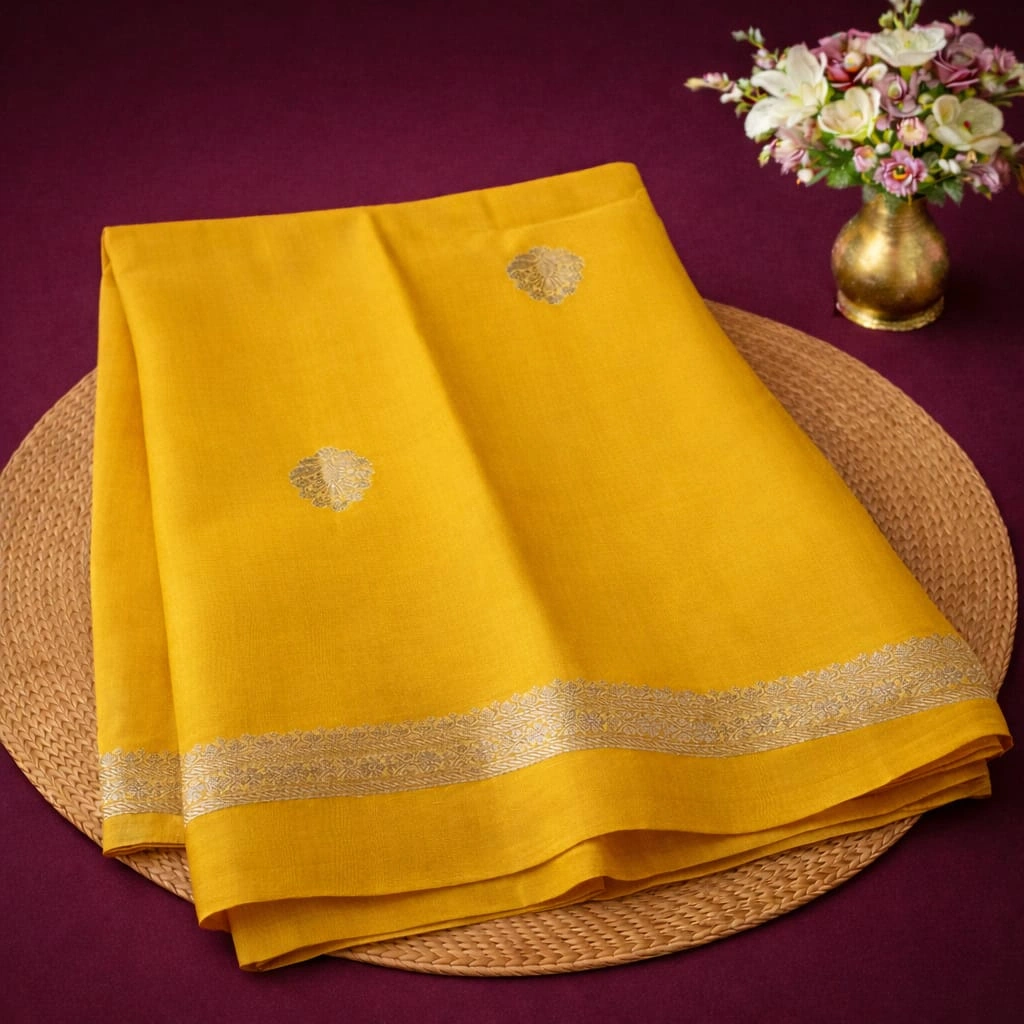
What is Fall and Pico in a Saree?
Definition snippet: Fall and pico meaning: Fall and pico is the process of finishing a saree’s lower edge by attaching a protective cotton strip (the ‘fall’) along the inner hem and sewing a tight overlocking stitch (the ‘pico’) along the edge. This protects delicate fabrics—especially silk—improves the drape, and prevents fraying, making sarees easier and more elegant to wear.
In detail: the ‘fall’ is a 4-5 inch wide strip of sturdy cotton, color-matched to the saree, sewn (never glued) about an inch above the lower hem, covering the section that gets the most wear from walking and pleating. The ‘pico’ is a fine, zigzag overlocking seam at the raw edge, keeping threads from unraveling. Pico in saree means a durable, neat finish that prevents the raw edge from fraying and maintains the saree’s structure. Together, they’re essential for silks—especially heirloom Banarasis, which can cost $180–$325 and beyond. Textile authorities like the Indian National Handloom Development Corporation recommend fall and pico for silk sarees and all handlooms with a soft drape. For more on the true value of sarees, read The Real Cost of a Saree, Beyond the Price Tag.
Why Do Silk Sarees Need Fall and Pico?
Silk sarees—Banarasi, Kanjivaram, Kora tissue and others—are prone to fraying and losing shape at the hem due to their delicate fibers and fine weave. Fall and pico finishing reinforces the fabric at the area of maximum stress (the pleats and pallu end), adds weight for a graceful fall, and keeps the saree looking crisp for years. Without it, even premium sarees can develop loose threads, uneven pleats, or tears after a few wears. What is fall and pico in saree? In short, it’s the secret to longevity, elegance, and easy draping.
Before You Start: What You'll Need
- Saree: Unstitched, ideally dry cleaned and pressed
- Cotton Fall Fabric: 2.5 meters long, 4-5 inches wide, color-matched to the saree's hem (see color tips below)
- Thread: Cotton or polyester, matching the saree color
- Pico Machine or Overlocker: (for DIY) or access to a local tailor familiar with saree finishing
- Measuring Tape, Scissors, Pins: For accurate placement
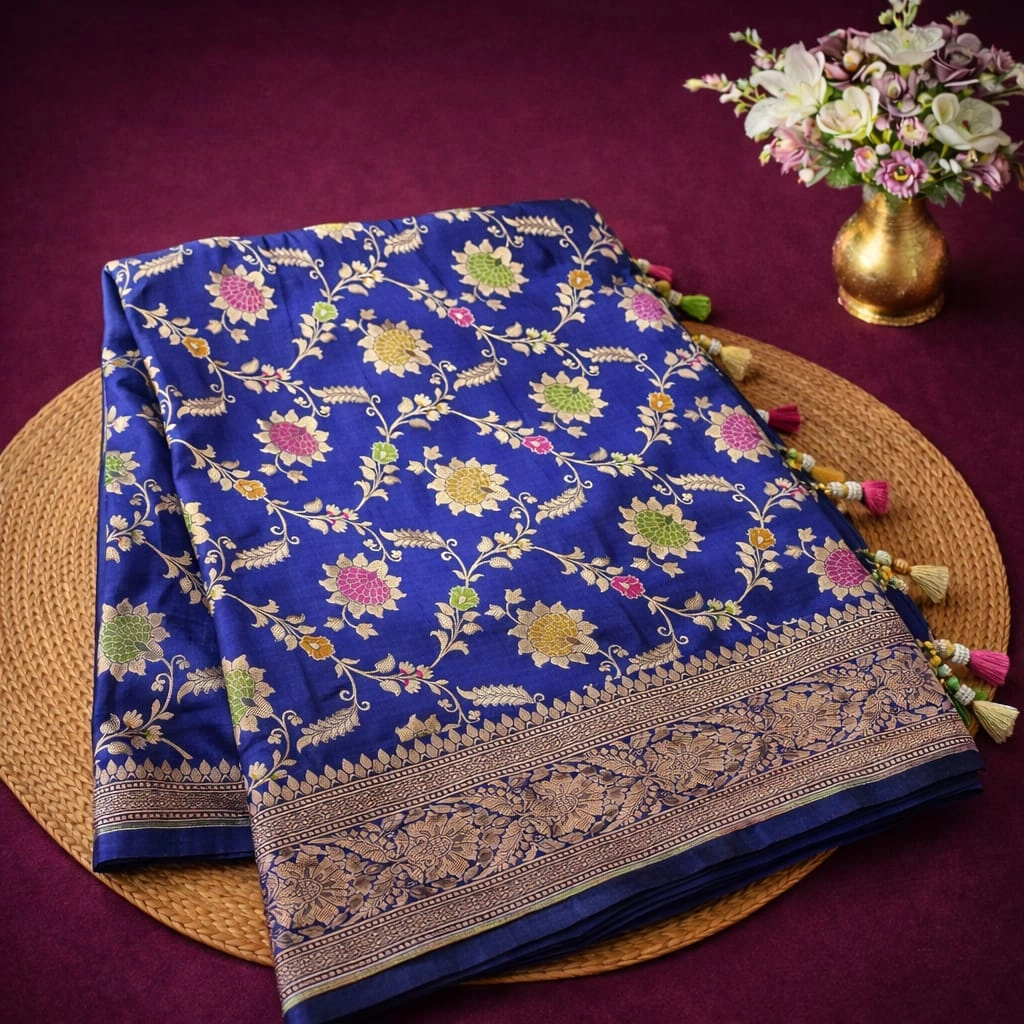
Step-by-Step: How to Do Fall and Pico for Saree
- Mark the Fall Placement: Lay your saree flat, pallu to the left. The fall is attached along the bottom edge, starting after the pallu (decorative end), covering about 2.5–3 meters (the pleats and front drape). Mark this section with pins.
- Prepare the Fall Fabric: Cut a 2.5m x 5" strip of sturdy cotton. Press the edges inward 0.5cm for neatness.
- Pin the Fall: Place the fall strip about 1 inch above the saree's bottom edge on the reverse side (the side that faces your legs). Pin securely, ensuring no gathers or folds.
- Stitch the Fall: Sew along both long edges of the fall strip, keeping stitches small and even. Use a matching thread for an invisible finish. The stitching must be secure, but avoid puckering the silk.
- Pico the Edges: Use a pico machine or zigzag stitch to overlock the raw edge of the saree hem (and pallu if desired). This prevents fraying, especially important for Banarasi and tissue silks.
- Check the Drape: Drape the saree to ensure the fall sits just above the hem, adding weight and helping pleats form neatly. Press lightly with a silk-safe iron if needed.
Featured List Snippet:
- Mark the saree section for fall
- Cut and press cotton fall strip
- Pin fall to the inner hem
- Sew securely with matching thread
- Pico (overlock) raw edges
- Test drape and finish
Does Every Saree Need a Fall?
Not every saree requires a fall, but most silk sarees—including Banarasi, Kanjivaram, and lightweight Kora tissue—absolutely benefit from it. Heavier cotton sarees or those with already reinforced borders may not need an additional fall, but any saree prone to fraying or needing sharper pleats will last longer with this finishing. Handloom sarees, especially those worn for special occasions, should always have fall and pico before first wear. Get more tips on choosing sarees for different events in One Saree, Three Occasions: A Styling Plan.
What Color Should a Saree Fall Be?
The saree fall color should match the saree’s dominant base shade at the hem for a seamless look. For multi-color Banarasis, choose a fall that matches the lower border or primary color to avoid visible contrast. Gold or beige falls can work for pale sarees, while jewel-toned silks look best with tone-on-tone. Always avoid white falls on dark sarees, as they may peek through the pleats.
Can I Do Fall and Pico at Home?
Yes, you can do fall and pico finishing at home if you have basic sewing skills and an overlocker or zigzag sewing machine. Use a sturdy cotton fall and match your thread carefully. However, for precious silks like Banarasi and Katan, a professional tailor with experience in saree finishing is recommended to avoid puckering and ensure durability. Some US dry cleaners and South Asian tailors offer this service for $15–$45 per saree as of 2026. If you’re in a hurry, see Need an Indian Outfit in Two Weeks? Start Here for quick tailoring tips.
Why Fall and Pico Matters for Banarasi Sarees
Banarasi sarees, handwoven in Varanasi for over 600 years, are known for their intricate zari and fine silk. Their delicate construction means the saree’s hem is prone to fraying, especially during pleating and movement at events. Fall and pico not only preserve the saree’s value as an heirloom, but also ensure the distinctive Banarasi drape—crisp, structured, and regal—remains intact for every festive occasion. For group events, explore Coordinating Bridesmaid Saree Colours for styling inspiration.
3 Ways to Style a Banarasi Silk Saree After Fall & Pico
- The Festive Classic: Pair your finished Banarasi Raw Mango Handloom Saree with a gold brocade or velvet blouse, kundan choker set, and embroidered mojaris. Keep pleats sharp—your fall guarantees they’ll stay in place through every sangeet dance.
- Modern Minimal: Try the Exquisite Pure Banarasi Kora Tissue Saree with a sleeveless silk blouse and geometric statement earrings. Let the sheen of the saree and the clean hem do the talking; a sleek bun and metallic sandals finish this look.
- Heritage Glam: For grand celebrations, the Pure Banarasi Katan Silk Saree with Meenakari Weaving shines with a high-neck blouse, antique gold jhumkas, and a bold red lip. Drape the pallu open to showcase the border—fall and pico will keep it from curling or sagging.
See more pairing tips in our post How to Accessorize a Saree for a Wedding: Modern Indian-American Style Guide.
Table: Fall and Pico for Popular Saree Fabrics
| Fabric | Needs Fall? | Pico Essential? | Notes |
|---|---|---|---|
| Banarasi Silk | Yes | Yes | Prevents fraying, sharpens pleats |
| Katan Silk | Yes | Yes | Especially for Meenakari weaves |
| Kora Tissue | Yes | Yes | Sheer, delicate—needs careful finishing |
| Cotton | Optional | Recommended | Depends on weight and weave |
| Linen | Optional | Yes | Prevents edge curling |
FAQs: Fall and Pico for Saree Hem Finishing (2026 Update)
What is fall and pico in a saree? (Direct Answer)
Fall and pico meaning: Fall and pico is the process of finishing a saree hem with a cotton support strip (fall) and an overlocked edge (pico). The fall adds weight and protection, while the pico prevents fraying—both essential for silk sarees. This process is also called "fall pico" and is the key to a long-lasting, elegant drape.
Does every saree need a fall?
Not all sarees need a fall, but premium silks, Banarasi, Kanjivaram, and delicate handlooms should always have it. Heavier or casual sarees may not require a fall, but pico is recommended for neatness and to prevent fraying. When in doubt, consult a tailor or refer to the fabric’s care instructions.
What color should a saree fall be?
The fall should match the saree hem's main color. For multi-toned sarees, choose a shade that blends with the border or base. Avoid light falls on dark sarees to keep the finish invisible in pleats and drape.
Can I do fall and pico at home?
You can do fall and pico at home if you have sewing skills and the right machine. However, for expensive or delicate silks, a professional tailor is recommended to ensure a smooth, durable finish and avoid accidental damage.
What does fall pico mean in saree tailoring?
"Fall pico" is a tailoring term referring to the combined process of attaching a cotton strip (fall) for support and sewing an overlocked edge (pico) to prevent fraying. It is essential for silk sarees and any saree where you want sharp pleats and a long-lasting hem.
Pico in saree means?
Pico in saree means finishing the raw edge of the saree with a tight zigzag or overlock stitch. This keeps the fabric from fraying and gives the saree a clean, professional look, especially at the hem and pallu ends.
Where to Get Fall and Pico Done in the US?
In the US, most South Asian tailoring shops, sari boutiques, and some dry cleaners offer fall and pico services. Expect to pay $15–$45 depending on fabric and detail (2026 rates). Swathi Design sarees arrive unstitched so you can customize the finishing—ask for recommendations via their WhatsApp styling help if you need a Bay Area tailor, or see our wedding registry guide for more US sari prep tips.
Shop the Collection
Ready to experience the difference a perfectly finished silk saree makes? Browse our full range of Banarasi and luxury sarees at Swathi Design, all sourced directly from Indian artisan weavers. Every piece is a celebration of heritage and craftsmanship—just waiting for your personal finishing touch. Shop the full collection and step into your next festive occasion with confidence.
For more styling inspiration, see our post on modern saree draping styles, our anniversary gift saree guide for milestone celebrations, or explore One Saree, Three Occasions: A Styling Plan for versatile outfit ideas.
Featured in this guide
Part of the Handwoven Silks: Chanderi, Tussar & Raw Mango guide collection.
Related guides
- Elevate Every Occasion: Handcrafted Indian Gowns & Frocks for Modern Celebrations in the USA
- Elevate Every Occasion: Pure Chanderi Pattu Silk Sarees for Indian-Americans in the USA
- Exquisite Russian Crape Silk Saree: Timeless Elegance for Every Occasion
- Luxurious Pure Russian Crape Saree: Timeless Elegance for Every Occasion
- Elevate Your Festive Wardrobe with Exquisite Handwoven Chanderi Sarees and Anarkali Dresses