Saree vs Salwar Kameez: Comfort, Occasion & Styling Compared
Confused between a saree and a salwar kameez for your next celebration or daily wear? This 2026 guide compares comfort, occasion, ease of styling, and body type tips for both iconic Indian outfits. Discover which ethnic look suits you best, how to style for US weather, and shop curated picks from Swathi Design.
Saree vs Salwar Kameez: Quick Comparison Table
If you’re torn between a saree and a salwar kameez for your next big event, here’s a direct answer: sarees offer unmatched elegance and versatility for formal occasions, while salwar kameez sets deliver comfort and easy movement, especially for daywear or casual festivities. For those searching "salwar kameez vs sari," the main difference lies in draping tradition versus ready-to-wear ease. Let’s see how they compare at a glance in 2026:
| Aspect | Saree | Salwar Kameez |
|---|---|---|
| Comfort | Depends on fabric & draping; lightweight silks & cottons are breathable | Generally more comfortable; easy to move & sit |
| Occasion | Weddings, festivals, formal events | Casual wear, pujas, travel, semi-formal |
| Ease of Wear | Requires draping skill; pre-pleated/pinned options help | Slip on & go; minimal adjustments needed |
| Body Type | Flatters most shapes with the right drape | Offers structure; works for all body types |
| Styling | Infinite blouse & jewelry options; heirloom appeal | Mix & match dupattas, kurtis; minimal jewelry needed |
What is "saree vs salwar kameez"?
The phrase "saree vs salwar kameez" (and "salwar kameez vs sari") describes the comparison between two iconic South Asian outfits: the saree, a draped garment typically six to nine yards long, and the salwar kameez, a tailored set with a tunic (kameez), trousers (salwar), and scarf (dupatta). Each offers unique benefits in comfort, formality, and styling for Indian-American women. For deeper cultural insight, see our Half Saree Guide.
Saree: Pros, Cons & Occasion Guide
Sarees have been an integral part of Indian culture for over 2000 years, with regional styles like the Kanjivaram of Tamil Nadu and Banarasi of Varanasi renowned for their artistry. A saree’s appeal lies in its ability to be both traditional and fiercely individualistic, depending on fabric, drape, and blouse pairing.
- Pros: Timeless elegance, adaptable to most body types, vast fabric and draping variety for every climate and event, and rich cultural symbolism. Perfect for weddings, milestone birthdays, and religious ceremonies.
- Cons: Learning to drape can be an initial hurdle. Some heavier fabrics (like pure Kanjivaram silk) may feel warm for summer outdoor events. Requires careful handling, especially for handwoven or metallic-threaded sarees.
- Occasion Tip: Choose a lightweight tissue or raw silk saree for long events and dancing. For example, the Pure Banarasi Silk Tissue Saree with Brocade ($185) balances regal shimmer with breathable comfort, ideal for Indian-American weddings or evening galas. For tips on saree budgeting, check our Bridal Saree Budget Guide.
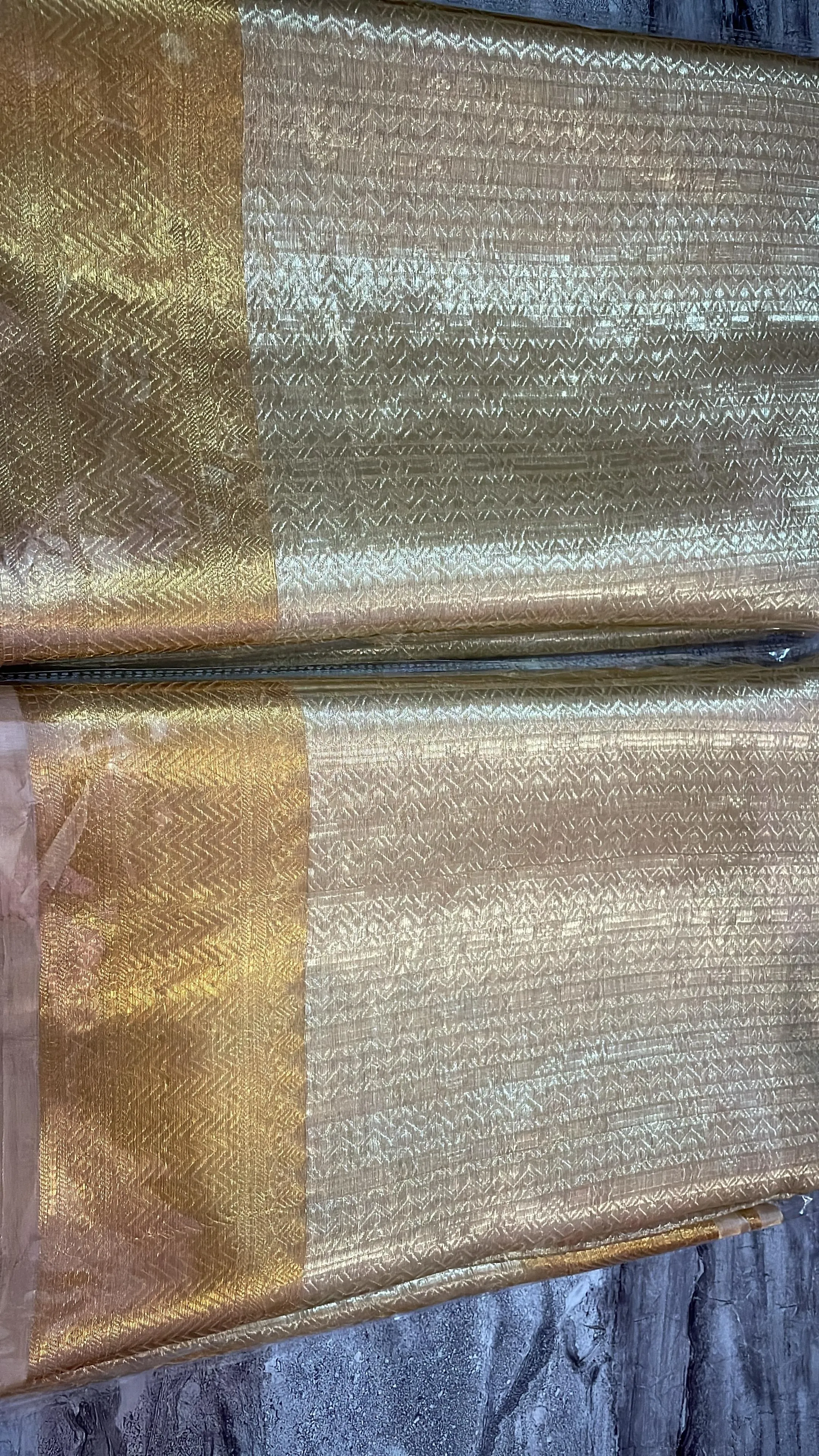
Did you know? Banarasi sarees are handwoven in Varanasi with patterns inspired by Mughal floral and foliate motifs, often involving weeks of intricate brocade work. The Handwoven Pure Banarasi Kora Tissue Saree ($185) showcases these artisan techniques with featherlight drape and metallic zari, making it a collector’s favorite for festive elegance. Learn more about the weaving process in our Kanjivaram Saree Weaving Guide.
Salwar Kameez: Pros, Cons & Occasion Guide
The salwar kameez is a versatile, practical outfit rooted in the Punjab region but now beloved across India and the diaspora. Its ease of wear, modesty, and compatibility with Western layering make it a staple for Indian-Americans balancing tradition and daily life. For those comparing "salwar kameez vs sari" for travel or everyday errands, the salwar kameez is a clear winner for comfort.
- Pros: Effortless to wear, perfect for travel or running errands, and easy to style up or down. The salwar’s loose fit ensures comfort during long days or warm California summers.
- Cons: May not deliver the same grandeur as a saree for ultra-formal events. Styling options, though varied, are generally less dramatic than the saree’s endless combinations.
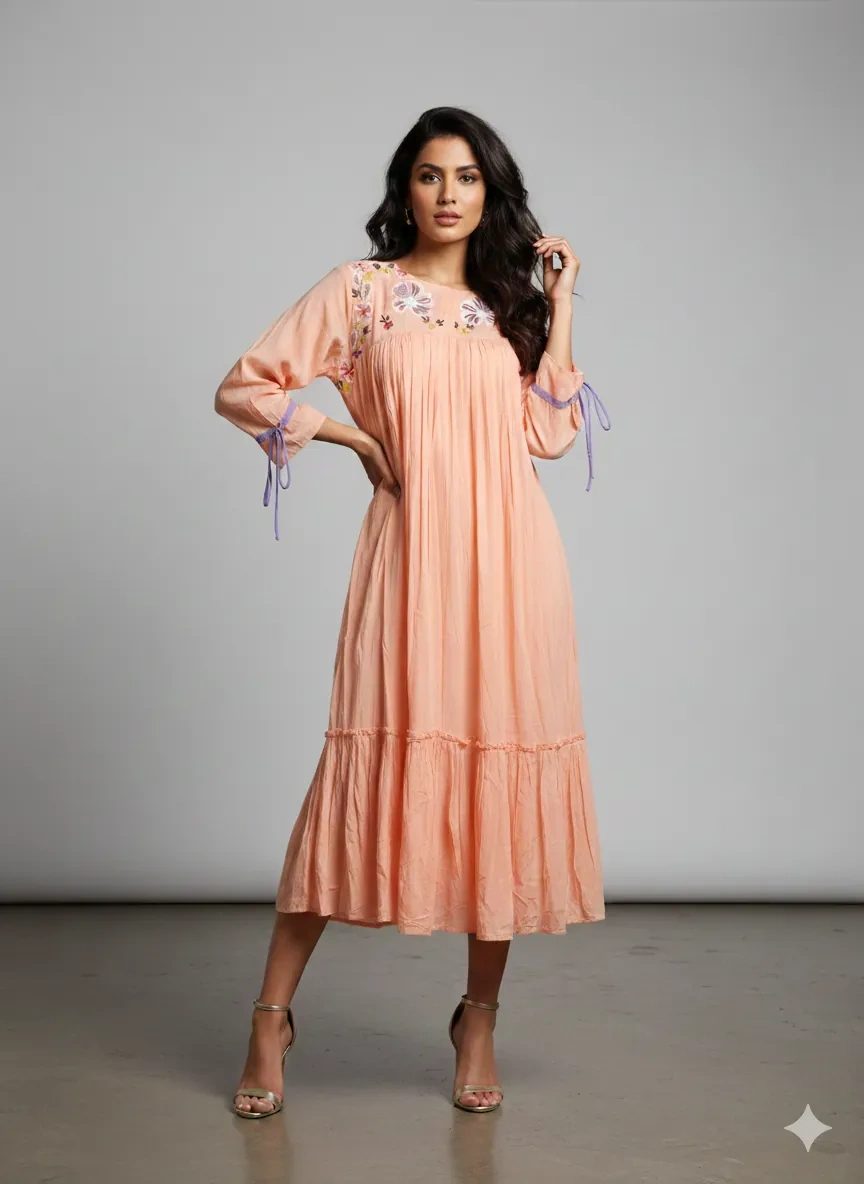
- Occasion Tip: For outdoor gatherings, pujas, or when you need freedom of movement, a cotton-embroidered salwar suit is ideal. For a modern twist, consider the Peach Mul Cotton Frock with Floral Embroidery & Tiered Hem ($35). Its mul cotton fabric and playful silhouette bridge the gap between classic salwar sets and contemporary dresses—ideal for brunches, travel, or daytime celebrations. Salwar kameez also works well for office wear—see our Workwear Styling Guide.
How to Style a Saree for Different Body Types
- Petite: Opt for lightweight, single-tone sarees (like pure tissue or Chanderi silk) with minimal borders to elongate your frame. Avoid overly broad borders or large motifs.
- Curvy: Heavier silks with broad borders (such as Banarasi or Kanjivaram) flatter curves beautifully. Tuck pleats at the navel for a smooth, structured look.
- Tall: Large motifs and bold contrasts work well. Experiment with statement blouses and drapes like the seedha pallu for drama.
Remember, the right petticoat fit is essential for saree comfort—choose a drawstring style in cotton for summer events. For more saree styling tips, see our South Indian Saree Guide.
Wedding Outfits: Saree vs Salwar Kameez
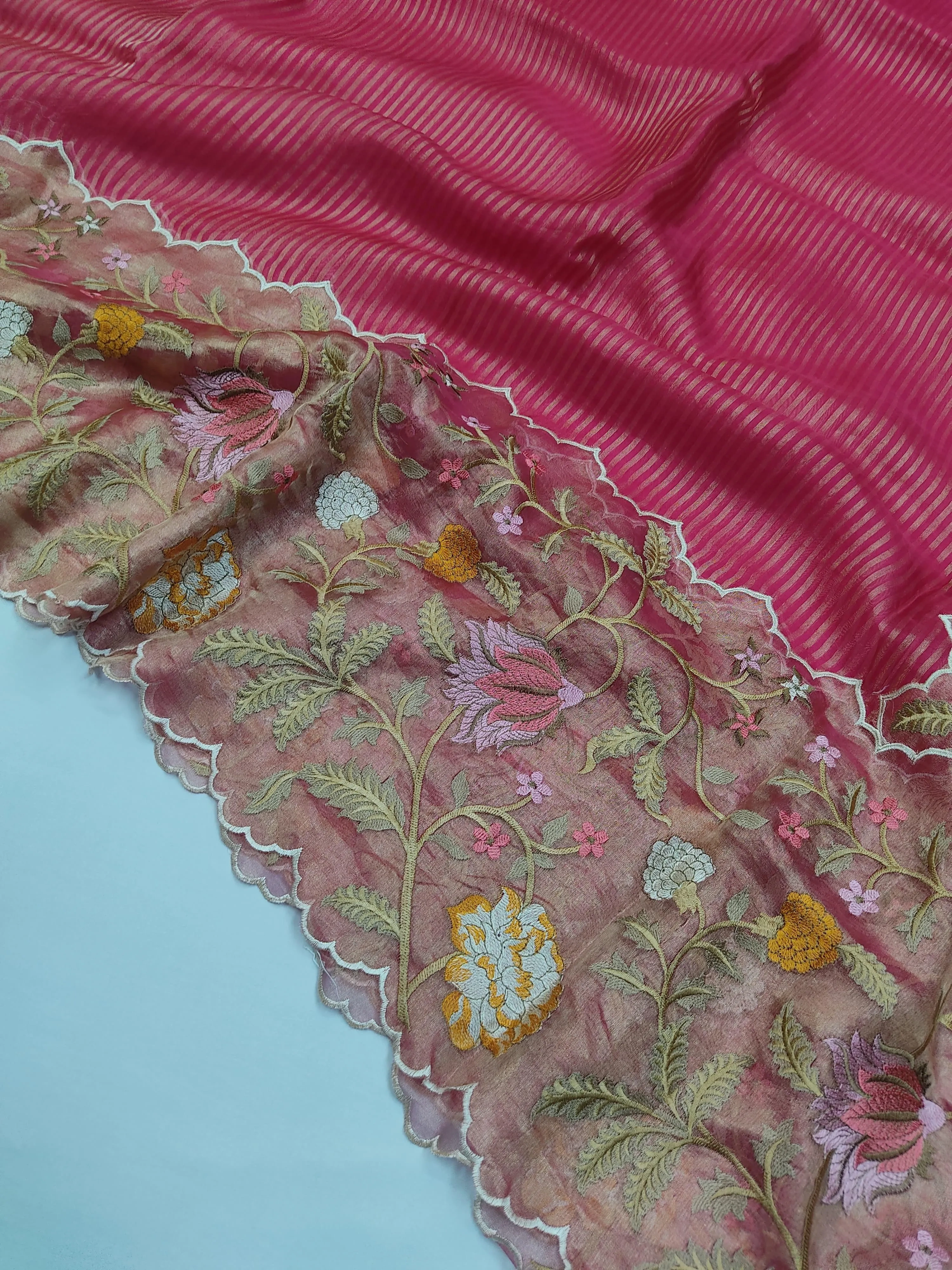
For Indian-American weddings and milestone celebrations, sarees remain the gold standard for grace and tradition. Banarasi silk, Chanderi, and Raw Mango silk sarees, such as the Handwoven Pure Chanderi Katan Silk Saree with Zari Borders & Motifs ($235), deliver heirloom-worthy splendor. Chanderi’s lightweight, glossy texture adds understated glamour that shines in both daytime and evening settings.
Salwar kameez can work for pre-wedding events, haldi ceremonies, or even sangeet nights where comfort is key. For those who prefer a non-traditional twist, fusion dresses in ethnic fabrics—like our Peach Mul Cotton Frock—offer playful elegance without the need for pins or pleating.
What are the Best Saree Fabrics for US Weather?
- Mul Cotton: Breathable and ideal for summer; easy to wash and drape.
- Tissue Silk & Kora Tissue: Light, with a metallic sheen that works for indoor and evening events. The Pure Banarasi Silk Tissue Saree combines shimmer with comfort—perfect for California’s diverse climates.
- Raw Silk: Natural sheen, moderate weight—great for both day and night. The Handwoven Pure Raw Mango Silk Saree ($125) offers all-day elegance without heaviness.
- Chanderi Silk: Airy, sheer, and luxurious—ideal for spring or summer weddings and cultural events.
Care Tips: Saree vs Salwar Kameez
Proper care extends the life of your ethnic wardrobe. Here’s how to keep both outfits looking pristine in 2026:
- Sarees: Always dry clean pure silks, tissue, and zari-bordered sarees. Store in a muslin cloth in a cool, dry place. For tissue or metallic weaves, avoid folding along the same crease each time to prevent breakage—rotate the folds after every wear. Air out sarees annually to prevent moisture buildup.
- Salwar Kameez & Cotton Dresses: Hand wash separately in cold water and line dry in shade. Iron inside out, especially for embroidered or delicate pieces like the Peach Mul Cotton Frock.
Insider Tip: For sarees with brocade or heavy zari, lightly wrap the borders in acid-free tissue paper before storage to minimize tarnishing and thread breakage. For more on fabric care and heritage, see our Kanjivaram Saree Weaving Guide.
Styling Tips: Saree vs Salwar Kameez
Both saree and salwar kameez outfits let you express personality—but the key lies in accessories and personal tweaks.
- Saree Styling: Pair a Banarasi or Kora tissue saree with heirloom gold, polki, or temple jewelry. For a modern edge, try statement earrings and a metallic clutch. Experiment with sleeve lengths and blouse backs for a custom look—elbow-length blouses with traditional motifs are on trend. See more in our Durga Puja Styling Guide.
- Salwar Styling: Dress up a simple kameez with oxidized silver jewelry or add a silk dupatta for a festive touch. Layer with a neutral shawl for winter events or style with contemporary bags for brunches and casual outings.
Saree vs Salwar Kameez: FAQs
Is a saree or salwar kameez better?
Choosing between a saree and salwar kameez—or "salwar kameez vs sari" for US-based occasions—depends on your priorities: sarees offer formal elegance and tradition, making them ideal for weddings, festivals, and traditional gatherings. Salwar kameez suits excel in comfort, practicality, and are better for travel, work, or casual occasions. Both can be styled for sophistication with the right accessories. For bridal events, sarees are often preferred; for everyday wear, salwar kameez is unbeatable.
Which is more comfortable, saree or salwar?
Salwar kameez sets are generally more comfortable due to their easy fit and freedom of movement. Sarees can also be comfortable—especially in lightweight fabrics like mul cotton or tissue silk—but may require more effort to drape and adjust, especially for beginners. For those new to ethnic wear, salwar kameez is a great entry point.
What is more formal, saree or salwar kameez?
A saree is usually considered more formal and is preferred for grand events, weddings, and religious ceremonies. The right saree—such as a Banarasi, Chanderi, or Raw Mango silk—offers an elegant silhouette that is hard to match. A salwar kameez can be formal if crafted from luxurious fabric and paired with statement accessories, but typically leans more semi-formal. For office-appropriate saree tips, see our Workwear Styling Guide.
Which suits beginners, saree or salwar?
Salwar kameez suits are beginner-friendly; you simply wear and go. Sarees can be intimidating for first-timers, but pre-stitched or pre-pleated sarees, and lightweight options like the Pure Banarasi Kora Tissue Saree, are easier to manage for saree novices. For more on styling for different age groups, see our Half Saree Guide.
What are the key differences between salwar kameez vs sari?
The main differences are in construction and occasion: a sari is a single draped cloth worn with a blouse and petticoat, offering infinite draping and styling options, and is often chosen for formal or festive events. A salwar kameez is a stitched two- or three-piece set (kameez, salwar, dupatta) that prioritizes comfort, modesty, and easy movement—ideal for everyday wear, travel, and semi-formal gatherings.
Why choose a saree over a salwar kameez?
A saree offers unmatched elegance, versatility in draping, and cultural significance for weddings and festivals. Its adaptability to different body types and occasions makes it a prized choice for Indian-American women seeking both tradition and style. For more on saree heritage, see our Kanjivaram Saree Weaving Guide.
Practical Styling Tip: Mixing Traditions
Blend the best of both worlds by pairing a short kurti blouse with a saree for a fusion look—comfortable for those new to sarees, while maintaining tradition. Alternatively, wear a flowy ethnic dress like the Peach Mul Cotton Frock for occasions where you want ease without sacrificing ethnic charm. For more ideas, browse our Dresses.
Shop the Collection
Still undecided in the saree vs salwar kameez or "salwar kameez vs sari" debate? Explore Swathi Design’s curated selection of Sarees and Dresses for every occasion. Every piece is sourced directly from Indian weavers, with California-based support and US-wide shipping. Have questions? Reach out via WhatsApp for personalized styling advice, or browse our full collection to find your perfect ethnic outfit.
Featured in this guide
- Pure Banarasi Silk Tissue Saree with Brocade for Weddings
- Peach Mul Cotton Frock with Floral Embroidery & Tiered Hem
- Handwoven Pure Banarasi Kora Tissue Saree - Wedding & Festive Elegance
- Handwoven Pure Raw Mango Silk Saree - Luxurious Indian Heritage Wear
- Handwoven Pure Chanderi Katan Silk Saree with Zari Borders & Motifs
Part of the Indian Wedding & Festive Dressing guide collection.
Related guides
- Chanderi Silk Suits in USA: Embrace Ethnic Grace for Weddings & Festive Occasions
- Elevate Your Festive Wardrobe: Stunning Indian Dresses for US Weddings & Celebrations
- Celebrate Indian Heritage in the USA: Pure Silk Gowns for Weddings & Festive Glamour
- Elevate Your Wedding Look with Exquisite Pure Banarasi Kora Tissue Sarees
- Timeless Elegance: Discover the Pure Banarasi Kora Tissue Saree Collection for Weddings & Festivals