Renting vs Buying a Bridal Saree: Cost, Value & Sentiment Compared
Torn between renting or buying your bridal saree? This guide compares cost-per-wear, sentimental value, fit, and resale options, with real saree recommendations from Swathi Design’s artisan-crafted Banarasi and raw silk collection. Discover which choice best suits your wedding vision, budget, and long-term wardrobe.
Renting vs Buying a Bridal Saree: The Direct Answer
If you’re debating renting vs buying a bridal saree, consider your priorities: renting offers upfront savings and convenience, while buying provides heirloom value, perfect fit, and resale potential. For Indian-American brides, your choice impacts not just your budget but also the memories and traditions you’ll carry forward.
Why Bridal Sarees Matter: Beyond the Wedding Day
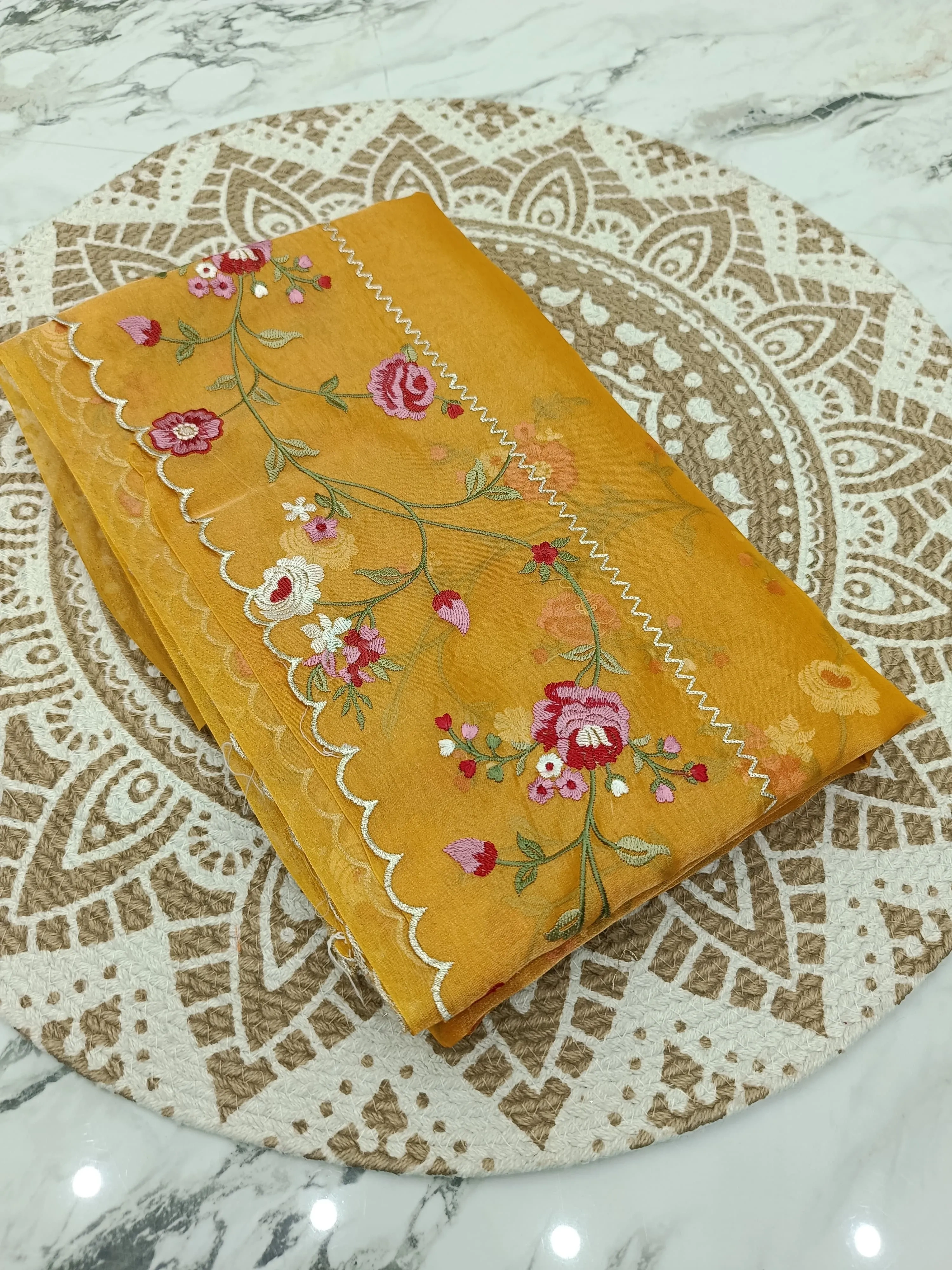
In Indian weddings, the bridal saree is more than attire—it’s a living artifact of family history. Sarees like the handwoven Banarasi and pure Kora tissue silks from Swathi Design are often crafted in Varanasi, where artisan weavers have honed their skills over generations. Many families treasure the wedding saree, passing it down as an heirloom to daughters and granddaughters. The fabric, intricate zari work, and regional motifs aren’t just beautiful—they connect you directly to centuries of textile artistry. For Indian-Americans, this is a meaningful way to honor heritage, even thousands of miles from home.
Renting vs Buying a Bridal Saree: Side-by-Side Comparison
| Factor | Renting | Buying |
|---|---|---|
| Upfront Cost | $50–$300 (average rental for premium sarees) | $100–$500+ (premium, artisan-made sarees) |
| Cost Per Wear | One-time use | Multiple wears, can resell or pass down |
| Fit & Tailoring | Standard sizing, limited customization | Custom blouse, petticoat, perfect fit |
| Sentimental Value | None—must return | High—kept as keepsake or heirloom |
| Resale Value | N/A | Can resell (especially pure silk or Banarasi) |
| Care | Return after use | Requires dry cleaning, careful storage |
| Selection | Trendy & classic, but limited availability in peak season | Unlimited artisan options, exclusive designs |
What is Cost-Per-Wear for a Bridal Saree?
Cost-per-wear is a budgeting metric that divides the total cost of your saree by the number of times you’ll wear it. For instance, buying a $200 Banarasi saree and wearing it five times brings your cost-per-wear down to $40—often less than a single rental, especially if you resell or lend the saree later.
Key Factors When Deciding to Rent or Buy Your Bridal Saree
- Budget: Rentals are wallet-friendly for one-time use, but splurging on a purchased saree—like the Handwoven Banarasi Tissue Saree with Gold & Silver Zari ($175)—offers both sentimental and practical returns.
- Personalization & Fit: Buying allows for a custom blouse and personalized tailoring. Rentals usually come in standard sizes, which may not drape perfectly.
- Heirloom Value: A purchased saree can become a cherished family keepsake. Many Indian-American brides treasure the idea of passing their wedding saree to the next generation.
- Resale Potential: High-quality sarees, especially pure silk or Banarasi, hold excellent resale value, particularly in the US Indian community.
- Fashion Trends vs Timelessness: Rental platforms often focus on trendy or designer pieces. Buying lets you choose a timeless classic, such as a Banarasi or Kora tissue silk saree, that transcends fleeting trends.
- Availability: Peak wedding season means limited rental inventory, but buying from a store like Swathi Design ensures access to exclusive, artisan-made options year-round.
Pro tip: If you opt to buy, always store your saree in a muslin cloth to preserve the zari’s brilliance—a tip straight from master weavers in Varanasi.
Budget Tiers: Saree Options for Every Bridal Budget
- Under $100: Consider lightweight blends or semi-silk sarees for pre-wedding functions, but note these may lack heirloom appeal and resale value.
- $100–$300: This is the sweet spot for artisan-crafted sarees from Swathi Design. For example:
- Pure Banarasi Tissue Silk Saree with Zari ($175) — Handwoven, radiant tissue silk with gold and silver zari, perfect for brides or close family members.
- Luxurious Banarasi Silk Saree with Zari for Weddings ($165) — Feather-light Kora silk and tissue, with regal Banarasi zari motifs, ideal for main wedding events or receptions.
- Banarasi Kora Tissue Silk Saree for Weddings & Festivals ($175) — Elegant, luminous Kora tissue, handwoven in Varanasi, excellent resale and heirloom potential.
- $300+: Heavily embellished designer sarees or rare, handloom pieces—these are true investments and can become legacy pieces.
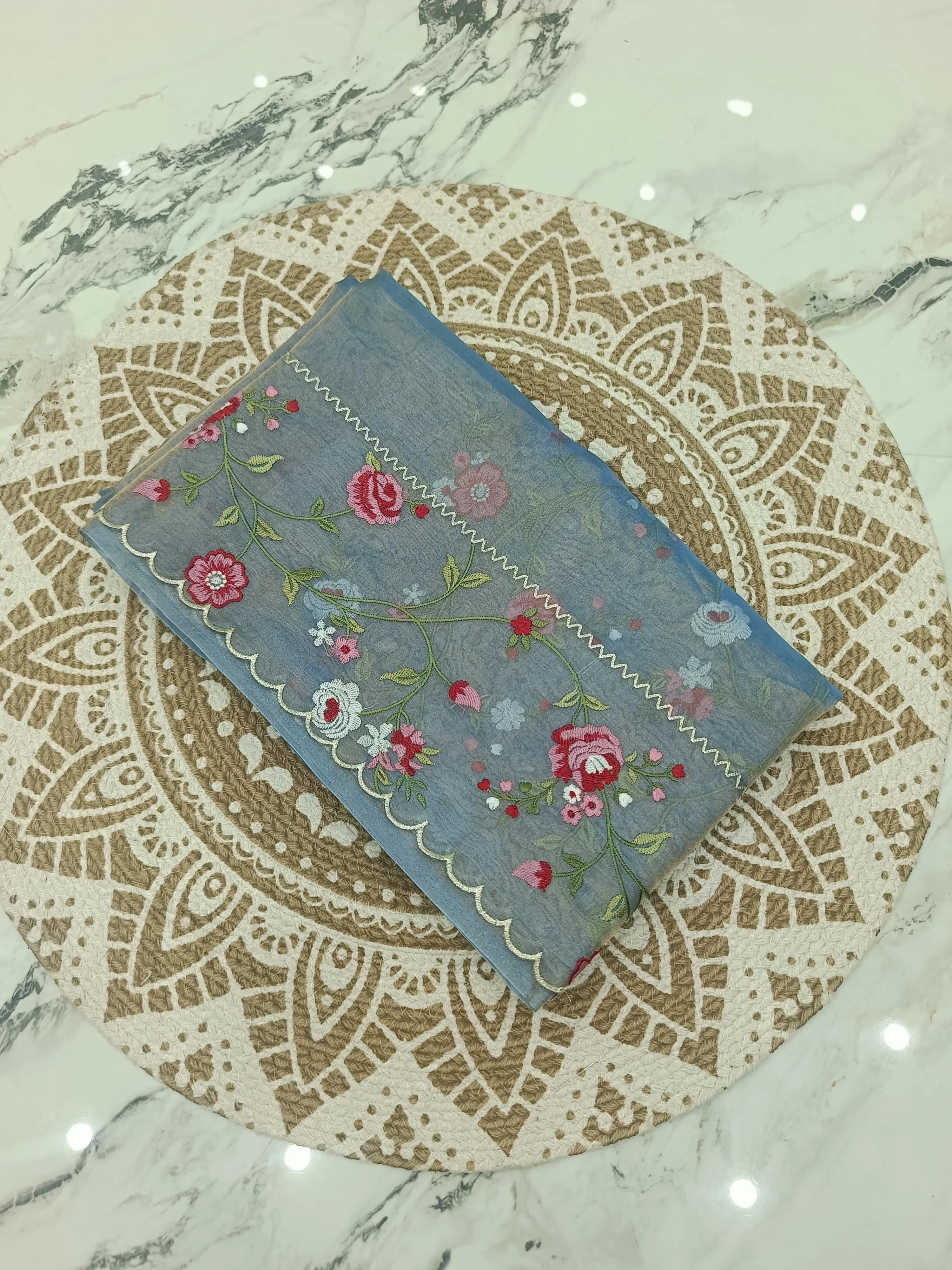
For a colorful, regal look at a friendlier price, the Luxurious Handwoven Pure Mango Raw Silk Saree ($145) is a vibrant, handwoven raw silk option that balances tradition and modernity.
Should You Rent or Buy a Bridal Saree?
Choosing between renting and buying a bridal saree depends on your priorities. Renting offers a lower upfront cost and is ideal for brides who prefer trendy styles for one-time use without long-term commitment. Buying, especially from artisan-led stores like Swathi Design, gives you a perfectly tailored fit, heirloom value, and the option to resell or pass down the saree, making it a lasting investment. Consider your budget, sentimental attachment, and whether you envision wearing or sharing your saree in the future.
How Much Does Renting a Bridal Saree Cost?
Bridal saree rental prices in the US typically range from $50 to $300, depending on the fabric, embellishments, and designer. Premium handwoven Banarasi or silk sarees command higher rental fees, especially during peak wedding seasons. Always check for included services such as cleaning, damage insurance, and fitting options. Rental prices may seem appealing initially, but for those wanting to wear the saree again or keep it as a memento, buying often offers better value over time.
Do Brides Keep Their Wedding Saree?
Many Indian and Indian-American brides prefer buying and keeping their wedding saree for its sentimental and cultural value. The tradition of passing down a wedding saree to daughters or close relatives is common, particularly with heirloom-worthy fabrics like Banarasi silk. Brides see the saree as a symbol of family legacy and a tangible connection to their roots, making it more than just a garment worn once.
Can You Resell a Bridal Saree?
Yes, you can resell a bridal saree, especially if it is handwoven from pure silk or features classic Banarasi zari work. Resale is popular among Indian-American communities, with platforms and local groups dedicated to pre-loved designer sarees. High-quality sarees from stores like Swathi Design retain value, particularly if well maintained and dry cleaned after use.
Why Choose a Handwoven Banarasi Saree for Your Wedding?
Handwoven Banarasi sarees are renowned for their intricate zari work, shimmering tissue silk, and enduring artistry. Originating in Varanasi, these sarees are woven by master artisans using techniques passed down for centuries—recognized by institutions like the Varanasi Weavers Trust. The luminous effect of gold and silver threads against the tissue base creates a regal look perfect for bridal events. Banarasi sarees are also considered auspicious for weddings, symbolizing prosperity and tradition.
How to Choose the Right Banarasi Saree for Your Wedding
- Decide between tissue silk, Kora silk, or pure silk based on desired drape and weight.
- Look for authentic handwoven pieces—Swathi Design sources directly from artisan weavers in Varanasi.
- Pick color and motif combinations that reflect your personality and family heritage.
- Ensure the saree is easy to maintain; always dry clean and store in muslin to protect intricate zari.
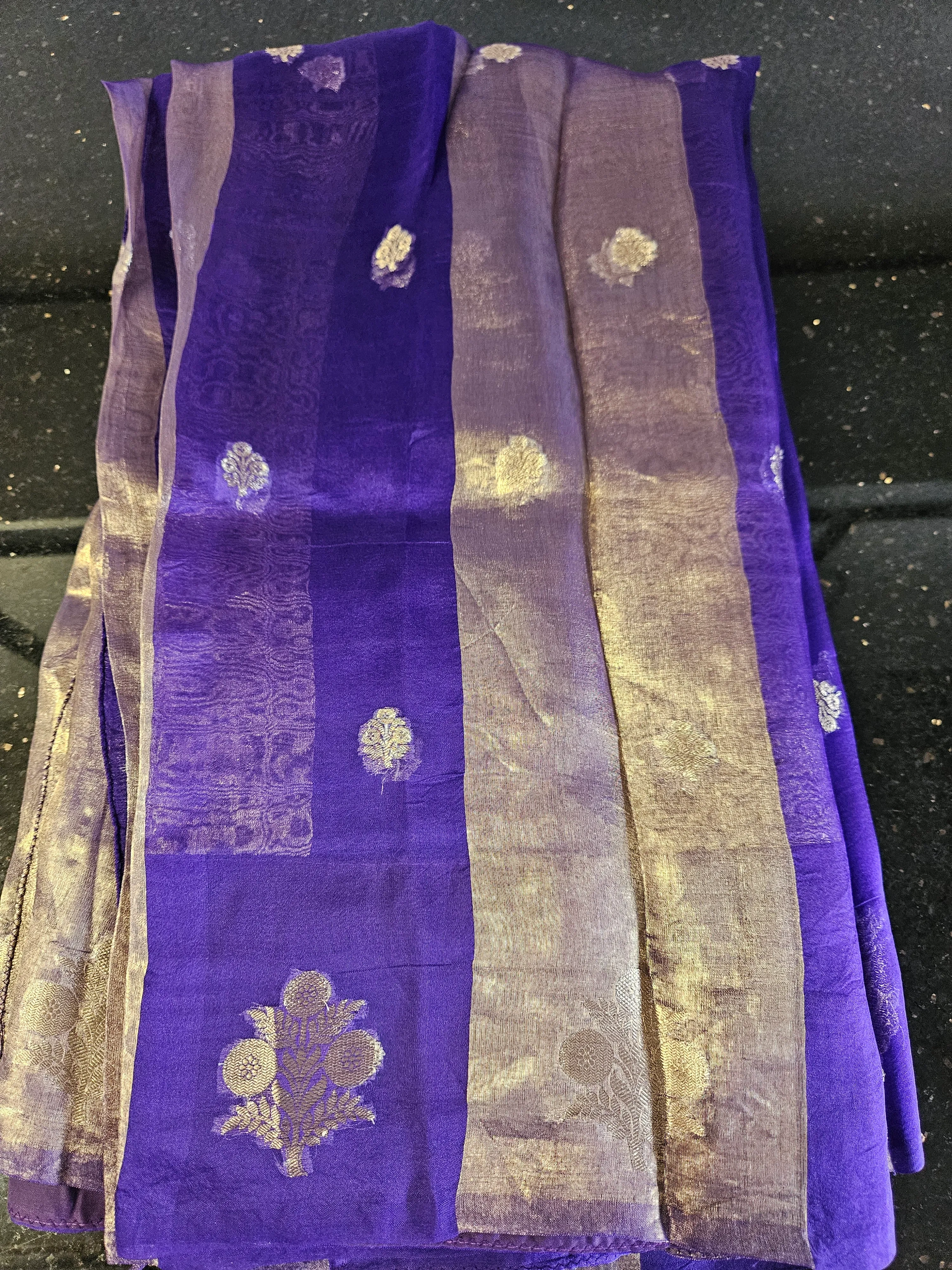
For a radiant, lightweight drape, the Handwoven Banarasi Tissue Saree with Gold & Silver Zari is a versatile choice suited for both brides and close family members.
Styling Tips: Make Your Bridal Saree Uniquely Yours
- Statement Blouse: Commission a made-to-measure blouse in contrasting silk or with embroidery to personalize your look.
- Jewelry Pairings: Banarasi and tissue silk sarees shine with antique gold, Kundan, or temple jewelry. For a modern twist, try bold, contemporary earrings or layered necklaces.
- Footwear: Comfortable, embellished heels or mojaris keep you poised during ceremonies.
- Drape Experimentation: Explore classic Bengali or Gujarati pallu drapes—these styles showcase intricate pallus and are especially photogenic.
For more festive styling inspiration and regional saree etiquette, see our South Indian Saree Guide and Temple Dress Code posts.
Featured Sarees from Swathi Design
- Handwoven Banarasi Tissue Saree with Gold & Silver Zari ($175): Gleaming tissue fabric, gold and silver zari, artisan-crafted in Varanasi. Lightweight yet luxurious for all-day comfort.
- Pure Banarasi Tissue Silk Saree with Zari ($175): Luminous tissue silk, intricate zari, heirloom-worthy craftsmanship.
- Luxurious Banarasi Silk Saree with Zari for Weddings ($165): Feather-light kora silk, shimmering tissue, ideal for brides and bridesmaids.
- Banarasi Kora Tissue Silk Saree for Weddings & Festivals ($175): Classic motifs, light-as-air drape, perfect for grand celebrations.
- Luxurious Handwoven Pure Mango Raw Silk Saree ($145): Vibrant colors, rich texture, lasting legacy.
Browse the full Sarees collection for more options.
Bridal Saree Rental & Ownership: Frequently Asked Questions
Should you rent or buy a bridal saree?
Renting a bridal saree is best for those prioritizing budget and convenience, especially if you want a trendy designer look for one event. Buying offers a perfect fit, sentimental value, and the chance to wear, resell, or pass down your saree, making it a preferred choice for many Indian-American brides.
How much does renting a bridal saree cost?
Rental prices for bridal sarees in the US range from $50 to $300, based on the fabric, embellishments, and season. Designer or handwoven sarees command higher rental fees, and costs may increase during peak wedding periods.
Do brides keep their wedding saree?
Yes, most brides who buy a wedding saree keep it as a cherished keepsake or heirloom. This tradition is rooted in Indian culture and is especially valued for sarees crafted with exquisite fabrics and handwork.
Can you resell a bridal saree?
Absolutely. High-quality sarees, such as pure silk or Banarasi, can be resold in the Indian-American community or through specialty platforms. Keeping the saree well maintained increases its resale value.
Shop the Collection
Ready to choose your bridal saree? Browse our full collection of artisan-woven Banarasi, silk, and specialty sarees crafted for every style and budget. For styling tips or personalized help, Swathi Design offers WhatsApp support and expert US-based service.
Featured in this guide
- Handwoven Banarasi Tissue Saree with Gold & Silver Zari
- Pure Banarasi Tissue Silk Saree with Zari - Regal Indian Craftsmanship
- Luxurious Banarasi Silk Saree with Zari for Weddings
- Banarasi Kora Tissue Silk Saree for Weddings & Festivals
- Luxurious Handwoven Pure Mango Raw Silk Saree – Regal Indian Elegance
Part of the Kanjivaram & Banarasi Silk Sarees guide collection.
Related guides
- Timeless Elegance: Handwoven Chanderi & Banarasi Silk Sarees for Every Special Occasion
- Celebrate Timeless Elegance with Luxurious Raw Mango Silk and Banarasi Sarees
- Timeless Elegance Redefined: The Latest Handwoven Banarasi & Kanchipuram Sarees for Every Celebration
- Discover the Timeless Beauty of Banarasi and Mangalagiri Silk Sarees
- Timeless Elegance: Explore the Artistry of Pure Zari and Banarasi Tissue Sarees