What to Wear for Onam: The Kasavu Saree & Kerala Settu Mundu Guide
Curious about what to wear for Onam? Discover the heritage, symbolism, and stunning drape of the classic cream-and-gold Kasavu saree—Kerala’s iconic festival outfit. Learn the difference between settu mundu and single saree styles, the art of gold borders, and fresh styling tips for Indian-Americans celebrating in the US.
What to Wear for Onam: Your Guide to the Kasavu Saree
If you’re planning your Onam outfit, there’s only one answer that truly honors tradition and lights up every celebration: the cream-and-gold Kasavu saree or settu mundu. This iconic ensemble is so much more than a dress code. It’s a living symbol of Kerala’s heritage, weaving together centuries of artistry, community, and understated luxury. Here’s how to choose, drape, and style the Kasavu for your next Onam—whether you’re attending a California Onam sadhya or joining family on Zoom from New Jersey.
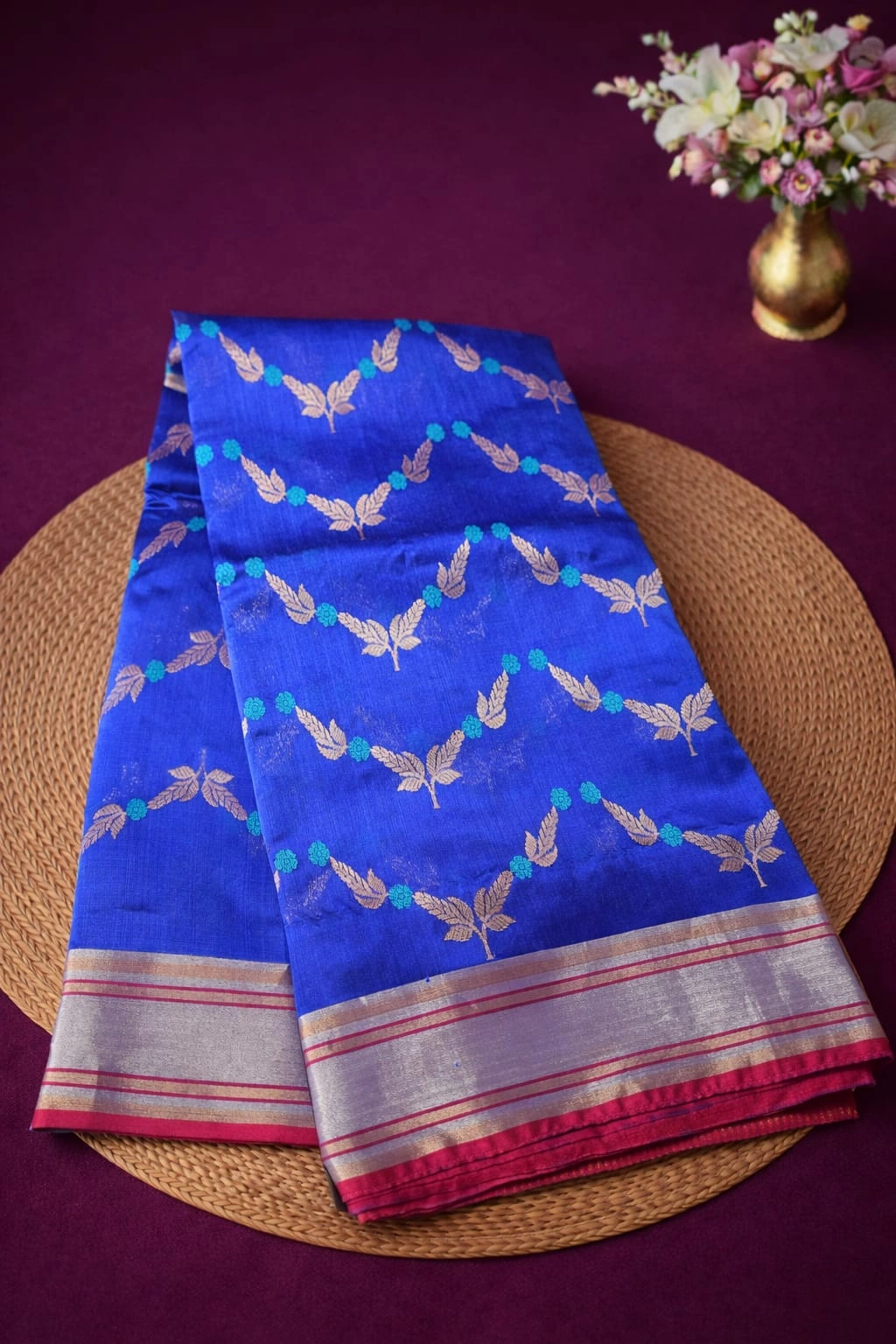
A Real Onam Scenario: Blending Roots & Modern Life
Picture this: It’s Onam morning in the Bay Area. The aroma of coconut and sambar fills your kitchen. Your kids are helping with the pookalam (floral rangoli) on the porch. Guests will arrive soon, and your WhatsApp is full of sari selfies from cousins in Kochi. You want to look the part—not in a costume, but in a way that feels like you. The answer? Cream silk, gold border, just-right jewelry, and a drape that nods to tradition but lets you move with ease. Let’s break down how.
What is a Kasavu Saree?
Kasavu saree is the traditional Kerala sari, celebrated for its off-white or cream body and pure gold or golden zari border. Originating in Kerala, the Kasavu is woven from fine cotton or silk and adorned with a distinctive gold border (kasavu), representing prosperity and timeless elegance. This saree is most famously worn during Onam, Vishu, and Kerala weddings.
The word “Kasavu” refers to the gold thread used in the border. Authentic Kasavu is painstakingly handwoven by weavers in Chendamangalam, Balaramapuram, and Kuthampully—villages renowned for this craft. While the cotton version is most common, contemporary Kasavu sarees in pure silk, like the Pure Chanderi Pattu Silk Saree from Swathi Design, add a subtle sheen and drape beautifully for special occasions.
History and Significance of the Onam Saree
The Kasavu saree’s origins stretch back centuries. According to the Kerala State Handloom Development Corporation, the earliest Mundum Neriyathum (two-piece set) predates even the single-piece saree, with references in Sangam literature (300 BCE–300 CE). The gold border was initially real gold thread, reserved for nobility and temple dancers. Today, silk or zari replaces gold, but the symbolism endures: purity, renewal, and Kerala’s egalitarian spirit.
During Onam, wearing Kasavu is more than tradition—it’s a way to participate in Kerala’s most important festival, honoring the legendary King Mahabali and the harvest season. The cream body represents simplicity, while the gold border adds festive radiance.
Kasavu Saree vs Settu Mundu: What’s the Difference?
The terms "Kasavu saree," "Mundum Neriyathum," and "Settu Mundu" are often used interchangeably, but there are key differences:
| Style | Pieces | How It’s Worn | Occasion |
|---|---|---|---|
| Kasavu Saree | 1 (single piece) | Like a regular saree, pleated and draped over shoulder | Festivals, weddings, daily wear |
| Settu Mundu / Mundum Neriyathum | 2 (two pieces) | Lower piece as skirt, upper piece over blouse and shoulder | Onam, Vishu, classical dance |
The classic Kasavu saree is a single length (usually 5.5 to 6 yards), while the settu mundu consists of two pieces—the mundu (skirt) and neriyathu (shoulder drape). Both feature the signature cream and gold palette. In the US, most Indian-American women opt for the single-piece Kasavu saree, as it’s easier to drape and style.
How to Drape a Kasavu Saree or Settu Mundu for Onam
Wondering how to wear your cream-and-gold saree for Onam? Here’s a step-by-step for each style, plus a pro tip for keeping your pleats crisp through a long sadhya.
- Kasavu Saree: Tuck the plain end into your petticoat at the right hip, wrap around once, pleat the front (6-8 pleats), tuck at the navel, then drape the pallu with gold border over your left shoulder. Pin in place if you’ll be moving a lot.
- Settu Mundu: Wrap the mundu (lower piece) around your waist and secure; drape the neriyathu diagonally over your left shoulder, leaving the gold border visible. For authenticity, add a short-sleeve blouse in contrasting color (maroon, green, or gold).
- Styling tip: Lightly starch the saree the night before for crisp pleats that hold all day. For silk Kasavu, use a padded hanger after dry cleaning to avoid creases.
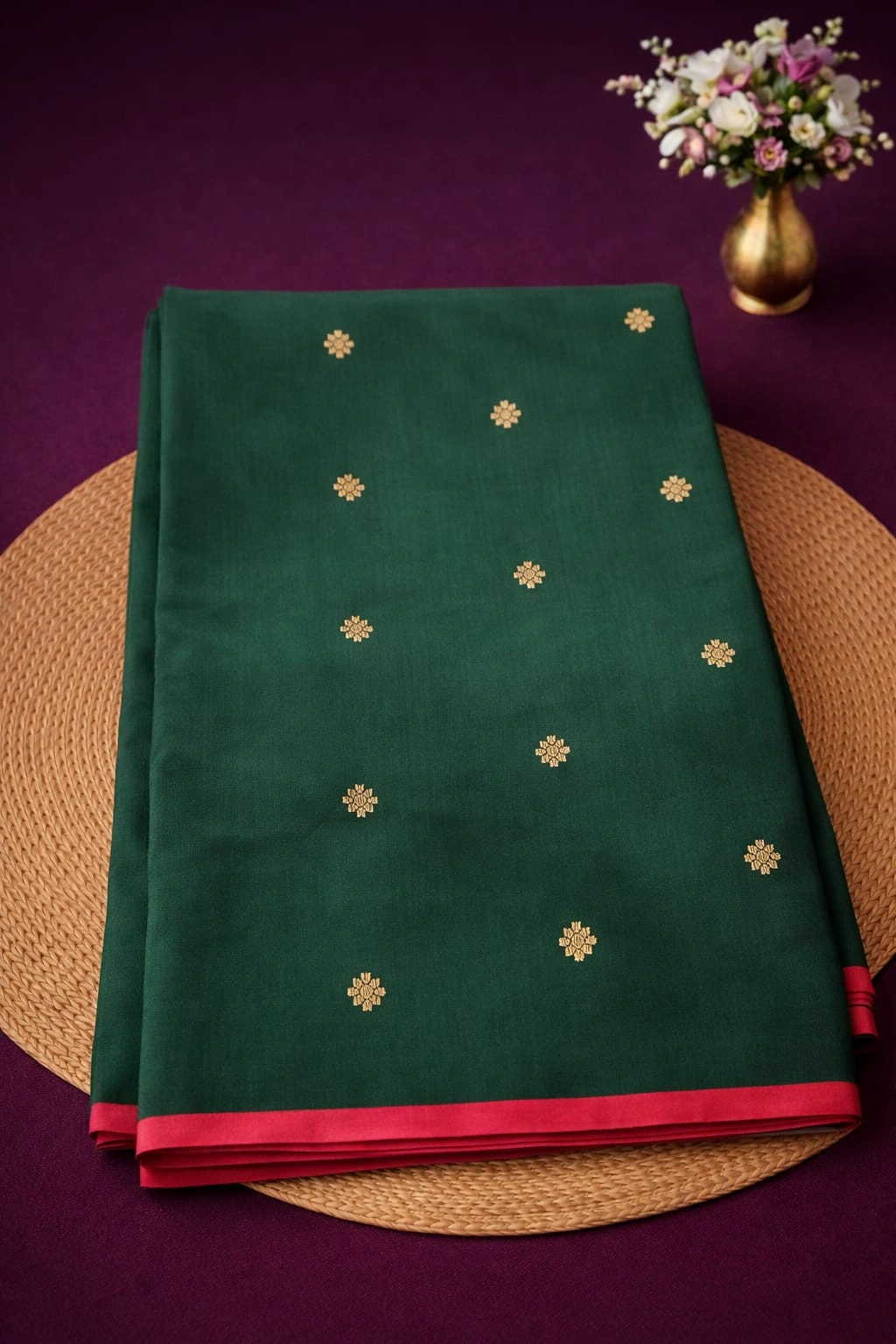
What to Wear for Onam: 3 Ways to Style the Kasavu Saree
If you’re eyeing a modern twist, here are three inspired ways to style your Kasavu saree for Onam in the US:
- Classic Kerala Look: Pair your Pure Chanderi Pattu Silk Saree with a short-sleeve gold or maroon blouse, gold jhumkas, and jasmine flowers in your hair. Choose flat gold sandals for comfort during the sadhya feast.
- Contemporary Chic: Try a sleeveless or boat-neck silk blouse in deep green or ruby. Swap traditional jewelry for geometric gold earrings and a single cuff. Add a metallic clutch and block-heeled sandals for a dinner party spin.
- Fusion Layer: Throw on a cropped denim jacket or brocade waistcoat over your saree, and add modern sneakers for a playful, functional look—perfect for Onam events at college or casual gatherings.
Don’t forget: Onam is about comfort and celebration. The beauty of Kasavu is its versatility—soft, lightweight, and easy to dress up or down with accessories.
Blouse, Jewelry & Footwear Pairings for Onam
Here’s how you’d style the latest silk Kasavu sarees for a fall sangeet or Onam sadhya:
- Blouse: Gold tissue, plain maroon cotton-silk, or hand-embroidered silk. Avoid heavy brocade; keep it breathable.
- Jewelry: Temple jewelry, gold jhumkas, mango mala, or a simple choker. For a statement, try antique-finish pieces.
- Footwear: Kolhapuris, gold flats, or embroidered mojaris. If you’re on your feet all day, low-heeled sandals work best.
- Hair & Flowers: Jasmine gajra, low bun, or loose waves. For a minimalist look, tuck a single flower above your ear.
Modern Kasavu: The Chanderi Silk Option for US Celebrations
If you prefer a silk drape for Onam or wedding season, consider the Pure Chanderi Pattu Silk Saree – Handwoven Luxury for Weddings & Celebrations (price confirmed on inquiry) or the Pure Chanderi Pattu Silk Saree – Handwoven Indian Ethnic Wedding Wear (price confirmed on inquiry) from Swathi Design. These sarees are meticulously handwoven by Indian artisans and blend the signature lightweight feel of Chanderi with lustrous silk (pattu) threads, perfect for festive gatherings and elegant parties in the US.
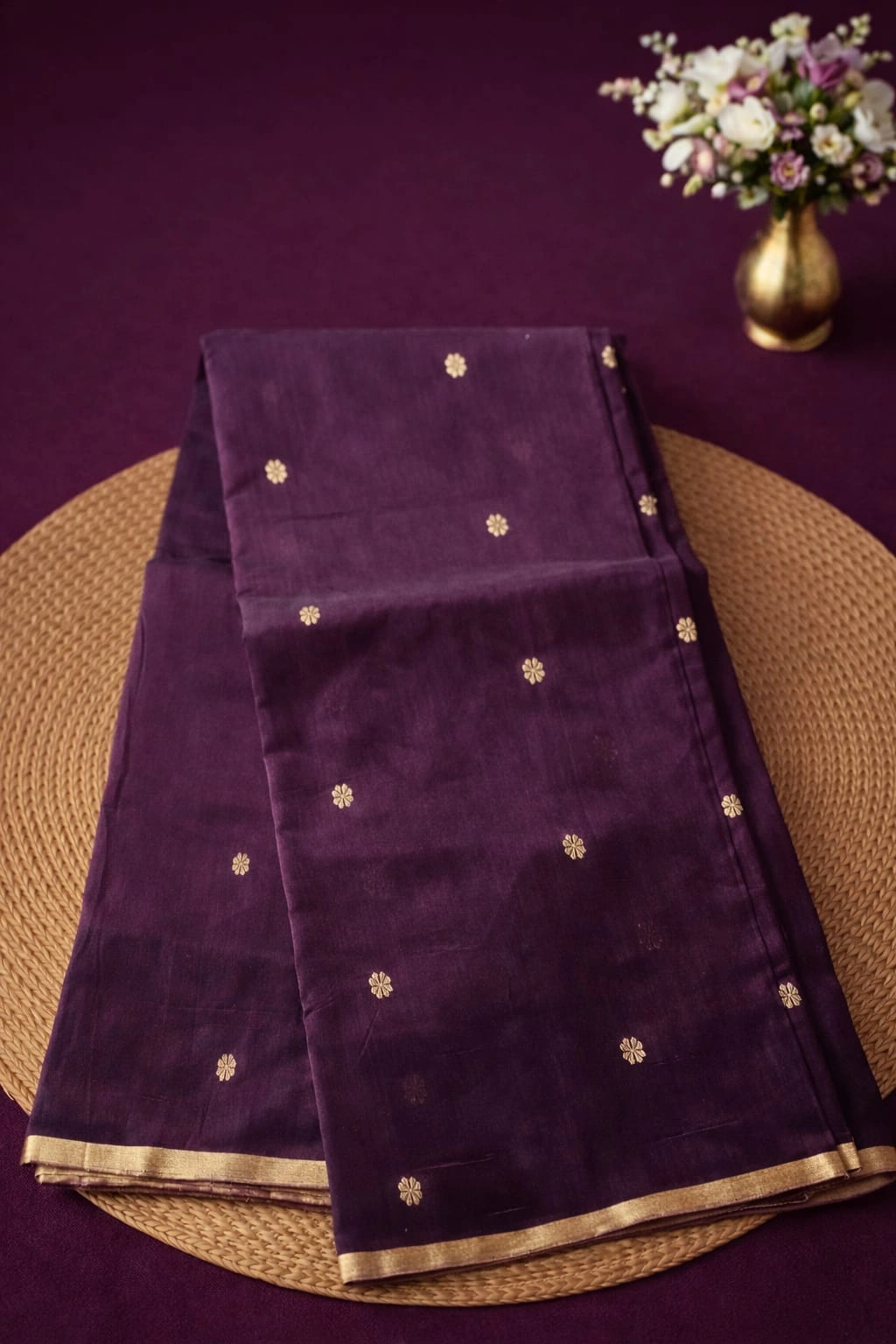
The Chanderi variant gives you the best of both worlds: the iconic gold border and cream body of Kerala tradition, plus a subtle sheen and a drape that flatters every silhouette. Zari work and intricate patterns make each piece a conversation starter, while the breathable fabric keeps you comfortable through long celebrations. Learn about the differences between soft silk and pattu sarees in our detailed silk saree guide.
Why is the Onam Saree Cream and Gold?
The Onam saree is cream and gold because these colors symbolize purity, prosperity, and festivity in Kerala culture. The off-white base stands for simplicity and unity, while the gold border represents celebration, community, and auspiciousness during Onam. This color combination has been cherished for generations, transcending trends and remaining the heart of Kerala’s festive dress.
Care and Preservation Tips for Your Kasavu Saree
Kasavu sarees, especially those with silk or zari borders, require gentle care. Here’s how to keep yours looking heirloom-fresh:
- Dry clean only—especially for silk or zari-bordered sarees.
- Store in a muslin bag or cotton cloth in a cool, dry place. Avoid plastic covers, which can trap moisture.
- Air out every few months to prevent yellowing. Refold along different lines to avoid permanent creases.
- If your saree has gold zari, avoid spraying perfume directly on the border to prevent tarnishing.
- For full preservation guidance, see our heirloom saree care guide.
Onam Saree FAQ: Kasavu, Settu Mundu & More
Q1: What is a Kasavu saree?
Kasavu saree is a traditional Kerala saree featuring a cream or off-white base and pure gold or golden zari border. It is handwoven, usually from cotton or silk, and is worn for Onam, weddings, and other Kerala festivals. The term “Kasavu” refers specifically to the gold border, which symbolizes prosperity and festivity.
Q2: What do you wear for Onam?
For Onam, women traditionally wear a cream-and-gold Kasavu saree or settu mundu, paired with a contrasting blouse and gold jewelry. Men often wear mundu (a white dhoti) with a gold border and a simple shirt or angavastram. The dress code honors Kerala’s harvest festival and signifies unity and cultural pride.
Q3: What is the difference between Kasavu and settu mundu?
Kasavu refers to any saree or mundu with a gold-bordered cream base. Settu mundu, or Mundum Neriyathum, is a two-piece traditional Kerala dress: a lower wrap (mundu) and an upper drape (neriyathu), both featuring the gold border. Kasavu saree typically refers to the single-piece version worn like a regular saree.
Q4: Why is the Onam saree cream and gold?
The Onam saree is cream and gold because these colors symbolize purity, new beginnings, and prosperity in Kerala culture. The cream base reflects simplicity and unity, while the gold border signals festivity and auspiciousness, making it the perfect dress for Kerala’s most important festival.
Kasavu in the US: Finding Authentic Kerala Sarees
Looking for authentic Kasavu sarees in America? Swathi Design sources directly from artisan weavers in India, ensuring every Pure Chanderi Pattu Silk Saree and Handwoven Indian Ethnic Wedding Wear piece reflects the genuine textures and motifs Kerala is known for. With flat-rate US shipping and a 48-hour damaged-item policy, you can shop with confidence from California to New York. For more on choosing authentic handloom over powerloom, read our authenticity guide.
Shop the Collection
Ready to celebrate Onam in timeless style? Explore Swathi Design’s curated selection of Kasavu and Chanderi silk sarees, sourced from Indian artisan weavers. Browse all sarees or shop the full collection to find your next heirloom piece. Need personalized styling advice? Swathi Design’s WhatsApp concierge is ready to help you create your perfect Onam look.
Featured in this guide
Part of the Designer Sarees Online — USA Buying Guides guide collection.
Related guides
- Swathi Designs Boutique: Where to Buy Authentic Indian Wedding Sarees in the USA
- Handwoven Sarees Online USA: Your Essential Guide to Indian Elegance, Artisan Craft, and Modern Styling
- Kanchipuram Silk Saree USA: The Ultimate Guide to Buying Authentic Wedding Sarees Online
- Luxury Handwoven Sarees Online in USA: The Ultimate Buying Guide
- Timeless Chanderi & Silk Suits for US Weddings: The Ultimate Guide to Ethnic Elegance in the USA