Soft Silk vs Pattu Saree: Weave, Weight & Wedding Worthiness Explained
Confused by soft silk vs pattu saree labels? Textile specialist Priya Menon breaks down the real differences—fabric, zari, weight, and price—so you can confidently spot authentic South Indian silk. Plus: explore pure silk gowns from Swathi Design for every festive occasion.
Soft Silk vs Pattu Saree: What’s the Real Difference?
If you've ever wondered how to distinguish a soft silk saree from a pattu (pure silk) saree, you’re not alone. The answer lies in the weave, fiber, zari content, and tradition—knowing these distinctions is crucial when investing in South Indian silk, whether for a wedding or a cherished festival. Below, I demystify these terms and offer a practical comparison table for quick reference.
| Feature | Soft Silk Saree | Pattu (Pure Silk) Saree |
|---|---|---|
| Weave Origin | Varied (includes powerloom); modern, lighter drape | Traditional handloom, e.g. Kanchipuram, Arani |
| Silk Type | Pure mulberry silk, lower ply, softer finish | Pure mulberry silk, higher ply, dense texture |
| Zari Content | Often less or imitation zari | Real silver/gold zari, tested and certified |
| Weight | 250-500g (light-midweight) | 600-900g (heavyweight) |
| Durability | Good, but less than pattu; prone to snags | Very high; heirloom quality |
| Price Band | $100–$350 (less with synthetic blend) | $400–$2000+ |
Both soft silk and pattu sarees celebrate South Indian textile artistry, but the difference in weight, zari, and longevity is real. Let’s unpack each in-depth.
What is Soft Silk Saree? (Definition Snippet)
Soft silk saree is a lightweight drape woven from pure mulberry silk, often crafted on modern looms for a supple finish and easy pleating. Unlike heavier pattu sarees, soft silk uses lower ply yarns and may feature imitation zari, making it comfortable for long wear at festivals or receptions.
What is Pattu (Pure Silk) Saree?
Pattu, derived from the Tamil word for silk, refers specifically to pure silk sarees woven on handlooms using high-twist, high-ply mulberry silk yarns. Kanchipuram sarees from Tamil Nadu are the gold standard, famed for their weighty drape, contrast borders, and real silver/gold zari. Traditionally, these are passed down as heirlooms and gifted at weddings across South India.
Soft Silk Saree: Pros, Cons & Authenticity
- Pros: Lightweight; easy to drape; vibrant colors; affordable; suited for all-day celebrations.
- Cons: Less durable than pattu; imitation zari is common; may not last generations.
- Authenticity Tip: Look for the Silk Mark tag (by Silk Mark Organisation of India) and gently rub the zari to check if it sheds color (imitation zari will reveal a white polyester core).
The soft silk label can be confusing—some brands mix a percentage of synthetic for sheen or affordability. Always check for the Silk Mark label and ask about warp/weft ply count (2-ply or 3-ply is standard for pure soft silk).
Pattu (Pure Silk) Saree: Pros, Cons & Authenticity
- Pros: Heirloom durability; pure mulberry silk; heavy genuine zari; rich, ceremonial look; retains value.
- Cons: Heavier to wear; higher cost; requires careful storage; not ideal for humid climates or travel.
- Authenticity Tip: Real pattu sarees have contrast borders woven separately and attached using the korvai technique. A close look at the join will show tiny connecting knots (never printed or glued).
True pattu sarees often come from Kanchipuram, Arani, or Dharmavaram, with GI tags or certificates. Buyers should seek out trusted stores or cooperative societies specializing in South Indian handlooms.
How to Identify Soft Silk vs Pattu Saree?
- Weight: Pattu is distinctly heavier and stiffer.
- Zari Test: Scratch the zari—real zari reveals a reddish core (from copper/silver), while fake shows white polyester.
- Edge Join: Pattu’s border join (korvai) is visible on the reverse; soft silk is often seamless or machine-woven.
- Sheen: Soft silk has a brighter, glassy finish; pattu has a deep, lustrous glow.
For a detailed look at distinguishing handloom sarees, see our post on Kanjivaram Silk vs Art Silk.
Cultural Significance: Why the Distinction Matters
For South Indian weddings, the pattu saree is more than attire—it marks a rite of passage. In Tamil Nadu, a Kanchipuram pattu saree, woven with real zari, is customary for brides, symbolizing family heritage. For festival goers, soft silk’s affordability and comfort have made it popular, especially among younger generations who want tradition with ease.
How to Care for South Indian Silk Sarees?
- Dry clean only—water and detergent can damage silk proteins and zari.
- Fold along existing creases to avoid fiber breakage; store with muslin cloth to allow the fabric to breathe.
- Do not hang heavy pattu sarees for long periods—gravity will stretch the weave.
- For zari, wrap with acid-free tissue and keep away from direct sunlight to prevent tarnish.
Useful tip: To freshen silk without washing, gently steam from a distance, using a muslin pressing cloth to protect the surface.
Spotlight: Pure Silk Gowns for Modern Celebrations
While sarees hold pride of place, today’s Indian-American women are embracing pure silk gowns for events where ease of movement and contemporary style matter. Swathi Design’s latest collection draws directly on these textile traditions, but with silhouettes suited for weddings, galas, and festive evenings in the US.
Pure Tissue Silk Gown: A Sheer Weaving Marvel
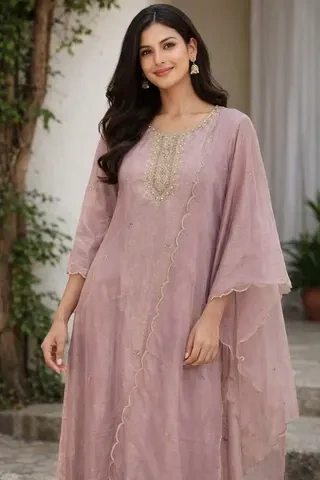
The Luxurious Pure Tissue Silk Gown ($38.00) showcases real tissue silk—an ultra-fine variant woven from silk warp and metallic weft threads, often crafted in Banaras and South Indian looms. The result: a feather-light drape with characteristic shimmer. Offered in gold, maroon, emerald green and royal blue, it is tailored to flatter every body type. The handcrafting is evident in its fluid silhouette and precise fit, making it perfect for weddings, sangeet, or Diwali parties. Pair with kundan jewelry for a regal effect, or metallic heels for understated refinement.
Authenticity Test: Hold tissue silk against light; real tissue silk shows a subtle metallic glint from woven zari, not printed shine.
Care Tip: Always dry clean and store flat, not hung, to avoid stretching the weave.
Gold Pure Dola Silk Ethnic Gown: Luminous Comfort
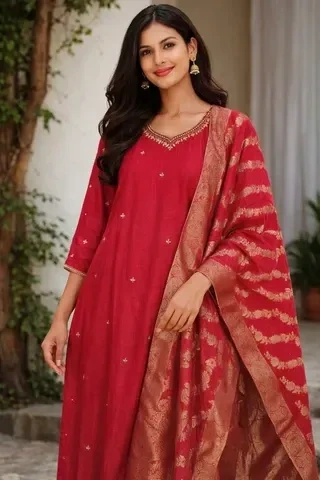
The Gold Pure Dola Silk Ethnic Gown ($45.00) is made from 100% pure Dola silk—a supple, tightly woven silk from Gujarat and Bengal, prized for its luminous finish and comfort. The gold hue is achieved with eco-friendly dyes and subtle zari threads, creating a radiant yet wearable look. Its expertly tailored fit flatters all silhouettes, making it an exceptional choice for upscale receptions, formal galas, or even temple ceremonies. For a classic touch, style with bold jewelry and a shimmering clutch.
Authenticity Test: Real Dola silk feels cool to the touch and gives a soft rustle when crumpled lightly.
Care Tip: Store wrapped in muslin, away from direct light, to protect the silk’s natural luster.
Elegant Pure Dola Silk Gown: Festive Versatility
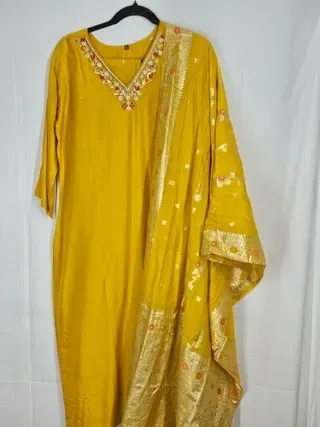
The Elegant Pure Dola Silk Gown ($38.00) is available in ruby red, emerald green, royal blue, and golden beige. Dola silk’s signature is its soft, breathable texture, making it ideal for long celebrations or summer events. The gown’s drape is forgiving, while its subtle sheen communicates quiet luxury. Style with pearls for daytime or statement earrings for a cocktail look. Each gown is tailored for comfort and can be custom fitted (XS–XXL) for a truly bespoke feel.
For more on matching blouses and accessories for silk drapes, see How to Choose Blouse Fabric for Saree: A Guide for Silk, Tissue & Brocade Drapes on our blog.
Soft Silk vs Pattu: Your Questions Answered
What is the difference between soft silk and pattu sarees?
Soft silk sarees are lightweight drapes woven from lower ply pure silk, often using modern looms, and may feature imitation zari. Pattu sarees, also called pure silk sarees, are crafted with high-twist mulberry silk and real silver/gold zari, resulting in a heavier, more durable fabric. Pattu sarees are traditional, often handloomed, and prized as heirlooms.
Is soft silk pure silk?
Soft silk is usually made from pure mulberry silk but uses a lower ply yarn for a lighter handfeel. Some brands may blend in synthetics for affordability or sheen. Always check for the Silk Mark certification to ensure authenticity and purity.
Which is more durable, soft silk or pattu?
Pattu sarees are more durable due to their denser, higher ply silk yarns and handloom construction. They withstand frequent draping and last for generations if cared for properly, while soft silk, though comfortable, may be prone to snags and wear over time.
Why is pattu silk more expensive?
Pattu silk is costlier because it uses high-grade mulberry silk, real zari (often silver or gold-plated), and labor-intensive handloom techniques such as korvai for borders. The craftsmanship and raw material quality justify its premium price, making it a treasured bridal and festive choice.
Shop the Collection
Ready to experience the luxury of authentic silk for your next celebration? Explore Swathi Design’s Dresses for pure silk gowns and sarees, or browse our full collection online. Our team offers concierge price confirmation and styling help via WhatsApp, and every piece is sourced directly from artisan weavers. For damaged items, send a video within 48 hours for resolution. Choose silk with confidence and honor your heritage with every drape.
Featured in this guide
Part of the Handwoven Silks: Chanderi, Tussar & Raw Mango guide collection.
Related guides
- Elevate Every Occasion: Handcrafted Indian Gowns & Frocks for Modern Celebrations in the USA
- Elevate Every Occasion: Pure Chanderi Pattu Silk Sarees for Indian-Americans in the USA
- Exquisite Russian Crape Silk Saree: Timeless Elegance for Every Occasion
- Luxurious Pure Russian Crape Saree: Timeless Elegance for Every Occasion
- Elevate Your Festive Wardrobe with Exquisite Handwoven Chanderi Sarees and Anarkali Dresses