How to Care for an Heirloom Wedding Saree: Preservation Steps for Generational Longevity
Want your wedding silk to become a cherished heirloom? Learn how to care for an heirloom wedding saree so its color and zari last for decades. This guide covers pre-storage cleaning, expert folding, acid-free tissue use, and why periodic refolding prevents fold-line tears—ensuring your bridal silk endures for the next generation.
Why Preserve a Wedding Saree?
Heirloom wedding sarees hold more than silk threads; they carry family history, artistry, and emotional legacy. Brides often wish to pass their wedding saree—especially those woven in Chanderi, Kanchipuram, or Varanasi—to daughters, nieces, or future generations. But without proper care, even the finest pattu silks can lose their sheen, develop permanent creases, or tear along the fold lines. Understanding how to care for an heirloom wedding saree ensures its beauty and significance endure for decades.
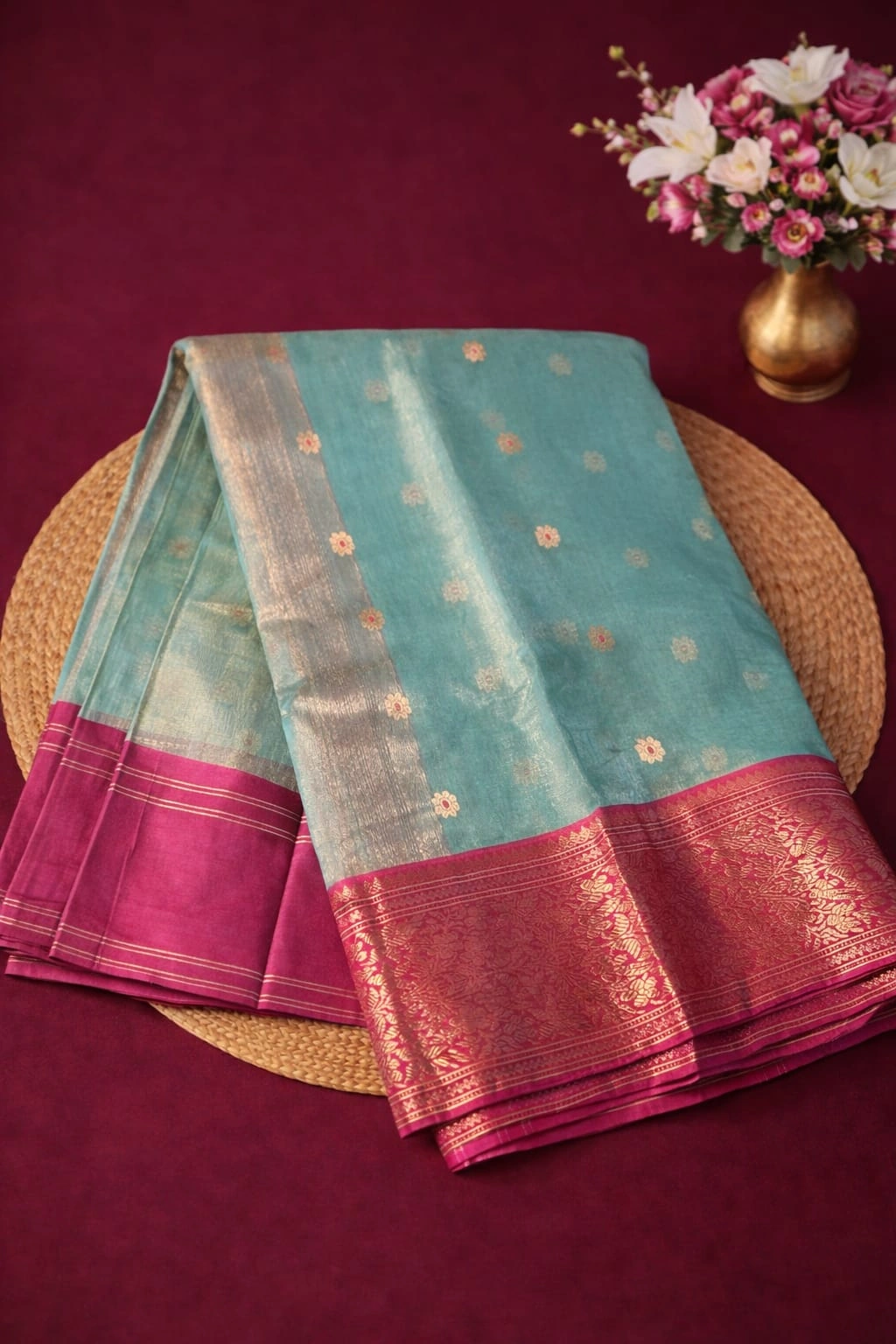
The Pure Chanderi Pattu Silk Saree from Swathi Design, for example, is handwoven by artisans using techniques passed down through centuries in Madhya Pradesh. Such pieces deserve mindful preservation, not just for their monetary value, but because they are living textiles—woven stories, crafted for celebration and remembrance.

What You’ll Need: Heirloom Saree Preservation Essentials
- Clean, dry, flat surface for folding
- Acid-free, unbuffered tissue paper (archival quality)
- Muslin cloth or saree bags (unbleached, undyed cotton)
- White cotton gloves (optional, to avoid skin oils)
- Silica gel packets or neem leaves (for moisture & pest prevention)
- Label or diary for dates of refolding/checks
Step 1: Cleaning for Longevity
Should you dry-clean a wedding saree before storing it long-term?
Yes, always clean a wedding saree before long-term storage. Stains from sweat, perfume, or food attract insects and can cause discoloration over time. For silk sarees—especially those with zari—choose a reputable dry-cleaner who specializes in handloom textiles. Avoid at-home washing for pattu or heavily embroidered sarees, as water and detergents can weaken silk fibers and tarnish zari. Remove any pins, brooches, or embellishments before sending to the cleaner. Allow the saree to air out completely, away from sunlight, before folding and storing. This step is crucial for preserving both color and fabric strength for the next generation.
For suits like the Luxury Mul Chanderi Silk Beige Suit, gentle hand washing is usually safe unless the label specifies otherwise. Always spot-test an inconspicuous area if unsure.
Step 2: Choosing the Right Storage Materials
Plastic bags and colored tissue paper can trap moisture or leach chemicals into silk over time. Instead, use acid-free, unbuffered tissue paper to interleave every fold. This helps prevent color transfer, friction, and creasing. Wrap the entire saree or suit in a soft muslin cloth, which allows the fabric to breathe and absorbs excess moisture. Avoid colored, perfumed, or synthetic storage materials, as they can stain or weaken silk. Place silica gel packets or a few dried neem leaves in the storage bag to deter silverfish and mildew—never in direct contact with the textile.
Step 3: Folding and Refolding the Right Way
Why do sarees tear along the fold lines?
Sarees tear along fold lines because repeated folding in the same place weakens silk fibers and zari. Over years, the sharp crease acts as a stress point, especially in dry or humid storage conditions, eventually causing splits. Silk and zari are both sensitive to light, pressure, and moisture—making careful folding and regular refolding essential for heirloom preservation.
To fold a wedding saree for long-term storage:
- Spread the clean, dry saree on a flat surface.
- Place acid-free tissue paper along the length before the first fold.
- Repeat with tissue at each subsequent fold, avoiding sharp creases.
- Fold loosely, never compressing tightly—let the saree take up more space than a new retail fold.
- Wrap the folded saree in muslin cloth or an archival saree bag.
For Chanderi or pattu silk, avoid direct contact between zari and other fabric layers. If your saree has a heavy pallu or border, add extra tissue to cushion these areas.
Step 4: Storing for Generational Longevity
Store your heirloom saree in a cool, dry, dark place—never in the attic, basement, or near exterior walls where temperature and humidity fluctuate. Use a breathable, unbleached cotton saree bag. Avoid wooden or metal trunks that aren’t lined with muslin, as chemicals from the wood or rust can stain silk. Never hang a heavy saree for long periods; this can distort the weave and stretch the pallu.
For multi-piece ensembles like the Mul Chanderi Silk Wedding Suit with Pastel Dupatta, store each item separately with tissue and muslin to prevent color transfer and friction between fabrics.

Step 5: Periodic Refolding to Prevent Fold-Line Tears
How often should you refold a stored heirloom saree?
Ideally, refold a stored heirloom wedding saree every 3 to 6 months. Rotate the direction of folds each time, introducing new lines to distribute stress. This prevents permanent creasing and reduces the risk of fold-line weakening or tearing—a common issue with vintage silks. Make a note of the last refold date with a tag or diary. During each check, inspect for signs of silverfish, mold, or color change. Air the saree for a few hours in indirect sunlight before refolding and storing again.
How to Care for an Heirloom Wedding Saree: Quick Reference List
- Clean before storage (preferably dry-clean for silk/zari)
- Use acid-free, unbuffered tissue between folds
- Encase in unbleached muslin or archival saree bag
- Store flat, in a cool, dry, dark location
- Refold along new lines every 3–6 months
- Check for pests, moisture, and color loss during refolding
How do you preserve a wedding saree for the next generation?
To preserve a wedding saree for the next generation, clean it thoroughly, fold it with acid-free tissue, wrap in muslin, and store in a cool, dry, dark place. Refold the saree along new lines every 3 to 6 months, inspect for pests, and avoid direct sunlight. Proper care protects silk and zari from damage, ensuring generational longevity.
What is an Authentic Chanderi Pattu Silk Saree?
An authentic Chanderi pattu silk saree is a handwoven textile, typically crafted in Chanderi, Madhya Pradesh, using fine mulberry silk warp and cotton weft, sometimes with zari (gold or silver threads). The hallmark is its translucent texture, light weight, and intricate traditional motifs like peacocks and geometric patterns. Genuine Chanderi sarees feel crisp, drape gracefully, and shimmer subtly.
Authenticity Tests for Heirloom Silks
When preserving a saree for decades, confirming authenticity is key:
- Handloom Test: Examine the reverse side for irregularities; handwoven sarees show slight variations in motif alignment and thread tension.
- Zari Burn Test: Real zari, made from silver or gold-plated thread, leaves a black ash and metallic smell when burnt; art silk melts and smells like plastic (test only a loose thread, away from the saree if possible).
- Label/Origin: Chanderi sarees with GI tags or certifications from the Chanderi Weavers’ Cooperative are more likely to be authentic.
For more on this, see our Handloom vs Powerloom Saree: Authenticity Tests, Price & Durability Guide.
Care Tips for Wedding Suits and Sarees: What’s Different?
| Item | Pre-Storage Cleaning | Folding Material | Storage Frequency |
|---|---|---|---|
| Silk Saree | Dry-clean only | Acid-free tissue + muslin | Refold every 3–6 months |
| Chanderi Suit | Gentle hand wash/dry-clean | Tissue between layers, muslin wrap | Refold every 6 months |
For delicate Chanderi suits like the Mul Chanderi Silk Wedding Suit with Pastel Dupatta, store dupatta, kurta, and bottom separately to avoid color transfer and friction.
Frequently Asked Questions: Heirloom Saree Preservation
Why choose acid-free tissue for saree storage?
Acid-free, unbuffered tissue prevents chemical reactions that yellow or weaken silk over time. Buffered tissue, while acid-free, can still alter silk’s pH, so always opt for unbuffered for heirloom preservation. This is especially important for sarees with metallic zari, which can corrode if exposed to acids.
What to Avoid When Storing Wedding Silks
- Plastic or zip-lock bags (trap moisture, encourage mildew)
- Colored tissue or paper (dyes can transfer to silk)
- Mothballs (leave residue and strong odor, can damage zari)
- Direct sunlight or heat (fades color, weakens fibers)
- Long-term hanging (distorts weave, especially in heavy sarees)
How to Pass Down Your Heirloom Saree
When gifting a preserved bridal saree, include a note on its origin, care history, and any special stories or rituals associated with it. Consider documenting the saree’s provenance with photos or a brief family record. This personal touch transforms a textile into a legacy piece, cherished for generations.
Styling an Heirloom Wedding Saree for Modern Occasions
An heirloom saree’s beauty lies in its versatility. Pair a classic Chanderi or pattu silk with a contemporary blouse or minimalist jewelry for a fresh look at an American reception or Diwali gathering. For a traditional feel, opt for gold jhumkas, a sleek bun, and embroidered juttis. Swathi Design’s Pure Chanderi Pattu Silk Saree works equally well styled with heirloom jewelry as with modern clutches and stilettos. For more styling inspiration, browse our Sarees and Dresses collections.
Shop the Collection
Ready to build your own legacy? Explore Swathi Design’s curated range of handwoven sarees and wedding suits, sourced directly from artisan weavers across India. Browse our full collection for heirloom-worthy pieces that combine authentic craftsmanship with modern sophistication.
Conclusion: How to Care for an Heirloom Wedding Saree
Caring for an heirloom wedding saree is not simply about storage—it’s an act of respect for the artistry and tradition woven into every thread. Clean before storing, use acid-free tissue, wrap in muslin, and refold regularly along new lines. These steps guard against fold-line weakening, color loss, and pest damage, preserving your bridal silk’s beauty for future generations. For more on authentic weaves and preservation, see our blog on Chanderi vs Maheshwari: How to Identify Madhya Pradesh’s Signature Handlooms. Each care step extends your saree’s life, turning it into a legacy to be celebrated, worn, and remembered.
Featured in this guide
Part of the Handwoven Silks: Chanderi, Tussar & Raw Mango guide collection.
Related guides
- Elevate Every Occasion: Handcrafted Indian Gowns & Frocks for Modern Celebrations in the USA
- Elevate Every Occasion: Pure Chanderi Pattu Silk Sarees for Indian-Americans in the USA
- Exquisite Russian Crape Silk Saree: Timeless Elegance for Every Occasion
- Luxurious Pure Russian Crape Saree: Timeless Elegance for Every Occasion
- Elevate Your Festive Wardrobe with Exquisite Handwoven Chanderi Sarees and Anarkali Dresses