What Is Real Zari? Guide to Reading Silk Saree Metallics
Explore the difference between real, tested, and imitation zari in silk sarees for 2026. Learn how to identify authentic gold and silver zari, care for your Chanderi and Kanchipuram sarees, and shop Swathi Design’s latest handwoven picks. Updated with new product info, expert tips, and answers to the most-searched questions, including the copper-silver-gold sources behind tested zari.
What is Real Zari in a Silk Saree?
Real zari refers to metallic thread traditionally crafted by winding pure silver (occasionally gold) strips around a silk core. This luxurious thread is used to embellish Indian silk sarees with shimmering, intricate motifs. Unlike tested zari or imitation kasab, real zari incorporates precious metals and is made using time-honored artisan techniques, making it highly sought after by connoisseurs of Indian handloom. Learn how artisans weave real zari into Kanjivaram sarees.
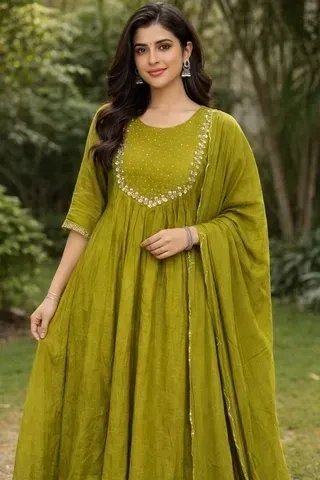
Origin of Zari: The History and Heart of Metallic Weaving
Zari weaving has been an integral part of Indian textiles for centuries, flourishing in regions like Kanchipuram (Tamil Nadu), Varanasi (Uttar Pradesh), and Surat (Gujarat). The term “zari” is derived from the Persian ‘zar’ meaning gold. Historically, only royal and temple textiles featured real gold zari, woven on pit looms by hereditary craftsmen. Today, Varanasi and Surat remain renowned for producing the finest quality zari, often for sarees with Geographical Indication (GI) tags that guarantee authenticity. For more on saree traditions, see our Half Saree Guide.
How is Zari Made?
The traditional process starts with a core of mulberry silk. Artisans draw out pure silver into ultra-fine wires, flatten them, and wrap them around the silk. For gold zari, the silver thread is dipped or electroplated in gold. This results in “pure zari,” which is supple, tarnish-resistant, and luminous. In contrast, “tested zari” (sometimes called “half-fine” zari) uses copper as the core, coated with a thin layer of silver and sometimes gold. This copper-silver-gold source combination provides a similar look at a lower cost. “Imitation zari” (or kasab) uses synthetic fibers or metallic-colored plastic, lacking the weight and longevity of real or tested zari. Each type varies in luster, weight, and durability. For details on how much to budget for real zari sarees, read our bridal saree budget guide.
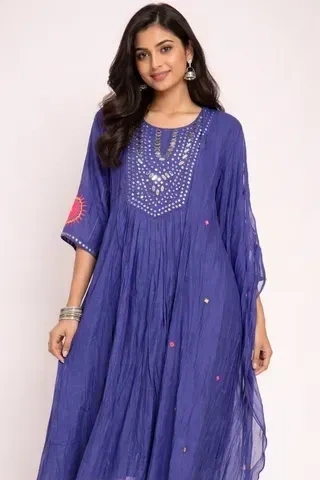
Types of Zari: Pure, Tested, and Imitation Compared
| Type | Core Material | Metal Content | Typical Use |
|---|---|---|---|
| Real (Pure) Zari | Silk | Silver, Gold plating | Luxury sarees, heirloom pieces |
| Tested Zari | Copper | Silver/gold wash | Mid-range sarees, festive wear |
| Imitation Zari (Kasab) | Rayon, Polyester | Metallic color only | Budget sarees, costume wear |
Tested Zari Copper Silver Gold Source: Tested zari is made by wrapping a copper wire with a thin layer of silver, and sometimes gold, creating a metallic sheen that closely resembles pure zari at a fraction of the price. This copper-silver-gold source combination is widely used in festive and mid-range sarees. For those seeking a balance of tradition and affordability, tested zari is a popular choice in 2026.
What is Real Zari Thread?
Real zari thread is a fine filament, meticulously hand-wrapped with pure silver (occasionally gold-plated) around a silk core. This process produces a flexible, non-flaking metallic thread that develops a beautiful patina over time. Unlike imitation threads, real zari feels soft, never harsh, and does not turn green or black with age.
How to Spot Authentic Zari in Your Saree or Suit
- Touch and Flexibility: Real zari is soft and pliant. Imitation or tested zari with synthetic cores feels stiffer and may break or crinkle when sharply bent.
- Patina Test: Over years, real zari develops an antique, mellow sheen. Imitation threads may blacken or develop green patches due to oxidized copper or plastic.
- Burn Test (for professionals): Burning a tiny, hidden end of real zari leaves pure ash and smells like burning hair; synthetics melt and emit a chemical odor. Only attempt with expendable samples.
- Acid Test: Jewelers and expert weavers use a silver-nitrate solution to test for silver or gold content. This is not recommended for at-home use as it can damage fabric.
- Cost and Provenance: Real zari increases a saree’s price significantly. Look for GI tags from Kanchipuram, Varanasi, or Chanderi for a higher likelihood of pure zari.
Craft tip: Gently rub the zari thread on white paper—pure metallic zari leaves a faint dark mark, while plastic or synthetic kasab will not.
What is the Difference Between Real and Tested Zari?
The primary difference lies in the core material and precious metal content. Real zari uses a silk core wrapped in pure silver (sometimes gold-plated), resulting in superior durability, luster, and value. Tested zari, on the other hand, uses a copper core coated with a thin layer of silver and sometimes gold. This "tested zari copper silver gold source" construction makes it more affordable and widely available, but less long-lasting than pure zari. For a deeper dive into comfort and occasion, see Saree vs Salwar Kameez.
How to Care for Zari Sarees and Suits
- Dry Clean Only: Always dry clean real zari garments to preserve the metallic threads and prevent tarnishing.
- Fold with Cotton: Store sarees and suits with zari by interleaving with unbleached cotton or muslin to prevent snagging and oxidation.
- Avoid Direct Sunlight: Prolonged exposure to sunlight weakens silk and fades metallic shine.
- Minimal Handling: Excessive folding or ironing can break zari threads. Use a low-heat press with a cotton cloth barrier.
- No Perfume or Deodorant: Chemicals can corrode precious metal threads.
Care tip: If you must wash at home, use cold water and a mild, pH-neutral soap—never wring or rub the zari area. For more on saree care, see our workwear saree guide.
Criteria for Choosing: What to Look For in Zari Work
- Occasion: Reserve real zari for milestone events like weddings or anniversaries. For frequent festive wear, tested zari offers a good balance of cost and appearance.
- Budget: Under $100 (imitation zari), $100–300 (tested zari), $300+ (real zari, GI-tagged handloom).
- Region: Kanchipuram and Varanasi sarees are famous for pure zari; Chanderi sarees offer lighter, subtler metallics.
- Weave Density: Finer, denser motifs often indicate handwoven, higher-quality zari work.
- Seller Transparency: Reputable stores like Swathi Design source directly from artisan weavers and provide clear product details.
Product Picks: Chanderi Silk Sarees & Suits with Zari Work
For Indian-American women who value heritage, comfort, and artistry, Chanderi mul silk remains a top pick in 2026. The Luxury Mul Chanderi Silk Beige Suit for Weddings & Festive Occasions ($45.00) features hand-embroidered motifs inspired by classical Indian design, finished with delicate metallic details. This three-piece set is light, breathable, and easy to care for—perfect for Diwali parties or intimate weddings. Pair with gold jewelry and embroidered juttis for a complete look.
The Mul Chanderi Silk Wedding Suit with Pastel Dupatta & Intricate Details ($48.00) is designed for all-day ceremonies, with intricate, shimmering weaving. The 2.5-meter pastel dupatta adds a modern, graceful touch. This suit’s tested zari work (copper-silver source) is both elegant and durable—ideal for receptions or cultural gatherings. Explore more Dresses from Swathi Design to find your perfect fit.
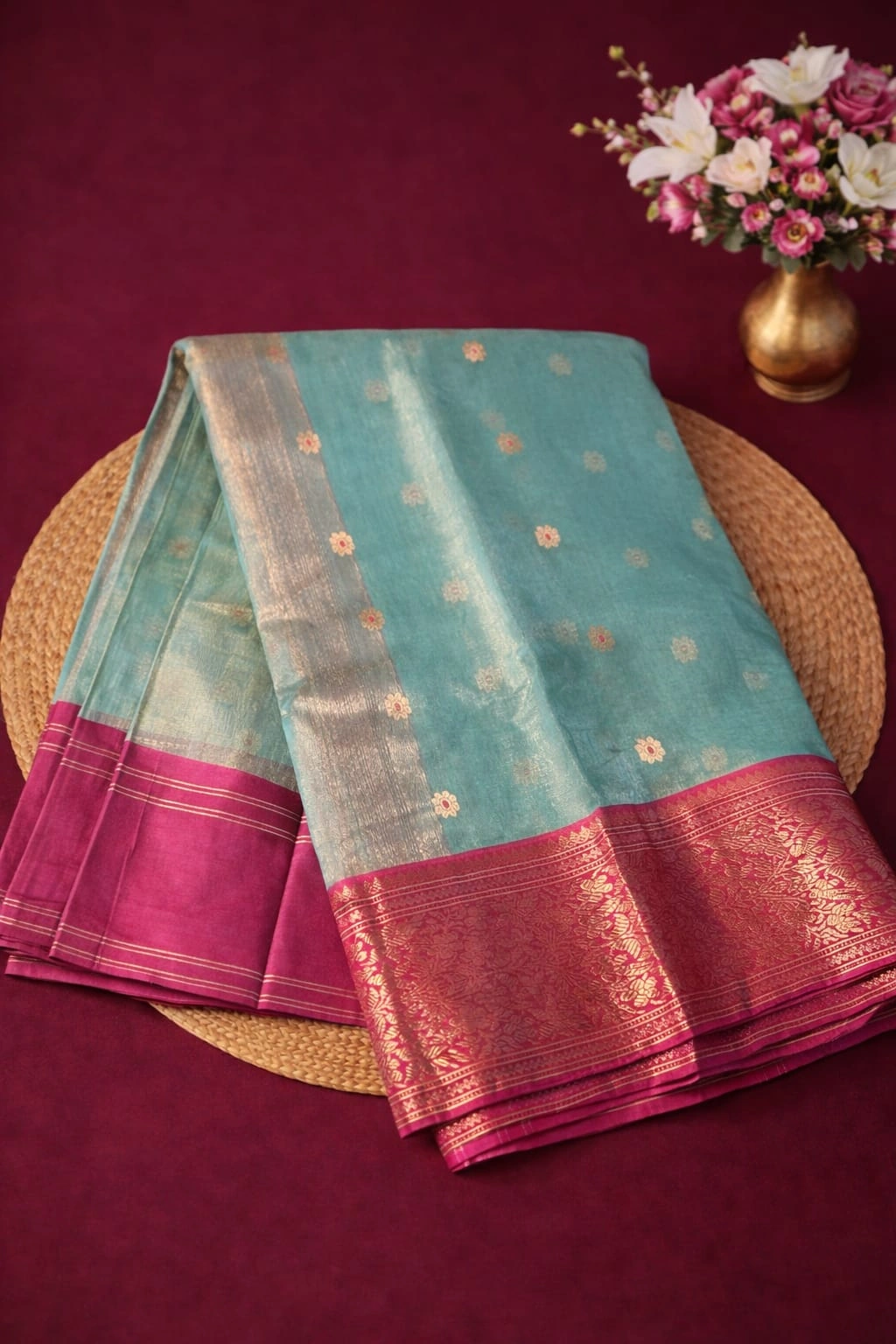
If you appreciate heirloom handloom, the Pure Chanderi Pattu Silk Saree (price confirmed on inquiry) stands apart. Handwoven in the Chanderi region of Madhya Pradesh, this saree features a sheer, lightweight body with intricate zari borders and pallu. Swathi Design sources directly from artisan weavers, ensuring authenticity and fair support for the craft community. For styling inspiration, see our Anarkali vs Indo-Western Gown guide.
How to Style a Chanderi Saree with Zari for Special Occasions?
To style a Chanderi silk saree with zari work for weddings or festivals, pair it with a classic gold blouse and traditional temple jewelry for a heritage look. For a modern update, opt for a minimalist blouse and geometric earrings. Always drape the pallu to showcase the metallic work, and finish with embroidered juttis or metallic sandals. A sleek low bun and dewy makeup will enhance the saree’s radiance. For more outfit ideas, visit our saree styling guide.
FAQ: Real Zari, Tested Zari & Imitation Explained (2026)
What is the difference between real and tested zari?
Real zari is made by wrapping pure silver (sometimes gold-plated) around a silk thread, resulting in a durable, precious metallic yarn. Tested zari uses a copper core covered with a thin layer of silver and sometimes gold (the "tested zari copper silver gold source"), making it more affordable and widely available, but less valuable and durable than real zari. Tested zari is commonly found in festive and mid-range sarees in 2026.
Is the zari in sarees actual gold?
Pure zari may use real gold plating over silver, but most commercial sarees in 2026 use tested or imitation zari, which contain only a thin layer of gold or none at all. Only luxury and GI-tagged sarees are likely to have significant gold or silver content in their zari work. For more on saree value and investment, read our bridal saree budget guide.
How do you test if zari is genuine?
Genuine zari can be identified by its softness, flexibility, and ability to leave a faint dark mark when rubbed on white paper. Professionals may use a burn test or a silver-nitrate acid test to confirm silver or gold content. However, these tests can damage fabric and should only be performed by experts. At home, always check for GI tags and buy from reputable sources.
Why does pure zari cost more?
Pure zari is more expensive because it contains precious metals (silver, sometimes gold) and is made using skilled artisan labor. Its durability, shine, and ability to develop a beautiful patina make it highly valued for heirloom sarees. Investing in real zari supports traditional craftsmanship and ensures your saree appreciates in cultural and material value over time.
What is the source of tested zari's copper, silver, and gold content?
Tested zari is manufactured by wrapping a copper wire with a thin layer of silver, and occasionally gold, sourced from certified metal suppliers in India. Surat and Varanasi are leading centers for tested zari production, ensuring quality and authenticity. This combination of copper, silver, and gold source materials delivers a metallic look similar to pure zari at a more accessible price point.
Why Choose Real Zari in Your Silk Saree or Suit?
Real zari offers unmatched durability, value, and cultural significance due to its genuine precious metal content and traditional techniques. For Indian-American women, investing in real zari is a way to honor heritage, support artisan communities, and own a garment that grows more beautiful with every celebration. Discover more about the artistry behind real zari sarees.
Shop the Collection
Experience the beauty of real and tested zari in authentic Indian sarees and suits—browse our full collection at Swathi Design. Our curated picks for weddings, festivals, and cherished family moments are sourced directly from Indian artisan weavers, with transparent pricing and dedicated US-based support.
Featured in this guide
Part of the Handwoven Silks: Chanderi, Tussar & Raw Mango guide collection.
Related guides
- Elevate Every Occasion: Handcrafted Indian Gowns & Frocks for Modern Celebrations in the USA
- Elevate Every Occasion: Pure Chanderi Pattu Silk Sarees for Indian-Americans in the USA
- Exquisite Russian Crape Silk Saree: Timeless Elegance for Every Occasion
- Luxurious Pure Russian Crape Saree: Timeless Elegance for Every Occasion
- Elevate Your Festive Wardrobe with Exquisite Handwoven Chanderi Sarees and Anarkali Dresses