When to Order for US Indian Wedding Season
Month-by-month saree shopping timeline for the US Indian wedding season—avoid rush fees, snag your favorite Kanchipuram silk, and ensure every guest look is ready in time. Practical, specific planning tips for Mehendi, Sangeet, Reception, and beyond.
US Indian Wedding Season: The Timeline, Simplified
The US Indian wedding season typically stretches from late April through September, peaking in May, June, and August. If you want your dream saree (especially handwoven Kanchipuram silk) for any Mehendi, Sangeet, or Reception, plan ahead: stock moves quickly, and lead times matter. Here’s your practical, step-by-step guide to shopping with confidence for every event—no last-minute panic, no compromise on tradition or style.
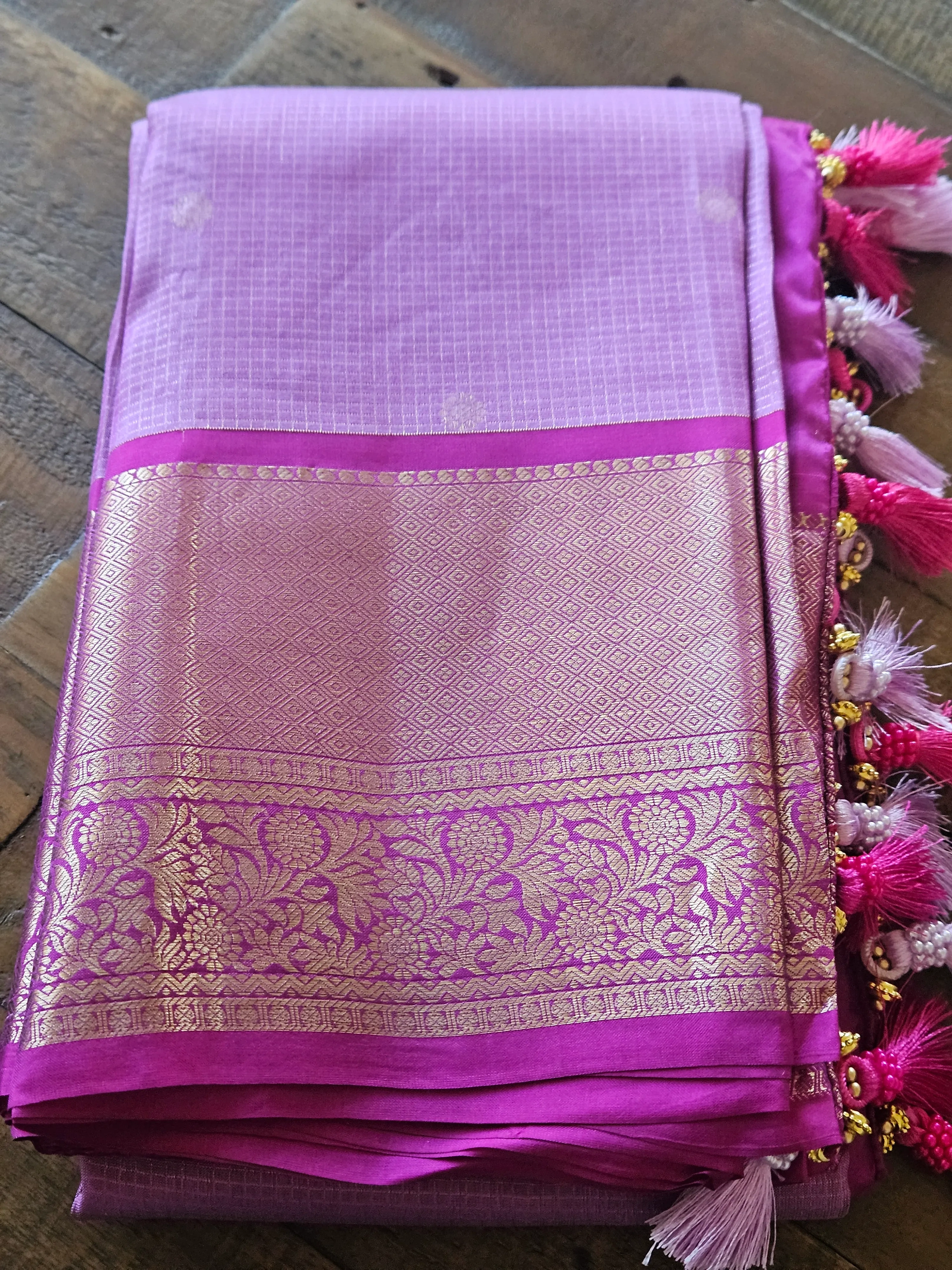
What You’ll Need: Before You Start Saree Shopping
- Confirmed event dates and venues (Mehendi, Sangeet, Reception, Puja, etc.)
- Guest or family role (Are you a close cousin, friend, or the sister-of-the-bride?)
- Budget range for each look (Kanchipuram silk sarees at Swathi Design: $245–$265)
- Preferred color palettes (coordinate with event décor or family outfits)
- Time zone for delivery (West Coast, Midwest, East Coast—shipping times vary)
- Measurements for custom tailoring (if ordering a blouse or fall-stitching)
- Backup option in case of unexpected shipping delay
Step 1: Know Your US Indian Wedding Season Months
In the United States, the Indian wedding season aligns with school vacations and long weekends. Most family weddings, sangeets, and major pujas cluster between late April and early September, with smaller peaks around Thanksgiving and New Year’s for winter nuptials. For largest guest counts and most elaborate celebrations, May, June, and August are peak demand months—expect popular sarees and accessories to sell out by late winter.
| Month | Event Volume | Stock Availability |
|---|---|---|
| April | Moderate | High |
| May-June | High (Peak) | Medium |
| July | Medium | Low-Medium |
| August | High | Low |
| September | Moderate | Low |
Step 2: Plan Your Lead Time—Order Early, Avoid Rush Shipping
- For peak US Indian wedding season (May-August): order at least 6-8 weeks ahead for best selection and stress-free delivery.
- For off-peak or smaller gatherings: 4-5 weeks may suffice, but customizations still need buffer room.
- If you want blouse tailoring or fall-stitching, add 1-2 weeks to your timeline.
- Swathi Design offers WhatsApp styling help—use it early for color or accessory questions.
- Check the Sarees category early for new arrivals and restocks.
List: How to Avoid Last-Minute Rush Shipping Fees
- Shop for your main saree 2 months before your event date
- Confirm your blouse measurements and submit them with your order
- Order accessories (jewelry, petticoat) at the same time
- Choose flat-rate US shipping and track your package
- Allow a 1-week buffer for unexpected delays
Step 3: Match Your Saree to the Occasion—Guest Looks for Every Event
You’ve got three major events on the horizon: Mehendi, Sangeet, and Reception. Here’s how to select and style your Kanchipuram silk saree for each, keeping comfort, tradition, and practicality in mind:
Mehendi: Playful Elegance with a Comfort Focus
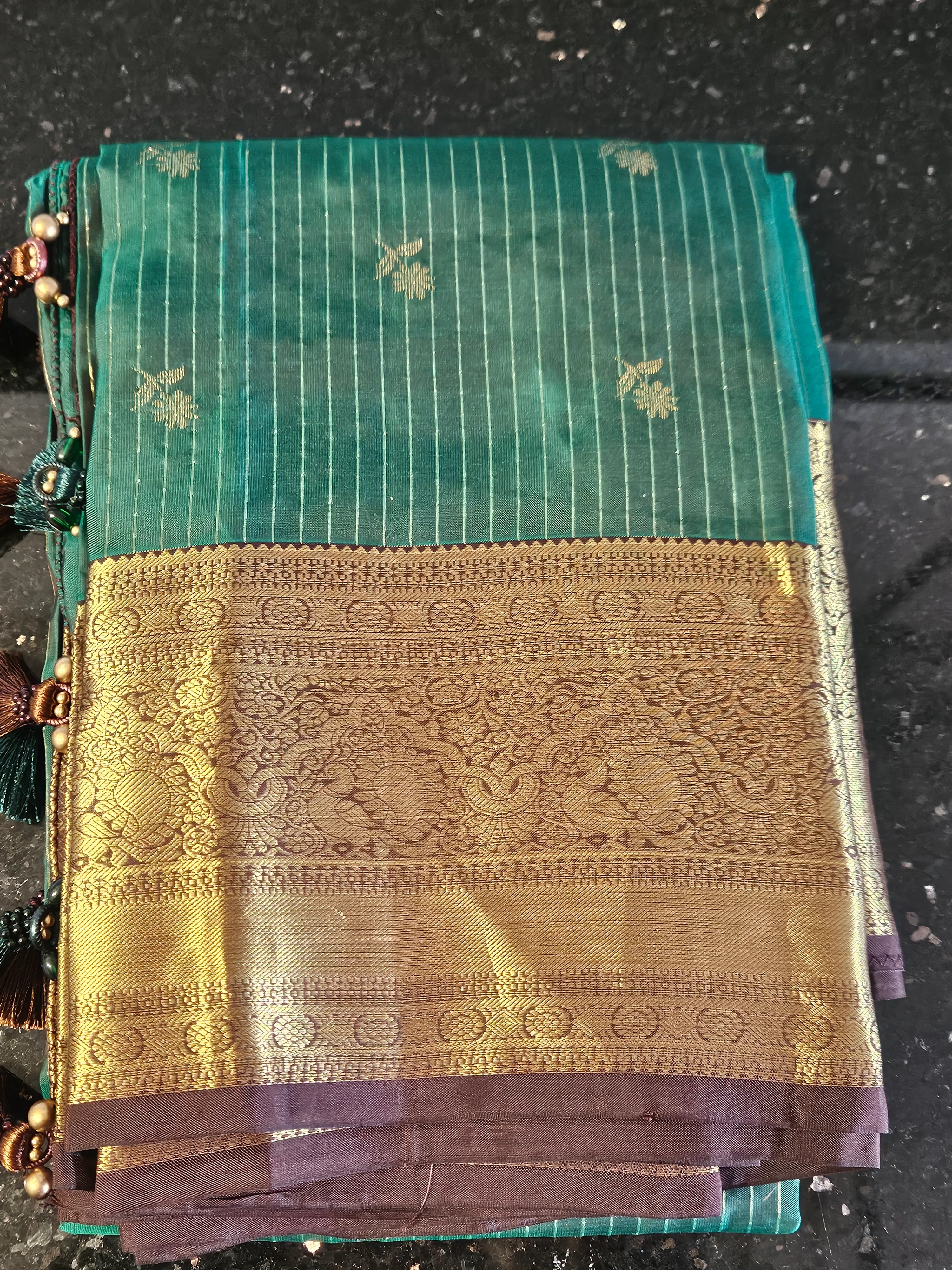
For Mehendi afternoons (often outdoors, with henna and snacks), choose a lighter-hued Kanchipuram silk—think mango yellow, mint green, or rose pink—and minimal jewelry for easy movement. The Luxurious Pure Kanchipuram Silk Saree with Intricate Zari ($245) is a guest favorite: jewel-toned, handwoven, and soft enough for all-day wear. Don’t risk staining by wearing your most ornate heirloom; opt for medium zari work that still photographs beautifully.
- Do: Add a statement bangle or floral earrings
- Don’t: Wear heavy necklaces or long trailing pallus (they catch in henna!)
- Tip: Pin your pallu for hands-free comfort during mehendi application
Sangeet: Shine in Traditional Glamour
Evening sangeets are your moment for bold color and maximalist style. The Handwoven Pure Kanchipuram Silk Saree with Intricate Zari for Weddings ($250) features vibrant hues and intricate zari, perfectly suited to the festive dance floor. Pair with gold jewelry, a low bun, and block heels for drama and all-night comfort.
- Do: Choose sarees with sturdy borders (they drape better for dancing)
- Don’t: Over-accessorize; let the saree’s zari work be the star
- Tip: Use fashion tape to secure pleats—no tripping during performances
Want more outfit planning advice? Read our post on building an ethnic capsule wardrobe for a full US event calendar.
Reception: Regal, Timeless, Photogenic
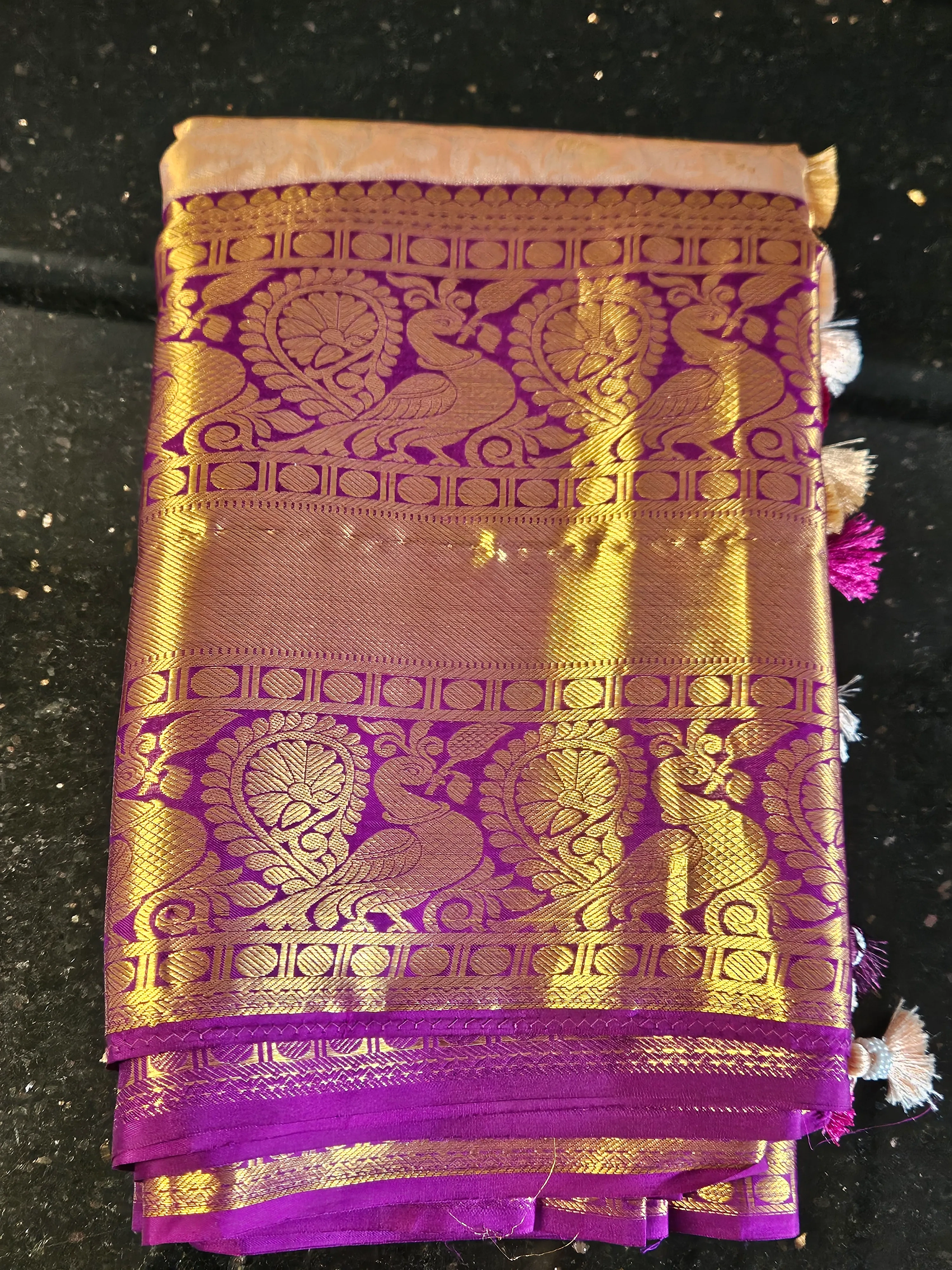
For the main reception or muhurtham, showcase your finest silk. The Handcrafted Pure Kanchipuram Silk Wedding Saree with Zari ($265) is a showstopper—rich, ornate, and heirloom-worthy. Pair with traditional gold or diamond jewelry, a structured blouse, and a classic updo. This is your investment piece: stunning in photos and comfortable for hours of mingling.
- Do: Opt for neutral or bold lipstick to complement the saree’s palette
- Don’t: Skip the petticoat—ensure it’s a perfect shade match
- Tip: Store the saree in a breathable muslin cloth after the event to preserve its beauty
Compare your options in our guide to handloom saree value and longevity.
How to Style a Kanchipuram Saree for a Wedding?
To style a Kanchipuram saree for a wedding, select a color that complements the occasion, pair with gold or gemstone jewelry, and opt for a tailored blouse. Kanchipuram silk sarees, woven in Tamil Nadu for centuries, are renowned for their rich texture and intricate zari work. Accessorize thoughtfully and drape securely for all-day comfort.
- Choose bold or jewel tones for Sangeet or Reception
- Pair with traditional gold necklaces, bangles, and jhumkas
- Use a structured blouse for a sharp silhouette
- Secure pleats and pallu with discreet pins
- Coordinate petticoat color for a seamless look
- Carry a statement clutch for essentials
Step 4: When to Buy Your Saree—Avoiding Peak Stock Crunch
For the US Indian wedding season, January through March is prime shopping time for spring and summer events. By April, top Kanchipuram silks and popular colors (maroon, royal blue, gold) start moving quickly. If you wait until May or June, expect limited choices and possible rush fees.
- January–March: Best selection, fresh stock, ample time for tailoring
- April: Good selection, but act quickly
- May–August: Limited stock, higher risk of rush shipping
- September: Last-call for late-summer or fall weddings
Don’t forget to check the full Swathi Design saree collection early in the season.
FAQs: US Indian Wedding Season Saree Shopping
When is Indian wedding season in the US?
The US Indian wedding season typically runs from late April to early September, with additional peaks around major holidays. May, June, and August are the busiest months, driven by school breaks, long weekends, and favorable weather for large gatherings.
How many weeks ahead should I order?
Order your saree at least 6-8 weeks before your event during peak season (May–August). For off-peak months, 4-5 weeks may be enough, but custom tailoring or high-demand styles still require extra buffer time.
When does stock get tight?
Stock for premium Kanchipuram silk sarees starts getting tight by late March for spring weddings, and by June for late-summer events. Plan to shop early for best selection, especially for popular colors and artisan designs.
How late can I still order safely?
As a rule, order no later than 3-4 weeks before your event if you want standard shipping. After that, you risk limited stock and may have to pay for expedited delivery—avoid this by planning ahead!
Step 5: Before You Checkout—Key Saree Shopping Mistakes to Avoid
- Don’t assume all blouses are ready-to-wear—check measurements and tailoring timelines
- Never skip reading care instructions: Kanchipuram silks require dry cleaning only
- Photograph your saree (and unboxing!) within 48 hours for Swathi Design’s damage policy
- Ask about return/exchange rules for special events or last-minute orders
- Use the WhatsApp styling help for urgent advice—don’t guess on draping or accessories
Still unsure how to spot quality from online photos? See our visual guide to judging a saree from photos before buying.
Step 6: Caring for Your Saree and Honoring Its Heritage
Kanchipuram sarees have been handwoven in Tamil Nadu for over 400 years, traditionally by communities recognized for their craftsmanship and use of mulberry silk and pure zari. Store your saree in a muslin cloth, avoid direct sunlight, and dry clean after each event. These practices preserve the rich colors and intricate weaving for the next generation.
Shop the Collection
Ready to make your selections for US Indian wedding season? Explore our curated Kanchipuram silk sarees—guaranteed artisan quality, California-based shipping, and real styling support. Browse our full collection or discover:
- Handcrafted Pure Kanchipuram Silk Wedding Saree with Zari
- Luxurious Pure Kanchipuram Silk Saree with Intricate Zari for Weddings
- Handwoven Pure Kanchipuram Silk Saree with Intricate Zari for Weddings
Book a WhatsApp styling consultation, confirm your lead time, and walk into every event with confidence—your US Indian wedding season outfit plan starts here.
Featured in this guide
Part of the Kanjivaram & Banarasi Silk Sarees guide collection.
Related guides
- Timeless Elegance: Handwoven Chanderi & Banarasi Silk Sarees for Every Special Occasion
- Celebrate Timeless Elegance with Luxurious Raw Mango Silk and Banarasi Sarees
- Timeless Elegance Redefined: The Latest Handwoven Banarasi & Kanchipuram Sarees for Every Celebration
- Discover the Timeless Beauty of Banarasi and Mangalagiri Silk Sarees
- Timeless Elegance: Explore the Artistry of Pure Zari and Banarasi Tissue Sarees