Do Handloom Sarees Hold Their Value?
Curious about whether handloom sarees are a smart investment? Explore what truly retains value—zari quality, provenance, and condition—plus the realities of the US saree resale market. A precise, myth-busting guide for Indian-American buyers considering heirlooms, featuring expert care tips and authenticity checks.
Do Handloom Sarees Hold Their Value?
Handloom sarees can hold their value, but only when key factors—such as weave quality, grade of zari, provenance, and meticulous care—align. For Indian-American women investing in fine pieces, understanding these elements is essential before considering any saree an heirloom or a financial asset. This is not about hype, but craft, history, and real-world value in the US resale market.
Origin and Cultural Context
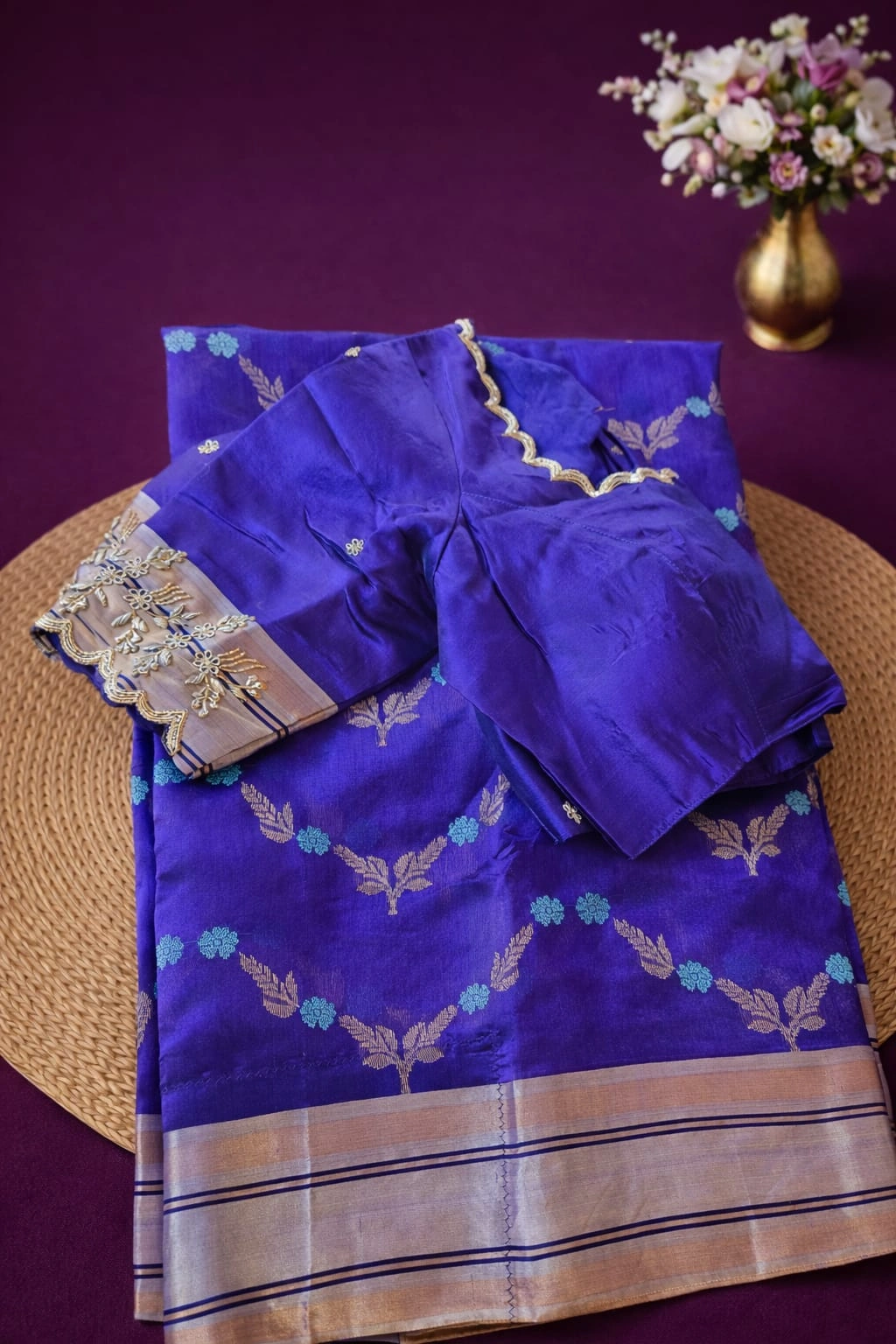
India’s handloom sarees represent centuries of textile artistry. Regions like Kanchipuram (for mulberry silk Kanjivarams), Varanasi (Banarasi silks), and Chanderi (sheer silk-cotton blends) are recognized for distinct weaving traditions. Each weave, from the pit looms of Varanasi to the airy handlooms of Chanderi, reflects specific regional identities and artisan techniques. For instance, Chanderi sarees have been woven in Madhya Pradesh for over 700 years, prized for their lightweight drape and subtle sheen. Banarasi sarees, carrying the geographical indication (GI) tag, denote authentic origin and craftsmanship from Uttar Pradesh’s Varanasi district.
How Handloom Sarees Are Made
Handloom sarees are woven on manually operated looms, usually by artisan families with generational expertise. The process involves:
- Warp and Weft Preparation: Yarns (silk, cotton, or blends) are arranged as warp (lengthwise) and weft (crosswise).
- Weaving: Artisans interlace the threads on pit looms or frame looms, often taking weeks for a single saree. The Pure Banarasi Raw Mango Handloom Saree is an example—each pattern is hand-inserted, not printed.
- Zari Work: Zari—metallic thread, historically pure silver or gold, now often silver-plated or tested alloys—is woven into motifs, borders, or pallus. The grade and content of zari directly affect both visual appeal and value retention.
These time-intensive methods distinguish handloom sarees from power-loom or machine-woven counterparts, which often lack the intricate detailing and unique irregularities prized by collectors.
What is an Authentic Handloom Saree?
An authentic handloom saree is a textile woven by hand, typically using locally sourced natural fibers and traditional techniques unique to its region of origin. These sarees exhibit minor irregularities—such as uneven selvedges or small thread knots—which are valued as hallmarks of handcraft. They often carry provenance documentation, GI tags, or artisan signatures.
How to Spot an Authentic Handloom Saree
- Look for Unevenness: Subtle variations in weave or pattern, especially along the reverse side, signal a handloom origin.
- Check for GI Tags: Regions like Banaras issue Geographical Indication tags for authentic handwoven Banarasis.
- Reverse Motif Test: On the pallu or borders, the design should be nearly as clear on the reverse—machine-woven sarees often have messy, loopy threads.
- Provenance: Swathi Design sources directly from artisan weavers, so ask for documentation or details on the region and artisan behind the piece.
Quick Authenticity Test: Lightly tug a loose thread along the reverse of a motif—if it is continuous with the weave and not just glued or printed, you are likely holding a true handloom saree.
Understanding Zari Grade and Value
Zari is metallic thread, traditionally made of pure silver (sometimes gold-plated) or, today, high-quality silver-coated copper. The grade of zari significantly impacts both the initial price and the saree’s ability to retain resale value. Pure zari (often called “real zari”) commands a premium, is heavier, and oxidizes with age, developing a warm patina. Imitation zari—typically plastic or low-grade alloys—has a brighter, colder shine but devalues over time, especially if it flakes or tarnishes.
The Pure Chanderi Pattu Silk Saree – Handwoven Golden Zari exemplifies authentic golden zari, woven meticulously by master weavers. For buyers, requesting details about the zari grade or asking for close-up images helps confirm authenticity—Swathi Design’s concierge is responsive to such requests.
Do Handloom Sarees Hold Their Value in the US?
Handloom sarees can retain value if they feature genuine craftsmanship, high-grade materials, and clear provenance, but resale depends on US demand and condition. While not a guaranteed investment, premium weaves—such as Banarasi or Chanderi silks with real zari—hold value better than mass-produced alternatives when cared for well and accompanied by documentation.
Key Factors That Affect Handloom Saree Value
- Weave Type & Provenance: Named weaves from recognized regions (e.g., Kanchipuram, Banaras, Chanderi) with GI tags or artisan proof are more valued.
- Zari Quality: Pure silver or gold zari retains resale value, while imitation zari does not.
- Condition: Pristine, unblemished sarees fetch higher prices; stains, tears, or color bleed reduce value sharply.
- Rarity of Design: Limited editions or discontinued patterns from respected ateliers or master weavers are prized.
- Documentation: Receipts, photos with original packaging, and provenance notes increase buyer confidence.
Budget Tiers and What to Expect
| Budget Tier | Common Weaves | Resale Potential |
|---|---|---|
| Under $100 | Power-loom, synthetic sarees | Low; rarely retain value |
| $100–300 | Handloom silks, Banarasi, Chanderi | Moderate; holds value if cared for |
| $300+ | Pure silk Kanjivarams, real zari Banarasis | High; best heirloom prospects |
For instance, the Luxurious Handwoven Pure Banarasi Tissue Saree (price confirmed on inquiry) and the Pure Chanderi Pattu Silk Saree (price confirmed on inquiry) are positioned firmly within investment-worthy territory for buyers prioritizing both wearability and future value.
Criteria for Choosing an Investment Handloom
- Material: Opt for pure silk, silk-cotton, or tissue blends with natural fibers.
- Weaving Technique: Handloom (not power-loom); visible, complex patterns like kadhua (Banaras) or pattu (Chanderi).
- Zari Grade: Ask for real zari details; heavier pallus and borders often hint at pure zari.
- Region: Kanchipuram, Banaras, Chanderi, Bhagalpur, or Patan (for Patola) are respected origins.
- Documentation: Keep all receipts, care cards, and provenance info.
- Care: Adhere to dry-cleaning and storage recommendations to maintain condition.
For special occasions, a Luxurious Pure Banarasi Raw Mango Handloom Saree not only delivers visual splendor but, with proper care, holds heirloom potential.
How to Care For and Store Handloom Sarees
- Dry Clean Only: Never machine wash. Dry cleaning preserves zari, color, and fabric integrity.
- Store Flat or Rolled: Avoid hanging heavy sarees long-term to prevent stretching. Fold along original creases or roll in muslin cloth.
- Avoid Sunlight: Store sarees in a cool, dark closet; sunlight fades dyes and weakens silk fibers.
- Refold Regularly: Every 3–4 months, refold along different creases to prevent tearing at stress points.
- Use Silica Gel: Place a small sachet in the storage box to prevent moisture and mildew.
Care Tip: If storing for a year or more, wrap the saree in pure cotton or unbleached muslin. Plastic traps moisture and can damage both silk and zari.
How to Style a Handloom Saree for Formal Occasions?
To style a handloom saree for formal occasions, select a classic blouse silhouette—such as a boat neck or elbow-length sleeve in contrasting silk—for balance. Pair with statement jewelry: antique gold for Banarasi, kundan or pearls for Chanderi. Keep accessories minimal if the saree has dense zari or bold motifs. Opt for a neat, low bun or soft waves, letting the pallu drape elegantly. For shoes, closed-toe heels or embroidered juttis work well. Carry a silk or brocade clutch to complete the look. This approach honors the saree's craft while ensuring a polished, modern appearance.
Is there a resale market for sarees in the US?
There is a small but growing saree resale market in the US, focused primarily on premium handloom and silk sarees. Most transactions occur via community groups, specialty consignment boutiques, or online platforms. Sarees with verifiable provenance, real zari, and excellent condition are most likely to attract buyers. However, mass-market or synthetic sarees rarely generate resale interest. The market is niche, so sellers should expect realistic—not windfall—returns.
Does zari grade affect resale?
Zari grade directly affects a saree’s resale value. Pure silver or gold zari is heavier, more lustrous, and develops a prized patina, making such sarees retain value and interest among collectors. Imitation or plastic zari, common in lower-priced sarees, tends to flake or tarnish and is less desirable in the resale market. Buyers should ask for details or test a small motif to confirm zari authenticity before purchase.
How much does condition matter?
Condition is critical in the saree resale market. Handloom sarees in mint or gently worn condition, free from stains, tears, or fading, command the highest resale prices. Visible wear, especially along the pallu, borders, or zari, reduces value significantly. Proper storage and periodic refolding help preserve condition for future resale or gifting.
Which sarees become heirlooms?
Sarees woven from pure silk or tissue with real zari, clear provenance, and unique design motifs—such as traditional Banarasi, Chanderi, or Kanjivaram weaves—are most likely to become family heirlooms. Pieces passed down with documentation and in excellent condition retain sentimental and, occasionally, financial value across generations.
Realities of the US Saree Resale Market
The US resale market for sarees is limited compared to India, with demand clustered in major metro areas and among Indian-American communities. Most buyers seek gently worn, well-documented handloom sarees from respected regions. Expect to recover 40–60% of the original price for premium sarees in excellent condition; mass-market or synthetic sarees have little to no resale value. Documentation, provenance, and visible care are your best assets here.
Product Recommendations: Best Handloom Sarees for Value Retention
- Pure Chanderi Pattu Silk Saree – Handwoven Golden Zari (price confirmed on inquiry): Authentic Chanderi silk, handwoven with golden zari, versatile for weddings or intimate gatherings. Lightweight yet opulent, a strong candidate for heirloom gifting.
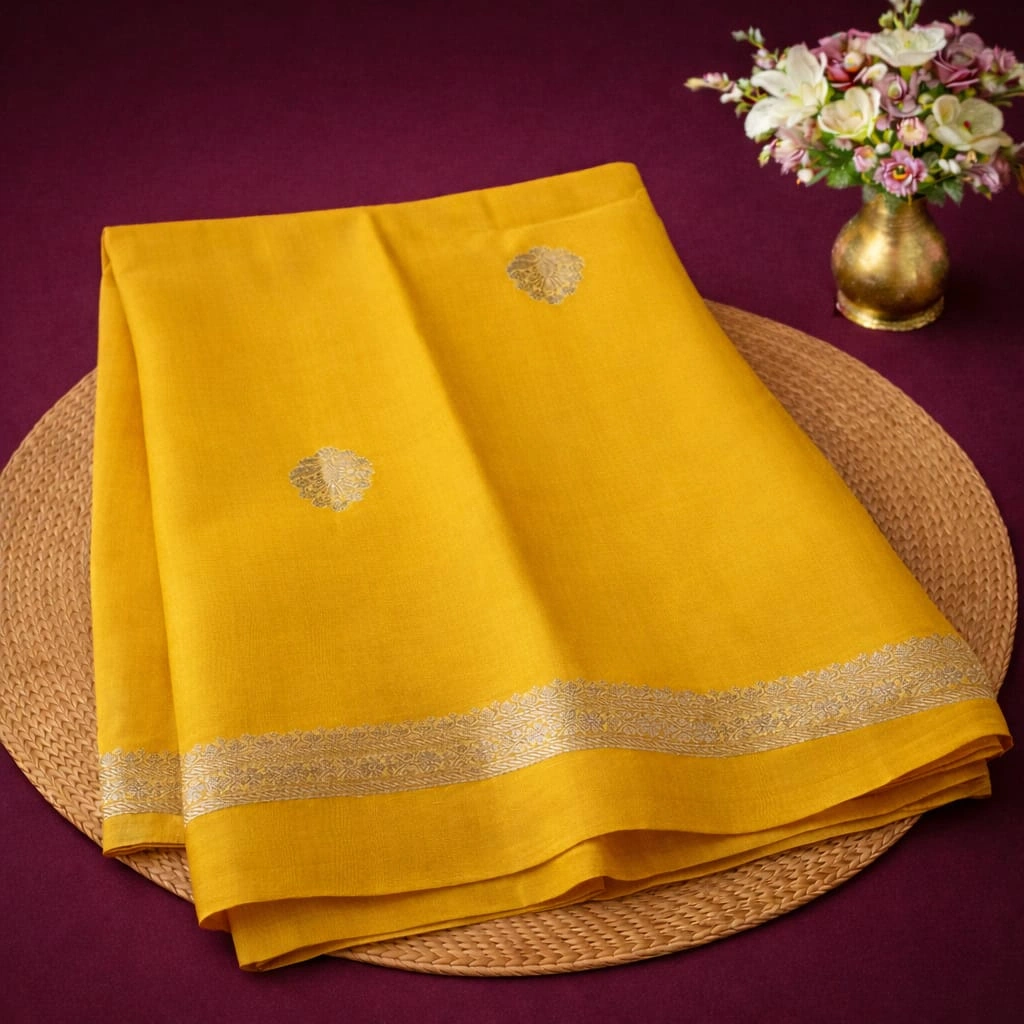
- Luxurious Pure Banarasi Raw Mango Handloom Saree (price confirmed on inquiry): Banarasi handloom silk with vibrant shades and intricate patterns, a perennial favorite for festive occasions and potential resale if well maintained.
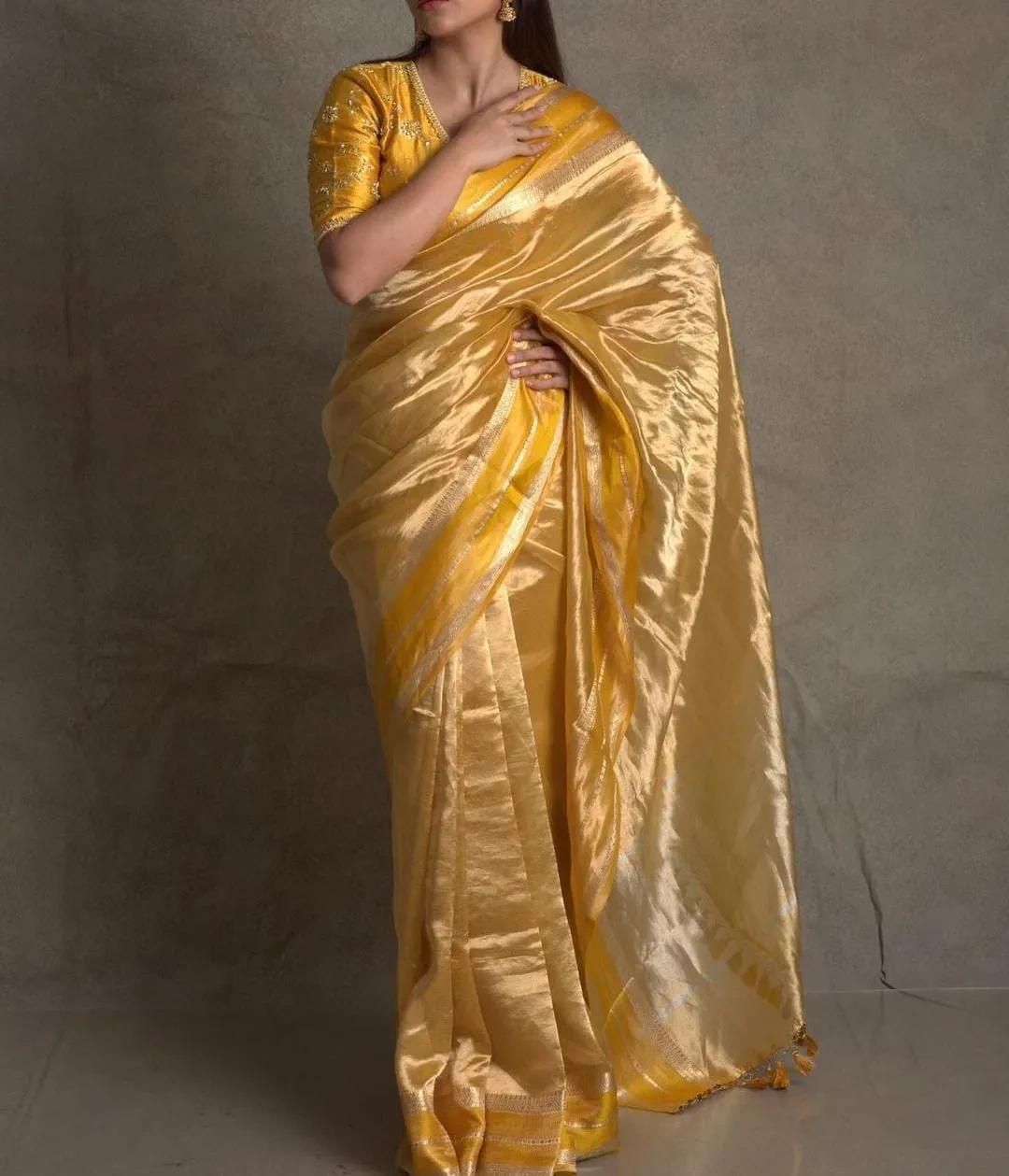
- Luxurious Handwoven Pure Banarasi Tissue Saree with Zari Detailing ($195): Lightweight tissue with gold and silver zari, reflecting both comfort and tradition. Proper care ensures lasting value.
Browse more options in the Sarees category for a range of budgets and occasions.
Additional Resources
- For summer events, see Chanderi or Muslin for a Summer Wedding?
- For budget planning, read Wedding Trousseau Checklist, Built Around a Budget
Shop the Collection
If you value craft, history, and future heirloom potential in your ethnic wardrobe, explore Swathi Design’s curated selection of artisan sarees. Browse our full collection and connect with our team for guidance on sourcing, documentation, and care.
Priya Menon, Textile & Handloom Specialist
Featured in this guide
Part of the Handwoven Silks: Chanderi, Tussar & Raw Mango guide collection.
Related guides
- Elevate Every Occasion: Handcrafted Indian Gowns & Frocks for Modern Celebrations in the USA
- Elevate Every Occasion: Pure Chanderi Pattu Silk Sarees for Indian-Americans in the USA
- Exquisite Russian Crape Silk Saree: Timeless Elegance for Every Occasion
- Luxurious Pure Russian Crape Saree: Timeless Elegance for Every Occasion
- Elevate Your Festive Wardrobe with Exquisite Handwoven Chanderi Sarees and Anarkali Dresses