How to Judge a Saree From Photos Before Buying
Buying a saree online can feel daunting—especially when you’re relying on photos. This guide breaks down how to judge a saree from listing images, what good photos reveal (and what they hide), and the must-ask questions for sellers. Shop confidently with tips tailored for US-based Indian-American buyers.
How to Judge a Saree From Photos Before Buying
If you’re shopping for a saree online and wondering how to judge a saree from photos, you’re not alone. With the right approach, you can confidently buy exquisite Indian handloom sarees—like the Pure Chanderi Pattu Silk Saree or Luxurious Handwoven Pure Banarasi Tissue Saree with Zari Detailing—without ever stepping into a store. Below, I’ll guide you through practical, step-by-step strategies for analyzing saree photos, knowing what to request, and avoiding common mistakes as a guest, not just a bride.
Before You Start: What You’ll Need
- A stable internet connection and a screen with good color accuracy (avoid buying on a phone if you can—laptop or desktop screens usually show colors more reliably).
- Patience to zoom in, compare images, and ask the seller questions.
- Knowledge of the fabric and weave you’re seeking (Chanderi, Banarasi tissue, Kanjivaram, etc.).
- A shortlist of upcoming occasions—mehendi, sangeet, wedding, reception—so you know what level of opulence and comfort you need.
Step 1: Read the Listing Carefully
Start with the basics: check if the listing mentions key details—fiber content (pure silk, blended, tissue), weave technique (handloom, powerloom), origin (e.g., Chanderi, Varanasi), and care instructions. Handwoven sarees, such as those from Chanderi or Banaras, are prized for their craftsmanship, so the listing should reference artisans or regional heritage. If the fabric isn’t specified, ask! For example, Swathi Design’s Pure Chanderi Pattu Silk Saree clearly states it’s handwoven Chanderi silk with golden zari—reassuring for anyone seeking an heirloom-quality piece.
Step 2: Analyze the Main Photo—Flat Lay vs. Drape Shot
The main photo is your first impression. Here’s how to read it:
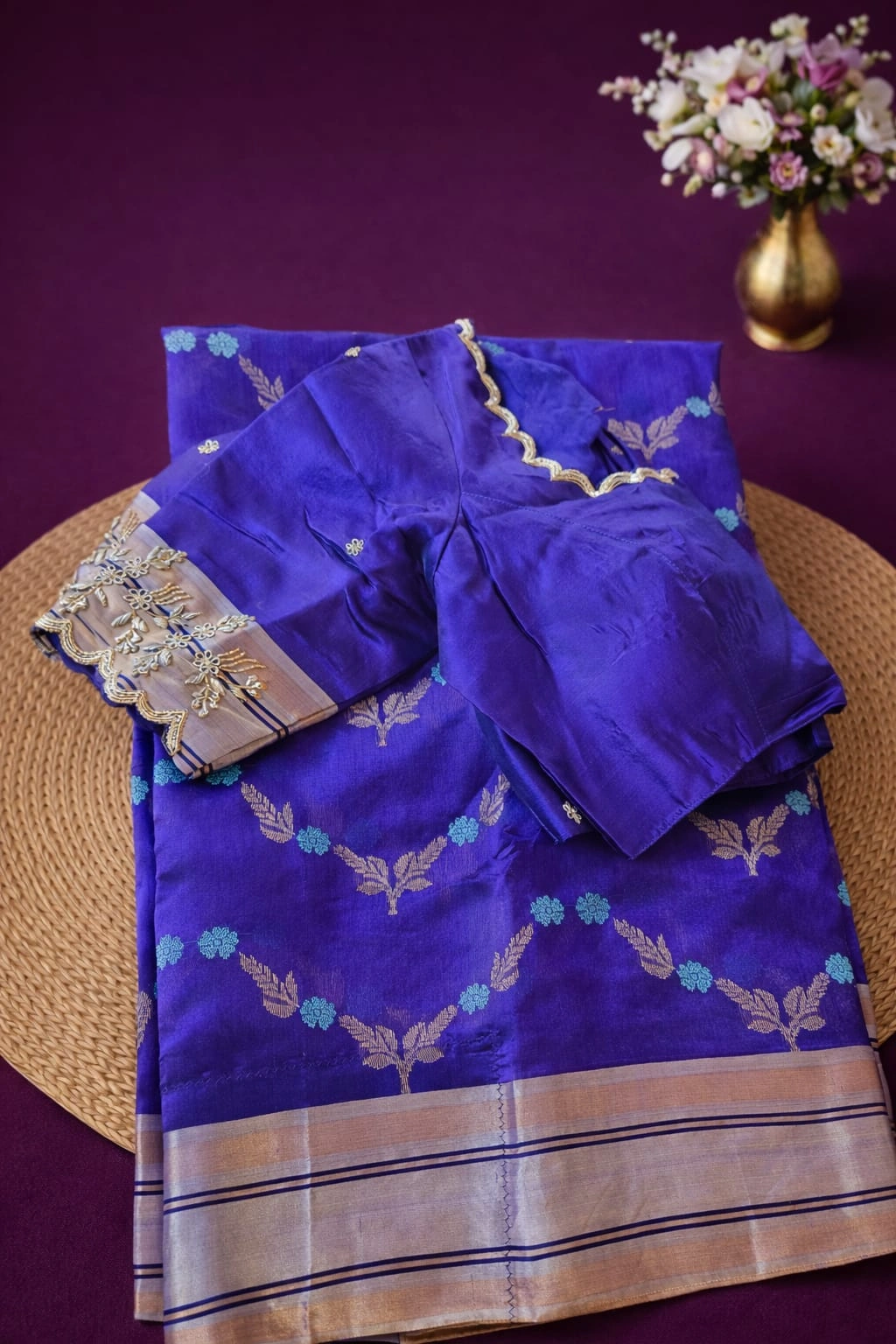
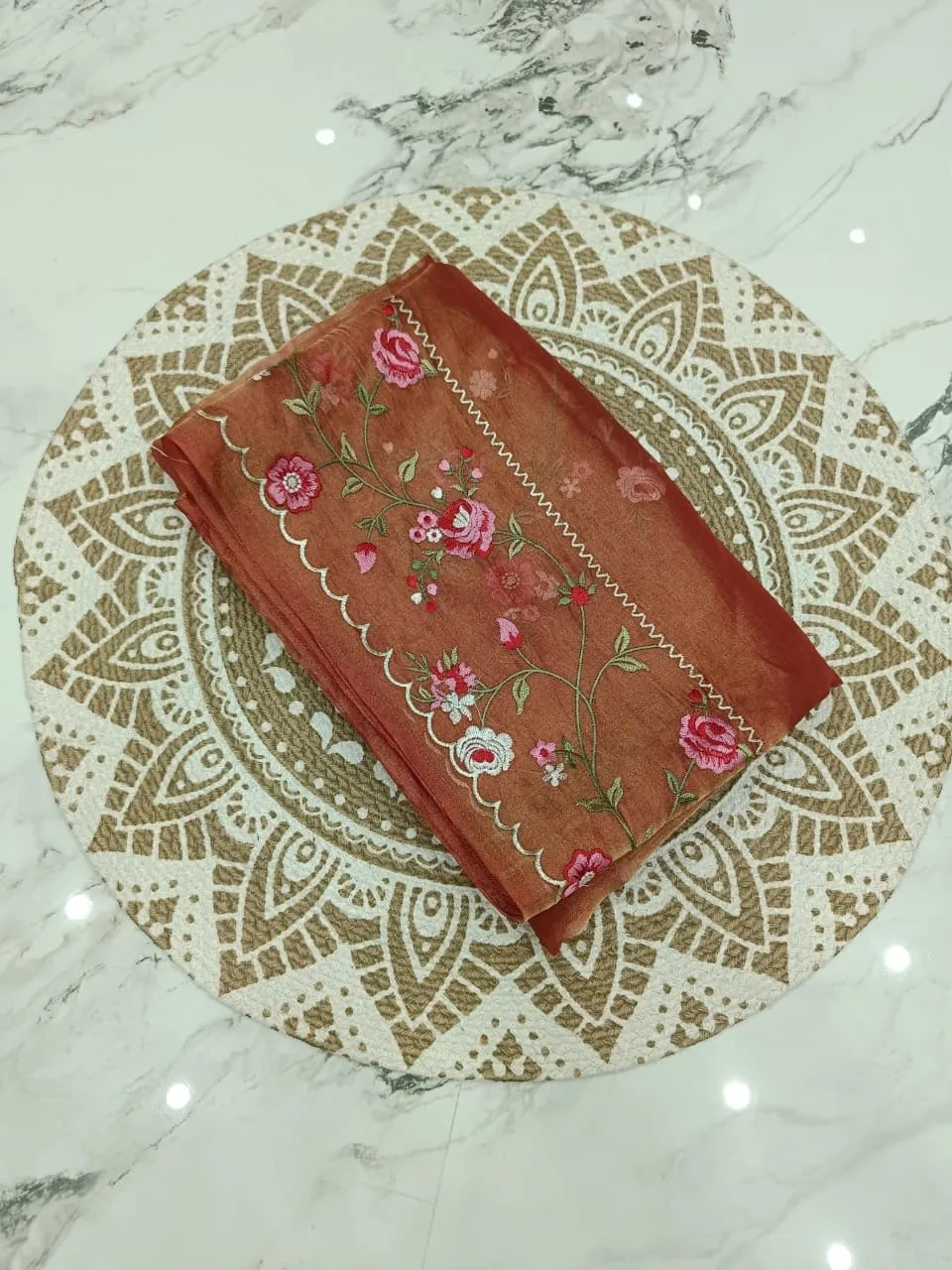
- Flat Lay: Shows the saree spread out. You can observe the motifs, border width, and pallu design. However, flat lays often hide the fabric’s drape, translucency, and ‘fall’—especially crucial for lightweaves like Chanderi or tissue Banarasi. Zari’s gleam may look different in a flat lay if the lighting is off.
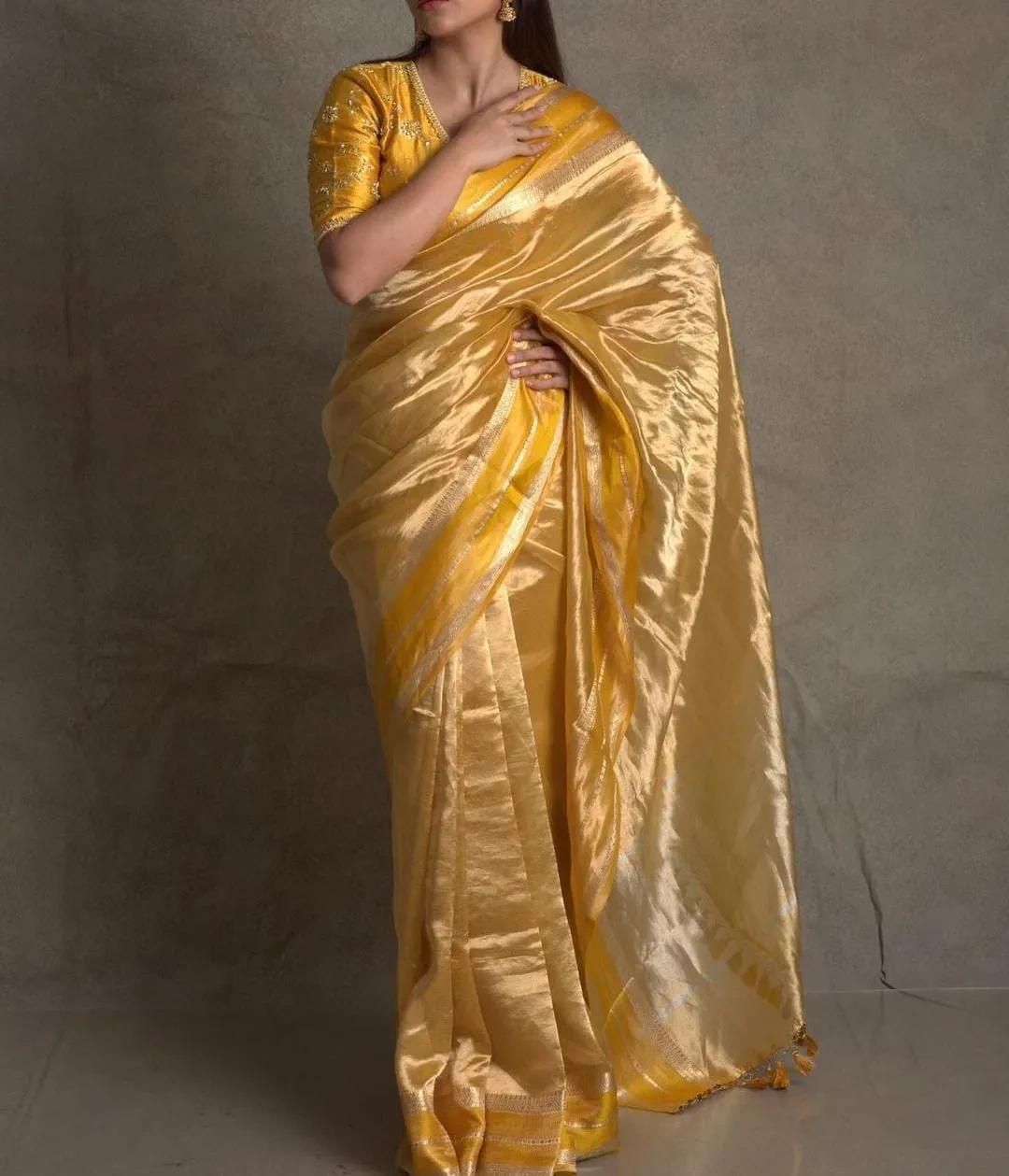
- Drape Shot: A model or mannequin wearing the saree gives essential clues about how the fabric falls on the body. Pay attention to pleats, how the pallu hangs, and whether the saree looks stiff or fluid. For instance, the Pure Banarasi Tissue Saree with Gold Zari often reveals its lustrous, soft finish best in drape shots.
Pro tip: If both flat lay and drape shots are missing, request them. Each offers a different perspective vital for online buyers.
Step 3: Check for Colour Accuracy and Lighting
Monitor settings, filters, and lighting all affect how the saree’s color appears on your screen. Many US buyers are surprised when a saree looks deeper or more muted in person.
- Look for listings with multiple images: natural light, indoor shots, and close-ups. A reputable seller like Swathi Design will provide at least 2-3 images per saree.
- Ask the seller: “Is this color true to real life on your screen?” or “Was this photo taken in daylight or with studio lights?”
- Be wary of photos where the colors look too saturated or the background is heavily edited; these may not reflect the saree’s actual hue.
For reference, Chanderi silks are known for their soft, luminous sheen, while Banarasi tissue sarees shimmer with both gold and silver undertones. If you’re matching jewelry or accessories, always confirm the base color and zari shade with the seller before purchasing.
Step 4: Zoom In on Zari, Weave, and Motifs
High-quality handloom sarees feature intricate zari and distinctive motifs—hallmarks of authentic Indian craftsmanship. Use the zoom tool to inspect:
- Zari Work: Handwoven zari (gold or silver thread) should look uniform and slightly raised. In the Luxurious Handwoven Pure Banarasi Tissue Saree, for example, the zari patterns are fine and crisp, not flat or pixelated.
- Weave Texture: Genuine Chanderi or Banarasi tissue will show a delicately uneven, airy texture. Machine-made sarees often look overly smooth.
- Motif Edges: Handloom motifs have subtle irregularities—tiny variations are a sign of authenticity. Perfectly uniform motifs can indicate a powerloom product.
Ask for macro shots of the border and pallu to evaluate the intricacy and quality of the weave.
Step 5: Request Extra Angles and Details
- Close-up of the border and pallu (the most detailed parts).
- Reverse side of the saree—handwoven sarees often show neat, but not identical, work on the back.
- Natural daylight photo—especially for sarees with metallic tissue or rich colors.
- Photo of the blouse piece (if included).
- Drape shot on an actual person for a sense of movement and scale.
Don’t hesitate to ask a seller for more images. Swathi Design’s WhatsApp styling help is invaluable for these requests, and they are used to guiding guests who want to get the details right for events.
How to Style Each Event: Mehendi, Sangeet, Reception
Now, let’s make sure your online saree purchase aligns with your US event calendar. As a guest, comfort, tradition, and practicality are just as important as visual impact. Here’s how to choose:
| Event | Recommended Saree | Key Styling Tip |
|---|---|---|
| Mehendi | Chanderi Pattu Silk Saree | Lightweight, easy drape, bright jewelry |
| Sangeet | Banarasi Tissue Saree with Gold Zari | Pair with crop blouse, bold earrings |
| Reception | Handwoven Pure Banarasi Tissue Saree | Heavier jewelry, metallic clutch |
For a three-event weekend, my practical advice: go for one statement saree (like the Pure Chanderi Pattu Silk Saree at a price confirmed on inquiry) and one elegant, lighter Banarasi (the Pure Banarasi Tissue Saree with Gold Zari at a price confirmed on inquiry). Both are versatile for dressing up or down with blouse and accessory swaps.
Common Mistakes to Avoid
- Assuming a flat lay tells the full story—request a drape shot for every saree except perhaps heavy Kanjivarams.
- Not checking the return policy—Swathi Design offers a 48-hour damaged-item video policy, but know the exact terms before buying.
- Overlooking comfort: Chanderi and tissue Banarasi sarees are light, but not all are equally soft. Ask about the ‘feel’ or drape, especially if you’ll be dancing or sitting for long periods.
- Ignoring care instructions—dry clean only, and always store away from sunlight to preserve zari.
For a full event capsule, see our capsule guide for US event calendars.
FAQs: Saree Photos, Colour, and Weave Online
Why does the colour differ from the photo?
The color of a saree may differ from listing photos due to screen settings, photo editing, and lighting conditions. Sarees shot under studio lights or with filters can appear brighter or more saturated than in real life. Always request natural light photos and confirm the base color with the seller before buying.
Which extra photos should I request?
- Macro close-ups of zari and motifs
- Reverse side of the saree
- Drape shot on a real person
- Blouse piece image
- Photo in natural daylight
Can you tell weave quality from an image?
Weave quality can sometimes be judged from close-up photos showing the texture, motif edges, and zari detail. Handloom sarees often display slight irregularities and a soft, airy drape. However, a photo cannot fully reveal the fabric’s tactile quality, so ask about the feel and weight as well.
What does a flat lay hide?
A flat lay hides how a saree drapes, its translucency, and the real-life shimmer of zari. You can see motifs and borders, but not how the saree falls on the body or how the fabric moves. Always request a drape shot for a complete view.
What is Chanderi Silk?
Chanderi silk is a traditional handwoven fabric from Chanderi, Madhya Pradesh, India. Known for its sheer texture, lightweight feel, and subtle sheen, Chanderi silk sarees are prized for their comfort and elegance. The craft dates back centuries and is recognized by India’s Textile Ministry as an Intangible Cultural Heritage.
Why choose Banarasi Tissue for US Events?
Banarasi tissue sarees are ideal for US weddings and festive events because they combine lightness with a luminous metallic finish. The tissue weave, originating from Varanasi, uses fine silk threads interwoven with zari, creating a saree that’s easy to drape yet visually opulent—perfect for long celebrations and variable US weather.
How to Compare Sarees Online: Table
| Aspect | Chanderi Pattu Silk | Banarasi Tissue |
|---|---|---|
| Drape | Feather-light, soft | Light, slightly crisper |
| Zari | Subtle golden sheen | Bold gold/silver shimmer |
| Best For | Day events, summer | Evenings, weddings |
| Price Band | $230.00 | $175.00–$195.00 |
Concrete Tips for Buyer Confidence
- Use a laptop/desktop with a calibrated screen for final color checks.
- Don’t buy based on a single photo—ask for at least three angles.
- Confirm the seller’s location and shipping policy. Swathi Design ships from California with flat-rate US shipping, and a 48-hour video policy for damaged items.
- Use WhatsApp or direct chat for real-time answers and styling advice.
- Check out our resource on building a wedding trousseau on a budget for more buying strategies.
Shop the Collection
Ready to put your new skills to use? Explore the full range of Sarees at Swathi Design, including handwoven Chanderi and Banarasi tissue styles that look as beautiful in person as they do in photos. Or browse our full collection for all occasions.
Still unsure? Message Swathi Design’s WhatsApp styling service for personalized advice—because you deserve to shop with confidence, celebrate joyfully, and wear your heritage beautifully in every US event. Happy saree shopping!
Featured in this guide
Part of the Indian Wedding & Festive Dressing guide collection.
Related guides
- Chanderi Silk Suits in USA: Embrace Ethnic Grace for Weddings & Festive Occasions
- Elevate Your Festive Wardrobe: Stunning Indian Dresses for US Weddings & Celebrations
- Celebrate Indian Heritage in the USA: Pure Silk Gowns for Weddings & Festive Glamour
- Elevate Your Wedding Look with Exquisite Pure Banarasi Kora Tissue Sarees
- Timeless Elegance: Discover the Pure Banarasi Kora Tissue Saree Collection for Weddings & Festivals