What to Wear for First Karva Chauth: Saree Traditions & Styling for New Brides
Wondering what to wear for your first Karva Chauth? Explore the red-and-gold saree tradition, solah shringar, and tips on restyling your bridal Banarasi for this milestone festival. Learn how the right weave, color, and styling choices honor both heritage and personal comfort.
What to Wear for First Karva Chauth: Tradition Meets Personal Style
Your first Karva Chauth is more than a festival—it’s a rite of passage for newlywed brides, marking your arrival into a cherished tradition. The core question is direct: what to wear for first Karva Chauth? The answer, shaped by centuries of custom and region, is a red and gold saree—rich in symbolism, woven with heritage, and styled for both reverence and celebration. This guide, written from a handloom specialist’s lens, demystifies the why and how, centering on Banarasi kora tissue sarees: their craft, cultural relevance, and practical care for Indian-American women celebrating in the US.
The Origin: Why Red and Gold for a New Bride?
In North Indian communities—especially among Punjabi, UP, and Gujarati families—first Karva Chauth after marriage is a landmark. The red saree, often with gold zari, is not a mere color preference: it embodies auspiciousness, marital joy, and the energy (shakti) of womanhood. As textile scholars like Jasleen Dhamija have explained, red’s role in bridal attire dates back to ancient Vedic rituals, where it signified fertility and new beginnings. Gold, meanwhile, is a symbol of prosperity and divine blessing. The day’s rituals, from sargi at dawn to the moonrise puja, are framed by these color codes—woven into every layer, from the saree to solah shringar (the sixteen adornments).
How Banarasi Kora Tissue Sarees Are Made: A Weave Explained
Kora tissue sarees from Varanasi (Banaras) are prized for their luminous, gossamer texture and intricate zari work. Kora refers to unbleached, sheer silk—organza-like, yet with a distinct hand-feel. Tissue describes the metallic sheen created by interlacing real zari (flattened gold or silver-coated thread) with silk on the handloom. Artisans use the pit loom, working with warp and weft threads to create delicate, shimmering patterns—often floral or butidar motifs. The Banarasi GI-tag (Geographical Indication) assures authenticity, as only sarees woven in specific Varanasi districts, using traditional methods, can bear the label.
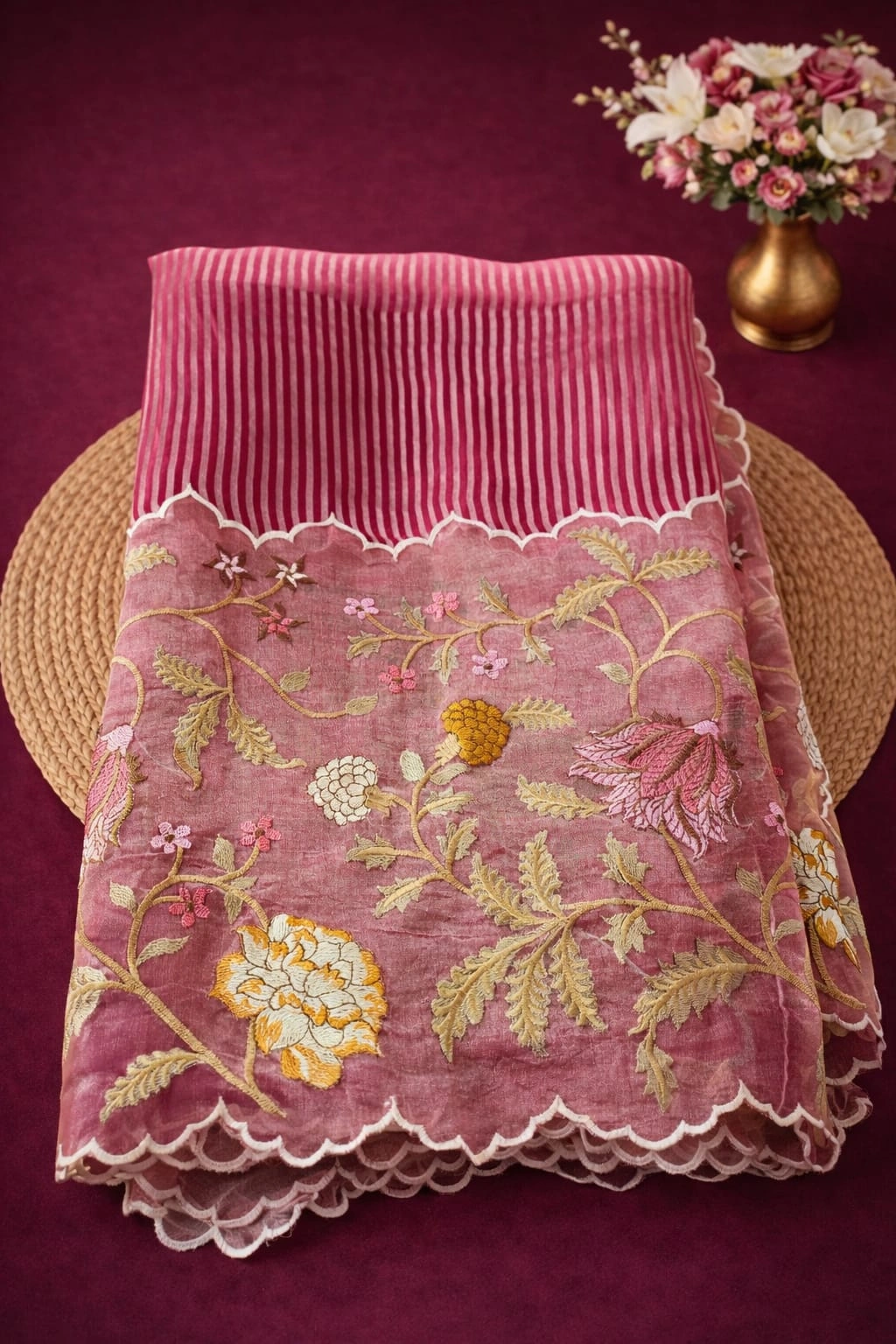
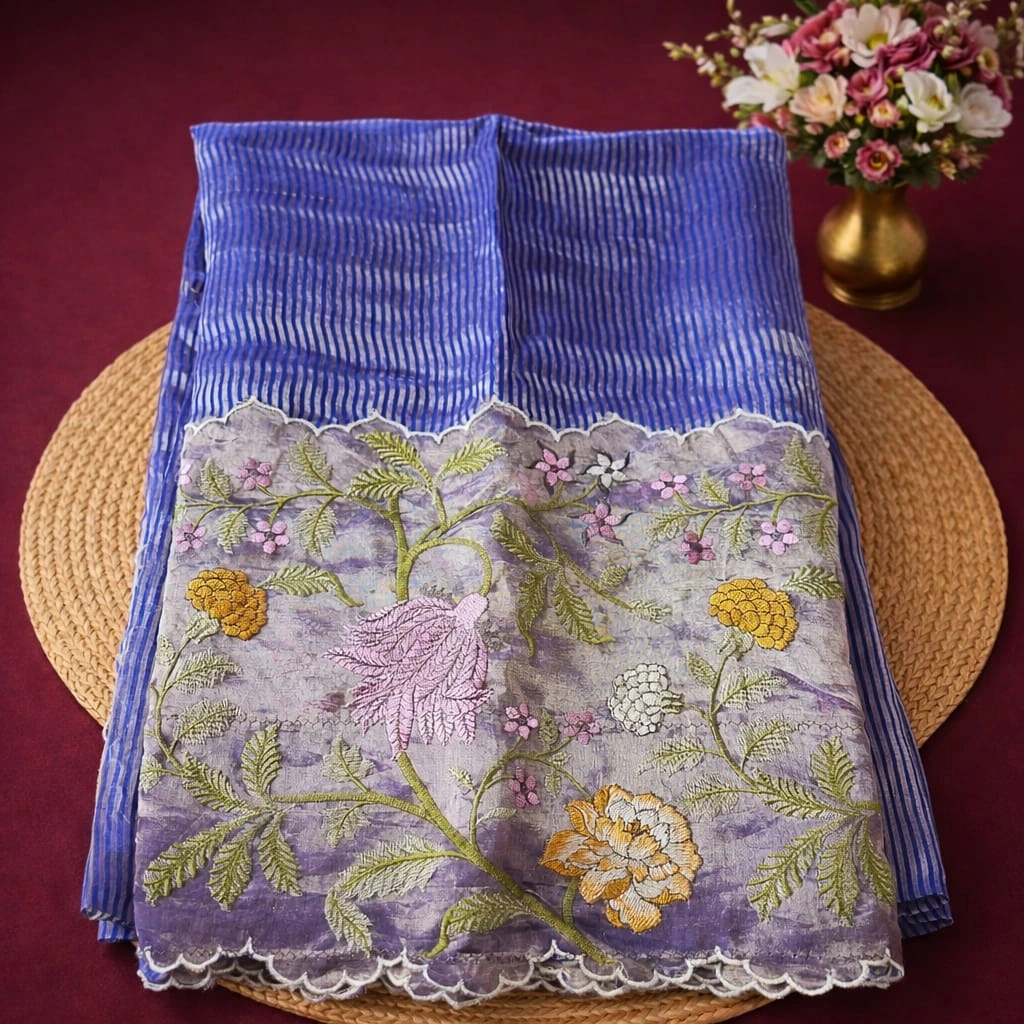
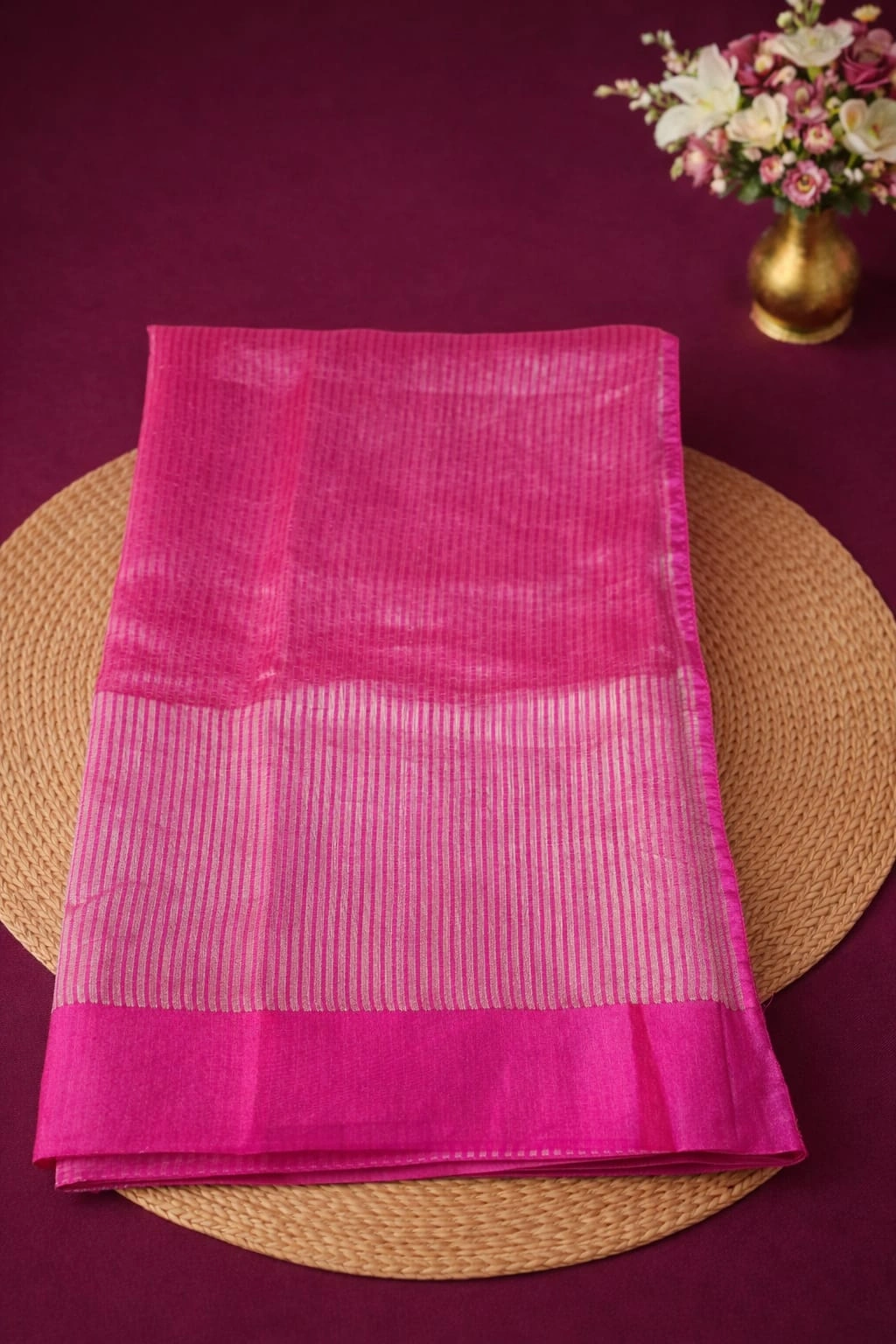
The Exquisite Pure Banarasi Kora Tissue Saree - Golden Elegance is a classic example: handwoven by skilled Banaras weavers, it features luxurious kora silk tissue and intricate zari that glows with movement. This artistry transforms each saree into a legacy piece—worthy of a new bride’s first Karva Chauth.
How to Spot an Authentic Banarasi Kora Tissue Saree
Authenticity matters, especially for a milestone festival. Power-loom imitations abound, but genuine Banarasi kora tissue sarees have telltale signs:
- Soft, airy feel: True kora silk is lightweight but not flimsy. Tissue adds a crisp, metallic shimmer without plastic-like stiffness.
- Zari finesse: Real zari is lustrous gold or silver, not brassy; it should not flake or scratch off easily.
- Reverse side patterns: On a handloom sari, you’ll see the motif’s outline on the reverse—a mark of woven, not printed, design.
- GI-tag or artisan certificate: Many authentic sarees include a government-issued label or certificate of origin.
Authenticity Test: Gently scrape a section of the zari border with your fingernail. Real zari will not shed powder or lose color; imitation will often reveal polyester or white thread beneath. Always buy from trusted sources like Swathi Design, which works directly with artisan weavers in Varanasi and provides provenance details.
Banarasi vs. Kanjivaram: Bridal Saree Comparison
| Feature | Banarasi Kora Tissue | Kanjivaram Silk |
|---|---|---|
| Origin | Varanasi (Uttar Pradesh) | Kanchipuram (Tamil Nadu) |
| Fabric | Kora silk with tissue/zari | Mulberry silk with real zari |
| Texture | Sheer, lightweight, crisp | Thick, lustrous, heavy |
| Motifs | Mughal buta, floral, brocade | Temple borders, checks, peacocks |
| Typical Colors | Red, gold, pastel, dual tones | Red, gold, green, royal blue |
Both are wedding classics, but Banarasi kora tissue is ideal for new brides seeking comfort and radiant shimmer for long rituals.
What Do You Wear for Your First Karva Chauth?
For your first Karva Chauth, tradition recommends a red and gold saree, typically in silk or kora tissue, adorned with zari and paired with solah shringar (sixteen bridal accessories). This honors marital customs and invites auspiciousness for the new union, while offering comfort for the day’s rituals.
Most North Indian families encourage the newlywed to re-wear her bridal saree or choose a new red Banarasi, Kanjivaram, or tissue silk. The Elegant Pure Banarasi Kora Tissue Silk Saree for Weddings & Festivals is particularly suited, with its lightweight drape and gleaming zari—practical for fasting and long ceremonies, yet regal enough for the evening puja. This piece, like the Exquisite Pure Banarasi Kora Tissue Saree for Weddings & Celebrations, balances tradition with wearable luxury.
How to Style a Red Banarasi for First Karva Chauth
- Blouse: Opt for a classic red brocade or gold tissue blouse. For comfort, add silk lining—Karva Chauth involves hours of wear.
- Jewelry: Solah shringar is key: maang tikka, nose ring (nath), choker or rani haar, bangles (chooda for Punjabis), earrings, and kamarbandh are all traditional. For practical tips, see our wedding saree accessorizing guide.
- Hair & Makeup: A low bun with gajra (flowers), red sindoor, and a subtle gold bindi complete the look.
- Draping: Nivi style is classic, but for more movement, try a Gujarati seedha pallu or pleated pallu pinned for ease. Explore advanced draping in our dupatta draping guide.
- Accessories: A silk potli bag or gold clutch pairs beautifully. Comfortable sandals are wise for rituals that involve standing or walking.
What is Solah Shringar?
Solah shringar refers to the sixteen traditional adornments worn by Hindu brides, especially for auspicious occasions like Karva Chauth. These include jewelry, cosmetics, hair accessories, and symbolic items such as sindoor (vermilion), mangalsutra, bangles, anklets, and nose ring, signifying marital status and prosperity.
Each ornament has cultural meaning. For example, the mangalsutra signifies marital commitment, the bindi invokes the third eye, and the chooda is a Punjabi custom symbolizing newlywed status. On Karva Chauth, solah shringar is not just decorative: it’s part of the ritual, believed to bring blessings to the couple.
Choosing the Right Blouse and Underskirt for Long Wear
For Karva Chauth, comfort is as vital as tradition—especially with fasting. If your saree is sheer, as with kora tissue, request a matching silk or cotton underskirt (petticoat) and opt for a breathable, lined blouse. Light padding in the blouse can help manage the weight of heavy jewelry.
Can You Wear Your Wedding Saree for Karva Chauth?
Yes, many new brides choose to re-wear their wedding saree—especially if it’s a red Banarasi, Kanjivaram, or tissue silk—for their first Karva Chauth. This honors family tradition and maximizes the use of a cherished garment. If the original saree feels too heavy, a lighter Banarasi kora tissue is an excellent alternative, offering similar grandeur with greater comfort for an all-day festival.
Restyling Your Bridal Saree for Karva Chauth
- Change the blouse: A gold tissue or contrast blouse refreshes the look.
- Add new jewelry: Pair with modern statement earrings or a minimal mangalsutra for a fusion update.
- Play with draping: Try a seedha pallu or pleat over the shoulder for a new silhouette.
- Layer with a dupatta: Use a net or organza dupatta for added coverage and drama.
Why Do Brides Wear Red on Karva Chauth?
Brides wear red on Karva Chauth because red is considered the most auspicious color in Hindu culture, symbolizing fertility, love, and the power of the goddess. Gold accents amplify prosperity and joy, making the red-and-gold saree the preferred choice for newlyweds on this day.
Textile historians cite red’s prominence in ancient Indian weddings and major festivals, where it was believed to protect against negative energy and invoke blessings. This symbolism continues in NRI communities, connecting new brides in America to their roots.
First Karva Chauth Outfit: Saree or Lehenga?
While sarees remain the traditional choice, some brides opt for red lehengas or contemporary fusion sarees with attached pre-pleated pallus. If you prefer a saree, Banarasi kora tissue sarees are especially practical: they drape gracefully, allow airflow, and withstand long ceremonies without losing shape.
How to Care for Banarasi Kora Tissue Sarees
- Dry clean only: Water and detergents can damage zari and silk tissue. Use a trusted dry cleaner experienced with Indian silks.
- Storage: Wrap the saree in a muslin cloth, avoid plastic, and store in a cool, dry place away from sunlight. Refold every three months to prevent permanent creases.
- Avoid direct perfume or deodorant: These can tarnish zari threads.
Care Tip: If a stain occurs, blot gently with a silk-safe cloth—never rub. For long-term preservation, place a sachet of dried neem leaves nearby to deter insects, a practice endorsed by museums like the National Handloom Museum in Delhi.
For more on finishing touches, see our article on how to finish silk sarees with fall and pico.
Karva Chauth Dressing FAQ
What do you wear for your first Karva Chauth?
Most new brides wear a red and gold saree, typically Banarasi or Kanjivaram silk, paired with solah shringar. Family custom may encourage re-wearing your bridal saree or selecting a new auspicious piece. Comfort, tradition, and personal taste all play a role—opt for a weave and drape that allow ease through fasting and rituals.
Why do brides wear red on Karva Chauth?
Red is considered auspicious in Hindu culture, symbolizing fertility, marital bliss, and the goddess’s power. Brides wear red on Karva Chauth to honor tradition and invite blessings, with gold accents amplifying the festival’s celebratory spirit.
Can you wear your wedding saree for Karva Chauth?
Yes, re-wearing your wedding saree is common and meaningful. If the original saree is too heavy, consider a lighter Banarasi kora tissue or organza silk in red and gold, which offers equal significance with more comfort.
What is solah shringar?
Solah shringar are the sixteen adornments worn by Hindu brides, including jewelry, hair accessories, and cosmetics. On Karva Chauth, these symbolize marital joy, prosperity, and cultural continuity. Common elements include sindoor, mangalsutra, bangles, anklets, and a bindi.
Styling Tips: Comfort & Grace for a New Bride’s Festival
- Plan for sargi morning: Choose a saree that is soft and light for pre-dawn rituals and fasting. Kora tissue’s breathable weave is ideal.
- Layer up: If you expect cool weather, add a silk shawl or dupatta for warmth without sacrificing elegance.
- Mix old and new: Blend heirloom jewelry with modern pieces to personalize your first Karva Chauth outfit.
- Photograph the details: Banarasi weaves and zari borders photograph beautifully by candle or moonlight—capture these for your memory book.
Shop the Collection
Ready to choose your first Karva Chauth saree? Explore Swathi Design’s curated selection of Banarasi kora tissue sarees and more. Each piece is handwoven in India, verified for authenticity, and available with flat-rate US shipping and styling support via WhatsApp.
- Exquisite Pure Banarasi Kora Tissue Saree - Golden Elegance (price confirmed on inquiry)
- Exquisite Pure Banarasi Kora Tissue Saree for Weddings & Celebrations (price confirmed on inquiry)
- Elegant Pure Banarasi Kora Tissue Silk Saree for Weddings & Festivals (price confirmed on inquiry)
For more inspiration, browse our full collection and discover sarees for every occasion—wedding, festival, or anniversary. Celebrate your heritage with craft that endures.
Featured in this guide
Part of the Indian Wedding & Festive Dressing guide collection.
Related guides
- Chanderi Silk Suits in USA: Embrace Ethnic Grace for Weddings & Festive Occasions
- Elevate Your Festive Wardrobe: Stunning Indian Dresses for US Weddings & Celebrations
- Celebrate Indian Heritage in the USA: Pure Silk Gowns for Weddings & Festive Glamour
- Elevate Your Wedding Look with Exquisite Pure Banarasi Kora Tissue Sarees
- Timeless Elegance: Discover the Pure Banarasi Kora Tissue Saree Collection for Weddings & Festivals