What Is Patola Ikat Saree? Tie-Dye Weaving, Double Ikat & Gujarat’s Living Legacy
Patola ikat sarees are among India’s most intricate handloom textiles, prized for their double ikat technique where both warp and weft threads are resist-dyed before weaving. Explore how Patola, Ikat, and modern sarees like Banarasi Kora Tissue Silk and Russian Crape from Swathi Design embody centuries of craft, regional artistry, and timeless style.
What is Patola Ikat Saree?
Patola ikat saree is a rare, handwoven silk saree from Patan, Gujarat, using the double ikat technique where both warp and weft yarns are tie-dyed with patterns before weaving. This painstaking process creates vibrant, identical motifs on both sides of the finished fabric, making Patola sarees a symbol of precision and elite Indian textile artistry.
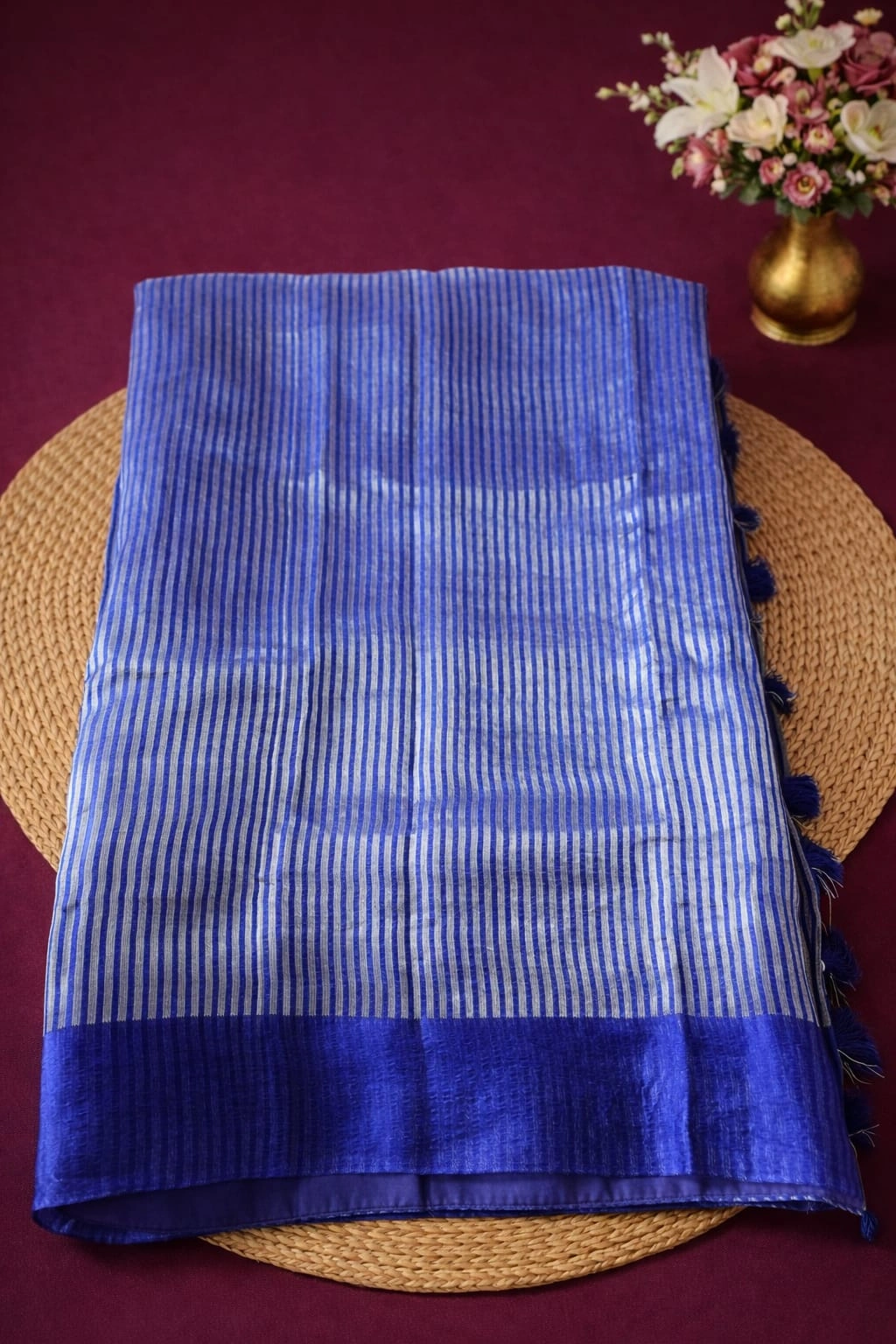
Patola: History and Origins
The Patan Patola’s story stretches back over 800 years, rooted in the Salvi weaving families who migrated from Maharashtra to Gujarat. Patronized by the Solanki Rajputs and later the merchant class, Patola sarees became prized for their geometric clarity and unfading colors, often featuring motifs like elephants, parrots, dancing women, and the iconic “nari kunjar” (woman-elephant). Today, authentic Patan Patola sarees are recognized with a Geographical Indication (GI) tag, protecting their unique regional heritage and method.
How Is Ikat Made? Tie-Dye Before Weaving
Ikat (from the Malay-Indonesian word "mengikat," meaning "to tie") is a resist-dye technique practiced across India, from Gujarat’s Patola to Odisha’s Sambalpuri and Telangana’s Pochampally. The process begins by tying sections of yarn—either the warp, the weft, or both—with waterproof bindings. These tied portions resist the dye, creating patterns. The yarns are then dyed, dried, and retied for multiple colors and complex designs. In single ikat, only warp or weft is dyed; in double ikat, both are patterned, requiring meticulous alignment on the loom.
For Patola, the Salvi family artisans use fine mulberry silk, mapping intricate motifs onto graph paper before hand-tying and dyeing each thread. When woven on a pit loom, the pre-dyed threads interlock to reveal perfectly matched patterns—on both sides of the fabric. This precision is so exacting that even a tiny misalignment can disrupt the entire design, meaning a single saree can take six months to a year to complete.
Patola vs. Other Ikat: A Comparison
| Type | Region | Technique | Motifs |
|---|---|---|---|
| Patan Patola | Gujarat | Double Ikat | Geometric, elephants, parrots, floral, nari kunjar |
| Pochampally Ikat | Telangana | Single & Double Ikat | Diamonds, abstract, temple borders |
| Sambalpuri Ikat | Odisha | Single Ikat | Shells, wheels, fish, flowers |
How to Spot an Authentic Patola Ikat Saree
- Pattern on Both Sides: True double ikat Patola will have identical, crisp motifs on both front and back.
- Fine Alignment: The motifs should appear seamless across the saree—no blurring or offset.
- Color Fastness: Genuine Patola uses natural and vat dyes, so colors remain vibrant for generations.
- GI Tag: Authentic Patan Patola sarees are GI-tagged, sometimes with a hologram or certificate from the weaver.
- Price Range: Due to the labor-intensive process, a handwoven Patan Patola can cost upwards of $4,000–$10,000, depending on intricacy.
Authenticity Test: Hold the saree up to light—if the pattern matches perfectly on both sides, and the colors are deep but not bleeding, it is likely a handwoven double ikat. Machine-made imitations often show blurred or ‘shadow’ patterns on the reverse.
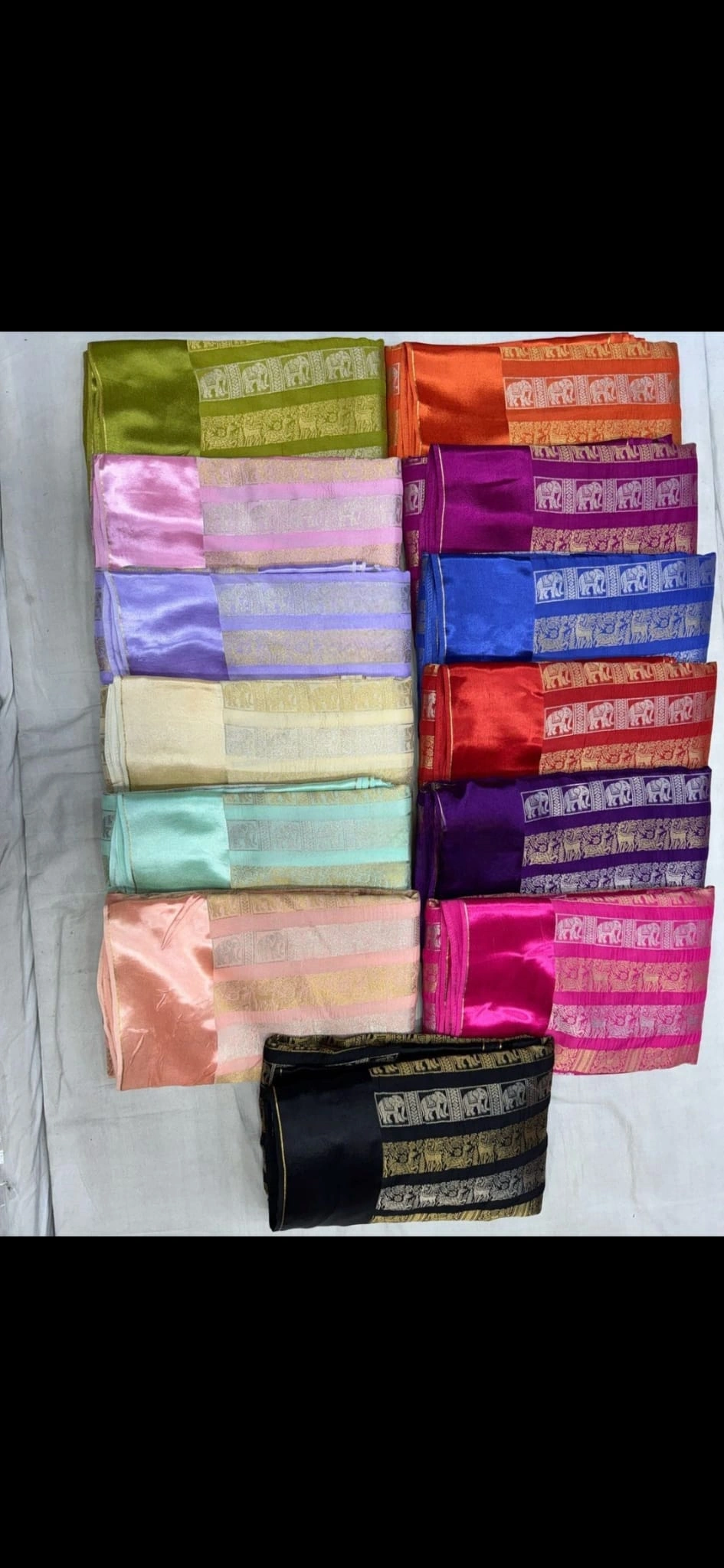
Why Is Patola Saree So Expensive?
Patola sarees are costly because each one is handwoven using double ikat, requiring both the warp and weft yarns to be individually tie-dyed with exacting precision. This demands months of labor, exceptional skill, and the highest-quality silk, making authentic Patan Patola sarees rare collectible heirlooms.
Modern Ikat & Inspired Weaves at Swathi Design
While true double ikat Patola remains an investment piece, modern Indian fashion celebrates ikat-inspired and handloom sarees that balance tradition and wearability. At Swathi Design, you’ll find premium sarees crafted with equal reverence for technique and fabric quality, perfect for US-based Indian-Americans who value both authenticity and comfort.
Banarasi Kora Tissue Silk: Light, Luminous, and Handwoven
Consider the Exquisite Pure Banarasi Kora Tissue Silk Saree (price confirmed on inquiry), handwoven in Varanasi’s historic silk district. Kora tissue silk is crafted from untwisted silk filaments, lending a sheer, featherlight quality that’s ideal for American weddings, upscale Diwali parties, or milestone anniversaries. The hallmark zari—genuine metallic thread, traditionally gold or silver—adds a refined glint without heaviness. Each saree features intricate floral or geometric motifs, echoing the design lineage of Mughal Banaras weaving houses.
Craft Note: Unlike power-loom imitations, true Banarasi kora tissue sarees are woven on wooden pit looms, often in the weaver’s home. The warp is silk, the weft may include metallic tissue, and the signature ‘kadwa’ technique means motifs are woven—not embroidered—ensuring durability and luxury in every inch.
Pairing tip: Style this saree with a contemporary high-neck blouse and antique gold jhumkas for a look that bridges Indian heritage and California chic.
Russian Crape Silk: Effortless Drape, Everyday Luxury
For those seeking a saree that travels as easily as it shines, Swathi Design’s Exquisite Russian Crape Silk Saree (price confirmed on inquiry) and Pure Russian Crape Saree (price confirmed on inquiry) offer a modern twist. Russian crape is a lightweight, lustrous fabric popular for its fluid fall and subtle sheen. Unlike heavy brocades, crape silk is woven with high-twist yarns, creating a pebbled texture that resists wrinkles—ideal for US-based professionals or festive gatherings where comfort is key.
The multitone palette and soft beige options in Swathi Design’s curation make these sarees versatile for both traditional and fusion styling. Pair with a bold, sleeveless blouse and statement cuff for a contemporary take, or choose classic pearls for an elegant dinner look.
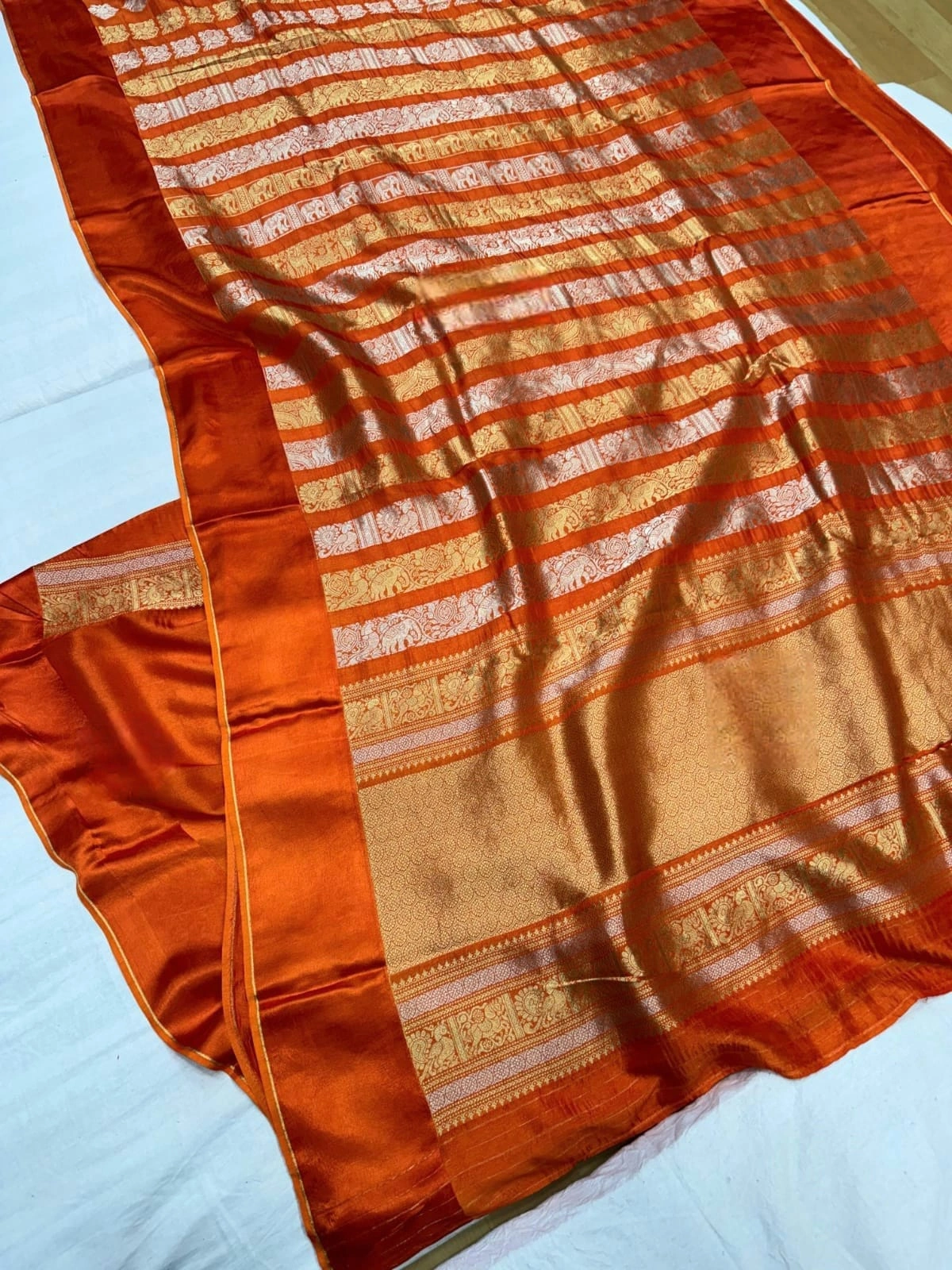
How to Care for Patola Ikat & Handloom Sarees
- Cleaning: Authentic Patola and Banarasi sarees should be dry cleaned to protect the dye and zari work. For Russian crape silk, gentle handwashing in cold water with mild detergent is possible, but avoid soaking or wringing.
- Storage: Always fold along existing creases and store in a breathable muslin cloth. For Banarasi and Patola, avoid direct sunlight and keep away from plastic covers, which can cause discoloration or mildew.
- Ironing: Use a low-heat setting, ideally with a cotton cloth placed on top. For tissue silk or zari, steam lightly from the reverse.
- Rotation: Unfold and refold sarees every 6 months to prevent permanent creasing.
Care Tip: For sarees with heavy zari (Banarasi or Patola), never spray perfume or deodorant directly, as the alcohol can tarnish metallic threads. Always let the garment air-dry fully before folding.
What is the difference between Ikat and Patola?
Ikat is a resist-dye weaving method where either the warp or weft threads are tie-dyed before weaving, producing blurred, feathered patterns. Patola is a specific, high-end double ikat saree from Patan, Gujarat, where both warp and weft are tie-dyed with exacting precision, resulting in sharp, mirror-image motifs on both sides of the silk fabric.
What is Double Ikat Weaving?
Double ikat weaving is a rare technique where both the warp (lengthwise threads) and the weft (crosswise threads) are tie-dyed with patterns before being woven together. This method requires perfect alignment of dyed designs, making double ikat sarees like Patan Patola among the world’s most complex and labor-intensive textiles.
How Long Does It Take to Weave a Patola?
Handweaving a genuine Patan Patola saree can take anywhere from six months to a full year. The time depends on the complexity of the motif, the number of colors, and the precision needed for double ikat alignment. Each step—from graphing the design to tying and dyeing hundreds of threads—demands patience and generational expertise.
How to Style Patola Ikat and Handloom Sarees for Modern Occasions?
- Pair Patola sarees with solid-colored blouses in silk or velvet to let the intricate motifs stand out.
- For Banarasi kora tissue, try a contrast blouse with minimal jewelry to highlight the saree’s texture and zari.
- Russian crape silk works beautifully with contemporary blouses—halter necks or crop styles add a modern edge.
- Accessorize with antique gold or silver jewelry for traditional events; choose sleek, geometric pieces for a fusion look.
- Drape the pallu pleated for formal settings; leave it open for a relaxed, festive vibe.
Learn about occasion styling in our guides on Tussar silk and Chanderi sarees.
Why Choose Handloom Sarees Over Machine-Made?
Handloom sarees offer unmatched craftsmanship, unique patterns, and cultural heritage, unlike mass-produced machine sarees. Each handloom piece preserves centuries-old techniques—such as double ikat or Banarasi kadwa weaving—supporting artisan livelihoods and ensuring heirloom quality that grows more valuable over time.
Shop the Collection
Ready to experience the artistry of Indian handlooms? Explore Swathi Design’s curated range, from Banarasi Kora Tissue Silk to Russian Crape Silk Sarees. See more sarees or browse our full collection. For personal styling or authenticity checks, Swathi Design offers WhatsApp support and US-based concierge service—bringing the finest weaves from India’s looms to your occasion, wherever you celebrate.
Featured in this guide
Part of the Handwoven Silks: Chanderi, Tussar & Raw Mango guide collection.
Related guides
- Elevate Every Occasion: Handcrafted Indian Gowns & Frocks for Modern Celebrations in the USA
- Elevate Every Occasion: Pure Chanderi Pattu Silk Sarees for Indian-Americans in the USA
- Exquisite Russian Crape Silk Saree: Timeless Elegance for Every Occasion
- Luxurious Pure Russian Crape Saree: Timeless Elegance for Every Occasion
- Elevate Your Festive Wardrobe with Exquisite Handwoven Chanderi Sarees and Anarkali Dresses