What Makes Tussar Silk Special: The Wild Gold Silk
What is Tussar silk? This guide explores the origins, unique texture, and natural golden sheen of 'kosa' wild silk, tracing its journey from tribal forests to elegant sarees across Bhagalpur and Jharkhand. Learn how to identify authentic Tussar, care for it, and appreciate its distinct cultural heritage.
What is Tussar Silk? A Wild Silk with Golden Heritage
Tussar silk is a wild silk variety known for its natural golden sheen, slightly textured slub, and unique heritage rooted in tribal weaving traditions across Eastern India. Produced mainly in Jharkhand, Chhattisgarh, and the silk city of Bhagalpur, Tussar—also called kosa—is harvested from silkworms that feed on forest trees rather than cultivated mulberry leaves. Its earthy color and textured hand feel make it distinct from smoother, shinier mulberry silks. Tussar silk sarees are valued for their understated opulence and are favored for festive events and heirloom gifting.
Tussar’s golden hue and light, breathable drape make it especially popular in warmer climates and for those who appreciate natural, eco-forward textiles. Unlike most farmed silks, Tussar involves minimal intervention, preserving the wildness of its fiber and the traditions of the communities who weave it.
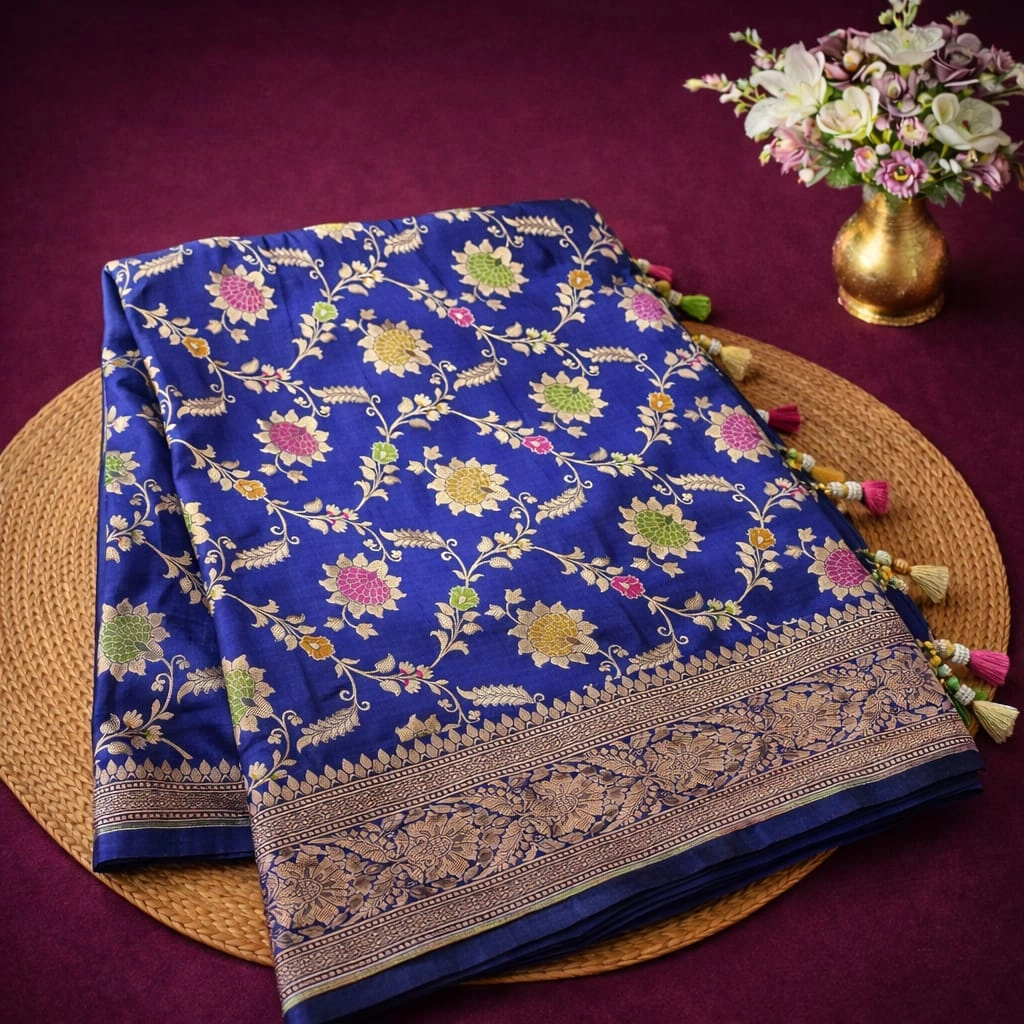
Origins: From Tribal Forests to Bhagalpur’s Silk City
Tussar silk has deep roots in the forests of Eastern and Central India. The primary producers are the tribal communities of Jharkhand, Chhattisgarh, and Odisha, who rear the Antheraea mylitta silkworms on Arjun and Asan trees. Unlike mulberry silk, which is cultivated in controlled environments, Tussar is a true wild silk. The silkworms spin their cocoons on forest trees, and the silk is harvested carefully to preserve the ecosystem.
Bhagalpur, Bihar, often called the “Silk City,” is a major weaving center for Tussar. Here, generations of weaver families transform raw Tussar yarns into sarees and dupattas, employing traditional pit looms and intricate handloom techniques. The Bhagalpur Tussar saree is especially prized for its rich texture and subtle, variegated color palette. The city has been a hub for Tussar weaving for over 200 years, recognized by the Indian government for its contribution to handloom heritage.
How Is Tussar Silk Made?
The process of making Tussar silk is both labor-intensive and ecologically significant. After the wild silkworms spin their cocoons on forest trees, the cocoons are collected by local tribal families. The silk filaments, shorter and more textured than mulberry silk, are carefully reeled by hand or simple machines. This results in a yarn with characteristic slubs and a natural matte luster.
Once spun, the yarns are dyed—often in earth tones or jewel colors—and handwoven on pit looms by master weavers. The warp and weft interplay, sometimes with zari (metallic thread) or meenakari (colored thread) embellishments, creates sarees that are both lightweight and visually striking. Bhagalpur, in particular, is renowned for its innovation in Tussar blends, combining Tussar with cotton or other silks for added durability or softness.
Tussar Silk vs Mulberry Silk: Key Differences
| Characteristic | Tussar Silk | Mulberry Silk |
|---|---|---|
| Source | Wild silkworms on forest trees | Cultivated silkworms on mulberry leaves |
| Color | Natural gold, beige, brownish | Natural white, easy to dye |
| Texture | Textured, slightly coarse, visible slubs | Smooth, fine, lustrous |
| Drape | Lightweight, crisp | Fluid, heavier |
| Region | Jharkhand, Bhagalpur, Chhattisgarh | Kanchipuram, Mysore, Assam, West Bengal |
How to Identify Authentic Tussar Silk
Spotting genuine Tussar silk requires a keen eye for texture and luster. Unlike powerloom imitations or polyester blends, handwoven Tussar has a slightly uneven surface with ‘slubs’—those tiny, raised irregularities typical of wild silk. The natural golden-beige shade is hard to replicate with synthetic yarns. When you hold a Tussar saree up to light, you should see a gentle, matte glow—not the high gloss of art silk.
- Burn Test: Authentic Tussar, like all pure silks, burns slowly with a smell like burning hair and leaves a powdery ash. Synthetics melt and form beads.
- Check for GI Tag: Look for the Bhagalpur Tussar Silk GI (Geographical Indication) tag, which certifies regional authenticity.
- Texture: Rub between your fingers—real Tussar feels slightly coarse and textured, not slippery or plasticky.
- Zari Work: If present, the zari should be handwoven into the fabric, not glued or printed.
If you want a reliable source for authentic, artisan-crafted Tussar and Banarasi sarees in the US, Swathi Design offers curated collections sourced directly from weaver families in India. Explore their saree collection for classics and contemporary picks.
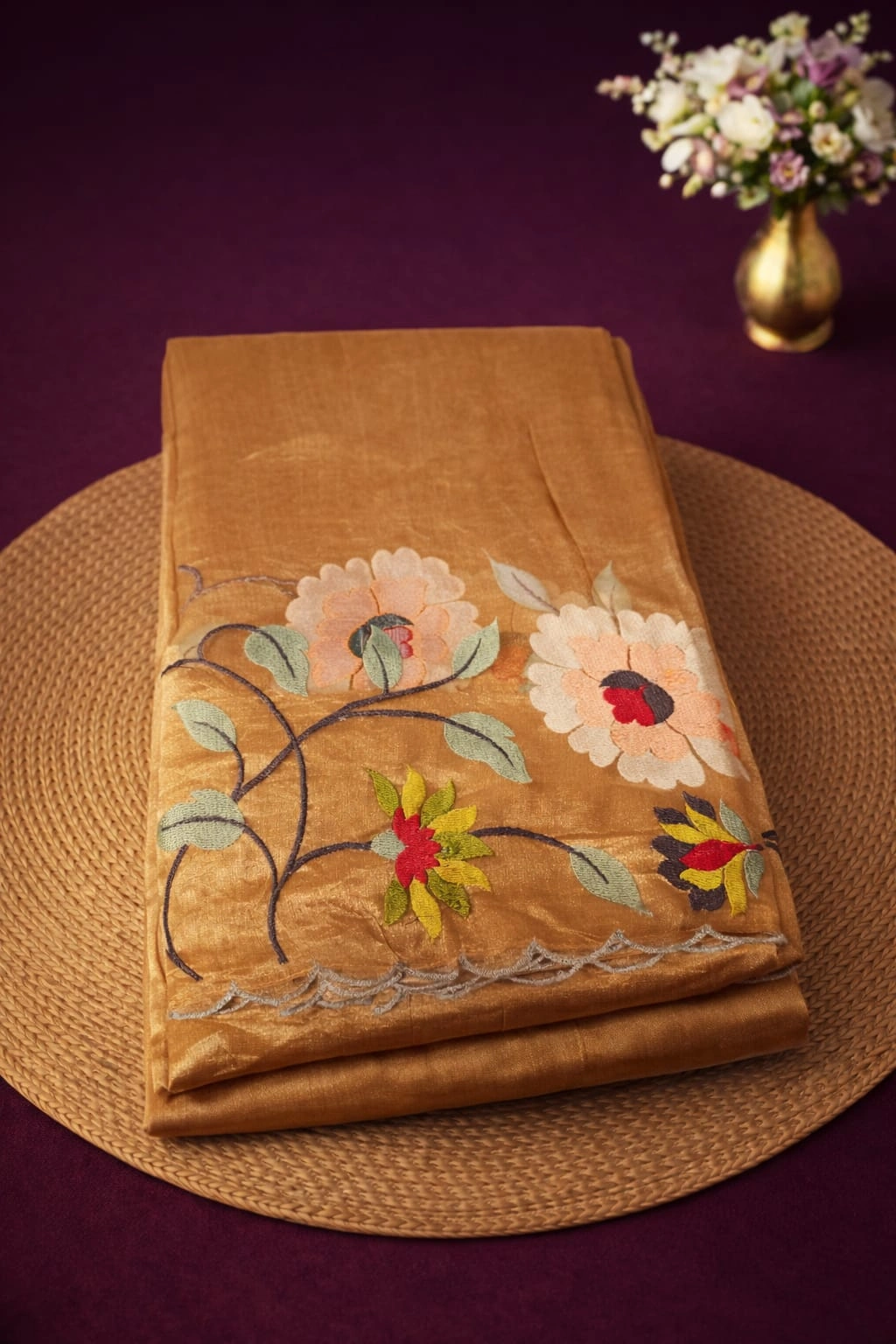
Why Is Tussar Silk Gold-Colored?
Tussar silk is naturally gold-colored due to the pigments present in the cocoons of wild silkworms, particularly Antheraea mylitta. These pigments, influenced by the silkworms’ diet of forest leaves, result in fibers with a subtle golden-beige hue. This gives Tussar its signature earthy glow and sets it apart from the bright white of mulberry silk.
The natural color is prized by artisans and designers who often leave it undyed to highlight its organic beauty. Dyeing, when done, retains the undertone, resulting in muted, sophisticated palettes that flatter most Indian skin tones. The gold color is not a finish or treatment, but a true marker of authentic wild silk.
How to Style Tussar Silk Sarees for Modern Occasions
Tussar silk sarees, with their versatile drape and textured sheen, are well-suited for both traditional and modern occasions. For weddings, select Tussar sarees with zari borders or meenakari work for an elevated look. Pair with temple jewelry or modern statement pieces, depending on your style. For festive gatherings, a simple Tussar saree with a contrasting blouse—think jewel-toned silk or hand-embroidered cotton—can feel both rooted and contemporary.
- Choose a Luxurious Pure Banarasi Katan Silk Saree with Meenakari Weaving for grand celebrations; its katan silk body and intricate meenakari motifs evoke the richness of Varanasi handlooms.
- The Exquisite Pure Banarasi Kora Tissue Saree pairs beautifully with antique gold jewelry and can be styled with a silk blouse for a refined brunch or puja.
- For a softer glow, the Elegant Pure Banarasi Kora Tissue Saree with Lustrous Finish offers a blend of comfort and sophistication—perfect for day-to-evening wear.
For more styling inspiration and fabric tips, see our guide on sheer Chanderi weaves and saree gifting etiquette.
How to Care for Tussar Silk: Wash, Fold, Store
- Washing: Always dry clean Tussar silk sarees to maintain their structure and sheen. Water can dull the natural color and weaken the fibers.
- Folding: Refold every few months along different creases to avoid permanent lines or tearing along zari work.
- Storage: Store wrapped in a muslin cloth in a cool, dry place. Avoid plastic, which can trap moisture and lead to mildew.
- Protection: Place neem leaves or silica gel packets nearby to deter insects without chemical sprays.
Pro Tip: If your Tussar saree has zari, roll it with a sheet of acid-free tissue between folds to prevent tarnishing and fiber cuts. Never hang heavy silk sarees for long periods—they may stretch or lose shape.
Swathi Design’s sarees are shipped with care instructions and a 48-hour video policy for any damaged items, ensuring your heirloom pieces arrive in pristine condition.
What is Tussar Silk Made From?
Tussar silk is made from the cocoons of wild silkworms, mainly Antheraea mylitta, found in Indian forests. Unlike mulberry silkworms, these feed on native trees like Arjun and Asan, creating a silk that is naturally gold-toned and textured. The process is managed by tribal communities, who collect and reel the cocoons by hand.
Why is Tussar Silk Gold-Colored?
Tussar silk’s gold color comes from natural pigments in the wild silk cocoon. The silkworms’ diet of forest leaves imparts this unique hue, resulting in fibers with an earthy, organic appearance that cannot be mimicked by most synthetic or cultivated silks.
Is Tussar Silk Better Than Mulberry Silk?
Both Tussar and mulberry silk have their strengths. Tussar silk is prized for its textured, breathable feel and wild origin, making it ideal for warm climates and those who appreciate natural textiles. Mulberry silk, in contrast, is smoother and more lustrous, often favored for formal occasions. The choice depends on personal preference and intended use. For more on silk types, consult textile authorities like the Central Silk Board of India.
Is Tussar a Wild Silk?
Yes, Tussar is a wild silk. It is produced from silkworms that live and spin their cocoons in the wild, rather than on cultivated farms. This wild origin gives Tussar its unique texture and eco-friendly reputation among handloom connoisseurs.
Why Choose Tussar Silk Sarees?
Choose Tussar silk for its natural gold sheen, lightweight comfort, and cultural connection to India’s tribal weaving heritage. Tussar’s textured slub and earthy hues offer a unique alternative to both heavier mulberry silks and synthetic blends, making it a meaningful addition to any saree collection.
Shop the Collection
For authentic Banarasi and Tussar-inspired sarees in the US, browse our full collection at Swathi Design. Each piece is sourced from Indian artisan weavers and shipped with care, so you can celebrate tradition with confidence. For styling help or to confirm prices, Swathi Design offers a WhatsApp concierge and transparent US shipping policies. Explore, ask, and find the perfect saree for your next celebration.
Featured in this guide
Part of the Handwoven Silks: Chanderi, Tussar & Raw Mango guide collection.
Related guides
- Elevate Every Occasion: Handcrafted Indian Gowns & Frocks for Modern Celebrations in the USA
- Elevate Every Occasion: Pure Chanderi Pattu Silk Sarees for Indian-Americans in the USA
- Exquisite Russian Crape Silk Saree: Timeless Elegance for Every Occasion
- Luxurious Pure Russian Crape Saree: Timeless Elegance for Every Occasion
- Elevate Your Festive Wardrobe with Exquisite Handwoven Chanderi Sarees and Anarkali Dresses