Wedding Trousseau Checklist, Built Around a Budget
Not every saree or accessory earns its place in a US-based bride’s wedding trousseau. Here’s a practical, occasion-by-occasion checklist for what to buy, what to skip, and how to allocate your budget—plus a worked example and real product picks from Swathi Design.
Wedding Trousseau Checklist: Start With What You’ll Actually Wear
Let’s get right to it. Building your wedding trousseau as a US-based Indian bride isn’t about amassing a mountain of saris and jewelry. It’s about choosing the right handful of pieces—those that truly suit your occasions, budget, and practical reality. I’m Meera Shah, and as a wedding & occasion style consultant, I’ve helped dozens of Indian-American brides (and their families) sidestep the trap of “one saree per event” and instead focus on what you’ll love, wear, and reach for again. This wedding trousseau checklist gives you a clear, actionable plan, with examples, do’s and don’ts, and beautiful options you can buy right here in the US.
We’ll walk through each key event—mehendi, sangeet, wedding, and reception—plus what to skip, how to allocate your budget, and a worked sample list with real links from Swathi Design’s California-based store. Our focus: wedding trousseau checklist decisions that make sense for Indian-American brides and guests alike.
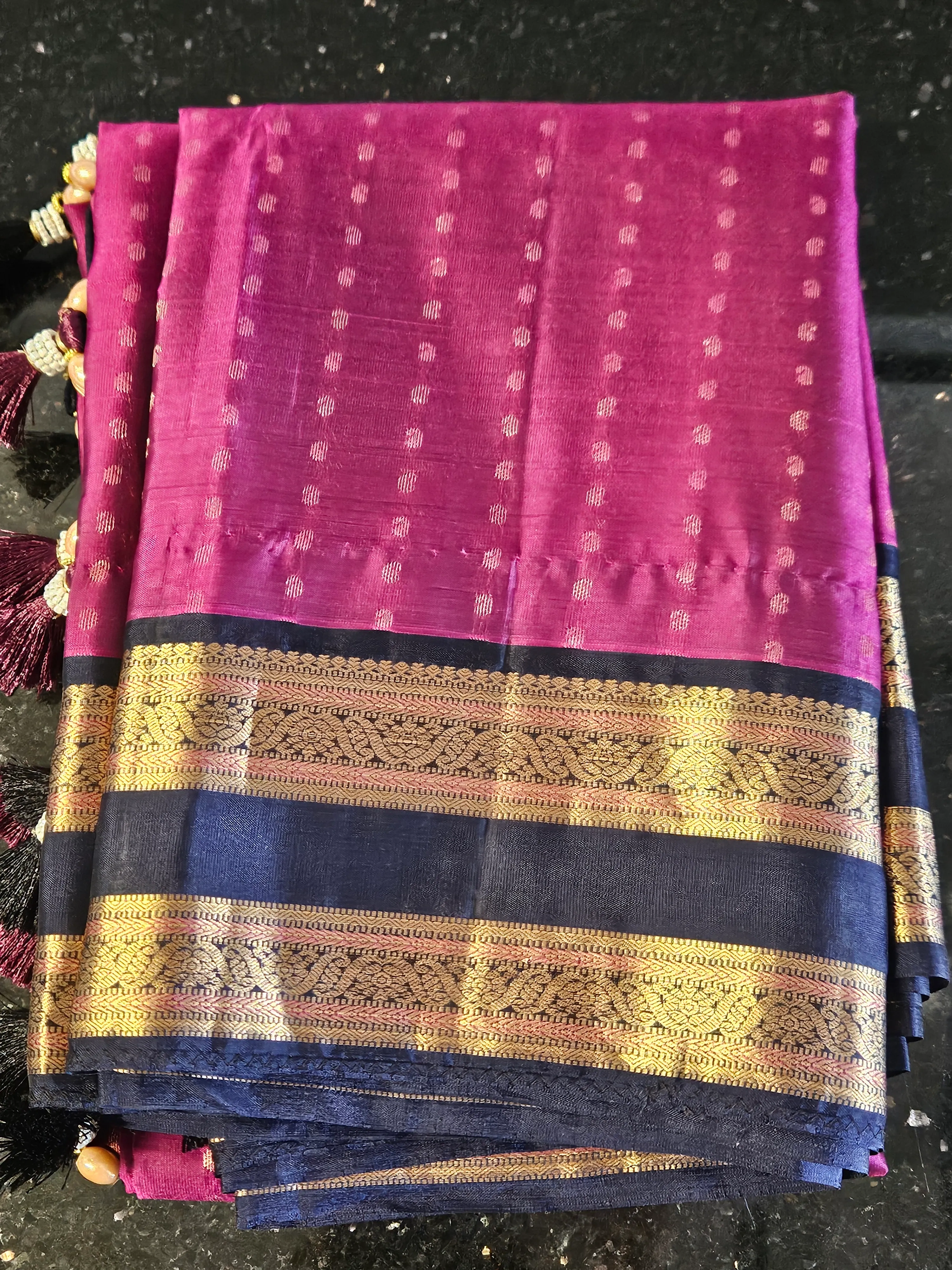
What is a Wedding Trousseau? (Definition Snippet)
A wedding trousseau is a curated collection of clothing, jewelry, and accessories a bride assembles before marriage, traditionally including sarees, lehengas, and everyday wear for post-wedding life. In the Indian tradition, the trousseau reflects heritage, personal style, and readiness for special and daily occasions.
Trousseau Checklist Criteria: What Earns Its Place
- Wearability: Will you realistically wear it for US-based events, family gatherings, or festivals like Diwali?
- Quality vs. Quantity: Fewer, beautifully crafted pieces outlast a stack of average ones.
- Heritage Value: Look for handloom silks, Banarasi or Kanchipuram weaves, and real zari work.
- Budget Fit: Allocate more to the couple of pieces you’ll cherish and re-style for years.
- Easy Care: In the US, dry cleaning options are limited; favor sarees with care instructions you can realistically follow.
- Versatility: Can it work for both formal and semi-formal events? The best trousseau sarees dress up or down with different jewelry.
Budget Tiers for Trousseau Sarees (Table Snippet)
| Budget | Examples | What to Expect |
|---|---|---|
| Under $100 | Lightweight georgette, cotton silk | Everyday or puja wear; not ideal for main events |
| $100 - $300 | Handwoven Banarasi, simple Kanchipuram | Rich wedding-ready silk, real zari, heritage craft |
| $300+ | Pure Kanchipuram bridal silk | Showstopper pieces, intricate zari, heirloom quality |
Occasion-by-Occasion: What to Wear, What to Skip
Here’s how to plan your trousseau across main wedding events, for both brides and fashion-conscious guests. (This works for sisters, cousins, even the style-minded mother of the bride!)
Mehendi: Comfort and Color
- Recommended: A lightweight silk or Banarasi saree, ideally with bright but not too precious zari work. You’ll be moving, sitting, and your wrists will get henna—avoid anything that snags or stains easily.
- Guest Tip: Pick something you can re-wear at Diwali or a friend’s sangeet.
- Product Pick: Handwoven Banarasi Silk Saree with Zari Motifs ($140). This Banarasi blends intricate floral zari with pure silk for a soft drape—perfect for vibrant mehendi photos and all-day comfort. The versatile color palette flatters all tones.
Sangeet: Statement with Ease
- Recommended: A lush Banarasi or lighter Kanchipuram silk saree with bold borders. Sangeet calls for sparkle, but you’ll also be dancing and mingling—avoid heavy embroidery that restricts movement.
- Guest Tip: Pair with contemporary jewelry—a choker or layered chains.
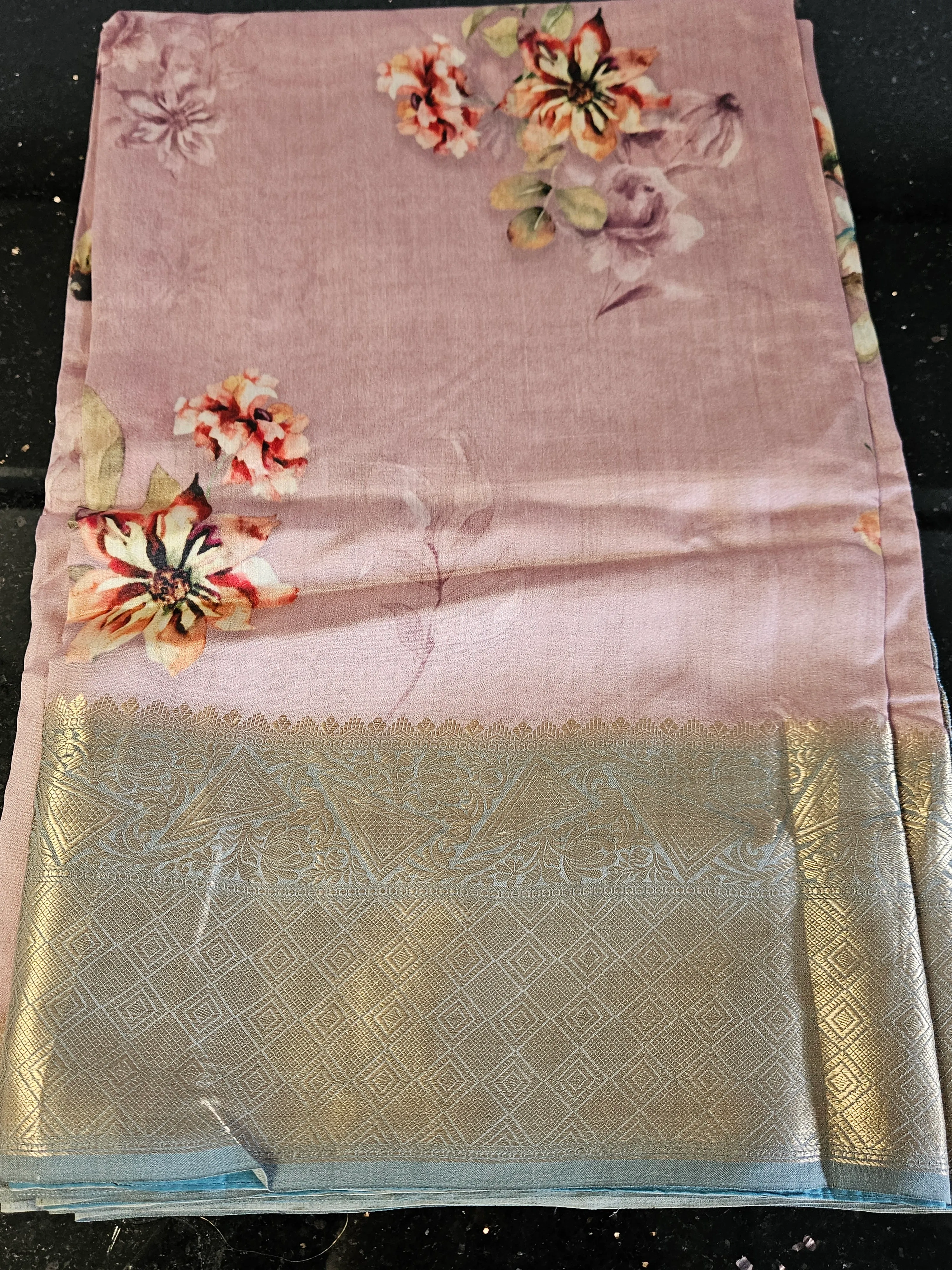
- Product Pick: Handwoven Banarasi Silk Floral Wedding Saree ($140). Handwoven in Varanasi, this saree’s luminous finish and floral motifs read festive without being overwhelming. Lightweight enough for dancing, and pairs well with both gold and modern accessories. For more on surviving the dance floor, see our sangeet guest styling guide.
Wedding Day: Tradition Meets Heirloom
- Recommended: For the bride, a pure Kanchipuram silk saree with intricate gold zari motifs—timeless, regal, and rooted in South Indian tradition. For close family or guests, a Banarasi or simpler Kanchipuram with real zari adds gravitas without overshadowing the bride.
- Product Pick: Pure Kanchipuram Silk Bridal Saree with Intricate Zari Work ($245). Handwoven in Kanchipuram, this saree’s temple-inspired motifs and shimmering gold zari make it an heirloom piece. Pair with traditional temple jewelry or statement gold for full effect.
Reception: Versatile & Modern
- Recommended: A Banarasi silk saree with subtle zari or a contemporary border. Think sophisticated, not bridal—this is your chance to experiment with modern blouses or diamond jewelry.
- Guest Tip: Choose a saree that photographs well under evening lights. Avoid fabrics that crease easily or look dull in photos.
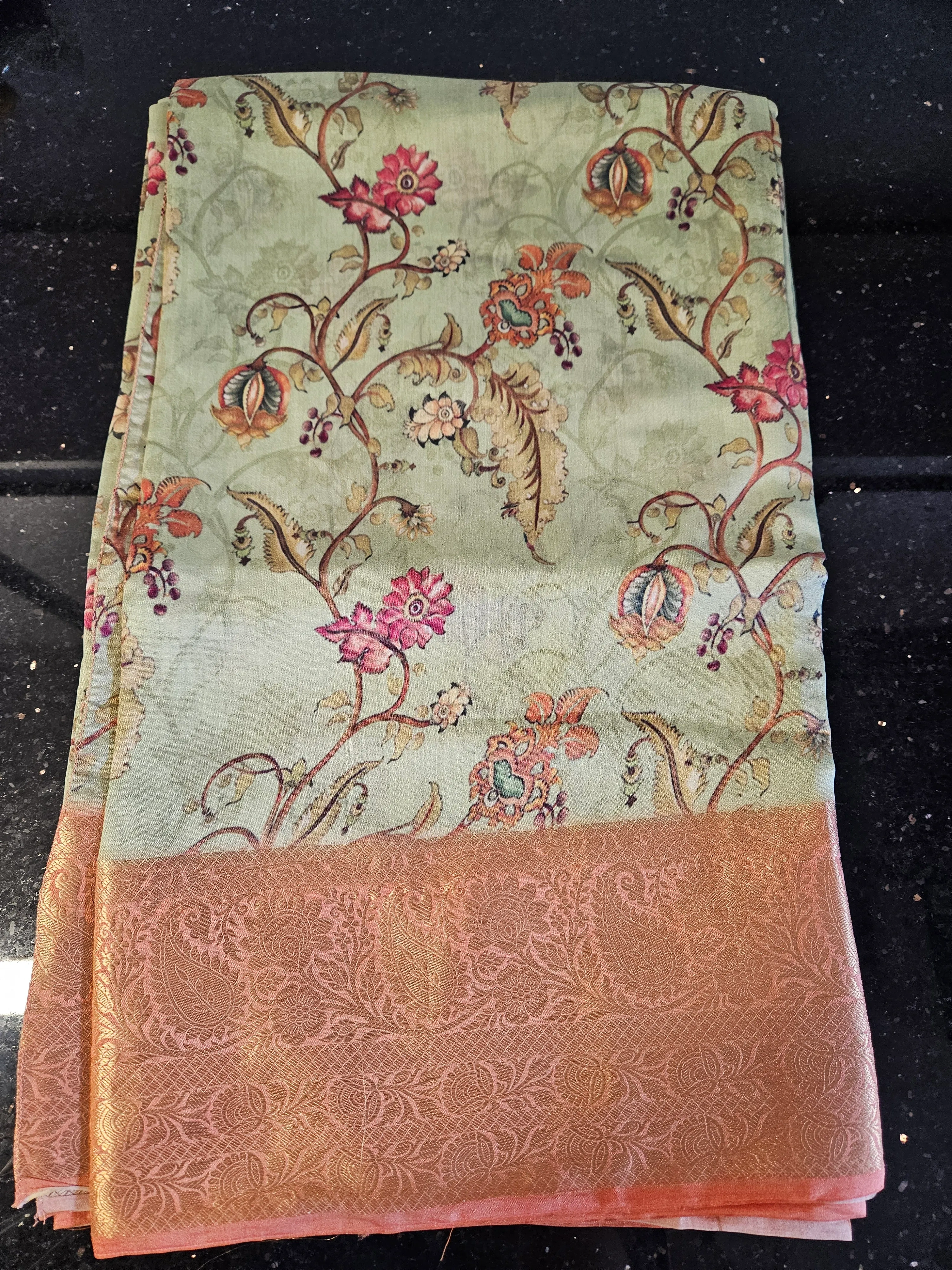
- Product Pick: The Handwoven Banarasi Silk Saree with Zari Motifs works beautifully for a reception, especially styled with a sleeveless blouse and drop earrings.
What to Skip: Common Trousseau Mistakes (List Snippet)
- Heavy, stiff sarees that never see the light after the wedding
- Trendy colors that date quickly—stick to jewel tones, classic reds, or golds
- Duplicate pieces: Two similar reds or pinks aren’t necessary
- Overly ornate blouses that limit how you can re-style the saree
- Too many lehengas—outside India, you’ll likely wear a saree more often
- Cheap synthetic blends—they don’t drape or last like silk, and feel hot in US venues
Sample Budget Allocation: A Real Trousseau List
Here’s a worked example for a $650 budget, balancing major events, daily wear, and future re-use:
| Item | Product | Event | Price |
|---|---|---|---|
| Kanchipuram Bridal Saree | Pure Kanchipuram Silk Bridal Saree | Wedding Ceremony | $245 |
| Banarasi Silk Saree (Floral) | Handwoven Banarasi Silk Floral Saree | Sangeet, Festivals | $140 |
| Banarasi Silk Saree (Zari Motifs) | Handwoven Banarasi Silk Saree with Zari Motifs | Reception, Guest Wear | $140 |
| Lightweight Everyday Saree | Choose from Sarees | Puja, Family Gatherings | $100-125 |
Total: $625-650. This mix covers every occasion, prioritizes handloom silks, and leaves room for a practical everyday saree you’ll actually reach for. Notice: no duplicate reds, no single-use lehengas, and every piece can be re-styled for future events.
How Many Sarees Belong in a Trousseau? (FAQ)
Most modern trousseaux for US-based brides include 3-5 sarees: one statement Kanchipuram (for the main ceremony), two versatile Banarasi silks (for sangeet and reception), and one or two lighter everyday sarees for smaller pujas and gatherings. Focus on quality and re-wear potential over sheer quantity.
What Trousseau Items Go Unworn? (FAQ)
Items that go unworn in a US-based trousseau include stiff or heavy sarees, overly ornate lehengas, and duplicate reds or pinks. Trend-driven styles, synthetic fabrics, and blouses with restrictive cuts also tend to stay in boxes. Prioritize comfort, classic colors, and versatile styling to get true value from your trousseau.
How Should a US Bride Allocate the Trousseau Budget? (FAQ)
For a US bride, allocate trousseau budget by prioritizing one or two high-quality silk sarees (like Kanchipuram or Banarasi) for wedding and reception, then fill in with versatile, lighter sarees for festivals and everyday wear. Spend more on the pieces you’ll re-style, less on single-use outfits.
When Should Trousseau Shopping Start? (FAQ)
Begin trousseau shopping 4-6 months before the wedding to allow time for shipping, alterations, and blouse tailoring. This timeline ensures you can consult with family, order from artisan-focused stores like Swathi Design, and avoid last-minute stress—even if you need US-based delivery and support.
Non-Obvious Tips: What Most Guides Miss
- Silk Care in the US: Always dry clean your pure silk sarees, but ask your cleaner to use a solvent safe for zari (some US dry cleaners use harsh chemicals).
- Storing Sarees: Store your Kanchipuram and Banarasi sarees in a muslin pouch or cotton bag, not plastic. This prevents moisture buildup and keeps zari from tarnishing.
- Mixing Jewelry: Don’t feel limited to traditional gold—Banarasi sarees look stunning with diamond studs or even modern statement earrings for the reception.
- US Venue Reality: Air conditioning in US banquet halls can make heavy sarees feel suffocating. Lightweight, pure silk options are more comfortable for long events.
How to Style a Kanchipuram Saree for a Wedding? (Paragraph Snippet)
To style a Kanchipuram saree for a wedding, pair the saree’s rich gold zari motifs with traditional temple jewelry and a classic red or green blouse for the ceremony. For a reception, switch to a sleeveless blouse and modern gold or diamond jewelry. Finish with a low bun and gajra for a timeless South Indian bridal look.
Heritage & Craftsmanship: Why Choose Handwoven Silks?
Kanchipuram sarees have been handwoven for over 400 years in Tamil Nadu, with each piece crafted on pit looms by skilled weavers. Genuine Banarasi silk sarees hail from Varanasi’s artisan families, using centuries-old techniques to create intricate zari patterns. Real zari work uses gold-plated threads, offering lasting sheen and heirloom value. According to the National Handloom Development Corporation, supporting handloom sarees sustains artisan communities and preserves our rich textile heritage.
Shop the Collection
Ready to build your wedding trousseau checklist? Browse our full collection of handpicked sarees, or connect with Swathi Design’s WhatsApp stylist for tailored advice. US-based, flat-rate shipping and a 48-hour video policy on damaged items mean you can shop with confidence, knowing each piece is sourced directly from Indian weaver communities.
For more occasion-specific advice, see our guides on choosing between gowns and sarees for weddings or Diwali party outfit planning. Your trousseau should reflect your heritage—and your real life. Make every piece count.
Featured in this guide
Part of the Indian Wedding & Festive Dressing guide collection.
Related guides
- Chanderi Silk Suits in USA: Embrace Ethnic Grace for Weddings & Festive Occasions
- Elevate Your Festive Wardrobe: Stunning Indian Dresses for US Weddings & Celebrations
- Celebrate Indian Heritage in the USA: Pure Silk Gowns for Weddings & Festive Glamour
- Elevate Your Wedding Look with Exquisite Pure Banarasi Kora Tissue Sarees
- Timeless Elegance: Discover the Pure Banarasi Kora Tissue Saree Collection for Weddings & Festivals