Gown or Saree? An Indian Wedding Guest Guide
Torn between a saree and a gown for your next Indian wedding? This practical guide breaks down which option works best for different venues, comfort needs, and photo moments. Find your answer in a clear, occasion-by-occasion decision matrix—plus expert styling tips for every guest.
Gown or Saree for a Wedding Guest? Here’s the Short Answer
If you’re a guest at an Indian wedding in the US, the decision between a saree and a gown depends on venue formality, how confident you feel draping, how much you’ll be standing, and how you want to look in photos. Sarees offer timeless tradition and photograph beautifully; Indo Western gowns are practical, especially if you need to move, dance, or dress without help. Below, you’ll find a quick comparison table to help you decide at a glance.
| Factor | Saree | Indo Western Gown/Set |
|---|---|---|
| Venue Formality | Ideal for traditional, formal venues | Perfect for contemporary, semi-formal settings |
| Comfort for Long Events | Elegant but may need adjusting | Effortless comfort, easy to wear all day |
| Need for Draping Help | Often needs assistance | No help needed; slip on and go |
| Photography | Classic, timeless in group shots | Modern, sleek; easier for candid photos |
| Budget | $115–$185 for featured sarees | $48 for a 3-piece Chanderi set |
Let’s break down your options as a guest for mehendi, sangeet, and reception events—plus what to wear, comfort tips, real styling solutions, and a final recommendation matrix.
Sarees for Wedding Guests: Tradition Meets Modern Ease
Sarees are the default for Indian wedding formality—especially for receptions, religious ceremonies, and milestone rituals. They’re a canvas for regional artistry, from the shimmering Banarasi tissue sarees of Varanasi to contemporary Russian crape blends. For US-based guests, the key is finding a saree that’s both visually striking and practical for long hours.
- Pros: Timeless elegance, universally recognized in photos, works across formal venues, honors tradition, easy to dress up or down with jewelry.
- Cons: Can require draping help, may shift after hours of movement, not always beginner-friendly for first-time wearers.
Featured pick: The Luxurious Handwoven Banarasi Kora Tissue Saree ($185) is handwoven in Banaras, featuring intricate zari in timeless motifs—think paisleys and florals that shimmer in both daylight and evening settings. Banarasi sarees have been woven for centuries, and their tissue blend ensures a feather-light drape that won’t weigh you down. This is a true statement piece for the main ceremony or reception, designed for comfort without sacrificing grandeur.
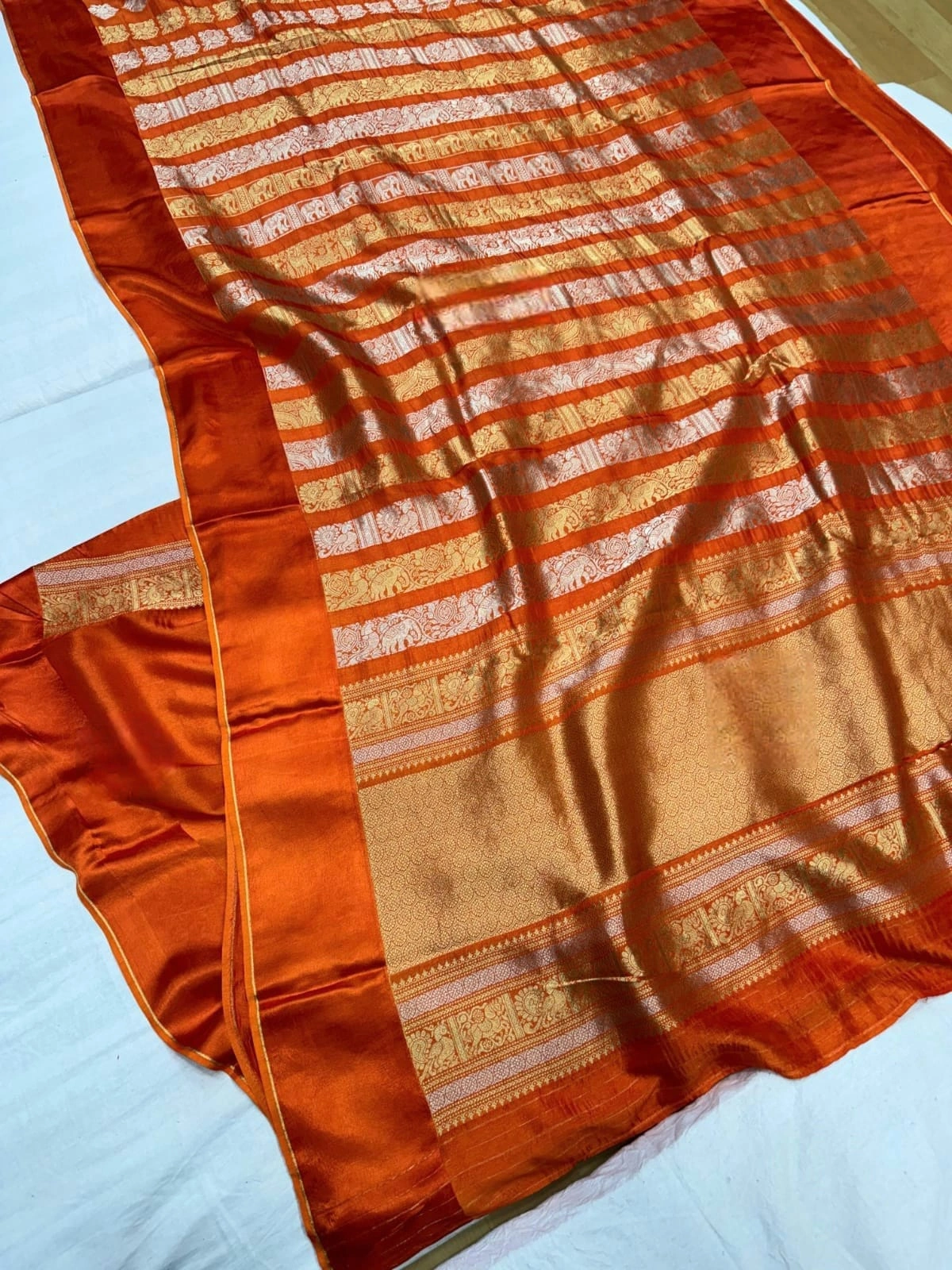
If you’re newer to sarees or want something easier to wear, the Pure Russian Crape Saree ($115) offers a softly lustrous beige finish that drapes naturally—no stiff pleats, just a gentle fall that works for both day and evening events. Russian crape is prized for its wrinkle resistance and breathability, making it an excellent choice for US venues with indoor-outdoor transitions. Pair with statement earrings and a sleek clutch for a modern touch.
Saree Mistakes to Avoid
- Don’t: Wait until the last minute to practice draping, especially if you’re new. Give yourself a run-through at least a week in advance.
- Don’t: Overload with heavy jewelry if your saree already features zari or detailed embroidery; let one element shine.
- Do: Consider saree shapewear or a well-fitted petticoat for a smooth look (see our saree petticoat & shapewear guide for US sizing).
- Do: Opt for a safety pin or two at the shoulder and pleats—especially if you’ll be dancing or moving between venues.
Indo Western Gown & Chanderi Sets: Effortless Elegance for Modern Guests
If your event leans contemporary or you want seamless comfort, an Indo Western gown or coordinated set is a smart pick. These outfits blend Indian textiles (think silk, Chanderi, georgette) with Western tailoring—giving you the movement and ease of a gown with the cultural nod of Indian motifs and fabrics.
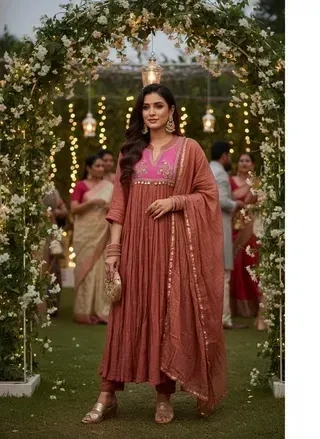
- Pros: Effortless to wear (no draping required), perfect for sangeet and mehendi where you’ll be moving, dancing, or eating with your hands. Adjustable waists and flowing silhouettes flatter a range of body types. Easy to accessorize with gold jewelry or minimal pieces for a fusion look.
- Cons: May not match the gravity of a traditional saree at very formal or religious functions; less traditional for main wedding ceremonies.
Consider the Pure Mul Chanderi Silk 3-Piece Outfit (price confirmed on inquiry) for a mehendi, sangeet, or even a daytime wedding. The soft gold Mul Chanderi silk breathes well (a must for crowded banquet halls), and the set includes a tailored kurta, adjustable-bottom, and a generous 2.5m dupatta—so you can move, dance, and sit cross-legged for rituals without fuss.
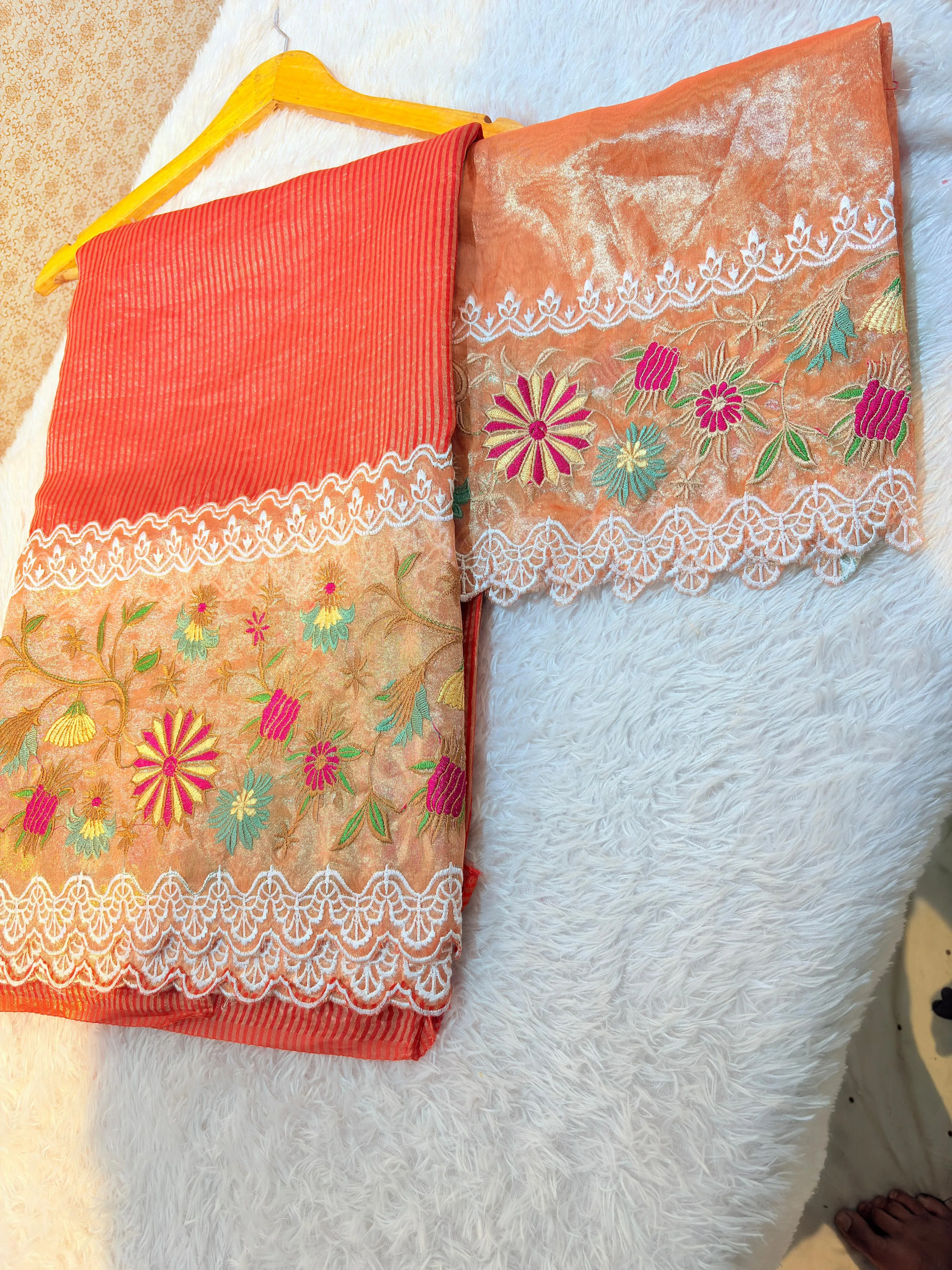
Chanderi from Madhya Pradesh is celebrated for its unique weaving technique, which incorporates silk and cotton yarns for a gossamer-light effect. The subtle sheen of this fabric catches the light beautifully in photos, and the outfit transitions easily from daytime rituals to evening parties with a change of earrings and shoes.
Gown & Set Mistakes to Avoid
- Don’t: Choose a gown with excessive Western embellishments for the main ceremony; opt for pieces with Indian motifs or traditional fabrics for the right cultural balance.
- Do: Check the fit of the kurta and bottom before the event—adjust waist ties for comfort and silhouette.
- Don’t: Neglect the dupatta—drape it over one shoulder for a formal look or let it flow for ease during dancing.
- Do: Pair with Indian footwear like embellished juttis for authenticity and comfort.
How to Choose Between a Saree and Gown for Mehendi, Sangeet, & Reception
- Mehendi: Comfort is king. You’ll be sitting, standing, and likely getting your hands decorated—choose a gown or Chanderi set for easy movement and minimal fuss.
- Sangeet: Dancing and mingling dominate. If you love sarees, a lightweight drape like the Russian crape is perfect, but a gown or set makes quick changes easier and stays put all night.
- Reception: This is the time to bring out the Banarasi or tissue saree for that classic, formal look—especially for group photos and formal family moments. If you’re not confident about draping, a pre-stitched saree (not featured here) or an Indo Western gown with Indian detailing is a solid backup.
Browse more saree options in our saree collection or explore modern dresses in dresses.
Pro Tips: Comfort, Tradition & Photos
- Standing for hours? Gowns and Chanderi sets are lighter and shift less as you move. Russian crape sarees are the most forgiving for long events among sarees.
- Photography-friendly? Sarees, especially Banarasi and tissue, have a luminous sheen that photographs beautifully in both daylight and artificial lighting. Gowns and Chanderi sets have a soft, diffused glow—excellent for candid shots and movement.
- Draping help? If you don’t have help, opt for a Chanderi set or gown. Sarees are best if you have a friend, family member, or are experienced with draping (or book a local stylist in advance).
- Respecting tradition? Sarees are expected at religious ceremonies and formal receptions, but modern Indo Western sets are completely appropriate for sangeet, cocktail, and mehendi functions.
What is a Banarasi Kora Tissue Saree?
Banarasi Kora Tissue Saree is a handwoven silk saree from Varanasi, India, crafted with a blend of Kora (organza) silk and metallic tissue threads. Known for their feather-light drape and luminous sheen, these sarees are adorned with intricate zari work depicting traditional Indian motifs like paisleys and florals, making them a popular choice for weddings and formal events.
How to Style a Saree for a Wedding?
- Choose a saree that matches the event’s formality—Banarasi or tissue for receptions, lighter crape for sangeet/mehendi
- Pair with statement earrings or a choker; avoid over-layering
- Opt for sleek low bun or side-swept hair for a polished look
- Use a secure saree petticoat or shapewear for smooth draping
- Finish with metallic or embellished sandals
Occasion-by-Occasion Recommendation Matrix
| Event | Best for Saree | Best for Gown/Set |
|---|---|---|
| Mehendi | Experienced draper, wants tradition | All guests, especially if solo |
| Sangeet | Loves classic photos, comfort with dance | Wants no-fuss, easy movement |
| Reception | Formality, tradition, group photos | If new to sarees or want a fusion vibe |
FAQs: Gown or Saree for Indian Weddings
Is a gown acceptable at a traditional Indian wedding?
Yes, an Indo Western gown or Indian three-piece set is widely accepted at US-based Indian weddings, especially for sangeet, mehendi, and cocktail events. For the main religious ceremony or formal reception, sarees are more traditional, but gowns with Indian fabrics and motifs are perfectly appropriate for guests. Always check with the host if unsure.
What if I cannot drape a saree myself?
If you cannot drape a saree yourself, opt for an Indo Western gown or a Chanderi kurta set, which require no draping at all. Some guests also consider pre-stitched sarees, but among classic options, a three-piece set like the Pure Mul Chanderi Silk 3-Piece Outfit is the simplest and most reliable for solo dressing.
Which is more comfortable for a long evening?
Indo Western gowns and Chanderi sets are generally more comfortable for long evenings since they require no adjusting and allow full movement. Sarees like Russian crape are also lightweight and suitable for all-day wear, but may need occasional adjustment if you’re moving a lot.
Which photographs better?
Sarees, especially Banarasi and tissue varieties, photograph beautifully in both daylight and evening settings due to their sheen and intricate motifs. Gowns and Chanderi sets have a soft, diffused glow that looks elegant in candid and movement shots. Both photograph well—choose based on the event and your personal style.
Real Guest Scenarios: What to Wear and Why
- Scenario 1: You’re attending a formal evening reception at a hotel ballroom, want to pay homage to tradition, and will be in family photos. Choose the Handwoven Banarasi Kora Tissue Saree—it’s classic, regal, and stands out in group photos.
- Scenario 2: You’re solo, invited to a friend’s mehendi and need to be able to dress quickly and move easily. Wear the Pure Mul Chanderi Silk 3-Piece Outfit—comfortable, stylish, and no draping required.
- Scenario 3: You love sarees but want something manageable for a sangeet with lots of dancing. The Pure Russian Crape Saree offers the right balance: soft, drapes easily, and resists wrinkles.
Shop the Collection
Still weighing your options? Browse our full collection of sarees, Indo Western gowns, and festive sets, all sourced directly from Indian artisan weavers. For personal styling advice, Swathi Design offers WhatsApp consultations—perfect for last-minute help or confirming US sizing. US flat-rate shipping and easy care instructions make every piece a wardrobe staple for years to come.
For more outfit planning tips, see our guides to multi-event styling and festive fashion on every budget.
Featured in this guide
Part of the Indian Wedding & Festive Dressing guide collection.
Related guides
- Chanderi Silk Suits in USA: Embrace Ethnic Grace for Weddings & Festive Occasions
- Elevate Your Festive Wardrobe: Stunning Indian Dresses for US Weddings & Celebrations
- Celebrate Indian Heritage in the USA: Pure Silk Gowns for Weddings & Festive Glamour
- Elevate Your Wedding Look with Exquisite Pure Banarasi Kora Tissue Sarees
- Timeless Elegance: Discover the Pure Banarasi Kora Tissue Saree Collection for Weddings & Festivals