Diwali Party Outfits: Three Looks, Three Budgets
Three complete Diwali looks at three price points for US celebrations—from elegant sarees to modern gowns—plus practical tips on what to reuse, where to splurge, and how to look festive without stress.
Diwali Party Outfits: Key Takeaways
- Get three complete looks for Diwali, each at a different price tier
- Clear recommendations on what to reuse and where to invest
- Diwali party outfits styled for US-based Indian-Americans—guests, not just brides
- Product links, real fabric details, and practical care guidance included
| Budget | Look | Main Piece | Best For | Price |
|---|---|---|---|---|
| Entry | Modern Anarkali Gown | Ivory Muslin Anarkali Gown | Home Diwali, Office, Family Gatherings | $30 |
| Mid | Classic Chanderi Set | Pure Mul Chanderi Silk 3-Piece Outfit | Festive Evenings, Puja, Friends' Parties | price confirmed on inquiry |
| Premium | Handloom Pattu Saree | Pure Handloom Raw Mango Pattu Silk Saree | Weddings, Grand Diwali, Gala Events | $185 |
Let’s get straight to the point: You want Diwali party outfits that feel festive and elegant, fit your US lifestyle, and don’t force you to buy three new sets for one week. Here’s how I’d style you smartly—one look for every budget tier, with real pieces from Swathi Design, plus tips to reuse what you own.
1. Modern Anarkali on a Budget ($30)
When to Wear This
- Office Diwali party (works beautifully with a wrap or blazer, if needed)
- Home celebrations with family or small friend groups
- Diya-lighting and casual pujas
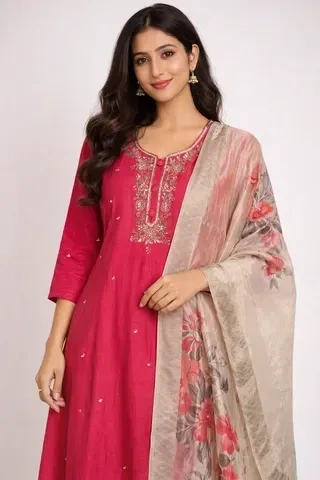
The Ivory Muslin Anarkali Gown is the answer for anyone who wants to look dressed up without fuss. At $30, it’s a rare find—100% muslin, lightweight, and US-size friendly (4-12). The hand-finished patterns and serene ivory shade walk that fine line between modern minimalism and Indian festive tradition. This is the dress you can twirl in while serving mithai, or slip a cropped jacket on for an office gathering.
How to Style It
- Jewelry: Go bold for parties (think Kundan danglers or a statement choker), or keep it soft with pearls for office events. Avoid overpowering the handwork.
- Shoes: Gold or nude pumps elevate; flats or embellished sandals work for house parties.
- Hair & Makeup: Low, sleek bun for formal, loose waves for casual. Classic red or berry lip always suits ivory.
What to Reuse
- Your go-to gold clutch or minaudière
- Any gold or pearl jewelry
- Cream, nude, or gold-tone shoes
- A soft shawl or pashmina for layering (especially handy for chilly US evenings)
Mistakes to Avoid
- Don’t overdo accessories—let the handcrafted pattern shine
- Don’t pick heavy dupattas; the muslin fabric is meant to move
- Skip neon or overly bright accents—ivory is about quiet luxury
Insider tip: If you want to reuse this gown later, add a bright Banarasi dupatta and heavy jhumkas to make it wedding-ready, or belt it for a fusion brunch look. It cleans up easily—hand wash or dry clean, so you won’t stress about mithai stains.
2. Chanderi Silk Set: Mid-Range Festive ($48)
When to Wear This
- Evening Diwali party (with friends or extended family)
- Puja at home or community center
- Small wedding events (haldi, mehendi, or sangeet guest)
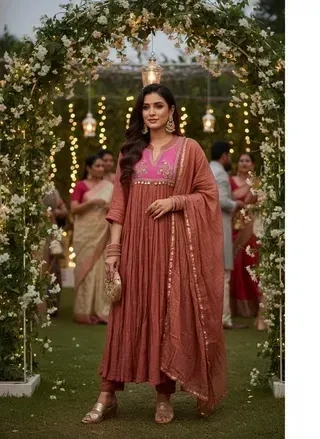
The Pure Mul Chanderi Silk 3-Piece Outfit is a Diwali classic for good reason. Mul Chanderi, a specialty of Madhya Pradesh, is celebrated for its airy feel and luminous finish. The soft gold hue is universally flattering and photographs beautifully at night. This set (kurta, adjustable bottom, and 2.5-meter dupatta) is practical—no fussing with pins or drapes, just slip on and go.
How to Style It
- Jewelry: Layer on gold bangles, chandbalis, or a delicate maang tikka for Indian events. For a Western touch, a structured clutch and simple studs work well.
- Footwear: Embellished juttis or metallic block heels for comfort on long evenings.
- Dupatta styling: Pin one corner to your shoulder and let the rest flow for a no-fuss look at a buffet or while holding a diya.
What to Reuse
- Favorite gold clutch
- Traditional or contemporary gold jewelry
- Any metallic or beige sandals or juttis
- Lightweight shawl or wrap for extra warmth (Chanderi is light but not sheer)
Mistakes to Avoid
- Don’t skip steaming—Chanderi creases easily, but a hand steamer keeps it crisp
- Don’t overload with heavy necklaces; the kurta’s subtle sheen does the work
- Don’t wear with too-short pants—aim for ankle-length for a longer line
Insider tip: If you want to make this outfit feel new next year, swap in a colored dupatta from your collection (magenta or emerald pop against gold!) or add a brocade potli bag. Hand wash in cold water and air dry to keep the silk fresh for years.
3. Luxury Handloom Pattu Saree ($185+)
When to Wear This
- Grand Diwali gala or temple event
- Weddings (guest, sister of bride/groom, or family photo ops)
- Formal evening parties where tradition is celebrated
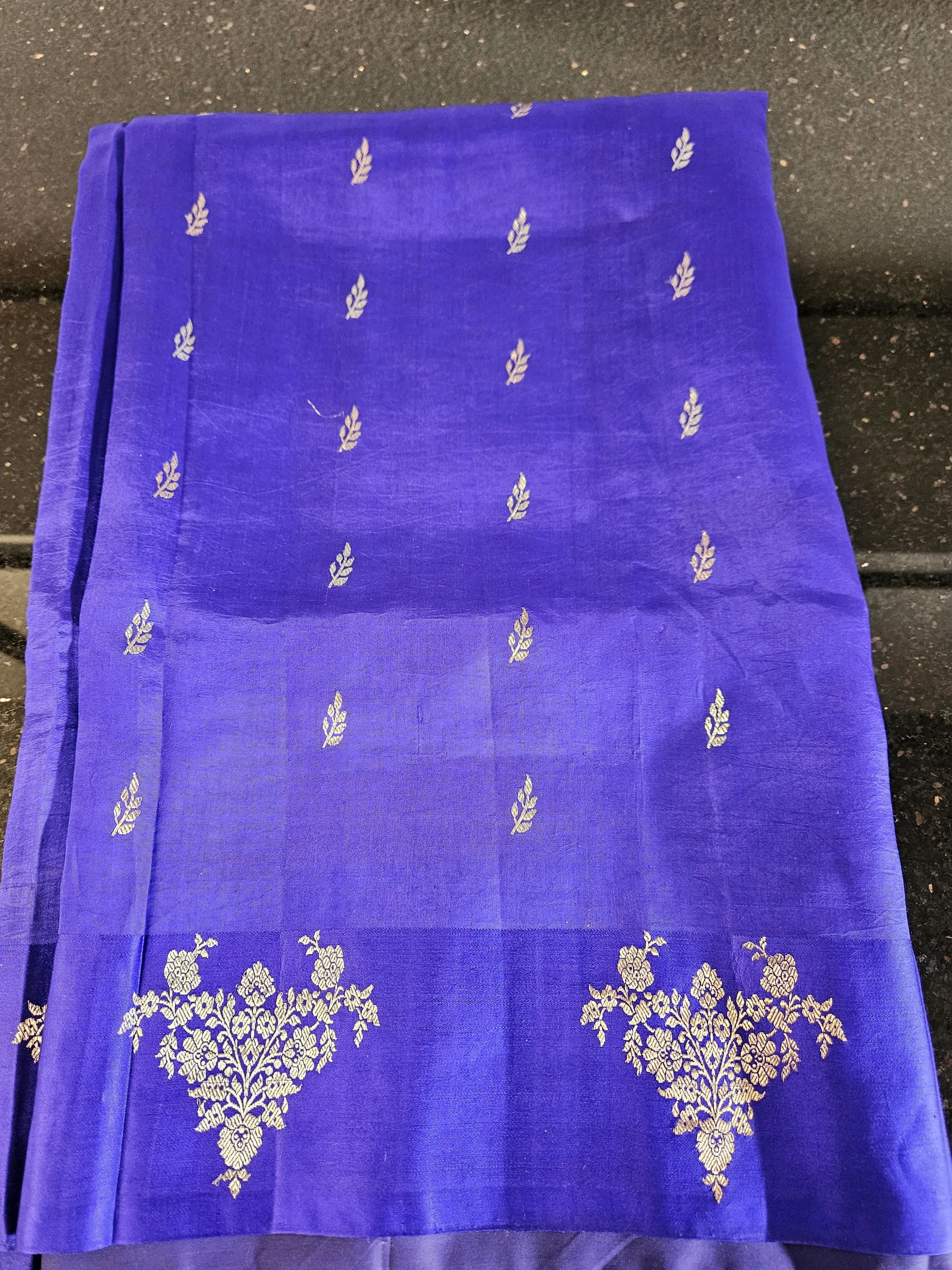
For a showstopper, nothing matches the Pure Handloom Raw Mango Pattu Silk Saree. Pattu silk, rooted in South Indian weaving, has been prized for centuries by royalty and families alike (the Chennai-based Tamil Nadu Handloom Weavers' Cooperative Society recognizes its enduring craftsmanship). The raw mango yellow is both festive and photogenic—a nod to heritage, but modern in its minimal zari work.
How to Style It
- Jewelry: Kundan or antique gold sets, especially temple motifs, play up the saree’s grandeur. Add a bold ring or kamarbandh for extra flair.
- Blouse: Try a deep maroon or emerald green blouse for contrast (reuse from a previous saree if you have one). A contemporary cut—elbow sleeves or boat neck—keeps it fresh.
- Hair & Makeup: Gajra in your bun, dewy makeup, and a bindi for a finished look that honors tradition.
What to Reuse
- Existing statement jewelry
- Contrasting blouses (maroon, green, or even royal blue)
- Gold sandals or wedges
- Potli bags or clutches from previous events
Mistakes to Avoid
- Don’t skip a proper petticoat—choose cotton for comfort and stay-in-place drape
- Don’t iron directly; use a cloth barrier or a professional steamer
- Don’t store folded for long—roll in a muslin cloth to avoid creasing
Insider tip: If you want to reuse this saree at another event, drape it in the Bengali or Gujarati style to refresh the look, or pair with a different blouse and jewelry set. Learn more about saree occasion matching in our post on Reception vs Muhurtham Saree: How to Choose.
What is a Diwali party outfit?
A Diwali party outfit is a festive ensemble worn to celebrate the Hindu festival of lights, Diwali. It typically includes traditional Indian attire—such as sarees, lehengas, Anarkali gowns, or silk suits—chosen for their vibrant colors, luxurious fabrics, and celebratory details. Diwali outfits are often styled with statement jewelry and festive accessories for a polished guest look.
How to Refresh Last Year’s Diwali Outfit
- Swap your dupatta for a contrasting color or new fabric
- Change up jewelry—mix modern pieces with heirlooms
- Belt an Anarkali or add a statement brooch to a saree pallu
- Try a new drape (Gujarati, seedha pallu, or even a fusion jacket)
- Update shoes or add a festive clutch for instant impact
These quick changes keep your look feeling new without a major spend. Explore more reuse ideas in our Sangeet guest outfit guide.
Diwali Guest Outfit FAQ
What do people wear to a Diwali party in the US? Most guests wear festive Indian attire—think silk sarees, Anarkali gowns, or kurta sets—styled with jewelry and comfortable shoes. For office Diwali parties, simpler suits or Indo-Western dresses may be preferred. Comfort and subtle elegance are key. Is a saree too much for an office Diwali event? Not always. For a formal office celebration, a lightweight saree (like Chanderi or linen) in a subtle color works well, especially if paired with minimal jewelry. For casual or after-hours events, an Anarkali or kurta set can feel more relaxed. How can I refresh last year's outfit? Switch out your accessories, try a new drape, or layer with a statement jacket or dupatta. Even changing your hairstyle and makeup can transform your look. What colours suit Diwali? Rich, auspicious colors like gold, red, yellow, emerald, and royal blue are traditional favorites. Ivory and pastel shades are also trending for modern Diwali looks, especially at daytime or office events.How to Pick a Diwali Party Outfit for Your Budget
- Entry: Invest in a versatile piece (like the Ivory Muslin Anarkali Gown) that you can restyle year-round.
- Mid-range: Go for timeless separates (like the Chanderi Silk Set)—mix and match pieces later.
- Premium: Choose heirloom-quality (like the Pattu Silk Saree) for major celebrations, and rotate with different blouses and accessories.
Why Choose Handloom for Diwali?
Handloom fabrics—like pattu silk and Chanderi—are breathable, unique, and support artisan communities in India. They drape beautifully, last for years, and carry cultural significance (the Indian Handloom Brand by the Ministry of Textiles recognizes the heritage of these weaves). Choosing handloom is both a style and values statement for Diwali.
Shop the Collection
Your Diwali party outfit should feel as special as the celebration itself, no matter your budget. Explore more festive-ready dresses or discover the full range of sarees at Swathi Design. For hands-on help, try their WhatsApp styling service—no question too small. Ready to dress for Diwali? Browse our full collection and celebrate with confidence this season.
Featured in this guide
Part of the Indian Wedding & Festive Dressing guide collection.
Related guides
- Chanderi Silk Suits in USA: Embrace Ethnic Grace for Weddings & Festive Occasions
- Elevate Your Festive Wardrobe: Stunning Indian Dresses for US Weddings & Celebrations
- Celebrate Indian Heritage in the USA: Pure Silk Gowns for Weddings & Festive Glamour
- Elevate Your Wedding Look with Exquisite Pure Banarasi Kora Tissue Sarees
- Timeless Elegance: Discover the Pure Banarasi Kora Tissue Saree Collection for Weddings & Festivals