Kanjivaram Silk vs Art Silk: How to Identify Authentic Sarees
Wondering if your Kanjivaram saree is truly pure silk or cleverly disguised art silk? This specialist’s guide explains the concrete differences—zari, weight, burn tests, Silk Mark, and more—so you can invest wisely and avoid fakes. Plus, shop handpicked authentic sarees for US-based Indian-American occasions.
Kanjivaram Silk vs Art Silk: Key Differences Explained
If you’re seeking an heirloom-worthy saree, knowing how to distinguish pure Kanjivaram silk from art silk is essential. The difference impacts not just price, but drape, longevity, and cultural value. This guide breaks down the origin, making, authenticity checks, and care tips for both—so you can invest with confidence and honor tradition.
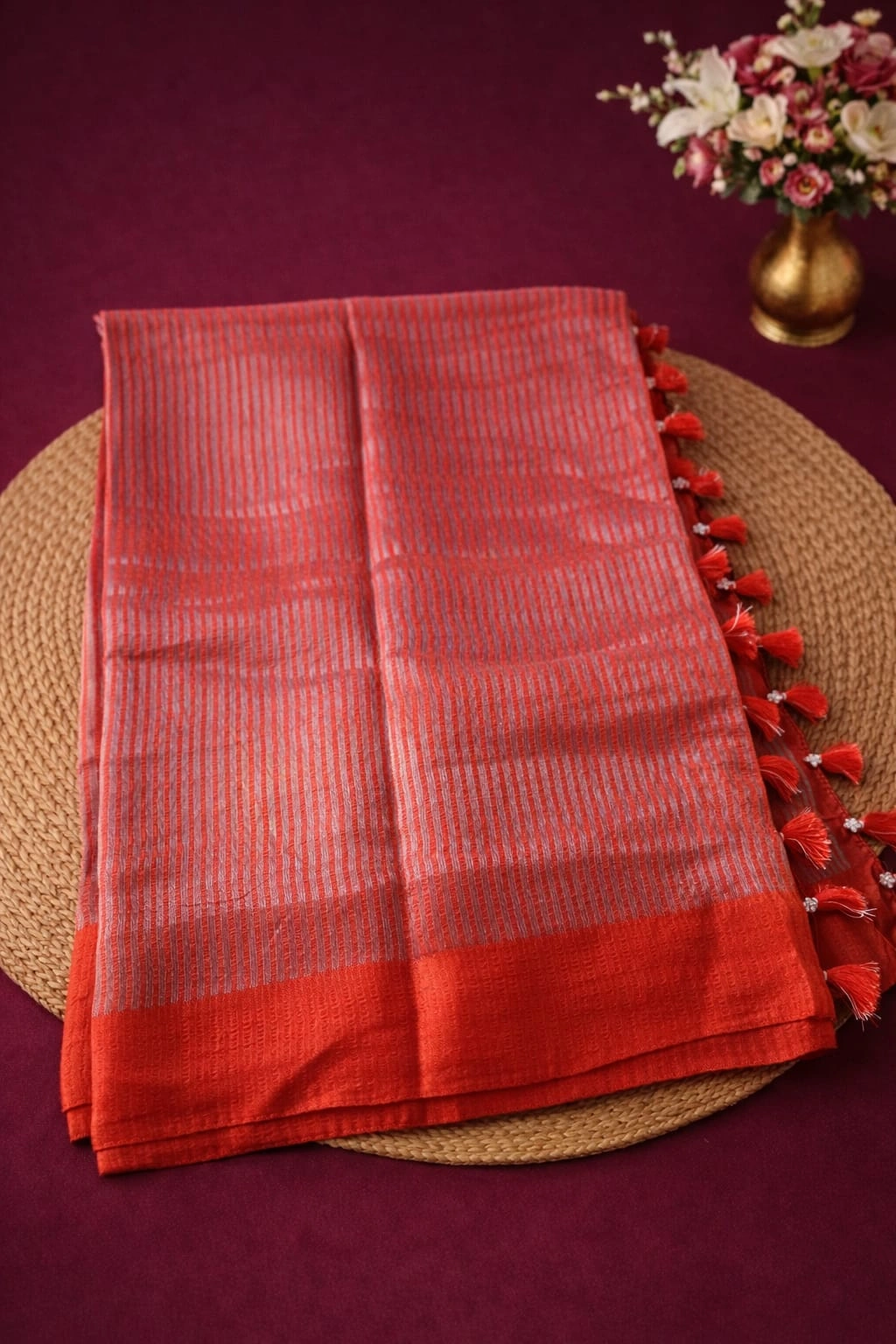
What is Kanjivaram Silk? Origin and Craft
Kanjivaram silk is a handwoven silk fabric produced in Kanchipuram, Tamil Nadu, India—a temple town with a weaving tradition dating back over 400 years. The hallmark of this fabric is its use of high-twist mulberry silk yarns for both warp (lengthwise threads) and weft (widthwise threads), combined with pure zari (real silver or gold-plated copper) for borders and motifs. These sarees are woven on pit looms, with each piece often taking several days to weeks to complete, depending on the intricacy of the design. According to the Tamil Nadu Handloom Weavers' Cooperative Society, the region’s authentic Kanjivaram sarees have received Geographical Indication (GI) status, legally protecting their identity and craftsmanship.
What is Art Silk?
Art silk is an artificial fiber—usually rayon, polyester, or a viscose blend—manufactured to imitate the look and drape of natural silk at a much lower cost. Unlike pure silk, art silk lacks the natural protein structure and luster. It is typically machine-woven and may use imitation zari (plastic or non-precious metallic thread) for embellishment. Art silk sarees can look attractive but don’t match pure silk in strength, weight, or touch.
How Kanjivaram Silk Sarees Are Made
Authentic Kanjivaram sarees are woven from pure mulberry silk sourced from South India. The weavers use three shuttles and two weavers work in tandem—one managing the body, the other the border. Traditional motifs, inspired by South Indian temples and nature, are woven with pure zari sourced from Surat. The borders and pallu are often woven separately and joined using the korvai technique—a hallmark of Kanchipuram craftsmanship. This is a labor-intensive, handloom-only process, ensuring durability and richness. The result is a saree with a distinct weight, crispness, and a signature shimmer from real zari.
How Art Silk Sarees Are Made
Art silk sarees are typically woven on power looms using synthetic yarns. Designs are often printed or jacquard-woven, and the metallic threads used for zari are usually synthetic or copper-based with a metallic polish. The process is fast, mass-produced, and the end product is lighter in weight and less robust than pure silk.
Kanjivaram Silk vs Art Silk: Comparison Table
| Feature | Kanjivaram Silk | Art Silk |
|---|---|---|
| Fiber Content | 100% Mulberry Silk | Rayon, Polyester, or Viscose |
| Zari | Pure Silver/Gold Zari (tested/pure) | Plastic or Synthetic Zari |
| Weight (6-yard saree) | 500–900g (heavier) | 250–500g (lighter) |
| Price Range (USD) | $300–$3000+ | $30–$200 |
| Certification | Silk Mark, GI Tag | None |
| Longevity | Decades (with care) | Few years |
How to Spot Authentic Kanjivaram Silk: Tests & Tips
Identifying pure Kanjivaram silk is crucial for any significant saree purchase. Here are proven methods:
- Silk Burn Test: Carefully snip a tiny warp thread from the inside edge. Burn it—pure silk smells like burning hair and leaves a crisp ash, while art silk smells chemical or plasticky and forms a hard bead.
- Check the Zari: Pure zari is made from silver or gold-plated copper. Rub the zari with a white cloth—if it leaves a grey/black mark, it’s likely pure (silver oxidizes). Synthetic zari doesn’t.
- Silk Mark Tag: The Silk Mark Organization of India issues this certification for pure silk. Always ask for it, especially for high-value sarees.
- Weight & Drape: Pure Kanjivaram sarees feel heftier, stiffer, and crisp, whereas art silk is limp and light.
- Price: If the saree is under $100 for a complex handwoven design, be suspicious—it’s likely art silk or machine-made.
For a more visual breakdown, refer to the table above and our detailed tips in the blouse fabric guide.
How to Choose: Key Criteria and Budget Tiers
Before purchasing, consider these factors:
- Occasion: Invest in pure silk for weddings, milestone events, or family heirlooms. Art silk suits casual or experimental fashion moments.
- Budget:
- Under $100: Art silk or blended sarees; best for occasional, low-risk wear.
- $100–$300: Pure Banarasi and specialty silks from curated stores like Swathi Design; suitable for festive gatherings.
- $300+: Genuine Kanjivaram or pure handloom sarees; heirloom quality, premium gifting, weddings.
- Certification: Prefer sellers who provide Silk Mark or GI tags for Kanjivaram, and are transparent about sourcing.
- Artisan Sourcing: Stores working directly with Indian weavers (like Swathi Design) ensure authenticity and fair trade.
Recommended Authentic Sarees from Swathi Design
For US-based buyers seeking guaranteed authenticity and fine workmanship, consider these expert picks:
- Pure Banarasi Silk Tissue Saree for Weddings & Festivals (price confirmed on inquiry): Handwoven in Varanasi, this saree blends kora silk and tissue for a luminous, breathable drape and showcases traditional zari motifs. Appropriate for weddings, poojas, or as a statement piece at upscale gatherings.
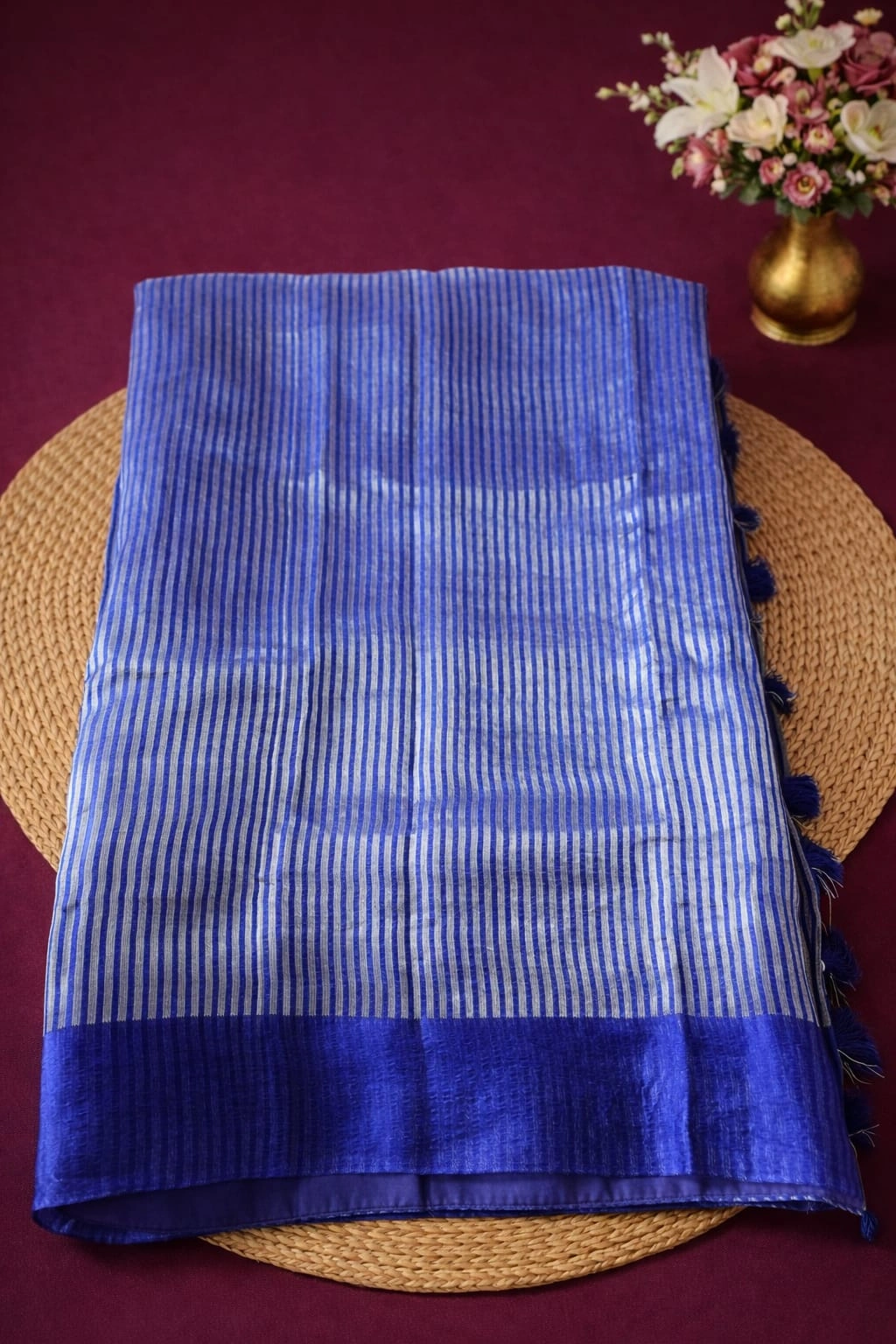
Exquisite Pure Banarasi Kora Tissue Silk Saree - Timeless Elegance - Exquisite Pure Banarasi Kora Tissue Silk Saree – Timeless Elegance (price confirmed on inquiry): Features lightweight tissue silk with delicate sheen and intricate zari work, ideal for festive occasions or family celebrations.
- Exquisite Russian Crape Silk Saree – Elegant Ethnic Wear (price confirmed on inquiry): For those who prefer a modern fabric with ethnic motifs, this saree offers a soft, fluid drape and versatile styling options.
You can also browse all sarees for more choices in each fabric and price tier.
How do you identify pure Kanjivaram silk?
Pure Kanjivaram silk sarees are recognized by their high-twist mulberry silk threads, heavy weight, and real zari made from silver or gold-plated copper. Authentic pieces often carry a Silk Mark certification and a GI tag. Simple at-home checks include the burn test (pure silk smells like burning hair), checking zari for silver tarnish, and inspecting for handwoven irregularities. Trusted sellers provide documentation and transparent sourcing.
What is art silk made of?
Art silk is typically made from synthetic fibers such as rayon, viscose, or polyester, engineered to mimic the shine and feel of natural silk at a lower cost. Unlike real silk, it does not have the same protein-based structure, resulting in a different texture and less durability. Art silk is usually machine-woven and features synthetic zari.
Does the burn test work on silk?
Yes, the burn test is a traditional method to distinguish real silk from artificial fibers. When you burn a small thread of pure silk, it smells like burning hair and leaves a fine, powdery ash. In contrast, art silk melts, smells chemical or plasticky, and forms a hard bead. Exercise care and only test a hidden thread.
Why is art silk so much cheaper than pure silk?
Art silk is significantly less expensive than pure Kanjivaram silk because it is made from industrially produced synthetic fibers, not natural mulberry silk. The manufacturing process is faster, relies on machines, and uses low-cost materials, resulting in a product that looks similar but lacks the strength, luster, and cultural significance of genuine silk sarees.
How to Care for Your Silk Saree: Storage and Cleaning
- Dry Clean Only: Pure silk and zari require delicate handling to prevent tarnish and fiber damage. Avoid washing at home.
- Store in Muslin: Wrap sarees in unbleached muslin cloth to allow airflow and prevent moisture buildup. Never use plastic bags.
- Fold Along Original Lines: Refold every few months to avoid permanent creases at the same spot.
- Avoid Direct Sunlight: Both silk and art silk fade if exposed to strong light for prolonged periods.
- Care Tip: Place a few neem leaves or silica gel packets with stored sarees to deter silverfish and moisture.
How to Style Authentic Silk Sarees for US Occasions
Pairing a pure Kanjivaram or Banarasi saree with the right blouse fabric and jewelry elevates the ensemble for weddings, receptions, or festive events. For detailed advice, see our post on choosing blouse fabric for silk, tissue, and brocade sarees. For modern Indian-American events, consider statement earrings, a sleek bun (see our saree hairstyle guide), and minimalist makeup to balance the richness of the weave.
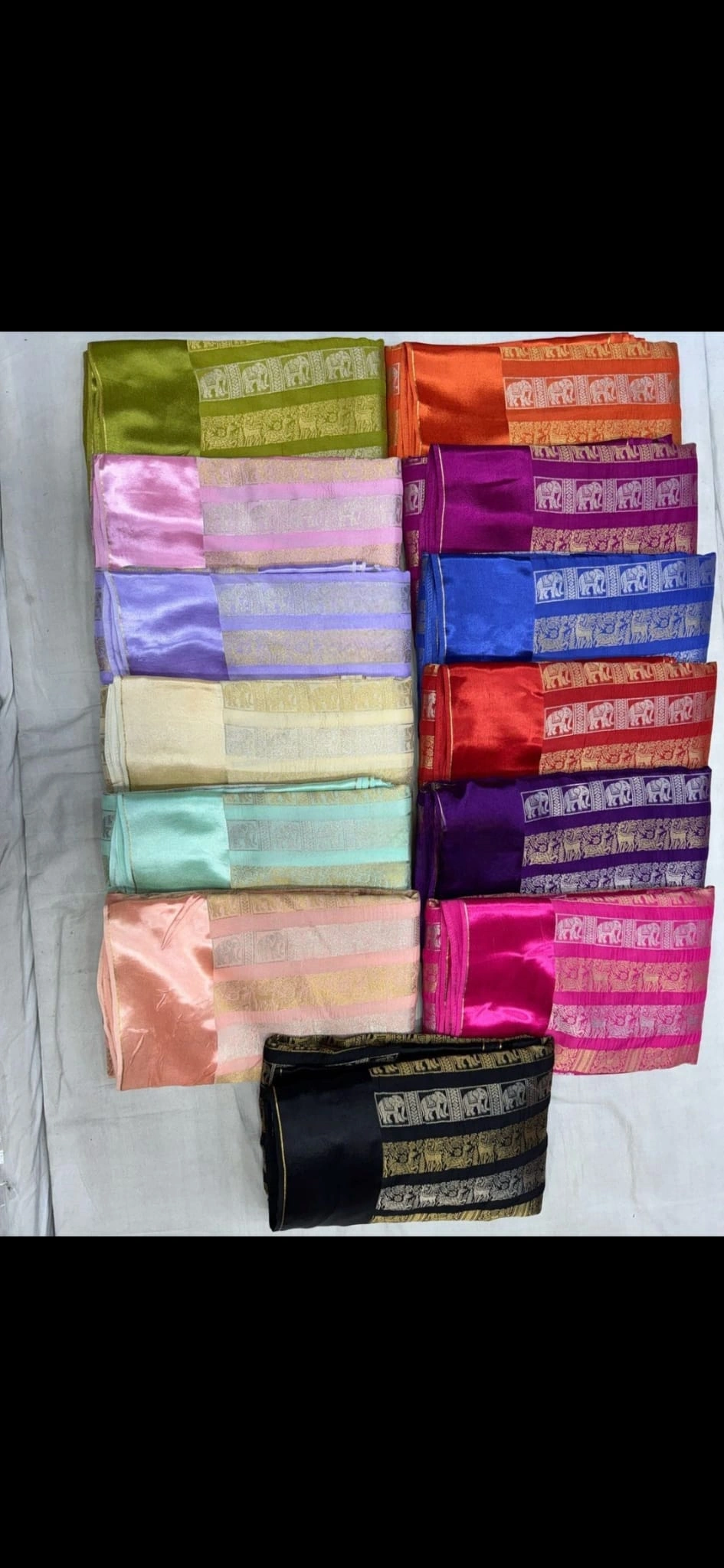
Shop the Collection
If you value the artistry and want assurance of authenticity, browse our full collection. Swathi Design offers curated, certified sarees sourced directly from Indian artisan weavers, with flat-rate US shipping, price confirmation, a 48-hour damage protection policy, and WhatsApp styling help for your peace of mind.
Featured in this guide
Part of the Kanjivaram & Banarasi Silk Sarees guide collection.
Related guides
- Timeless Elegance: Handwoven Chanderi & Banarasi Silk Sarees for Every Special Occasion
- Celebrate Timeless Elegance with Luxurious Raw Mango Silk and Banarasi Sarees
- Timeless Elegance Redefined: The Latest Handwoven Banarasi & Kanchipuram Sarees for Every Celebration
- Discover the Timeless Beauty of Banarasi and Mangalagiri Silk Sarees
- Timeless Elegance: Explore the Artistry of Pure Zari and Banarasi Tissue Sarees