How to Choose Blouse Fabric for Saree: A Guide for Silk, Tissue & Brocade Drapes
Blouse fabric transforms how your saree looks, feels, and drapes—especially with handloom Banarasi tissue or Mysore silk. This guide explains how to choose blouse fabric for saree, blending comfort, climate, and tradition. Learn which pairings work, how to spot authentic handwoven sarees, and practical care tips from a textile specialist.
How to Choose Blouse Fabric for Saree: The Short Answer
To choose blouse fabric for saree, match the drape weight and weave of your saree—like pairing raw silk with Mysore silk, brocade with Banarasi tissue, or cotton with lightweight georgettes. Consider climate, comfort, and occasion: silk for formal, cotton for comfort, net or velvet for parties. Authentic handloom sarees benefit from natural-fiber blouses that enhance their artisanal beauty.
Why Blouse Fabric Matters: More Than Just Matching
In Indian attire, the blouse is not an afterthought—it frames the saree, influences drape, and can transform the comfort of your ensemble. As Priya Menon, I see too many overlook how a raw silk blouse can support a heavy silk saree, or how a brocade blouse lends structure to tissue fabric. Each pairing honors both aesthetics and practicality.
Choosing the right blouse fabric for saree respects the interplay of textile traditions: the warp and weft, the tactile experience, and the climate. It’s about respecting the saree’s origin and intended use, not just color-matching.
Understanding Saree Fabrics: Banarasi, Mysore Silk & Tissue
Let’s clarify the main saree types featured at Swathi Design:
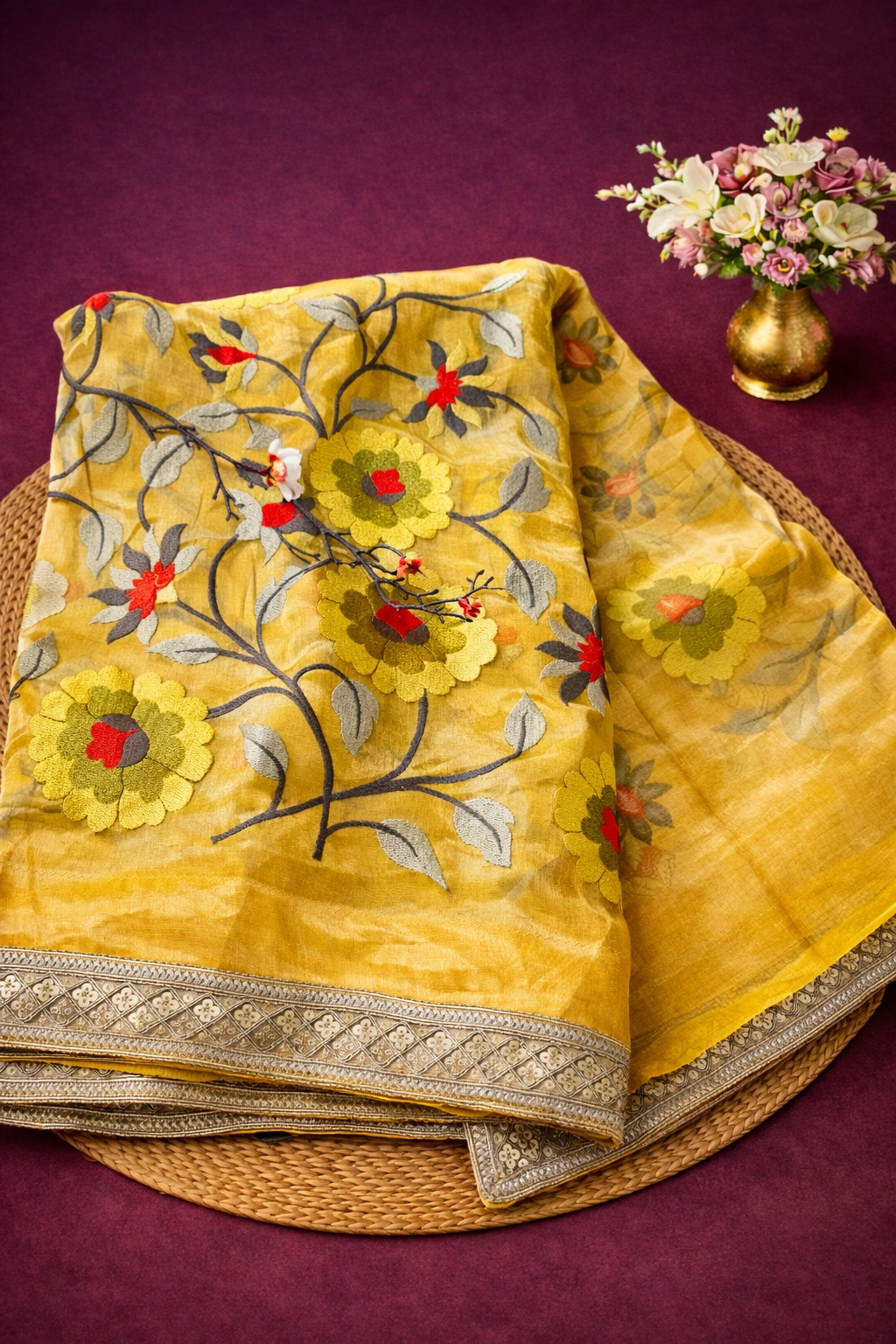
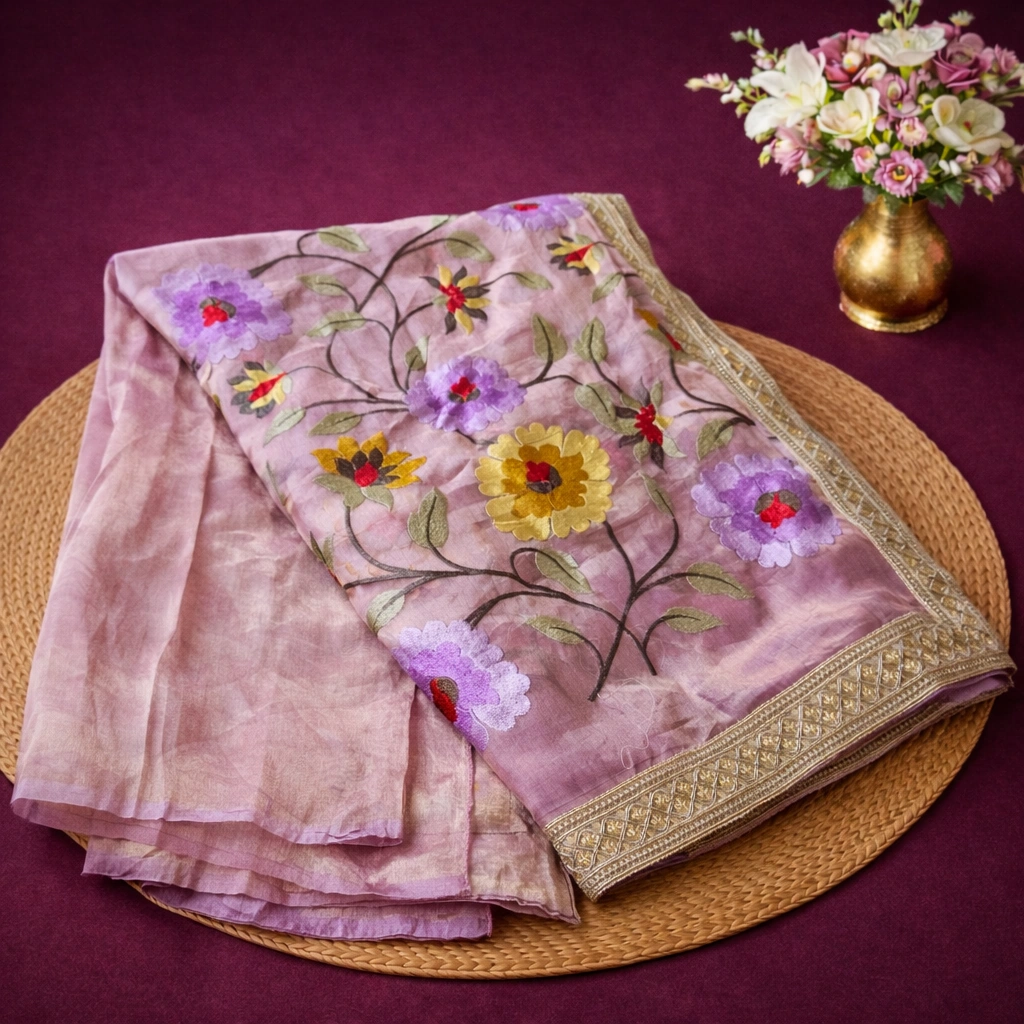
- Banarasi Kora Tissue Saree: Woven in Varanasi (Banaras), Kora tissue blends silk organza (kora) with metallic zari, yielding a sheer, luminous drape. The Handwoven Pure Banarasi Kora Tissue Embroidery Saree (price confirmed on inquiry) exemplifies this with delicate gold shimmer and artisan embroidery. The fabric’s lightness requires a blouse with enough body for balance—think brocade or raw silk.
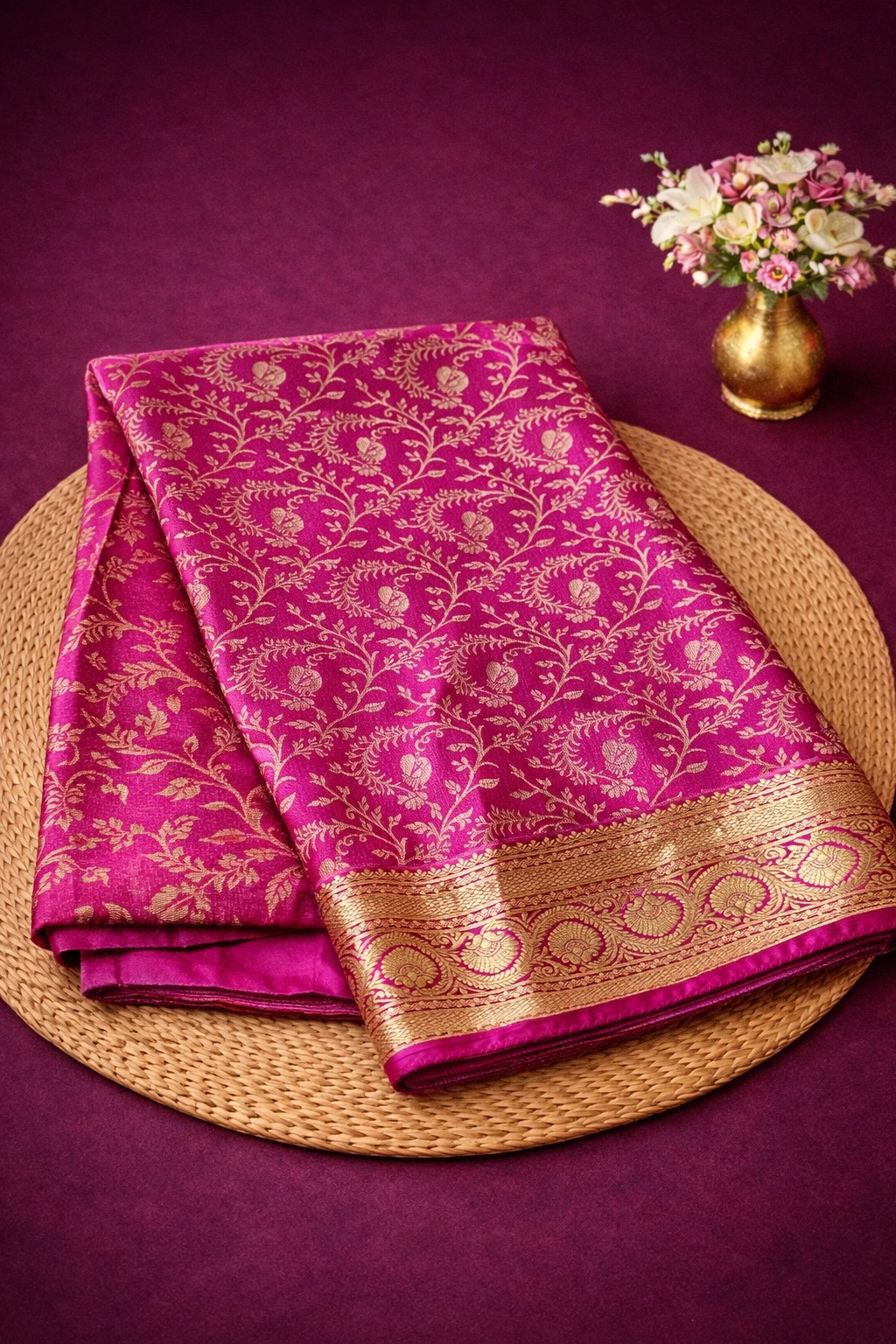
- Mysore Silk Saree: Handwoven in Karnataka, Mysore silk is famed for its buttery texture, subtle sheen, and durability. The Pure Brocade Mysore Silk Saree 120gms (price confirmed on inquiry) uses 120gms mulberry silk, ideal for weddings and festive wear. Its drape is fluid yet substantial—blouses in raw silk or soft cotton suit both tradition and comfort.
- Tissue Embroidered Saree: The Pure Banarasi Kora Tissue Embroidered Saree (price confirmed on inquiry) enhances the tissue base with intricate hand-embroidery, adding both structure and visual texture. The right blouse elevates the saree’s artistry.
Key Criteria for Choosing Blouse Fabric for Saree
- Saree Weight & Drape: Heavy sarees (like pure silk) need sturdier blouses (raw silk, brocade) to maintain shape. Lightweight or sheer sarees look best with structured—but not bulky—blouses.
- Climate & Comfort: For humid summers or daylong events, cotton or silk-cotton blends breathe better. Velvet and heavy brocade suit winter or indoor, air-conditioned settings.
- Occasion: Weddings & formal events call for rich weaves (brocade, silk, velvet). For daily or festive wear, georgette, cotton, or silk-cotton offer comfort without sacrificing style.
- Color & Contrast: Traditional looks favor matching or tonal blouses. Modern styling often uses contrast blouses—e.g., a magenta brocade blouse with a gold Banarasi tissue saree.
- Lining: Delicate fabrics (net, tissue, georgette) require soft cotton or satin lining for comfort and opacity.
Blouse Fabric Comparison Table
| Blouse Fabric | Best For Saree Type | Climate Suitability | Notes |
|---|---|---|---|
| Raw Silk | Silk, Tissue, Brocade | Year-round (breathable) | Holds shape, classic; add lining for comfort |
| Brocade | Tissue, Banarasi, Kanjivaram | Cooler climates / AC settings | Rich, structured, often heavier |
| Cotton | Cotton, Silk-cotton, Mysore Silk | Hot/humid climates | Soft, breathable, traditional |
| Georgette | Lightweight silk, chiffon, net | Spring/summer | Drapes well, requires lining |
| Net | Tissue, party sarees | Evenings, cool settings | Sheer, always with lining |
| Velvet | Banarasi, winter sarees | Winter/indoors | Luxurious, best for cold weather |
How to Spot Authentic Handloom Saree & Blouse Fabrics
- Banarasi Saree: Genuine Banarasi kora tissue sarees show tiny pinholes or floats on the reverse—evidence of pit-loom weaving. Look for unevenness in the zari—machine-made sarees are too uniform.
- Mysore Silk: Real Mysore silk has a GI (Geographical Indication) tag and a silk mark label. The fabric feels soft but will not stretch when pulled.
- Brocade & Raw Silk: Handloom brocade blouses show motif irregularities. True raw silk blouses reveal slubs (tiny thread bumps) when held up to the light.
One easy authenticity test: Gently pull a thread from the saree’s edge and burn it. Pure silk smells like burning hair, not plastic. (Caution: Only test on a hidden edge, and never with synthetic blends.)
Best Blouse Pairings for Swathi Design Sarees
- Handwoven Pure Banarasi Kora Tissue Embroidery Saree (price confirmed on inquiry): Pair with a gold or deep maroon brocade blouse for weddings. For a modern Diwali look, try a raw silk blouse in emerald or navy. Raw silk reinforces the saree’s lightness while brocade adds regal structure. Lining is essential for comfort.
- Pure Banarasi Kora Tissue Embroidered Saree (price confirmed on inquiry): For evening events, contrast with a velvet blouse in jewel tones, or keep it classic with a silver brocade. In summer, switch to a cotton-silk blend blouse in pastel shades.
- Pure Brocade Mysore Silk Saree 120gms (price confirmed on inquiry): Raw silk or cotton blouses in matching or contrast colors work beautifully. For traditional occasions, a zari-woven brocade blouse captures Mysore’s heritage; for comfort, handwoven cotton in a coordinating hue is ideal.
What Blouse Fabric is Best for a Silk Saree?
Raw silk is the best blouse fabric for a silk saree. Raw silk blouses offer structure, breathability, and a classic finish that complements the natural sheen of silk sarees—especially Kanjivaram, Banarasi, and Mysore silk. Brocade blouses are also popular for formal occasions, adding visual richness and supporting the drape.
Should the Blouse Match the Saree Fabric?
The blouse does not have to exactly match the saree fabric. While traditional styling favors a matching or tonal blouse, contemporary fashion often encourages contrast blouses—such as pairing a magenta brocade blouse with a gold tissue saree. The key is harmony in drape and comfort, not strict matching.
Blouse Fabric by Occasion and Budget
- Under $100: Cotton, georgette, and cotton-silk blends. Suitable for daily wear, casual gatherings, and lightweight sarees.
- $100-300: Raw silk, brocade, and lined net. Matches well with handloom silk and tissue sarees for weddings or festive parties.
- $300+: Pure handloom brocade, heavy velvet, designer silk blends—ideal for bridal events or high-profile celebrations.
For luxury handwoven sarees like those at Swathi Design, investing in a high-quality blouse fabric ensures longevity and comfort. See more in our saree gifting guide if you’re selecting for a special occasion.
How to Care for Your Saree & Blouse: Preservation Tips
Handwoven sarees and their blouses are heirlooms, not fast fashion. Always dry clean pure silk, brocade, and tissue sarees. Fold along the original creases, store wrapped in muslin in a cool, dry place. For blouses, ensure they are clean and fully dry before storing to prevent stains and mildew. Use acid-free tissue for extra protection, especially with zari or velvet blouses.
- Care Tip: Rotate folds every few months to avoid permanent creasing and zari breakage. For more, read how to remove stains from silk sarees.
How to Choose Blouse Fabric for Saree in Different Climates
- Summer: Cotton and silk-cotton blouses breathe best. Avoid heavy brocade or velvet.
- Winter: Velvet, heavy brocade, or lined raw silk blouses add warmth and structure.
- All-season: Raw silk remains versatile for most climates, especially with lining.
FAQs: Blouse Fabric for Saree
Is Brocade Blouse Good for a Banarasi Saree?
Brocade blouse is an excellent pairing for a Banarasi saree. Brocade, with its dense weave and metallic zari motifs, echoes the richness of Banarasi weaving. The structure of brocade balances the lightness of tissue sarees and complements the opulence of traditional Banarasi silk drapes.
What Blouse Fabric is Most Comfortable?
Cotton blouse is the most comfortable option for sarees, especially in warm or humid climates. Cotton is breathable, soft on the skin, and absorbs moisture—ideal for long events or everyday wear. For formal sarees, a silk-cotton blend offers both comfort and sheen.
Styling Tips: Blouse Fabrics That Transform Your Saree
- Contrast blouses—like emerald green with gold tissue—add drama without overwhelming the saree’s motifs.
- For formal events, long-sleeved brocade blouses channel Mughal-inspired grandeur. For summer, sleeveless cotton or raw silk keeps it breezy yet elegant.
- Blouse necklines and back designs matter: pair a high-neck brocade with a traditional Banarasi, or an open-back georgette blouse with a lightweight Mysore silk.
- Explore more styling inspiration in our guide on hairstyles for sarees.
Shop the Collection
Ready to find your perfect saree and blouse pairing? Browse our full collection of handwoven sarees and blouse fabrics or start with the curated Sarees selection at Swathi Design. For personal styling help, use our WhatsApp service for fabric pairing advice—honoring both heritage and your unique style.
Featured in this guide
Part of the Handwoven Silks: Chanderi, Tussar & Raw Mango guide collection.
Related guides
- Elevate Every Occasion: Handcrafted Indian Gowns & Frocks for Modern Celebrations in the USA
- Elevate Every Occasion: Pure Chanderi Pattu Silk Sarees for Indian-Americans in the USA
- Exquisite Russian Crape Silk Saree: Timeless Elegance for Every Occasion
- Luxurious Pure Russian Crape Saree: Timeless Elegance for Every Occasion
- Elevate Your Festive Wardrobe with Exquisite Handwoven Chanderi Sarees and Anarkali Dresses