Returns on Indian Ethnic Wear: What to Expect
Many handloom sarees and made-to-order Indian outfits are non-returnable due to artisan production, but US buyers still have key protections. Learn how to inspect your order, document defects, and understand exchange policies before purchasing premium pieces like Chanderi Pattu Silk or Banarasi Kora Tissue sarees.
Returns on Indian Ethnic Wear: What to Expect
TL;DR: Most authentic handloom sarees and made-to-order Indian ethnic wear, including premium silk sarees, are non-returnable. This protects the artisans’ work and ensures your piece remains unworn and untampered. However, US buyers can and should inspect for defects on arrival, document any issues, and request exchanges in specific scenarios—especially for ready-to-ship pieces. Here’s a practical, step-by-step guide to understanding returns on Indian ethnic wear, with a spotlight on high-value sarees from Swathi Design.
Before You Start: What You'll Need
- Your order invoice and product description (print or digital)
- Good lighting and a flat surface for inspection
- A smartphone or camera to document any issues
- Muslin cloth or storage bag (for safe repacking if needed)
- WhatsApp or email access for prompt communication with customer support
Step 1: Understand Fabric and Craft Before You Buy
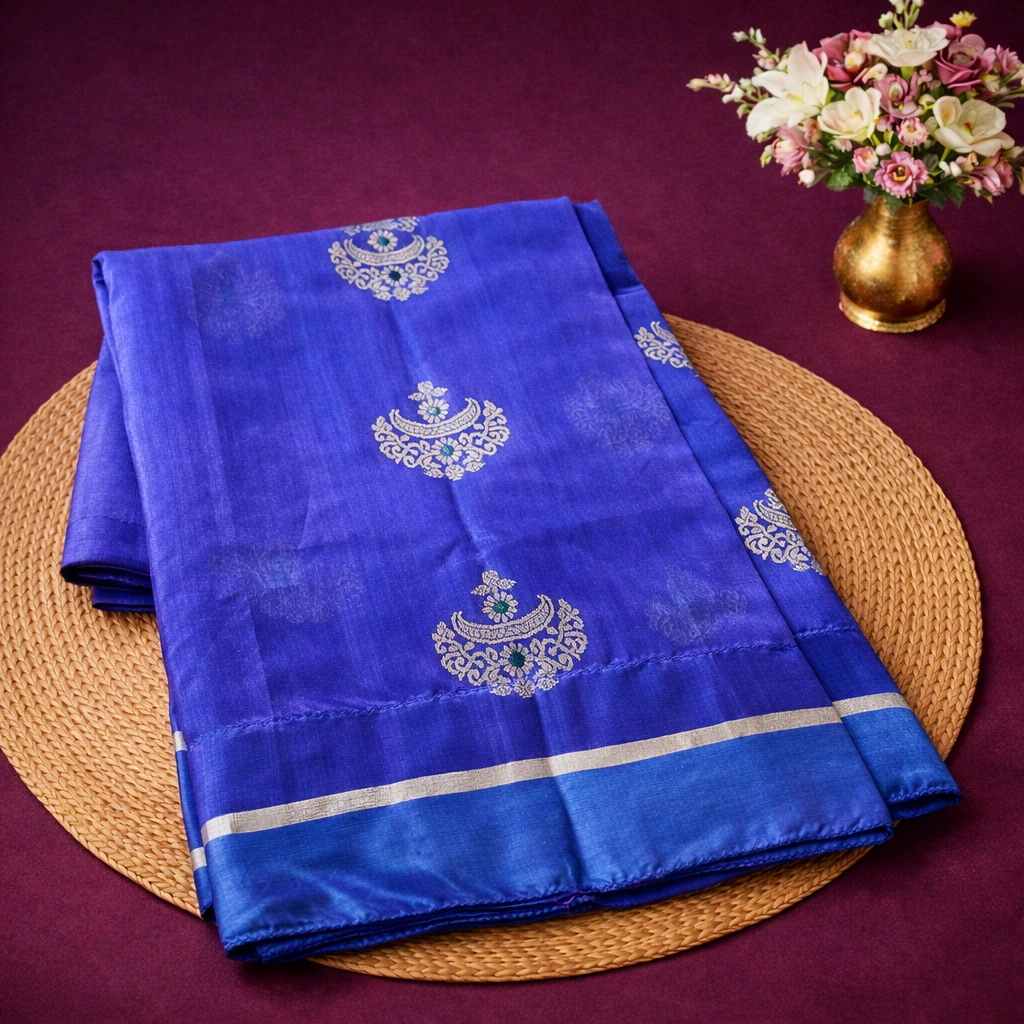
Indian ethnic wear, especially sarees like the Pure Chanderi Pattu Silk Saree and Handwoven Pure Banarasi Kora Tissue Embroidery Saree, are often handloom-woven in heritage weaving regions. Chanderi, from Madhya Pradesh, is prized for its airy silk-cotton blend and sheer drape. Banarasi sarees, woven in Varanasi, use Kora tissue (a crisp silk organza) often adorned with zari (metallic thread) embroidery. Each piece is unique—minor irregularities are a mark of hand-weaving, not defects.
What is a handloom saree?
Definition snippet: A handloom saree is a length of fabric woven manually on a loom by artisans, using techniques passed down through generations. Unlike power-loom sarees, each handloom saree may show subtle irregularities in weave or motif placement, which are considered signatures of authenticity and craftsmanship.
Step 2: Check the Return Policy Before Purchase
Always review the saree return policy before buying. Most premium handloom or made-to-order pieces from Swathi Design and similar platforms are non-returnable for these reasons:
- Each saree is custom-crafted, often with specific colorways or embroidery requested by the customer.
- Once shipped, the saree cannot be resold as new due to delicate handling and potential draping.
- Artisans invest significant time and traditional resources, making one-off returns financially unviable.
However, ready-to-ship sarees—those already woven and in stock—may sometimes be eligible for size exchanges or defect claims. For specifics on timelines, see our guide on Pre-Order vs Ready to Ship: Real Timelines.
Are made-to-order Indian outfits returnable?
Made-to-order Indian outfits are typically non-returnable because they are custom woven and tailored to the buyer's specifications, making resale difficult. Buyers should confirm measurements and fabric choices before placing a custom order, as exchanges or refunds are rarely possible once production begins.
Step 3: Inspect on Delivery—Your First Line of Protection
Your opportunity for a defect claim or exchange begins the moment your Chanderi Pattu Silk Saree or Banarasi Kora Tissue Embroidery Saree arrives. Here’s what to do:
- Open the package gently—video record the unboxing if possible, as some stores require this for damage claims.
- Check the saree against your order details: color, border style, motifs, and fabric type.
- Inspect for stains, tears, weaving breaks, or embroidery defects (e.g., snagged zari threads).
- Examine the pallu and border edges, as these are most vulnerable to transit damage.
- Try on the saree briefly (avoid pinning or draping with jewelry) to confirm length and drape, if allowed by policy.
For US customers, Swathi Design offers a 48-hour window for reporting any issues via video or photo. This is standard for defect claims—after that, returns are usually not permitted.
What should I check the moment a saree arrives?
- Confirm you received the correct color, border, and design.
- Inspect for visible stains, holes, or tears.
- Look for loose or snagged zari threads, especially in Banarasi sarees.
- Check the pallu and border for fraying or pulled threads.
- Record a video of the unboxing and initial inspection for proof.
Step 4: Authenticity Tests—Spotting Real Handloom
Before you buy, and again on arrival, consider these authenticity checks for premium sarees:
- Selvedge Test: True handloom sarees have a firm, woven selvedge (edge) that won’t fray—run your finger along the edge; it should feel smooth and continuous.
- Zari Test: Real zari, especially in Banarasi sarees, is metallic and slightly cool to the touch. Rub lightly—if it flakes or feels plasticky, it’s imitation.
- Weave Irregularities: Minor misalignments in motif placement or tiny knots are normal in handloom sarees, signs of the artisan’s process.
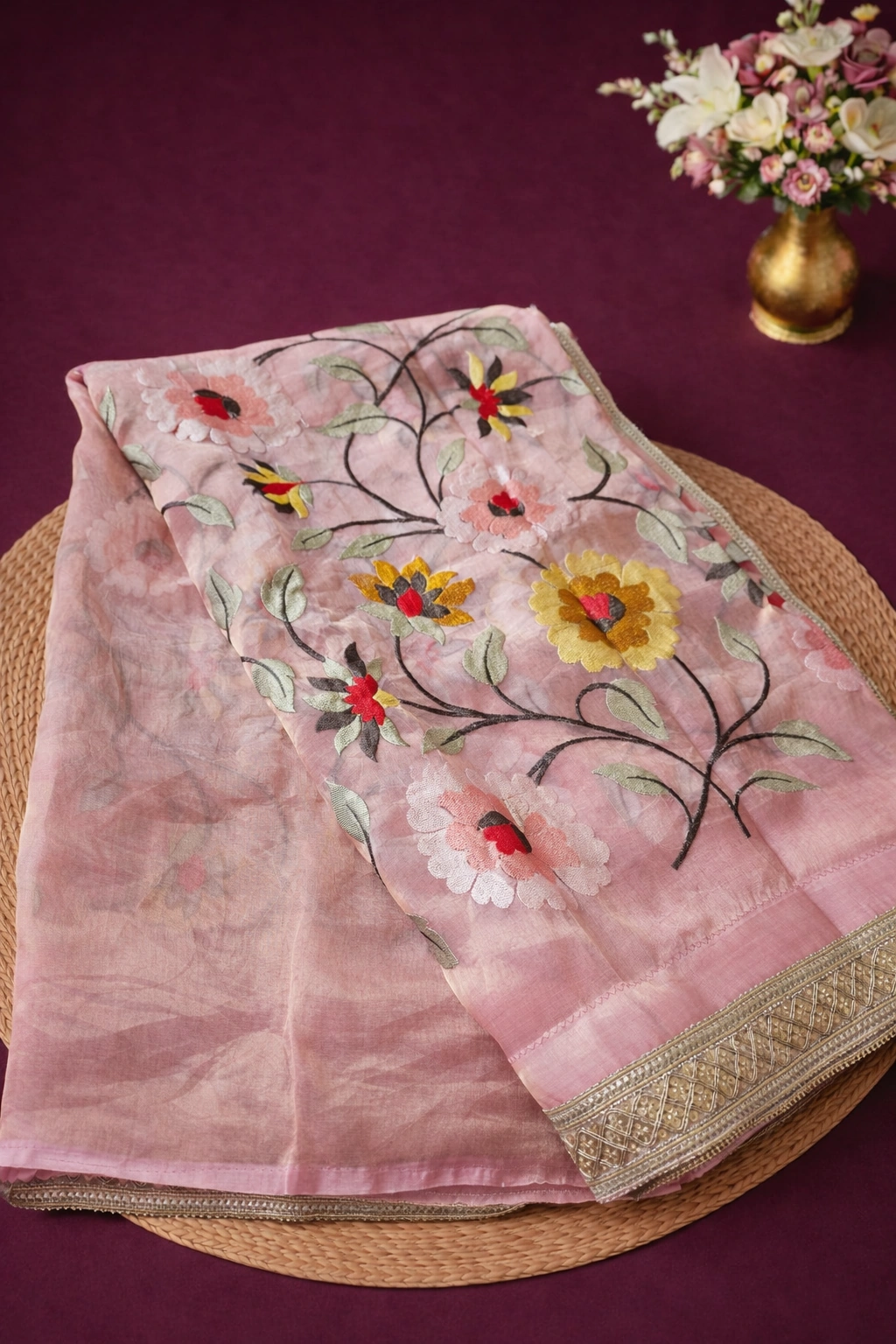
The Handwoven Pure Banarasi Kora Tissue Embroidery Saree exemplifies these hallmarks—look for the signature Varanasi floral motifs and shimmering, textural tissue base.
Step 5: How to Document a Weaving Defect
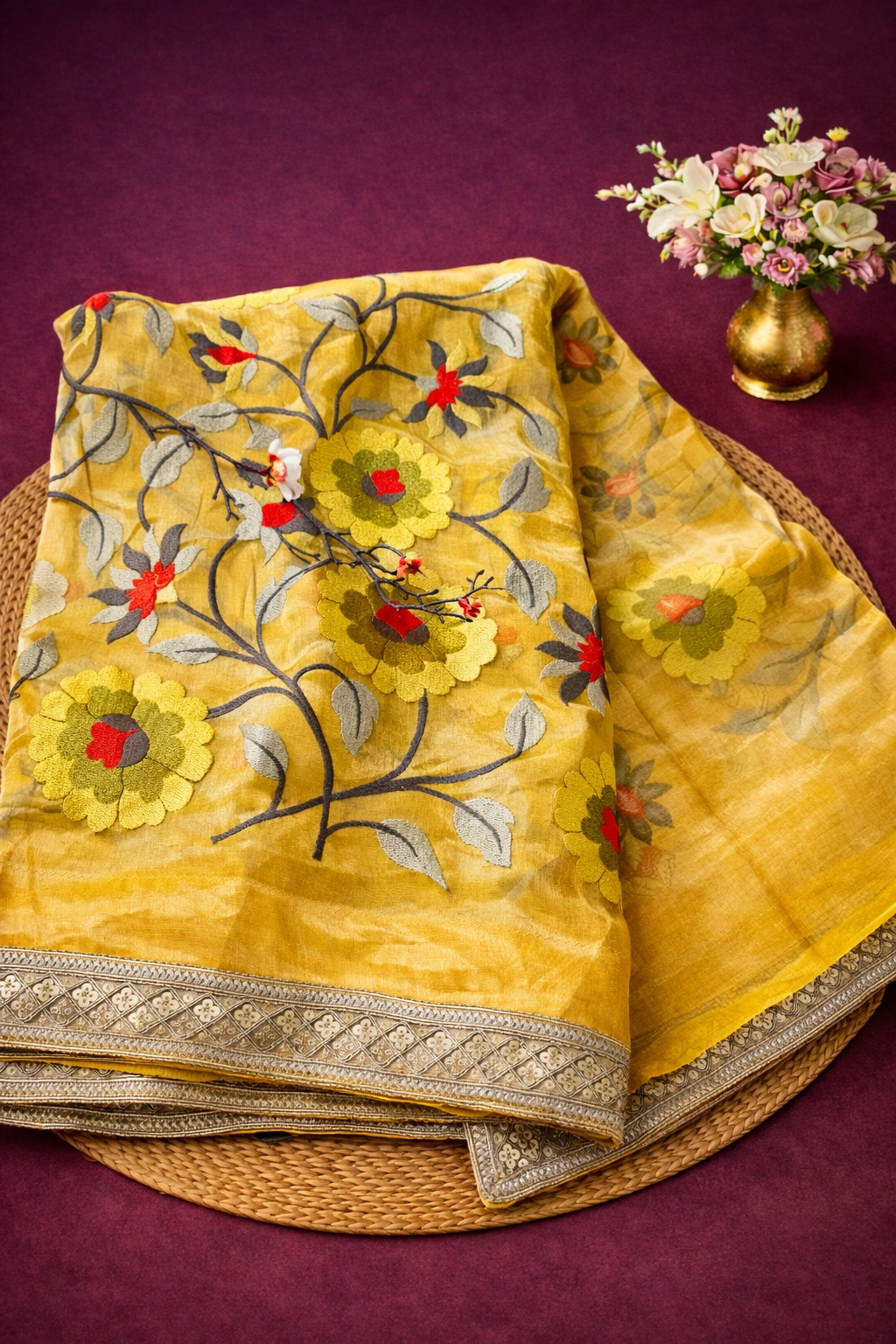
Direct answer: To document a weaving defect, use your phone to take clear close-up photos and a short video showing the issue in natural light. Capture the defect from multiple angles and include a shot of the whole saree for context. Email or WhatsApp these to Swathi Design within 48 hours with your order details and a brief description—this is your best chance for a defect claim or exchange.
How do I document a weaving defect?
To document a weaving defect, photograph and video the area with natural or white light, ensuring clarity. Place a coin or ruler next to the flaw for scale. Show both close-up and full-saree views, and submit these images to customer support (along with your order ID) within the stated claim period—usually 48 hours for US orders.
Step 6: Understanding Exchanges and Size Issues
While most sarees are one-size (yardage), Indian ethnic wear such as lehengas or stitched blouses may be eligible for size exchange when purchased ready-to-ship. Made-to-order stitched items are rarely exchangeable unless the error is with the provided measurements or a clear production flaw. Always double-check the size chart and, if in doubt, choose unstitched or ready-to-ship options. For more, see Best Silk Sarees Under $500 for US Buyers.
Can I exchange for a different size?
US buyers can usually exchange ready-to-ship blouses or outfits for a different size if unworn and in original packaging, but made-to-order items are typically excluded. Always confirm the store’s exchange policy before purchase and keep all tags intact for eligibility.
Step 7: How to Care for Your Handloom Saree
Proper care ensures your saree lasts for decades—a key consideration since returns are unlikely. For pieces like the Pure Chanderi Pattu Silk Saree, always:
- Dry clean only; avoid home washing, which can weaken silk or zari.
- Store in a breathable muslin bag, away from moisture and direct sunlight.
- Fold with acid-free tissue between layers to prevent creasing.
- Air every few months to prevent mildew.
Usable tip: For Banarasi Kora Tissue sarees, gently stuff the folds with muslin to help maintain the crisp drape and prevent permanent creases—this is especially important for tissue and organza bases.
How to Store Handloom Sarees Correctly
- Wrap each saree in a soft muslin cloth.
- Keep away from naphthalene balls (which can stain zari) and use dried neem leaves instead as a natural pest deterrent.
- Refold every six months to avoid permanent fold lines.
Step 8: Why Non-Returnable Policies Protect Artisans
Paragraph snippet: Non-returnable policies for handloom Indian ethnic wear exist because each piece is unique, made by skilled artisans using traditional methods that don’t scale for mass resale. Reselling a returned saree as new is not ethical or feasible, so buyers are asked to inspect on arrival and make use of exchange or defect claim windows instead.
For context, weaving a single Banarasi saree can take several weeks on a pit loom, with motifs drawn from centuries-old patterns. Chanderi’s translucent silk requires a precise interlacing of warp and weft on handlooms, a skill preserved by only a few weaving families in Madhya Pradesh. These crafts are recognized by India’s Geographical Indications (GI) registry, further limiting mass production and return feasibility.
Returns on Indian Ethnic Wear: FAQ
Are made-to-order Indian outfits returnable? Generally no. These are woven or stitched specifically for your order, making returns unfeasible. Always check measurements and fabric details before confirming. What should I check the moment a saree arrives? Check color, motif, fabric, and finishing for visible defects. Unbox under good light, record if possible, and compare with your order description. How do I document a weaving defect? Take sharp photos and a video with a scale reference. Submit these promptly to customer support, ideally within 48 hours, for your defect claim to be considered. Can I exchange for a different size? Usually yes for ready-to-ship stitched blouses or outfits, if unworn and all tags attached. Made-to-order sizes are typically final.Return Policy Comparison Table
| Product Type | Returnable? | Exchangeable? | Defect Claims |
|---|---|---|---|
| Handloom Saree (Made-to-Order) | No | No | Yes (48-hour window) |
| Ready-to-Ship Saree | Rarely | Sometimes (if unworn) | Yes (48-hour window) |
| Stitched Blouse/Lehenga (Ready-to-Ship) | No | Yes (size only, unworn) | Yes (if production error) |
| Custom-Made Outfits | No | No | Yes (if defect on arrival) |
How to Avoid Saree Return Mistakes
- Read the product description and return/exchange policy before checkout.
- Use Swathi Design’s WhatsApp styling help to confirm fabric, color, and size questions.
- When in doubt, choose ready-to-ship instead of made-to-order.
- Inspect your order on arrival, document any issues, and contact support within the claim window.
- For gifts, opt for unstitched sarees or pieces with clear exchange options.
Styling Tips for Premium Sarees
Both the Pure Chanderi Pattu Silk Saree and Banarasi Kora Tissue Embroidery Saree are ideal for weddings, Diwali, and festive events in the US. Pair a Chanderi Pattu saree with a jewel-toned blouse and antique gold jewelry for a classic look, or style your Banarasi Kora Tissue saree with minimalist earrings and a modern blouse silhouette to blend tradition with contemporary flair. For more styling ideas, explore our Sarees collection and read our Chanderi Pattu Silk Saree: A Buyer’s Guide.
Shop the Collection
Ready to invest in heirloom-quality Indian ethnic wear with confidence? Browse our full range of sarees, outfits, and accessories at Swathi Design. Each piece is sourced from Indian artisan weavers, with US-based shipping and support. Still have questions? Use our WhatsApp styling help before you buy.
Returns on Indian ethnic wear require care, clarity, and cultural respect—by following these steps, you’ll shop with confidence and own a piece of living textile heritage.
Featured in this guide
Part of the Handwoven Silks: Chanderi, Tussar & Raw Mango guide collection.
Related guides
- Elevate Every Occasion: Handcrafted Indian Gowns & Frocks for Modern Celebrations in the USA
- Elevate Every Occasion: Pure Chanderi Pattu Silk Sarees for Indian-Americans in the USA
- Exquisite Russian Crape Silk Saree: Timeless Elegance for Every Occasion
- Luxurious Pure Russian Crape Saree: Timeless Elegance for Every Occasion
- Elevate Your Festive Wardrobe with Exquisite Handwoven Chanderi Sarees and Anarkali Dresses