Chanderi Pattu Silk Saree: A Buyer's Guide
Not sure if a Chanderi pattu silk saree is right for your next occasion? This buying guide covers how to judge handwoven Chanderi quality from photos, what a fair US price is, and when to choose Chanderi over heavier silks. Learn how to spot authentic craft, care for your investment, and shop live pieces from Swathi Design.
Chanderi Pattu Silk Saree Buying Guide
Chanderi pattu silk sarees offer a unique blend of lightness, subtle sheen, and traditional artistry that makes them ideal for celebratory occasions where comfort and elegance must go hand-in-hand. This guide will help you decide when to choose a Chanderi pattu silk over a heavier Kanchipuram silk, how to judge quality from online photos, and what price to expect in the US. Drawing on centuries of Indian textile heritage and my own experience as a textile specialist, let’s demystify the Chanderi saree for today’s Indian-American buyer.
What is Chanderi Pattu Silk?
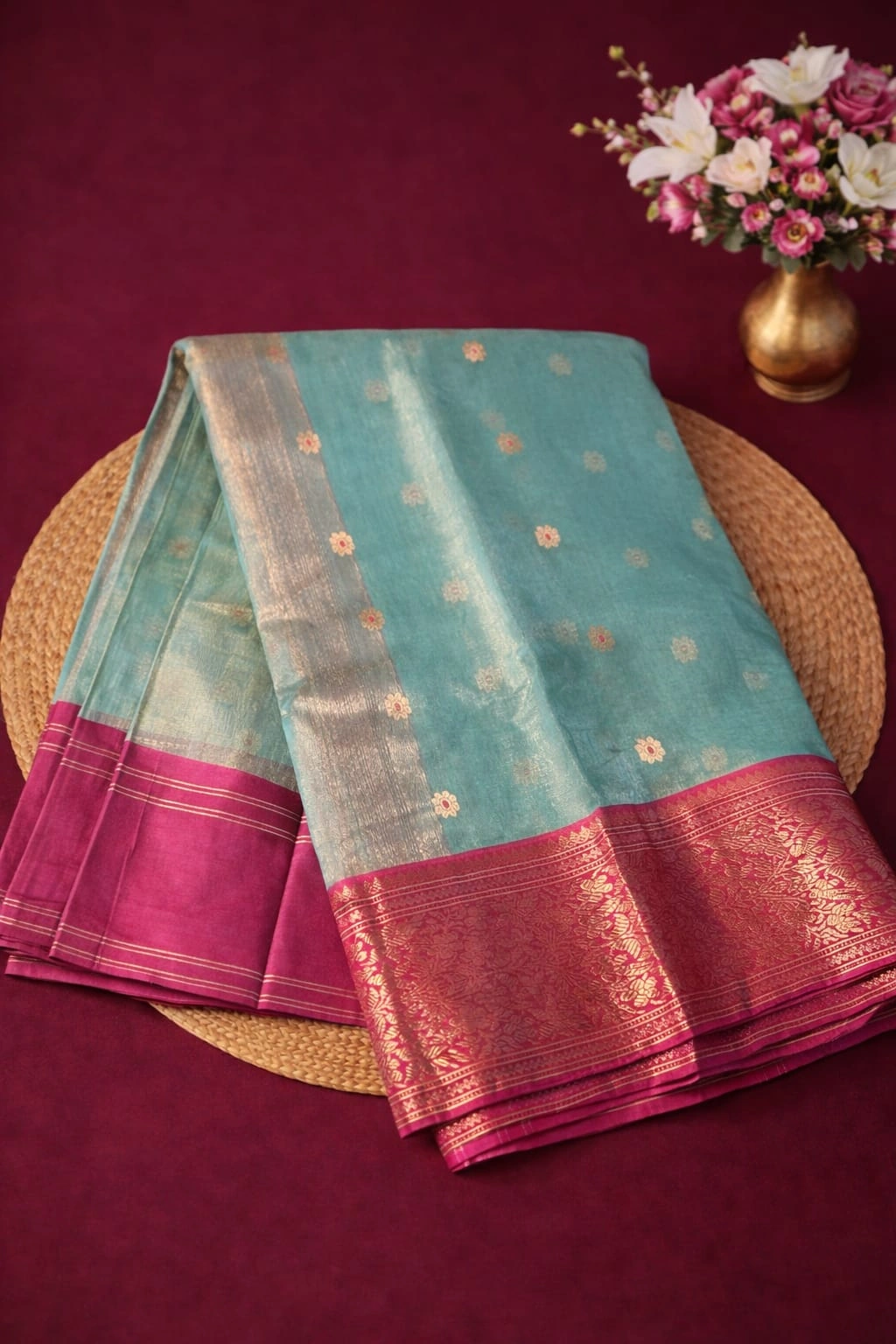
Definition snippet: Chanderi pattu silk saree is a handwoven textile originating from Chanderi, Madhya Pradesh, India, made from pure silk (pattu), sometimes blended with cotton, and known for its sheer, lightweight drape and characteristic glossy finish. Traditional motifs, zari borders, and a translucent quality set authentic Chanderi apart from other Indian silks.
Chanderi weaving flourished under royal patronage and reached its peak during the Mughal era. Today, the town of Chanderi is protected by a GI (Geographical Indication) tag, ensuring only sarees woven in this region and style can be called true Chanderi. The pattu (pure silk) variety is prized for its luminous, feather-light quality, distinct from both all-cotton Chanderi and heavier silks from Kanchipuram or Banaras. Many Swathi Design sarees source directly from Chanderi master weavers, preserving authentic warp-and-weft traditions.
Origin and Cultural Significance
Chanderi sarees have been treasured by Indian royalty and discerning connoisseurs since the 13th century. The region’s unique combination of fine silk and lightweight cotton, along with a legacy of intricate handloom weaving, has made Chanderi the fabric of choice for summer celebrations and evening gatherings. Its translucent texture—often called a sheer body saree—allows for elaborate motifs like peacocks, lotuses, or geometric nakshi borders woven with real zari (metallic thread).
Unlike the temple-bordered grandeur of Kanchipuram or the opulent brocades of Varanasi, Chanderi’s beauty is understated. The saree’s subtle shimmer comes from the use of degummed mulberry silk and extra-fine cotton, spun on pit looms using traditional shuttle weaving. The result: a saree that is regal, but never heavy or overwhelming.
When to Choose Chanderi Pattu Silk Over Heavier Silks
If you’re deciding between a Chanderi pattu silk and a more substantial Kanchipuram or Banarasi saree, consider the occasion, climate, and styling intent:
- Weddings and Receptions: Chanderi pattu silks are perfect for day weddings, summer events, or smaller poojas where comfort is key. For the main bridal saree, see our bridal saree budget guide for heavier options.
- Festivals (Diwali, Navratri, Holi): The luminous, breathable texture works beautifully for hours of celebration, dancing, or mingling with family.
- Upscale Parties and Office Events: Chanderi’s sophisticated motifs and lightweight drape make it a go-to for fusion styling, especially in US climates or air-conditioned venues. For office wear tips, see our saree office styling guide.
- Travel & Packing: Chanderi’s low bulk and easy foldability make it a practical yet luxurious choice for destination events or gifting.
Chanderi is best skipped if you need a saree with maximum structure, volume, or grand temple borders—those are the domain of Kanchipuram and Banarasi silks. For more on how Kanjivarams are made, see this weaving guide.
Skip This If...
- You want a heavy, stiff saree with broad temple borders or dense zari pallu
- You prefer completely opaque drape (Chanderi is semi-sheer and best with a well-matched underskirt)
- You need a machine-washable, low-maintenance saree for rough use
How Chanderi Sarees Are Made: Weaving Craft Explained
Every authentic Chanderi pattu silk saree begins with handspun silk and/or cotton, often sourced from the Malwa or Bengal regions. The yarn is degummed for sheen and strength, then starched for crispness. Weavers use pit looms, which keep the warp (lengthwise threads) under steady tension for fine, even weaving. The weft (crosswise threads) are deftly inserted by hand, with motifs created using extra weft or jacquard techniques.
Traditional designs include butis (small motifs), floral vines, chatai (mat) patterns, and the famous nakshi border. Zari—genuine metallic thread, often gold- or silver-plated—is woven directly into the border and pallu for understated shimmer. A single saree can take weeks to complete, depending on motif complexity and the skill of the artisan. Power-loom imitations lack the crispness, sharpness of motif, and soft handfeel of real handloom Chanderi. Swathi Design’s Pure Chanderi Pattu Silk Saree – Handwoven Traditional Indian Saree for Special Occasions is a classic example of this craft, with each piece hand-finished for authenticity.
How to Judge Chanderi Quality from Listing Photos
Evaluating Chanderi online can be nuanced, but with a trained eye you can spot telltale signs of authenticity and quality:
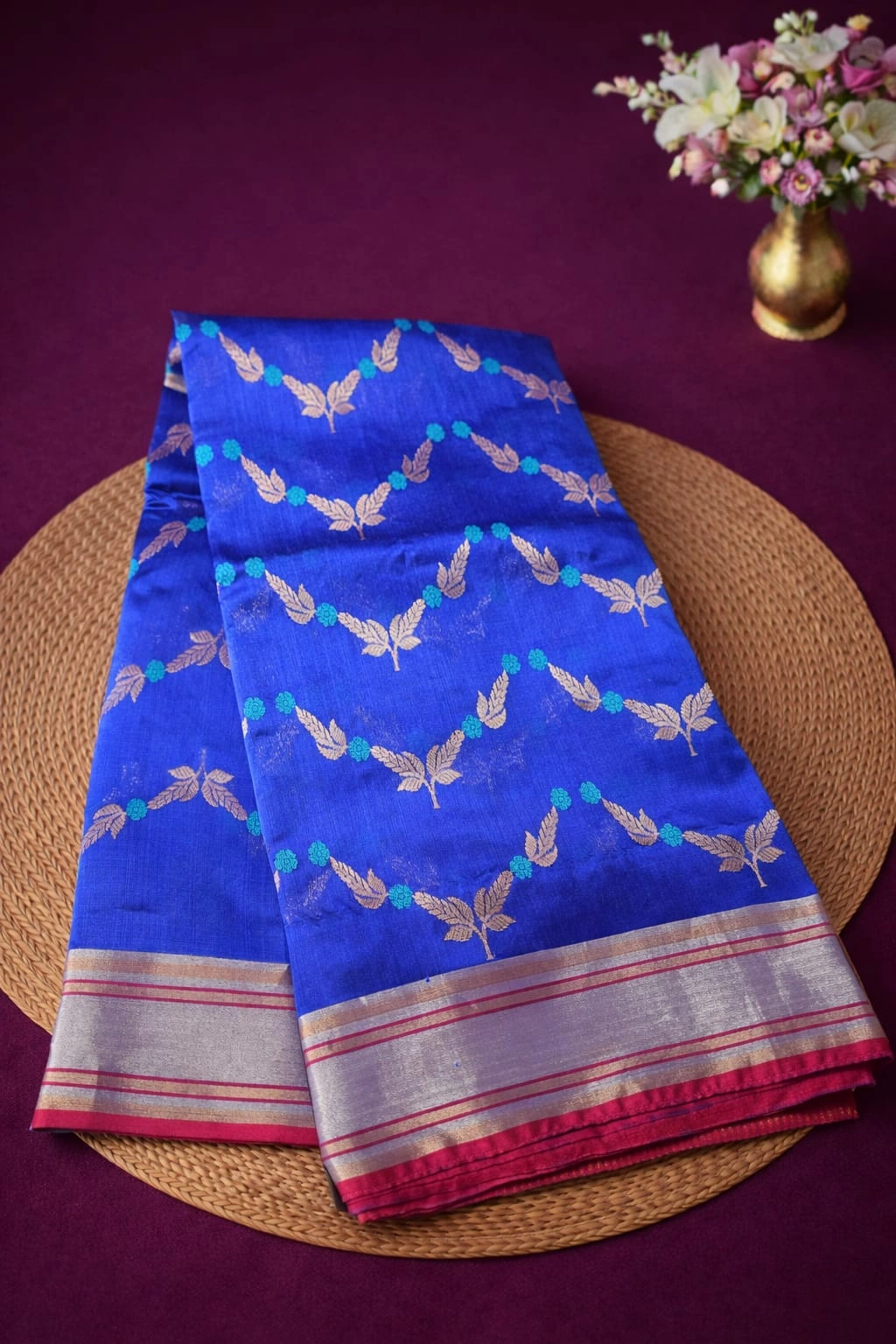
- Sheerness: Authentic Chanderi pattu silk sarees have a translucent, gossamer body. In photos, check if background objects (like a hand, hanger, or blouse) are slightly visible through the fabric.
- Zari Quality: Look for soft, matte gold or silver zari—not brassy yellow or metallic foil. Borders should show crisp, clean patterns without bleeding or frayed edges.
- Motif Precision: Handloom motifs have tiny irregularities, a sign of the artisan’s touch. Power-loomed sarees tend to have repetitive, mechanical patterns.
- Texture and Fold: The saree should drape fluidly and hold soft pleats. In Swathi Design’s Pure Chanderi Pattu Silk Saree – Handwoven Luxury for Weddings & Celebrations, note the fine vertical lines (reed marks) and subtle shimmer—hallmarks of Chanderi.
- Listing Transparency: Check product descriptions for details about fabric blend (pure silk, silk-cotton), weaving location (Chanderi, Madhya Pradesh), and care instructions. Swathi Design lists “handwoven” and describes the pit loom process, confirming artisanal provenance.
Authenticity Test: Hold the saree up to the light—a real Chanderi will show a faint golden mesh from the silk and zari interplay. If you own the saree, gently scratch the zari with your nail: real zari will not flake or reveal plastic beneath. For online buys, zoom in on border close-ups for metallic thread texture.
How to Choose the Right Chanderi Pattu Silk Saree: Key Criteria
- Occasion: Weddings, parties, formal gatherings, or everyday elegance?
- Budget: See price tiers below for US buyers.
- Color and Motif: Classic gold, jewel tones, or pastel hues; look for nakshi border or buta work as per your taste.
- Weight and Drape: Prefer ultra-light for summer, or slightly heavier for structure?
- Border Style: Thin zari border for understated events, wide nakshi border for festive occasions.
- Care Needs: Willing to dry clean and store carefully?
Chanderi Saree Price Tiers in the US: What to Expect
| Price Band (USD) | What You Get | Quality Notes |
|---|---|---|
| Under $100 | Silk-cotton, machine-woven, basic motifs | Likely power-loom, synthetic blends, short lifespan |
| $100–$300 | Handwoven silk or silk-cotton, real zari, classic motifs | Artisan-made, good longevity, most value for money |
| $300+ | Pure pattu silk, elaborate motifs, custom or limited edition | Collector pieces, exceptional craftsmanship |
Swathi Design’s Chanderi pattu silk sarees fall in the price confirmed on inquiry range, reflecting direct-from-weaver sourcing, handloom artistry, and premium fabric. For current options, see the Traditional Indian Saree for Special Occasions, Handwoven Luxury for Weddings & Celebrations, and Handwoven Indian Ethnic Wedding Wear listings.
How to Care for Chanderi Silk Sarees
Chanderi’s delicacy is part of its charm, but it does require mindful care. Here’s how to preserve your investment:
- Washing: Always dry clean. Water and detergents can strip the sheen and damage zari work.
- Storage: Fold along existing creases, wrap in muslin or pure cotton, and keep away from direct sunlight. Avoid plastic covers, as they can trap moisture and cause yellowing.
- Ironing: Use a low-heat silk setting, always with a cotton cloth on top. Never iron directly on zari or motifs.
- Air Out Annually: Once a year, unfold and air your Chanderi saree in the shade for a few hours to prevent mustiness.
- Care Tip: Place a few whole cloves or dried neem leaves in your storage box—this naturally deters silverfish and moths without chemical damage.
- Handling: Avoid spraying perfume directly onto the saree, as alcohol can dull both silk and zari.
Why Choose Chanderi Pattu Silk Saree?
Chanderi pattu silk sarees are the right choice for those seeking lightweight comfort, refined shine, and cultural heritage in one garment. Their unique weaving technique and regional authenticity set them apart from mass-market silks, making them a meaningful investment for weddings, festivals, and special gatherings.
Unlike heavy silks, Chanderi’s feather-light drape suits the American climate and modern fusion styling, while still honoring Indian tradition. For those who value the story and skill behind their attire, Chanderi is both a style statement and a cultural heirloom.
How to Style a Chanderi Saree for US Occasions
Paragraph snippet: To style a Chanderi saree for a US-based event, pair the saree with a minimalist silk or brocade blouse, heirloom gold or kundan jewelry, and a coordinating petticoat for semi-sheer coverage. Contemporary accessories—like metallic clutches or statement earrings—elevate the look without overpowering Chanderi’s subtlety. Classic knots or loose open pallus work best to showcase the border.
- For weddings and receptions: Opt for bold gold or polki sets, and a silk blouse in a contrasting jewel tone. Drape the pallu over the shoulder to show off the zari border.
- For Diwali or Navratri: Match with oxidized silver or filigree jewelry, and experiment with a sleeveless or high-neck blouse for a modern twist.
- For cocktail parties: A crisp white shirt-blouse and minimalist earrings keep things fresh and fusion-friendly.
- For gifting: Chanderi is universally flattering and easy to pack, making it a thoughtful present for mothers, sisters, or bridesmaids.
See Swathi Design’s Sarees collection for more styling inspiration.
FAQ: Chanderi Pattu Silk Saree Buying Guide
Is Chanderi pattu warm enough for a winter wedding?
Chanderi pattu silk sarees are lightweight and semi-sheer, designed for breathability in warm climates. For winter weddings, especially outdoors, they may require layering with a silk petticoat or a shawl. Their comfort and drape make them suitable for indoor events, but for maximum warmth, a heavier Kanchipuram or Banarasi silk is recommended.
How can I judge Chanderi quality from photos?
To judge Chanderi quality online, look for sheerness, crisp zari borders, and minor motif irregularities—hallmarks of handloom work. Genuine Chanderi pattu silk should appear gossamer-thin with a distinct shimmer. Zoom in on border and pallu details for metallic thread texture, and read product descriptions for terms like “handwoven,” “pure silk,” and “Chanderi, MP.”
Does Chanderi need a lining?
Chanderi sarees are semi-sheer, especially in lighter colors. For modesty and drape, pair with a matching silk or cotton petticoat (underskirt). No additional lining is needed if you use a standard saree underskirt, but avoid thick or synthetic linings that may weigh down the saree’s natural movement.
What is a fair US price for pure Chanderi pattu?
A fair price for a pure handwoven Chanderi pattu silk saree in the US is typically $185–$300, reflecting artisan wages, import duties, and authentic materials. Machine-woven or synthetic blends may cost less but do not offer the same durability or artistry. Swathi Design’s current Chanderi pattu collection ranges from $185 to $235 per saree, sourced directly from Indian weavers.
Shop the Collection
Ready to experience the artistry of Chanderi? Browse Swathi Design’s live Chanderi pattu silk saree offerings:
- Pure Chanderi Pattu Silk Saree – Handwoven Traditional Indian Saree for Special Occasions (price confirmed on inquiry)
- Pure Chanderi Pattu Silk Saree – Handwoven Luxury for Weddings & Celebrations (price confirmed on inquiry)
- Pure Chanderi Pattu Silk Saree – Handwoven Indian Ethnic Wedding Wear (price confirmed on inquiry)
Or browse our full collection for more handloom sarees, and use the WhatsApp styling service for personal guidance on color, drape, and occasion.
Featured in this guide
Part of the Handwoven Silks: Chanderi, Tussar & Raw Mango guide collection.
Related guides
- Elevate Every Occasion: Handcrafted Indian Gowns & Frocks for Modern Celebrations in the USA
- Elevate Every Occasion: Pure Chanderi Pattu Silk Sarees for Indian-Americans in the USA
- Exquisite Russian Crape Silk Saree: Timeless Elegance for Every Occasion
- Luxurious Pure Russian Crape Saree: Timeless Elegance for Every Occasion
- Elevate Your Festive Wardrobe with Exquisite Handwoven Chanderi Sarees and Anarkali Dresses