Best Silk Sarees Under $500 for US Buyers
Looking for the best silk sarees under $500? Explore what sets true heirloom weaves apart, how to spot authentic Kanchipuram and Chanderi silks, and whether the $500 tier is worth it for weddings or investment. Practical care tips and purchase guidance for Indian-Americans in the US.
Best Silk Sarees Under $500: An Expert Guide
If you’re considering the best silk sarees available under $500 in the US, focus on craftsmanship, fabric purity, and authentic weaving traditions. This guide breaks down what to expect at this price tier, how these sarees are made, and what makes them wise investments for both special occasions and future generations. The $500 category offers truly handwoven pieces from South India’s renowned weaving regions, but it’s important to know what sets them apart from both lower and higher price bands.
| Saree | Region | Main Features | Price |
|---|---|---|---|
| Pure Kanchipuram Silk Bridal Saree | Kanchipuram, TN | Pure silk, handloom, intricate gold zari, temple motifs | $245 |
| Pure Chanderi Pattu Silk Saree | Chanderi, MP | Lustrous silk, sheer finish, traditional motifs | price confirmed on inquiry |
| Pure Chanderi Pattu Silk Saree | Chanderi, MP | Lightweight, subtle sheen, handwoven patterns | price confirmed on inquiry |
1. Pure Kanchipuram Silk Bridal Saree with Intricate Zari Work
Origin: Kanchipuram in Tamil Nadu has produced handloom silk sarees for more than four centuries. Renowned for their durability, weight, and temple-inspired motifs, Kanchipuram sarees are considered an heirloom investment across South Indian communities. GI (Geographical Indication) tagging by the Indian government preserves the authenticity of this weave.
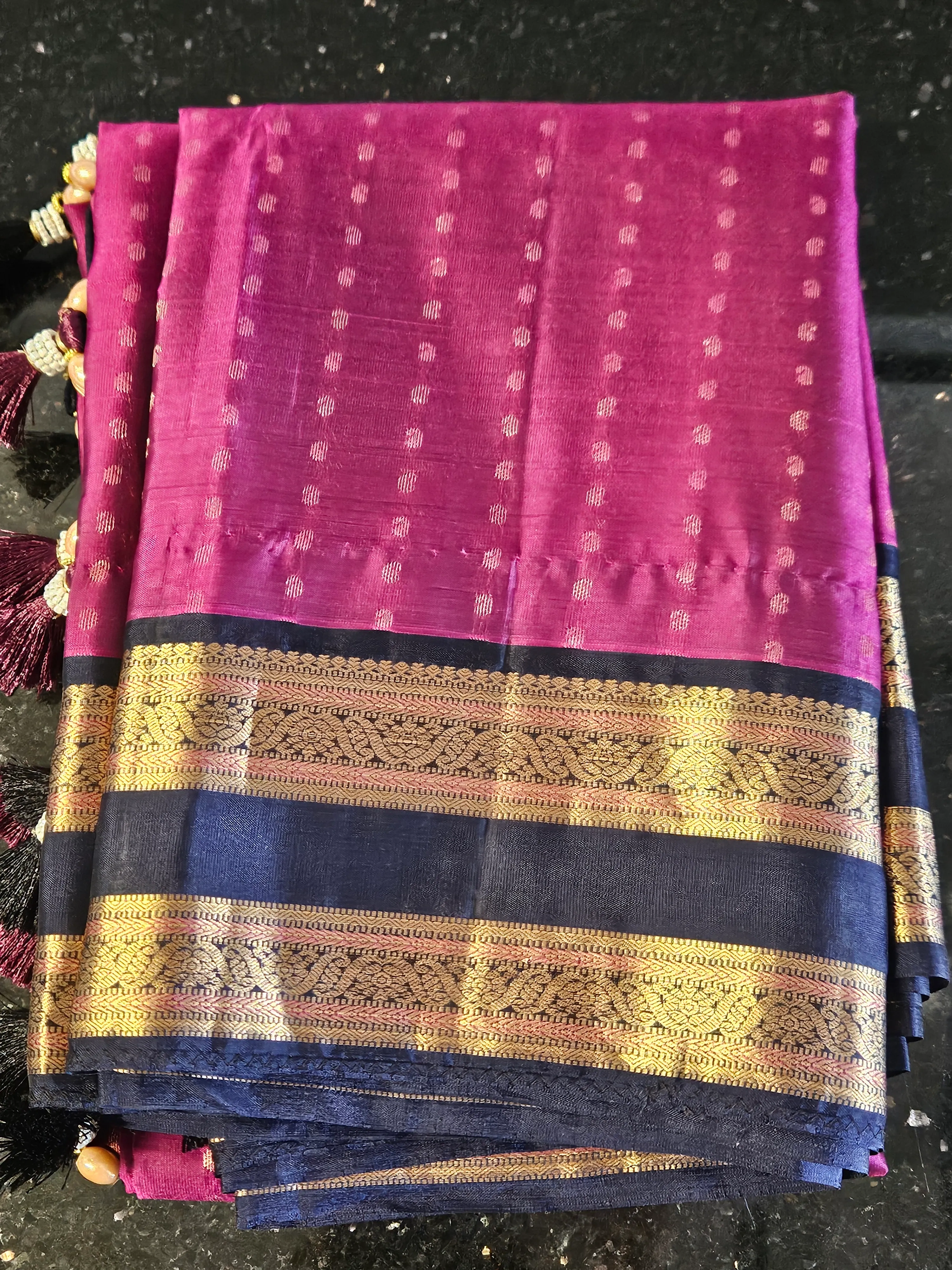
How Kanchipuram Silk Is Made
Each Pure Kanchipuram Silk Bridal Saree is woven on a pit loom using high-twist mulberry silk yarn. The warp and weft are interlaced by hand, with real zari (a thread traditionally made of fine silver and gold) woven into elaborate motifs. The signature "korvai" border technique joins the pallu and body with a strong, decorative seam—a feature that only skilled artisans can execute seamlessly.
Kanchipuram Authenticity Test
- Look for the "korvai" joint at the border—it should be a visible, interlocked seam, not glued or stitched.
- Rub a section of the saree gently between your fingers. Pure silk feels cool and soft, not sticky or plasticky.
- Real zari will slightly tarnish if exposed to moisture over time, unlike synthetic (tested with a simple silver polish cloth).
How to Care for Kanchipuram Silk
- Always dry clean, never machine wash—even gentle cycles can break the zari threads.
- Fold along existing creases and store in a muslin or silk pouch to prevent snagging and moisture damage.
- Refold every 3-4 months to avoid permanent creases and ensure even aging of the zari.
Why It’s Worth It: At $245, this saree offers genuine handloom craftsmanship, intricate gold zari, and a vibrant palette. For brides or families seeking a wedding saree in the USA, it’s a true investment piece—affordable compared to $500+ GI-tagged Kanchipurams, but still heirloom quality. For a detailed look at the weaving process, explore our post: How Is a Kanjivaram Saree Made?
2. Pure Chanderi Pattu Silk Saree – Handwoven Traditional Indian Saree for Special Occasions
Origin: Chanderi in Madhya Pradesh is famed for its lightweight, sheer silk sarees. Chanderi weaving dates back to at least the 13th century, with royal patronage from the Scindia and Holkar dynasties. Traditional motifs—ashrafi (coin), peacock, and floral buttas—are hallmarks of Chanderi sarees.
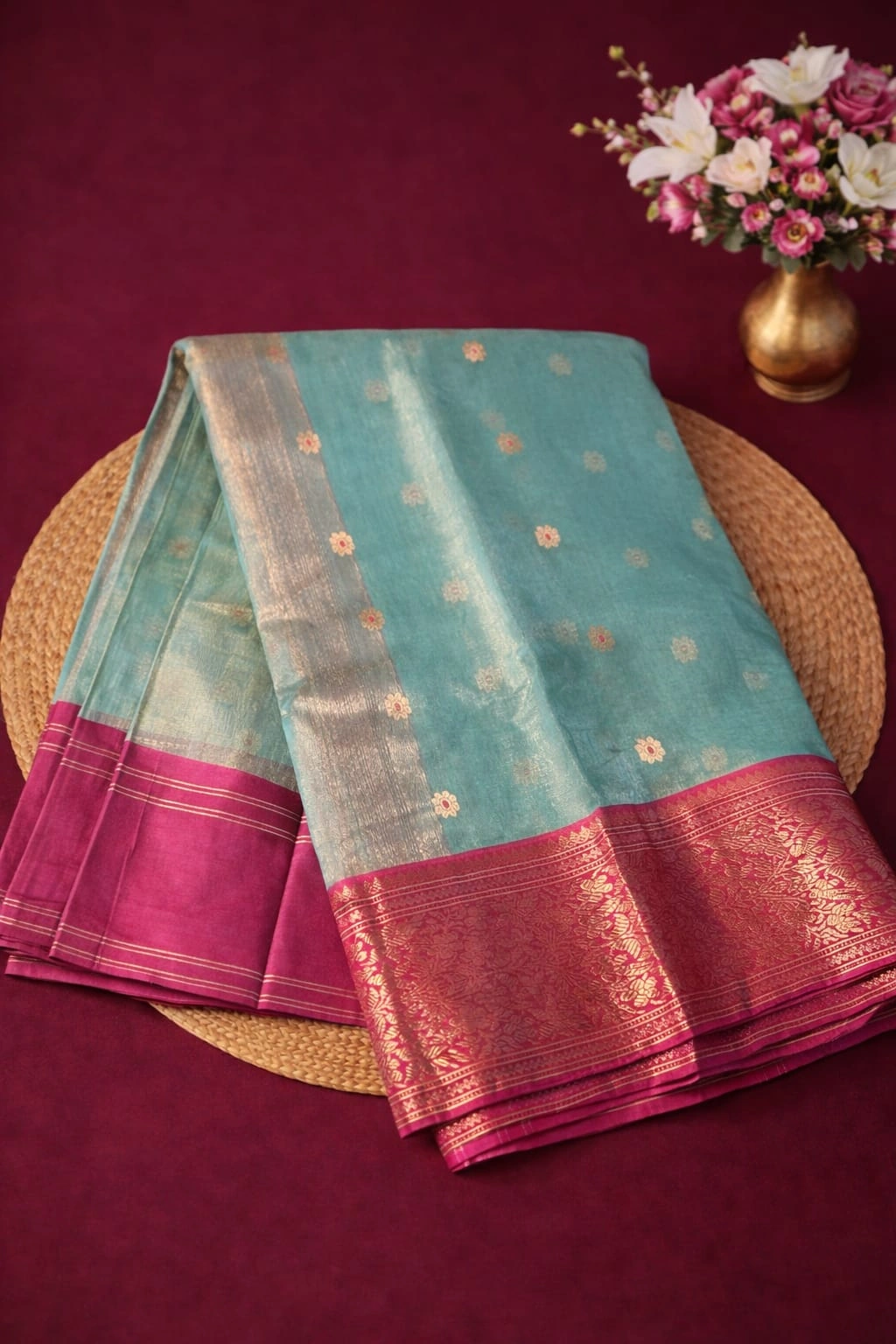
How Chanderi Silk Is Made
The Pure Chanderi Pattu Silk Saree is handwoven using fine silk warp and weft, sometimes blended with cotton for extra breathability. The sheer, glossy texture is created by using untwisted silk yarns and a loose weaving technique. Each motif is hand-inserted, not printed, ensuring sharpness and clarity.
Chanderi Authenticity Test
- Hold the saree up to the light; authentic Chanderi silk will have a translucent, almost organza-like quality, but with a denser body along borders and pallu.
- Natural silk will have slight irregularities (tiny nubs) in the weave, a sign of handloom work.
- Check for a soft rustling sound when you drape—it’s called the “silk whisper.”
How to Care for Chanderi Silk
- Dry clean only; avoid water and harsh detergents, which can cause the silk to lose sheen.
- Store flat or gently folded in a cool, dry place, away from direct sunlight to prevent color fading.
- Insert acid-free tissue between folds when storing long-term to maintain the saree’s shape.
Why It’s Worth It: At $235, this saree balances tradition and wearability—lightweight enough for US climates, but with the gravitas of true handloom silk. Chanderi’s versatility makes it ideal for festive events, weddings, or as a sophisticated gift. For a complete Chanderi buying guide, see Chanderi Pattu Silk Saree: A Buyer's Guide.
3. Pure Chanderi Pattu Silk Saree – Handwoven Luxury for Weddings & Celebrations
Origin: Also from Chanderi, this saree highlights the region’s signature lightness and refined motifs. The artisan process here is slow and exacting, with every inch woven on traditional handlooms, not power-looms.
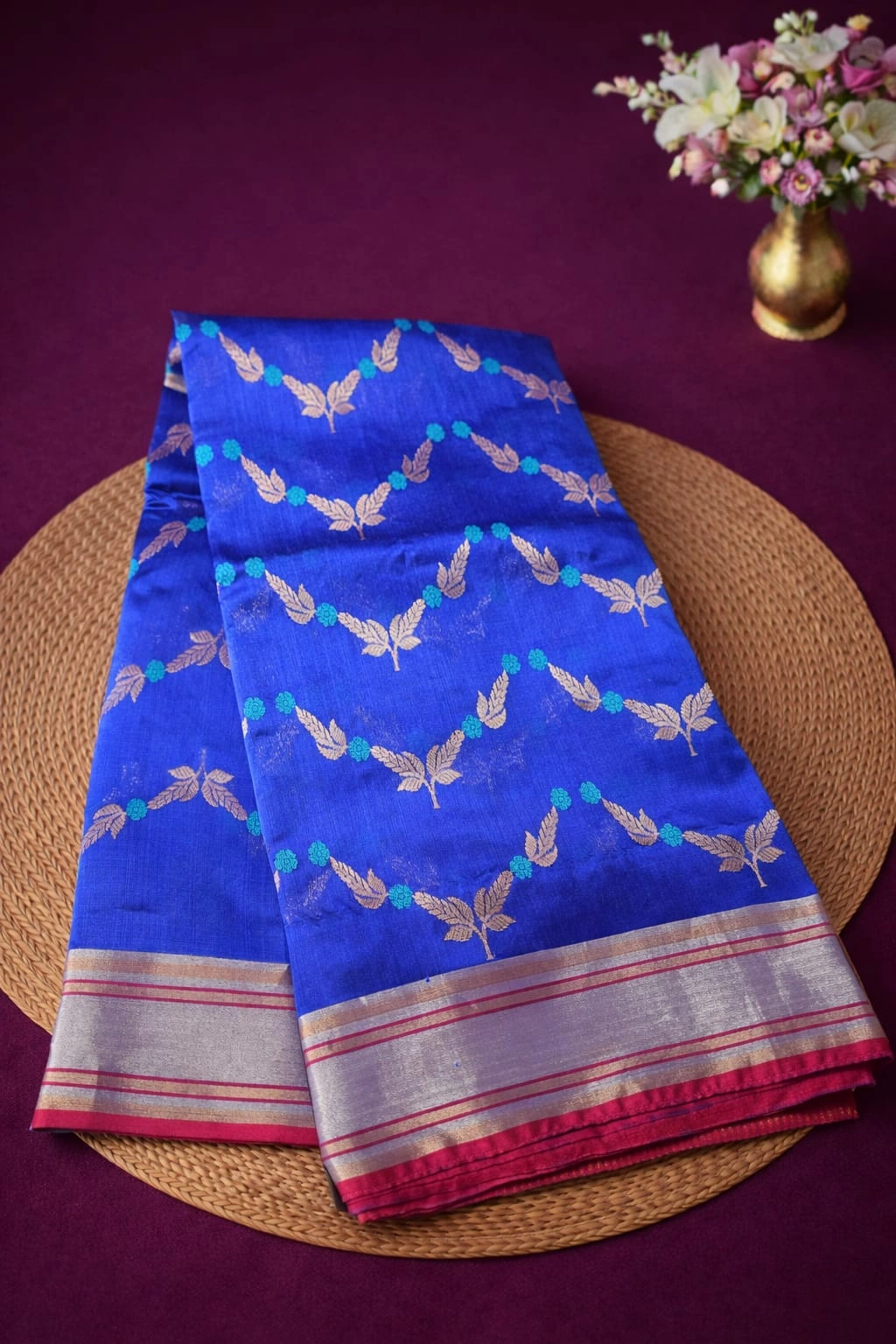
How It’s Made: Pattu Silk Weaving
This Pure Chanderi Pattu Silk Saree features a heavier pattu (pure silk) weave compared to standard Chanderi blends, giving it a richer drape and subtle gleam. The delicate zari motifs are woven, not embroidered, for crispness and durability. Each saree passes through more than a week of artisan labor—visible in the uniformity and clarity of motifs.
Chanderi Silk Authenticity Tip
- Run your hand along the border: pure zari will feel slightly raised and cool, while synthetic threads are often flat and warm to the touch.
- Check the selvedge (edge): a handloom saree will have tiny thread knots or unevenness at the ends, a telltale sign it was not mass-produced.
How to Care for Your Luxury Chanderi
- Dry clean only, and request the cleaners use a silk-friendly solution to protect the shine.
- Hang on a padded hanger for short-term storage, but fold and rotate position every few months for long-term preservation.
Why It’s Worth It: At $230, this saree delivers the feel of bespoke luxury without the price tag of designer labels. It’s suitable for weddings, Diwali parties, and can even serve as a family heirloom with proper care.
What Separates a $200 Saree from a $500 One?
In the US, a $200 saree may feature handloom silk but often uses lighter or blended silks, simpler zari work, or power-loom elements. A $500 saree typically means:
- Pure mulberry silk throughout (not blends)
- Real silver zari, sometimes gold-washed, not plastic or metallic polyester
- Labor-intensive techniques like korvai borders, hand-inserted motifs, and GI certification
- Larger, more intricate designs and heavier pallu
- Each saree taking 15-30 days to weave
For most US buyers, the best silk sarees under $500 hit a sweet spot: affordable enough for occasional wear, yet woven to last decades if properly cared for. True $500+ Kanchipurams add weight, more gold, and elaborate temple borders—see our post on bridal saree budgeting for details.
Should You Splurge on a $500+ Saree?
| Feature | Under $500 | $500+ |
|---|---|---|
| Weave | Pure silk, handloom, some power-loom | 100% handloom, GI certified |
| Zari | Gold/silver mix, some synthetic | Pure silver/gold zari |
| Design | Traditional, moderate motifs | Highly intricate, custom patterns |
| Weight | 350-600g | 700g-1kg (Kanchipuram) |
| Resale Value | Good, but variable | High, especially with GI tag |
For most festive and wedding needs, the under-$500 saree is more than adequate, especially if you prioritize comfort, ease of draping, and travel. Splurge on $500+ only if you want rare patterns, pure gold zari, or “museum-grade” pieces for future generations.
How to Style the Best Silk Sarees for US Occasions
To style a handwoven silk saree for weddings or festivals in the US, choose jewelry that matches the saree’s era and region. For a Kanchipuram, opt for antique temple jewelry—think gold jhumkas, kadas, and a kasu mala necklace. With Chanderi, lighter gold or silver pieces, pearls, or enamel bangles add contemporary flair. Pair with a tailored blouse in contrasting or complementary tones. For more styling inspiration, browse the Sarees category or connect with Swathi Design’s WhatsApp styling service.
FAQ: Best Silk Sarees Under $500
Is $500 Enough for a Bridal Kanjivaram?
Kanjivaram sarees, prized for their pure mulberry silk and gold zari, are available in the US between $200 and $500 for authentic handloom pieces with traditional motifs. $500 is sufficient for a high-quality, handwoven bridal Kanjivaram with genuine zari and signature korvai borders, though rare or custom designs may cost more.
What Separates a $200 Saree from a $500 One?
The main differences are silk purity, zari content, complexity of motif, and hours of artisan labor. $500 sarees use pure silk, heavier gold or silver zari, and showcase complex techniques like korvai or double-warp weaving, while $200 sarees may use blended fabrics or machine embroidery.
Do Heavier Sarees Always Cost More?
Heavier sarees often use more silk and zari, which increases cost, but weight alone does not guarantee quality. It is the purity of silk, artisan technique, and intricacy of design that mainly determine price, not just grams per meter.
Will a $500 Saree Hold Resale Value?
A $500 pure silk saree from a recognized region (like Kanchipuram or Chanderi) can hold significant resale value, especially if it features real zari and classic motifs. However, provenance, condition, and authenticity certificates (GI tag) enhance resale prospects the most.
Why Choose the Best Silk Sarees Under $500?
The best silk sarees under $500 provide authentic regional craftsmanship, pure silk comfort, and lasting cultural value. For Indian-American buyers, they offer a balance of beauty, practicality, and heirloom potential—without the risk of overpaying for brand markup or synthetic blends. Choose wisely, care for your saree well, and it can be worn, gifted, or passed down for generations.
Shop the Collection
Ready to find your next heirloom? Browse our full collection of handwoven silk sarees, or explore the featured pieces:
- Pure Kanchipuram Silk Bridal Saree
- Pure Chanderi Pattu Silk Saree
- Pure Chanderi Pattu Silk Saree – Luxury Edition
For more advice on choosing and caring for traditional Indian fabrics, explore our related posts on Dola Silk and Mul Cotton, or reach out to Swathi Design’s team for personalized recommendations.
Featured in this guide
Part of the Handwoven Silks: Chanderi, Tussar & Raw Mango guide collection.
Related guides
- Elevate Every Occasion: Handcrafted Indian Gowns & Frocks for Modern Celebrations in the USA
- Elevate Every Occasion: Pure Chanderi Pattu Silk Sarees for Indian-Americans in the USA
- Exquisite Russian Crape Silk Saree: Timeless Elegance for Every Occasion
- Luxurious Pure Russian Crape Saree: Timeless Elegance for Every Occasion
- Elevate Your Festive Wardrobe with Exquisite Handwoven Chanderi Sarees and Anarkali Dresses