Reception vs Muhurtham Saree: How to Choose
Confused about choosing a reception saree vs a muhurtham saree? Here’s a practical, occasion-by-occasion guide to splitting your bridal budget, understanding South Indian colour conventions, and picking the perfect look for every wedding moment—plus guest styling tips for every event.
Reception vs Muhurtham Saree: The Direct Answer
If you’re a South Indian bride (or family member) planning your wedding in the US, here’s the bottom line: Most brides choose a traditional, heavy silk saree (like a Kanchipuram) for the muhurtham and a lighter, often more contemporary saree or lehenga for the reception. Splitting your budget allows you to honor tradition for the ceremony and shine in photos at the party—without sacrificing comfort or style. Let’s break down how to pick the right piece for each event, avoid common mistakes, and plan your wardrobe with zero stress.
Reception vs Muhurtham Saree: Quick Comparison
| Feature | Muhurtham Saree | Reception Saree/Lehenga |
|---|---|---|
| Purpose | Main wedding ritual, auspicious | Celebration, party, photos |
| Fabric | Pure silk (e.g. Kanchipuram) | Silk, georgette, muslin, net, or lighter silk |
| Weight | Heaviest, structured drape | Lighter, fluid, or flared |
| Colour | Red, maroon, gold, yellow, green (auspicious) | Pale, pastel, jewel tones; more flexibility |
| Budget Split | 60–70% | 30–40% |
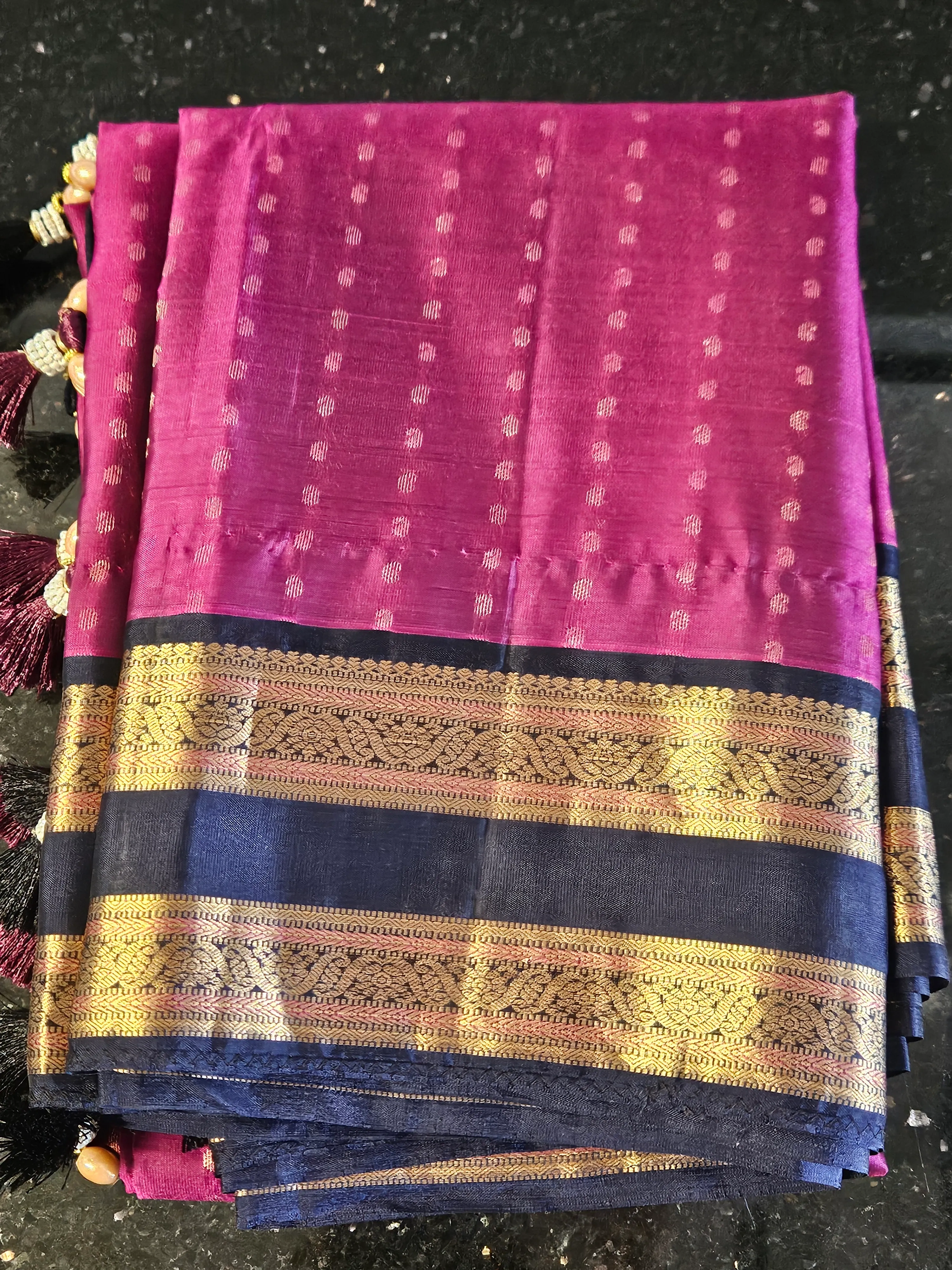
What is a Muhurtham Saree?
A muhurtham saree is the traditional silk saree worn by the bride during the main wedding ceremony, usually in the morning or midday, when the sacred rituals take place. "Muhurtham" refers to the auspicious time set for the wedding, and the saree is typically a pure silk Kanchipuram with rich zari work, chosen for its symbolism, heritage, and ability to withstand hours of rituals, garlands, and photography. Colour conventions—often deep reds, golds, yellows, or greens—are rooted in centuries of South Indian tradition.
Why Choose a Pure Kanchipuram Silk Bridal Saree for Muhurtham?
Kanchipuram sarees, woven for over 400 years in Tamil Nadu, are prized for their durability, lustrous finish, and intricate gold zari motifs inspired by temple architecture. The Pure Kanchipuram Silk Bridal Saree with Intricate Zari Work ($245) is handwoven by skilled artisans, offering a regal drape and radiant color—ideal for the sacred muhurtham. The heavy silk structure supports layers of jewelry and flowers, photographs beautifully under bright mandap lights, and honors both family tradition and personal style. If you’re looking for authenticity and heirloom value, this is the saree to invest in.
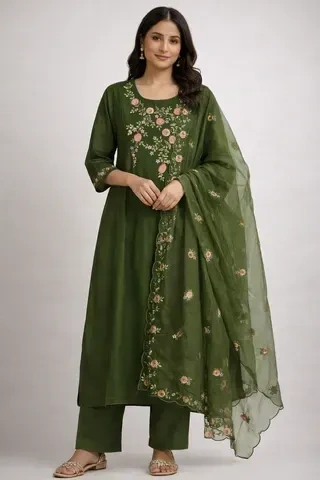
Reception Saree or Lehenga: How to Decide?
The wedding reception is your moment to relax, dance, and mingle—often in the evening, with formal photos and speeches. Many Indian-American brides choose a lighter saree in contemporary colors or a lehenga for ease and movement. The Off-White Silk Muslin Lehenga ($28) from Swathi Design is a perfect second-look option: soft, breathable, with hand embroidery and a flattering A-line cut. Lighter silks, georgette, or muslin allow you to move freely, eat comfortably, and change up your look for the party. Pair with bold or minimalist jewelry—your call.
Guest Style: What to Wear to Muhurtham vs Reception
- Muhurtham (Morning Ceremony): Opt for traditional silk or cotton sarees in rich, auspicious colors. Avoid white or black. Temple jewelry is always appropriate. If you’re unsure, browse Swathi Design’s saree collection for guest-friendly options.
- Reception (Evening): Pastels, jewel tones, or even metallics are welcome. Lighter sarees, lehengas, or kurta sets are all guest-friendly. Comfort matters—especially if you’ll be joining the dance floor.
Outfit Weight & Comfort: Real-World Tips
- For Brides: Kanchipuram silks are substantial—expect 800g to 1.2kg. Wear your full saree with jewelry for a trial run at home before the big day. If you’re petite or unused to heavy sarees, consider a lighter pallu or smaller border.
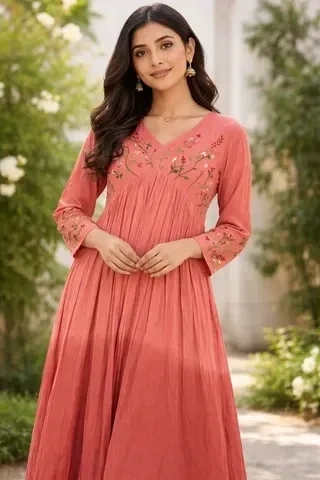
- For Reception: Muslin, georgette, or lighter silk sarees/lehenga sets weigh far less (400-700g), ideal for dancing and late-night comfort. The Handcrafted Pastel Mul Cotton Kurta Set ($38) is a wonderful option if you want a fuss-free yet festive look—easy to manage and perfect for after-hours events.
How Should I Split My Bridal Saree Budget?
For most South Indian-American weddings, allocate 60–70% of your saree budget to the muhurtham saree (since it is often photographed more, holds deep cultural value, and is worn during the key rituals). The remaining 30–40% can go to your reception saree or lehenga, where comfort and trend-driven style matter more. If your total budget is $350, you might spend $245 on a classic Kanchipuram and $28–$75 on a lighter, contemporary piece. Don’t forget to budget for blouses, petticoats, and professional draping if needed—especially in the US, where alteration timelines can be tight.
- Do invest in high-quality silk for the muhurtham—it will show up best in morning light and last for generations.
- Don’t overspend on a reception look you’ll only wear once. Comfort + style should guide your choice.
- Do factor in dry cleaning for heavy silks. Learn more in our silk saree care guide.
- Don’t forget to coordinate with your jewelry and footwear—especially for the reception.
What Colours Are Conventional for Muhurtham and Reception?
Traditional muhurtham sarees favor auspicious colors: deep reds, yellows, golds, or green—each symbolizing prosperity, fertility, and marital bliss. Reception attire is more flexible: pastels, off-whites, lilacs, or jewel tones are popular, especially for evening events and mixed-cultural celebrations. The Kanchipuram Silk Bridal Saree is available in various festive colors, while the Off-White Silk Muslin Lehenga offers a modern, ethereal twist on tradition.
How to Style a Kanchipuram Saree for a Wedding?
To style a Kanchipuram saree for your muhurtham, follow these steps:
- Choose traditional jewelry: Temple gold, kemp stones, or antique pieces work best with heavy silk.
- Secure the saree firmly using safety pins at the shoulder and waist—heavier sarees need extra support.
- Drape the pallu over the left shoulder, allowing zari designs to show in photos.
- Pair with a classic silk blouse in a matching or contrasting color.
- Finish with fresh jasmine flowers in your braid or bun for an authentic touch.
This classic styling ensures comfort, elegance, and tradition—all captured beautifully in your wedding photos.
Common Bridal Saree Mistakes to Avoid
- Choosing a saree that’s too heavy for your frame—especially if you’re not used to wearing silk for hours.
- Ignoring color conventions; red, yellow, and gold are safest for the muhurtham, while off-white is best saved for the reception or post-wedding events.
- Waiting too long to alter your blouse—give yourself at least 2-3 weeks.
- Skipping a dry run with full jewelry and saree before the big day.
- Storing your silk saree in plastic; always use a breathable silk pouch to prevent moisture damage.
Cultural Context: The Heritage of Kanchipuram Silk
Woven for centuries by the Devanga and Saligar weaver communities of Tamil Nadu, Kanchipuram sarees are considered the ‘queen of silks’ in South India. Each saree can take up to 10 days to complete and features motifs drawn from temple gopurams, peacocks, and mythological stories. The silk is double-warp and double-weft, producing unmatched sheen and structure. According to the Tamil Nadu Handloom Weavers’ Cooperative Society, authentic Kanchipurams are prized for their durability and are often passed down as heirlooms. Investing in a piece like the Pure Kanchipuram Silk Bridal Saree means you’re supporting artisan tradition and preserving a living legacy.
FAQ: Reception vs Muhurtham Saree
Do brides wear different sarees for muhurtham and reception?
Yes, most South Indian brides wear a traditional silk saree (often Kanchipuram) for the muhurtham ceremony and change into a lighter saree, lehenga, or gown for the reception. This allows for comfort during rituals and a fresh look for evening celebrations and photos.
How heavy should a muhurtham saree be?
A typical muhurtham saree weighs 800g–1.2kg due to pure silk and zari work. Choose a weight you’re comfortable with for long ceremonies. Lighter options exist but may lack the structure and drape of traditional Kanchipurams.
What colours are conventional for each?
Muhurtham sarees are usually deep red, gold, yellow, or green—seen as auspicious in South Indian culture. Reception sarees or lehengas can be lighter or pastel shades, jewel tones, or metallics, giving more room for personal style and modern trends.
How should I split my bridal budget?
Allocate 60–70% of your saree budget to your muhurtham saree—this is the most photographed and symbolically important piece. Reserve 30–40% for your reception outfit, prioritizing comfort and versatility. Don’t forget alteration and care costs!
Reception vs Muhurtham Saree in Guest Styling: Practical Picks
For guests, the same logic applies, but with more flexibility. For the ceremony, pick a silk or crisp cotton saree in jewel tones or festive colors. For the reception, try a pastel cotton kurta set or a light embroidered lehenga. The Handcrafted Pastel Mul Cotton Kurta Set is a crowd-pleasing choice for both comfort and style, especially if you’ll be on your feet all night.
Wedding Day Timeline: Outfits Across Events
- Mehendi/Sangeet: Lightweight lehengas, cotton kurtas, or pre-stitched sarees. Prioritize comfort for dancing and henna application.
- Muhurtham: Pure silk Kanchipuram or heavy saree with traditional motifs. Always dry clean after use; see our care guide.
- Reception: Lighter saree, lehenga, or kurta set in pastels or jewel tones. Choose breathable fabrics and easy-drape silhouettes.
For US-based weddings, factor in potential climate (indoor vs outdoor), travel, and the need for quick changes if you’re the bride.
Shop the Collection
Ready to find your perfect muhurtham or reception saree? Browse our full collection of pure Kanchipuram silks, contemporary lehengas, and guest-friendly kurta sets. Swathi Design offers flat-rate US shipping, authentic artisan sourcing, and WhatsApp styling help—so you can shop with confidence and celebrate every moment in style.
Still unsure? Explore our regional saree shopping guides for even more tips on buying ethnic wear in the US, or visit our Sarees and Dresses categories for every occasion.
As always, I’m here to take the stress out of your wedding wardrobe planning. Celebrate your roots, embrace your style, and make every wedding moment unforgettable!
Featured in this guide
Part of the Indian Wedding & Festive Dressing guide collection.
Related guides
- Chanderi Silk Suits in USA: Embrace Ethnic Grace for Weddings & Festive Occasions
- Elevate Your Festive Wardrobe: Stunning Indian Dresses for US Weddings & Celebrations
- Celebrate Indian Heritage in the USA: Pure Silk Gowns for Weddings & Festive Glamour
- Elevate Your Wedding Look with Exquisite Pure Banarasi Kora Tissue Sarees
- Timeless Elegance: Discover the Pure Banarasi Kora Tissue Saree Collection for Weddings & Festivals