Dry Cleaning Silk Sarees in the US: Cost & Care
Wondering how to safely dry clean a silk saree in the US—especially one with zari or handwoven details? Here’s what to expect on price, how to brief your cleaner, and which heirloom sarees should never be dry cleaned. Preserve your Chanderi and Banarasi sarees with expert tips from a textile specialist.
What You'll Need Before Dry Cleaning Your Silk Saree
If you own a handwoven Chanderi or Banarasi silk saree with zari, handling its care in the US requires awareness. Most American dry cleaners are unfamiliar with the delicate structure and metallic threads of Indian sarees. Before proceeding, ensure you have:
- Accurate fabric details (Chanderi silk, Banarasi tissue, zari type)
- Knowledge of which sections contain pure zari or silk
- Care instructions from the seller (Swathi Design includes this for every piece)
- A muslin cloth for post-cleaning storage
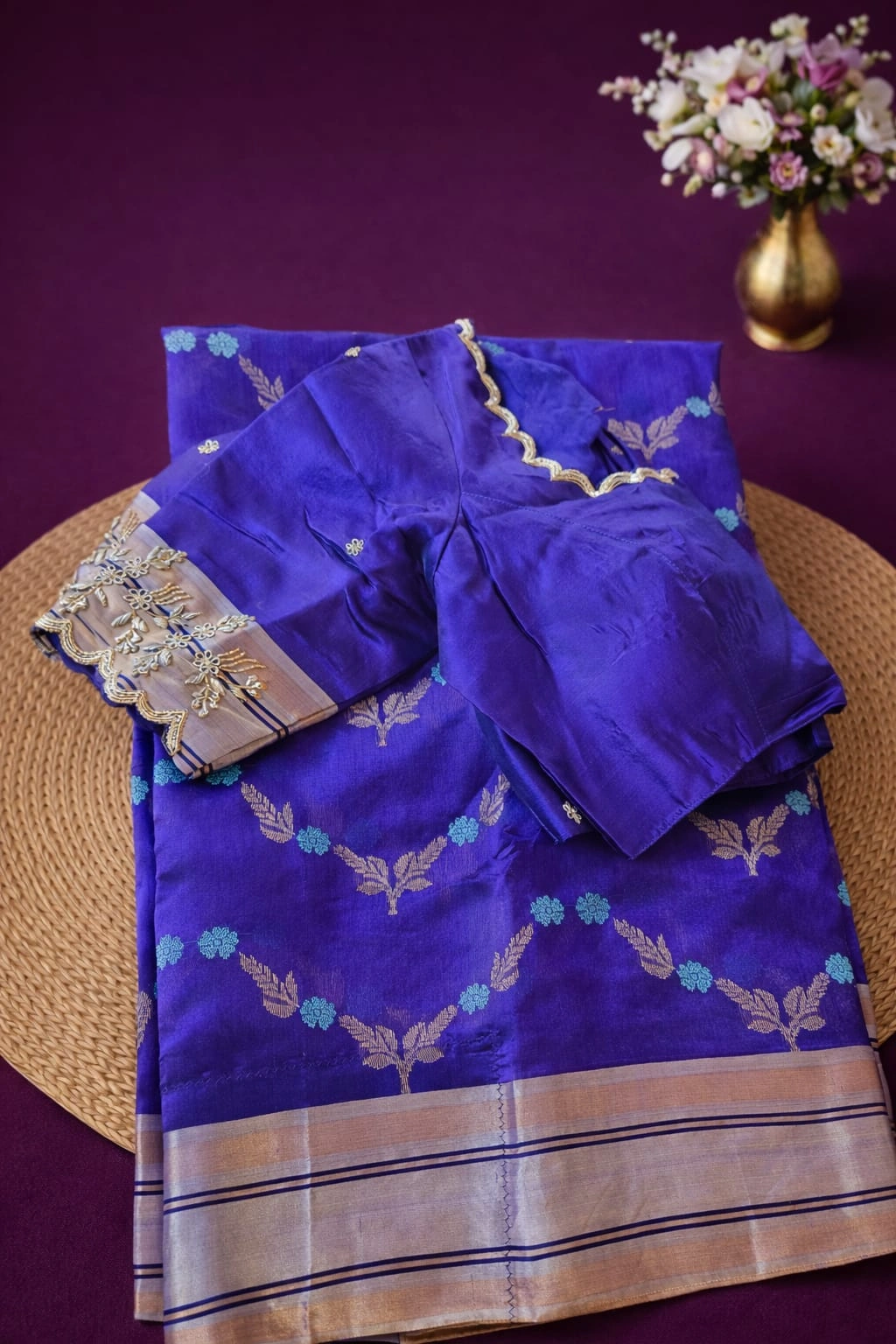
For reference, the Pure Chanderi Pattu Silk Saree and Luxurious Handwoven Pure Banarasi Tissue Saree both feature real zari and handloom construction, demanding extra care.
Step 1: Identifying Authentic Silk and Zari in Your Saree
The longevity of your saree—especially one sourced from Chanderi, Varanasi, or similar weaving hubs—depends on knowing its materials. Authentic Chanderi silk uses fine mulberry silk in its warp and either cotton or silk in the weft, resulting in a light, translucent drape. Banarasi tissue sarees, woven in Varanasi, blend silk or organza with metallic zari threads, often in gold or silver hues.
Authenticity Test: Rub a small section of the saree’s pallu between your fingers. Real zari feels cool and slightly coarse due to its metal content; artificial zari feels plasticky or sticky. Genuine handloom borders will show small, irregular pinholes where the weft changes direction—unlike machine-made imitations.
Both the Pure Banarasi Tissue Saree with Gold Zari and the Chanderi Pattu Silk Saree from Swathi Design are handwoven, which you can spot by the soft, uneven selvedge and the slightly asymmetrical zari motifs.

Step 2: Understanding Dry Cleaning Silk Sarees in the US
"Dry cleaning silk saree" is a search many Indian-Americans make after their first big festival or wedding in the US. In India, specialists know to treat zari and silk gently; in the US, not all cleaners do. Dry cleaning uses solvents—commonly perchloroethylene or hydrocarbon—to remove stains without immersing fabric in water. However, these solvents can dull zari, leach out dye from natural silk, or cause silk to lose its signature sheen if handled improperly. Unlike polyester saris, handloom pieces cannot tolerate aggressive mechanical agitation or high-heat drying.
For US-based customers, expect to pay between $20 and $60 per saree for professional dry cleaning, with additional charges for stain treatment or petticoat cleaning. Always ask for a price quote before handing over your garment—some Swathi Design sarees retail at $175 and above, and replacing a damaged one is rarely possible. Learn more about price transparency in our post on why some sarees show no price.
Step 3: Selecting the Right Saree Dry Cleaner
- Choose a cleaner with experience handling wedding gowns, vintage silks, or Asian garments. Ask directly, "Have you cleaned Indian silk sarees with zari before?"
- Request to see their solvent type and process—hydrocarbon solvents are gentler than perchloroethylene for metallic zari.
- Bring the saree in a breathable cotton bag (never plastic).
- Ask for a spot-clean test on a hidden corner if you’re unsure about colorfastness.
Red Flags: Cleaners who insist on washing (not dry cleaning), refuse a test, or guarantee stain removal on metallic areas may not understand the delicacy of your saree. Never allow machine pressing or high-heat finishing, which can melt zari or flatten handwoven texture.
| Dry Cleaner Type | Experience Needed | Safe for Zari? | Typical Cost (USD) |
|---|---|---|---|
| Generic US Cleaner | Low | No | 20-30 |
| Specialty Gown Cleaner | High | Yes | 35-60 |
| Indian/Asian Cleaner | Varied | Sometimes | 30-50 |
Step 4: How to Brief a Cleaner Unfamiliar with Sarees
If your local dry cleaner has never handled an Indian saree, provide clear, written instructions. Here’s what to include:
- "This saree is pure silk with real metallic zari work."
- "Avoid high-heat pressing; use a low-temperature iron with a cotton cloth between the iron and the saree."
- "Spot clean stains on the pallu or border only if colorfastness allows—test first."
- "Never use bleach, enzyme cleaners, or water-based treatments."
- "Do not machine-press or tumble dry."
For Swathi Design sarees, every piece comes with care recommendations. Bring these along to show your cleaner. If they seem unfamiliar or dismissive, consider seeking another provider. For more on US sizing and underpinnings, see our saree petticoat & shapewear guide.
Step 5: What to Clean—and What to Avoid
Not every saree should go to a dry cleaner. Here’s a quick list:
- Dry clean: Handwoven pure silk sarees, Banarasi tissue, Chanderi silk with zari, heirloom pieces
- Never dry clean: Sarees with glued embellishments (mirrors, stones), heavily embroidered sections using silk thread, antique or fragile sarees over 30 years old, those with water-soluble dyes
- Spot clean at home: Simple stains on cotton or synthetic sarees with no zari
For the Pure Chanderi Pattu Silk Saree and Banarasi Tissue Saree, dry cleaning is safest. Never attempt home washing unless you are certain of the dyes and zari type.
FAQ: Dry Cleaning Silk Saree in the US
What does saree dry cleaning cost in the US?
Saree dry cleaning in the US typically costs between $20 and $60, depending on the complexity, fabric, and whether there is zari work. Specialty cleaners experienced with delicate fabrics or wedding attire may charge more, reflecting the time and care needed for handwoven or heirloom sarees.
Will a normal dry cleaner damage zari?
Yes, a normal dry cleaner without experience in handling silk sarees with zari may damage the metallic threads through harsh solvents, excessive heat, or mechanical agitation. Always choose a cleaner familiar with Indian garments and specify the presence of zari to ensure safe cleaning.
How do I brief a cleaner unfamiliar with sarees?
Provide a written note detailing the saree’s fabric (pure silk, tissue, Chanderi), highlight any zari work, and request gentle, low-heat handling. Ask for spot-testing on hidden areas and specify no bleach or water-based cleaning. Show them any included care labels or instructions from Swathi Design.
Which sarees should never be dry cleaned?
Sarees with glued decorations, antique pieces with fragile threads, or those dyed with water-soluble colors should not be dry cleaned. These pieces are best kept away from solvents and cleaned only with gentle, specialist care.
How to Store and Care for Silk Sarees After Cleaning
- Always store silk sarees in a cool, dry place, away from sunlight.
- Wrap each saree in a muslin or pure cotton cloth—avoid plastic, which traps moisture and can yellow zari.
- Refold the saree every few months to prevent permanent creasing along the same fold lines.
- For handwoven sarees, avoid hanging for prolonged periods, which can stretch the fabric and distort motifs.
Non-Obvious Tip: Place a small packet of silica gel (wrapped in muslin) in your saree storage box to absorb excess humidity—but never let it touch the fabric directly.
Why Choose Handwoven Sarees With Zari?
Handwoven sarees with zari, like those from Chanderi and Varanasi, offer a unique blend of artistry, regional identity, and tactile luxury. Each saree is crafted over weeks—sometimes months—on a pit loom, with master artisans tracing patterns passed down through generations. The golden and silver threads (zari) are often made from real silver or gold-plated copper, adding not only shimmer but also heirloom value.
In my experience as a textile specialist, the difference between a true handloom saree and a power-loom imitation is profound: the former breathes, shifts with your movement, and tells a story in every motif. Swathi Design sources directly from artisan communities in India, ensuring authenticity and fair compensation for weavers. For more on what sets authentic sarees apart, see our Chanderi Pattu Silk Saree buyer’s guide (if available).
How to Style a Banarasi or Chanderi Silk Saree for a US Occasion?
To style a Banarasi or Chanderi silk saree for a formal US event, select a classic silk or tissue blouse—preferably in a contrasting or jewel tone. Pair with minimal but bold jewelry, such as gold jhumkas or a Kundan necklace. For a modern touch, try an embroidered crop top or a tailored belt to cinch the waist. Avoid over-accessorizing, as the handwoven saree’s motifs and zari work command attention. Finish your look with neutral heels or embellished sandals. These sarees are ideal for weddings, Diwali parties, or upscale receptions.
Shop the Collection
Ready to enjoy the artistry of Chanderi and Banarasi weaves—without risking damage at the cleaners? Explore Swathi Design’s handpicked selection of sarees, including the Pure Chanderi Pattu Silk Saree, Luxurious Handwoven Pure Banarasi Tissue Saree, and Banarasi Tissue Saree with Gold Zari. For the full range, browse all sarees here or shop the collection.
If you’re unsure about care, pricing, or styling, Swathi Design offers concierge price confirmation and WhatsApp styling help—plus a 48-hour video return policy for any damaged items. Cherish your saree, and let its story continue for generations.
Featured in this guide
Part of the Handwoven Silks: Chanderi, Tussar & Raw Mango guide collection.
Related guides
- Elevate Every Occasion: Handcrafted Indian Gowns & Frocks for Modern Celebrations in the USA
- Elevate Every Occasion: Pure Chanderi Pattu Silk Sarees for Indian-Americans in the USA
- Exquisite Russian Crape Silk Saree: Timeless Elegance for Every Occasion
- Luxurious Pure Russian Crape Saree: Timeless Elegance for Every Occasion
- Elevate Your Festive Wardrobe with Exquisite Handwoven Chanderi Sarees and Anarkali Dresses