Where to Buy Sarees in DC, Virginia & Maryland
Wondering where to buy sarees in DC, Virginia, and Maryland for weddings, embassy receptions, or formal galas? This guide explains how to identify authentic Indian sarees, what to wear to professional events, and how to arrange alterations in the DMV. Discover expert-approved picks and care tips for every occasion.
Where to Buy Sarees in DC, Virginia & Maryland
If you’re searching for where to buy sarees in DC, Virginia, and Maryland—whether for a wedding, an embassy reception, or a formal gala—start by understanding which sarees suit these occasions, what truly distinguishes authentic Indian weaves, and how to shop with confidence in the DMV. As Priya Menon, a textile and handloom specialist, I will guide you through the artistry behind Chanderi and Banarasi sarees, factors to consider when shopping, and practical care tips for sarees and salwar sets in the US.
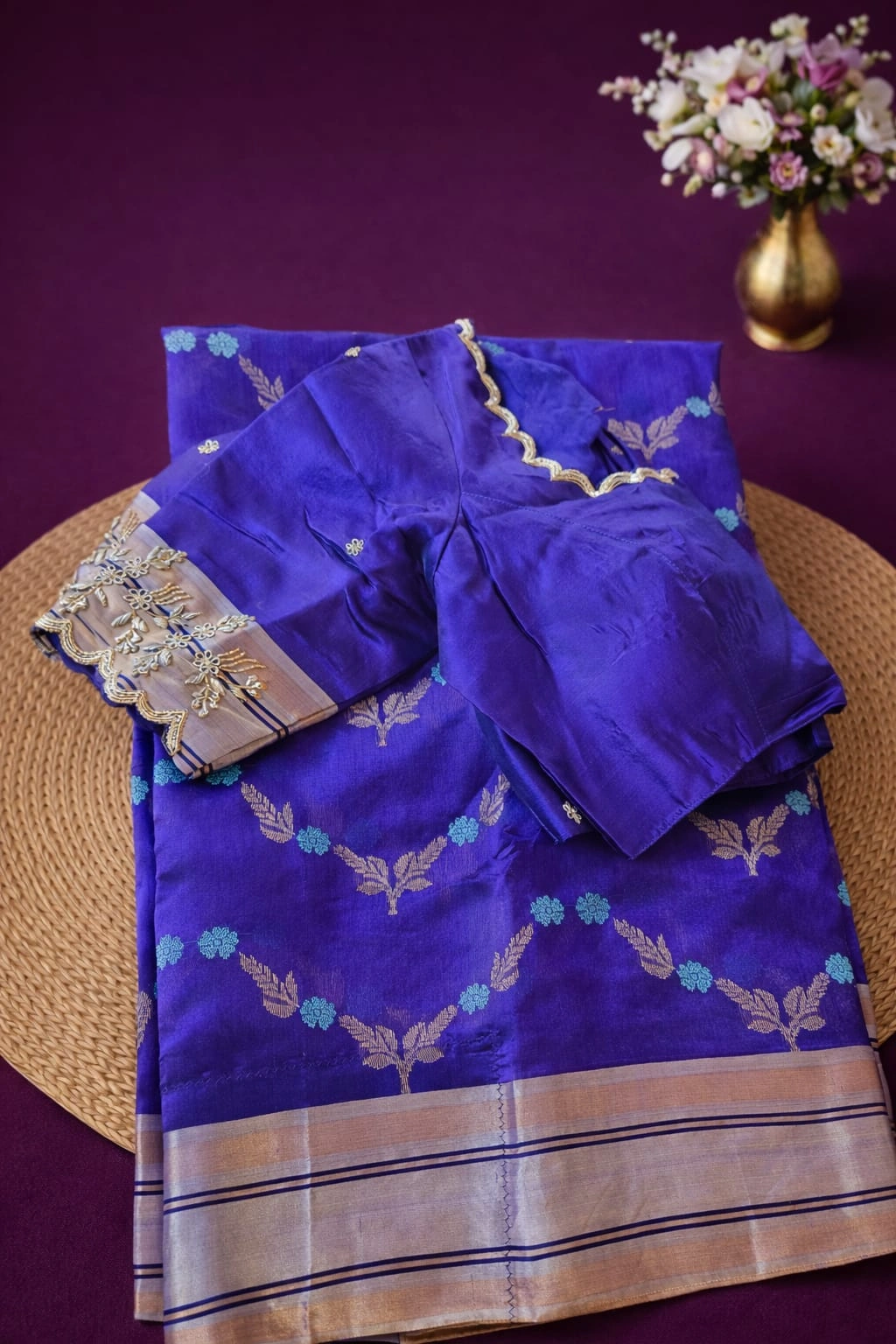
Why DC Buyers Choose Authentic Indian Weaves
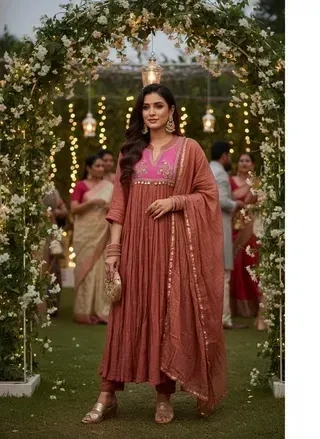
The Washington DC region, with its vibrant Indian diaspora and international focus, hosts countless formal events—embassy receptions, cultural galas, and high-profile weddings. The saree, a draped garment with roots stretching back over 2,000 years, remains a symbol of dignity and cultural pride. For Indian-American women in the DMV, choosing the right saree is about more than style: it’s about honoring heritage, representing personal and professional identity, and supporting artisan communities.
What is Chanderi Pattu Silk?
Chanderi Pattu Silk is a handwoven textile from Chanderi, Madhya Pradesh, prized for its airy texture and subtle luster. The warp and weft are often a blend of silk and fine cotton, with pattu (a South Indian word for silk) referencing the high-sheen silk threads used in the weave. Golden zari, a metallic thread typically made of silver or gold-plated copper, is woven into borders and motifs, creating a gentle shimmer. Chanderi sarees are lightweight, making them ideal for long events such as embassy galas or wedding ceremonies.
Origin and History of Featured Weaves
- Chanderi Silk: Woven in Chanderi, Madhya Pradesh, a weaving hub since the 11th century. The town is known for its delicate, transparent silk-cotton blends and gossamer-like finish.
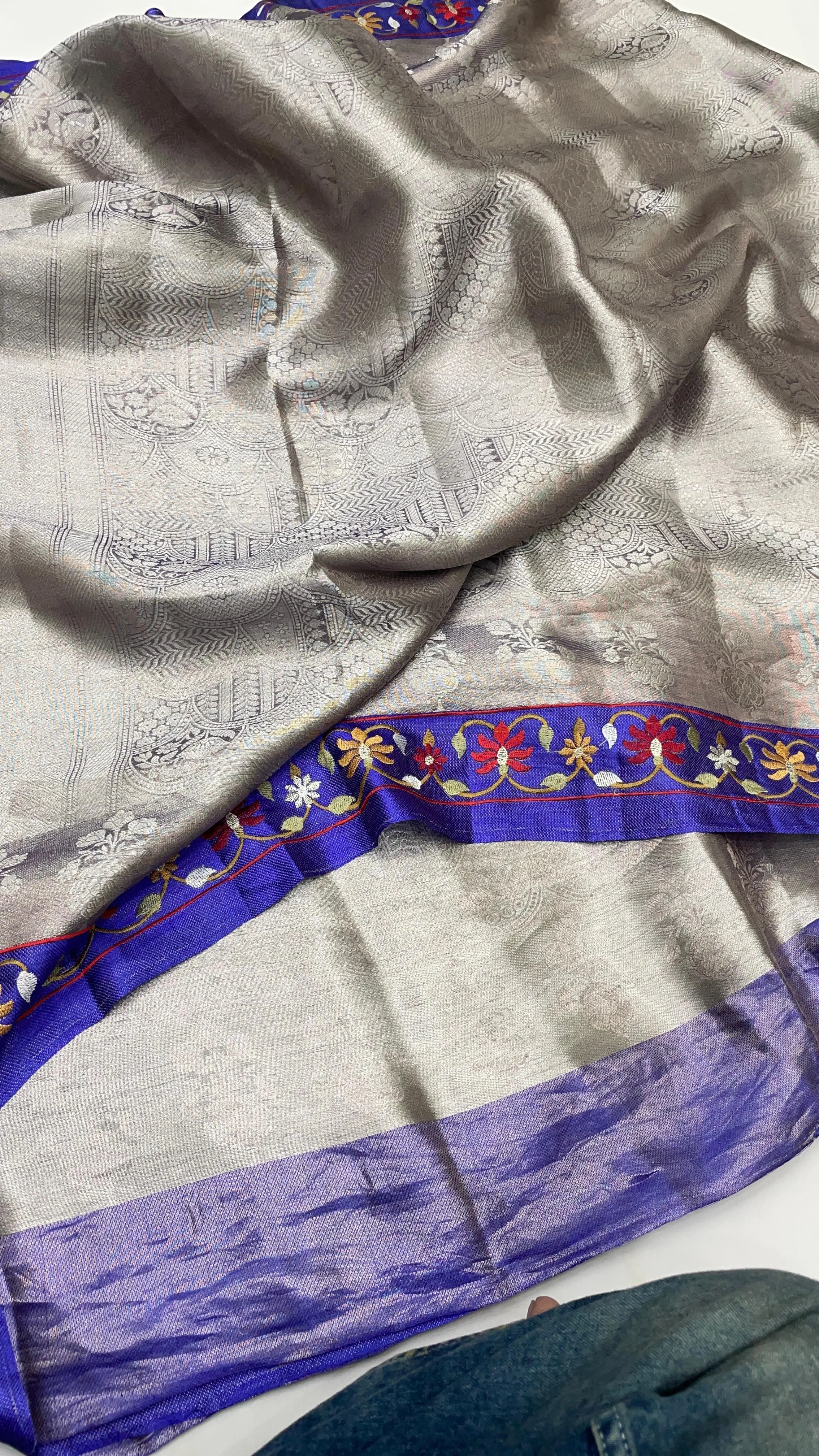
- Banarasi Brocade: Originates from Varanasi (Banaras), Uttar Pradesh. Banarasi sarees are famed for their intricate brocades and have been woven by guilds of master artisans for centuries. Banarasi tissue sarees use fine metallic yarns for a luminous effect.
- Mul Chanderi: 'Mul' means soft or root, signifying a lighter, airier variant of Chanderi—favored for its comfort and suitable for both festive and professional settings.
How Are Authentic Sarees Made?
True handloom sarees are woven on pit looms or frame looms, often in artisan homes across India. The process involves:
- Warp Preparation: Longitudinal threads (warp) are stretched onto the loom.
- Weft Insertion: The weaver passes the weft thread over and under the warp, building the fabric row by row.
- Zari Work: Gold or silver zari threads are added for borders and motifs. In Chanderi and Banarasi, these often depict nature-inspired designs—peacocks, leaves, or geometric patterns.
Handloom sarees differ from power-loom imitations in their irregularities: you may see small slubs or variations in texture, which are not flaws but marks of authenticity.
How to Spot an Authentic Chanderi or Banarasi Saree
- Sheerness: Chanderi silk has a unique transparency, achieved by using un-degummed silk in the warp. Hold the saree up to the light—genuine Chanderi will have a soft glow and slight see-through effect.
- Motifs: Traditional Chanderi motifs include coins, peacocks, and floral patterns. Banarasi brocades often feature Mughal-inspired designs and elaborate borders.
- Selvedge: On a handloom Banarasi, the selvedge (outer edge) will be neatly finished, with no loose threads.
- Zari Test: Gently scratch the zari with your fingernail. Real zari is soft and pliant; imitation zari feels hard or brittle.
- Label/Tag: Some sarees carry a GI (Geographical Indication) tag or a handloom mark, especially for export. Swathi Design provides sourcing details and offers WhatsApp styling help to confirm authenticity.
Criteria for Choosing an Event Saree in DC
- Formality: For embassy receptions and professional galas, avoid excessive bling; subtle zari, rich but restrained colors, and elegant motifs are best.
- Comfort: DMV events often last several hours; lightweight sarees like Chanderi and tissue Banarasi ensure comfort.
- Weather: Chanderi silk and mul blends are breathable, suitable for DC’s humid summers and heated indoor venues.
- Occasion: Weddings call for more elaborate weaves like Banarasi brocade; cultural events and daytime gatherings suit lighter saris or kurta sets.
- Alteration Needs: Pre-event tailoring is wise; many opt for ready-to-wear blouses or local seamstresses in Northern Virginia or Maryland (see FAQ below).
Budget Tiers and Product Recommendations
| Budget | Recommended Product | Occasion | Price |
|---|---|---|---|
| Under price confirmed on inquiry | Pure Mul Chanderi Silk 3-Piece Outfit | Puja, Diwali, Family Gatherings | price confirmed on inquiry |
| $100 - $300 | Pure Banarasi Tissue Brocade Saree | Embassy Reception, Gala, Wedding | $185.00 |
| price confirmed on inquiry+ | Pure Chanderi Pattu Silk Saree | Formal Wedding, Diplomatic Event | price confirmed on inquiry |
Product Spotlight: Sarees & Outfits for DC Events
1. Pure Chanderi Pattu Silk Saree – Handwoven Golden Zari (price confirmed on inquiry)
This saree is meticulously handwoven by Chanderi artisans, known for their translucent silk and refined golden zari. The feather-light drape and subtle sheen make it ideal for formal events, including embassy receptions and upmarket weddings. Each motif is woven, not printed—run your hand across the surface; you’ll feel the raised threadwork, a mark of handloom authenticity.
- Pair with: Temple jewelry and neutral heels for classic elegance
- Care tip: Always dry clean and fold along the original creases; store away from direct sunlight to preserve the zari’s luster
2. Pure Mul Chanderi Silk 3-Piece Outfit (price confirmed on inquiry)
Soft gold mul Chanderi brings understated luxury to this kurta, bottom, and dupatta set—breathable for long ceremonies yet formal enough for a cultural program or home puja. The adjustable-waist bottom ensures a tailored fit for comfort during extended events.
- Pair with: Gold-plated jhumkas and embroidered juttis for a festive touch
- Care tip: Hand-wash in cold water, air dry flat; never wring to avoid misshaping the fabric
3. Pure Banarasi Tissue Brocade Saree ($185.00)
Handwoven in Varanasi, this saree uses tissue (ultra-fine metallic thread) for a luminous effect, with intricate brocade motifs. It offers a regal but modern alternative for DC galas or wedding receptions, without the weight of a traditional silk Banarasi. The saree’s drape holds its shape beautifully, ensuring poise throughout the event.
- Pair with: Kundan or pearl jewelry for contemporary glamour
- Authenticity test: Check for the signature Varanasi border and a slightly stiffer feel compared to pure silk
Where to Buy Sarees in DC: Buying Guide
Buying sarees in the DMV can mean visiting local boutiques, attending pop-up exhibitions, or shopping online at curated platforms like Swathi Design, which brings artisan-crafted pieces directly from India. Here’s what to consider:
- Selection: Online platforms offer a wider range than most local stores, including handpicked artisan sarees from Chanderi and Banaras.
- Authenticity: Seek platforms that provide details on the origin, weaving technique, and offer WhatsApp or concierge support for queries.
- Alterations: For those in Northern Virginia or Maryland, many Indian tailoring shops can adjust blouses or petticoats. Plan at least 1-2 weeks before your event.
- Shipping & Returns: Swathi Design offers flat-rate US shipping, a 48-hour damaged-item video policy, and transparent price confirmation—important when planning for high-stakes events.
For more on care and cleaning, see our article on dry cleaning silk sarees in the US.
How to Style Indian Sarees for DC Formal Events
- Blouse Matters: For diplomatic receptions, opt for elbow-length sleeves and higher necklines. Tailored blouses with subtle embellishments look polished.
- Jewelry: Avoid overly ornate sets; a single statement piece—jhumkas, a choker, or a cuff—adds grace without overwhelming.
- Draping: The classic Nivi drape is universally appropriate. For more structure, use saree shapewear or a well-fitted cotton petticoat.
- Accessories: Neutral or metallic clutches and block heels pair well for Washington’s formal venues.
Explore more styling advice in our Sarees and Dresses collections.
FAQ: Buying Sarees in DC, Maryland & Virginia
Where do people buy Indian clothes in the DMV?
People buy Indian clothes in the DMV (DC, Maryland, Virginia) from a mix of local boutiques in areas like Fairfax, Herndon, and Gaithersburg, cultural fairs, and online stores such as Swathi Design. Many prefer online shopping for unique handloom sarees and contemporary ethnic wear, as these platforms offer direct access to artisan-made pieces and US-based customer service.
What is appropriate for an embassy reception?
For an embassy reception in DC, appropriate attire is a silk or tissue saree with subtle zari work, elegant motifs, and a tailored blouse. Avoid sequins or heavy embroidery. Chanderi and Banarasi tissue sarees are both refined choices that balance cultural heritage with professional elegance. Pair with classic jewelry and comfortable shoes.
Is a saree suitable for a formal DC gala?
A saree is suitable for a formal DC gala if it is made from high-quality fabric such as Chanderi silk or Banarasi tissue and styled with understated, refined accessories. The saree should be draped neatly and the blouse should be well-fitted. Many professionals in DC choose sarees for their cultural significance and elegance at formal events.
Where can I get alterations in Northern Virginia?
In Northern Virginia, alterations for saree blouses and ethnic outfits can be arranged at Indian tailoring shops commonly found in Fairfax, Herndon, and Chantilly. Many stores catering to the South Asian community also offer alteration services. It’s advisable to book appointments ahead of major festivals or wedding seasons for timely delivery.
How to Care for Silk Sarees in the US
- Dry Cleaning: For Chanderi, Banarasi, and other silk sarees, dry cleaning is safest. Avoid machine washing or tumble drying.
- Folding: Always fold along the original creases to prevent permanent lines in the zari or silk.
- Storage: Store sarees in pure cotton or muslin bags, away from sunlight and humidity. Avoid plastic covers, which can trap moisture and damage zari.
- Authenticity Test: For Chanderi, check for the ‘air test’: genuine Chanderi feels cool and airy against your cheek, unlike synthetic imitations.
- Non-Obvious Tip: Insert a stick of unperfumed camphor in your storage bag; it repels moths without scenting the silk.
For cost comparisons and care best practices, visit our guide to dry cleaning sarees in the US.
Shop the Collection
Ready to shop? Browse our full collection of sarees, dresses, and festive outfits sourced from India’s master weavers. Swathi Design offers flat-rate US shipping, personalized WhatsApp styling help, and a commitment to authentic craftsmanship for every occasion in the DMV—from weddings to diplomatic galas.
For those still comparing regions or planning travel, see our guides for Boston & New England, Seattle & the PNW, and Chicago as well.
Featured in this guide
Part of the Indian Wedding & Festive Dressing guide collection.
Related guides
- Chanderi Silk Suits in USA: Embrace Ethnic Grace for Weddings & Festive Occasions
- Elevate Your Festive Wardrobe: Stunning Indian Dresses for US Weddings & Celebrations
- Celebrate Indian Heritage in the USA: Pure Silk Gowns for Weddings & Festive Glamour
- Elevate Your Wedding Look with Exquisite Pure Banarasi Kora Tissue Sarees
- Timeless Elegance: Discover the Pure Banarasi Kora Tissue Saree Collection for Weddings & Festivals