How to Wash Silk Saree at Home: Step-by-Step Care for Kanchipuram Silks
Learn how to wash silk saree at home without losing the signature sheen of your Kanchipuram silks. This expert guide covers colorfastness tests, cold water technique, pH-neutral detergents, drying, and pressing—plus when dry cleaning is essential. Preserve your saree’s beauty and heritage for generations.
Why Learn How to Wash Silk Saree at Home?
Washing your silk saree at home can seem daunting, especially with precious handwoven Kanchipuram pieces renowned for their vibrant hues and intricate zari. If done correctly, hand-washing helps retain the saree’s signature lustre and fabric health, and is sometimes gentler than repeated dry cleaning. This guide is tailored for Indian-American women who cherish their handwoven Kanchipuram silk sarees with zari work for festive occasions and want to keep them looking impeccable for years to come.
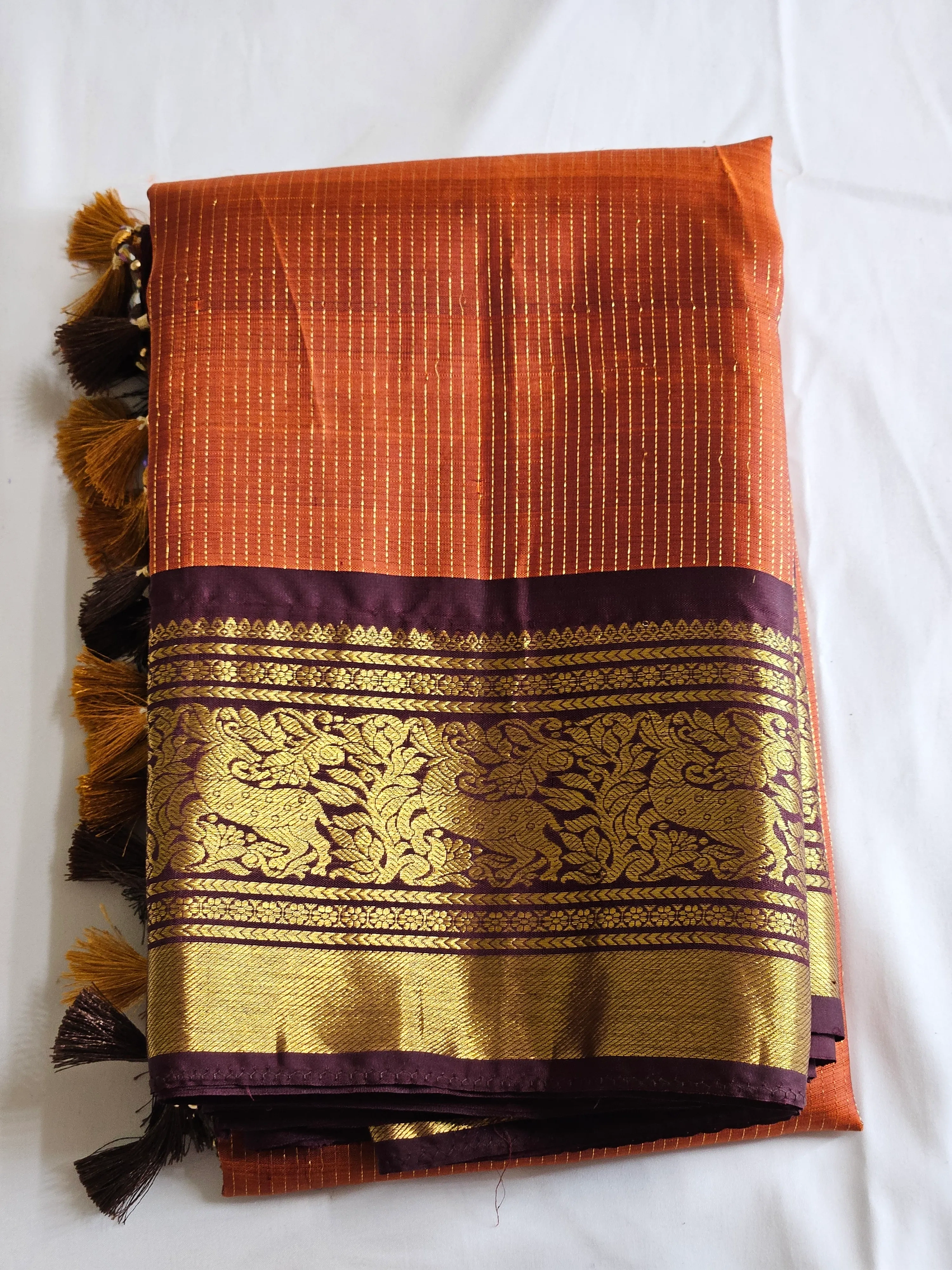
What You'll Need: Silk Saree Hand Wash Essentials
- Large clean basin or tub (preferably plastic or enamel, not metal)
- Cold distilled water (hard water can dull silk’s sheen)
- pH-neutral silk detergent (or a mild baby shampoo; avoid regular laundry soaps or alkaline detergents)
- White clean towels
- Muslin cloth (for rolling and drying)
- Soft padded hangers
- Iron with silk/low setting
Tip: Always test for colorfastness before submerging your saree—especially if it’s a vibrant heritage piece like the Luxurious Pure Kanchipuram Silk Saree with Intricate Zari.
When Should You Dry Clean Instead?
If your pure silk saree features heavy zari embroidery, persistent stains, or delicate embellishments, professional dry cleaning is safest. Dry cleaning is also recommended after every third or fourth wear, or if your saree is heirloom-quality—such as the Luxurious Handwoven Pure Kanchipuram Silk Saree with Zari Detailing. For everyday maintenance and occasional cleaning, gentle home washing can suffice—provided you follow each step precisely.
Step 1: Test Your Silk Saree for Colorfastness
- Dab a small, inconspicuous area of the saree (such as the blouse piece or pallu corner) with a white cotton swab moistened with cold water.
- If any color transfers to the swab, do not proceed with home washing; opt for dry cleaning to prevent color bleed.
- If no color comes off, continue to the next step.
Expert Tip: Kanchipuram silks are dyed with traditional methods; some jewel tones (reds, magentas, deep blues) are more prone to bleeding. Always err on the side of caution for newer or highly saturated sarees.
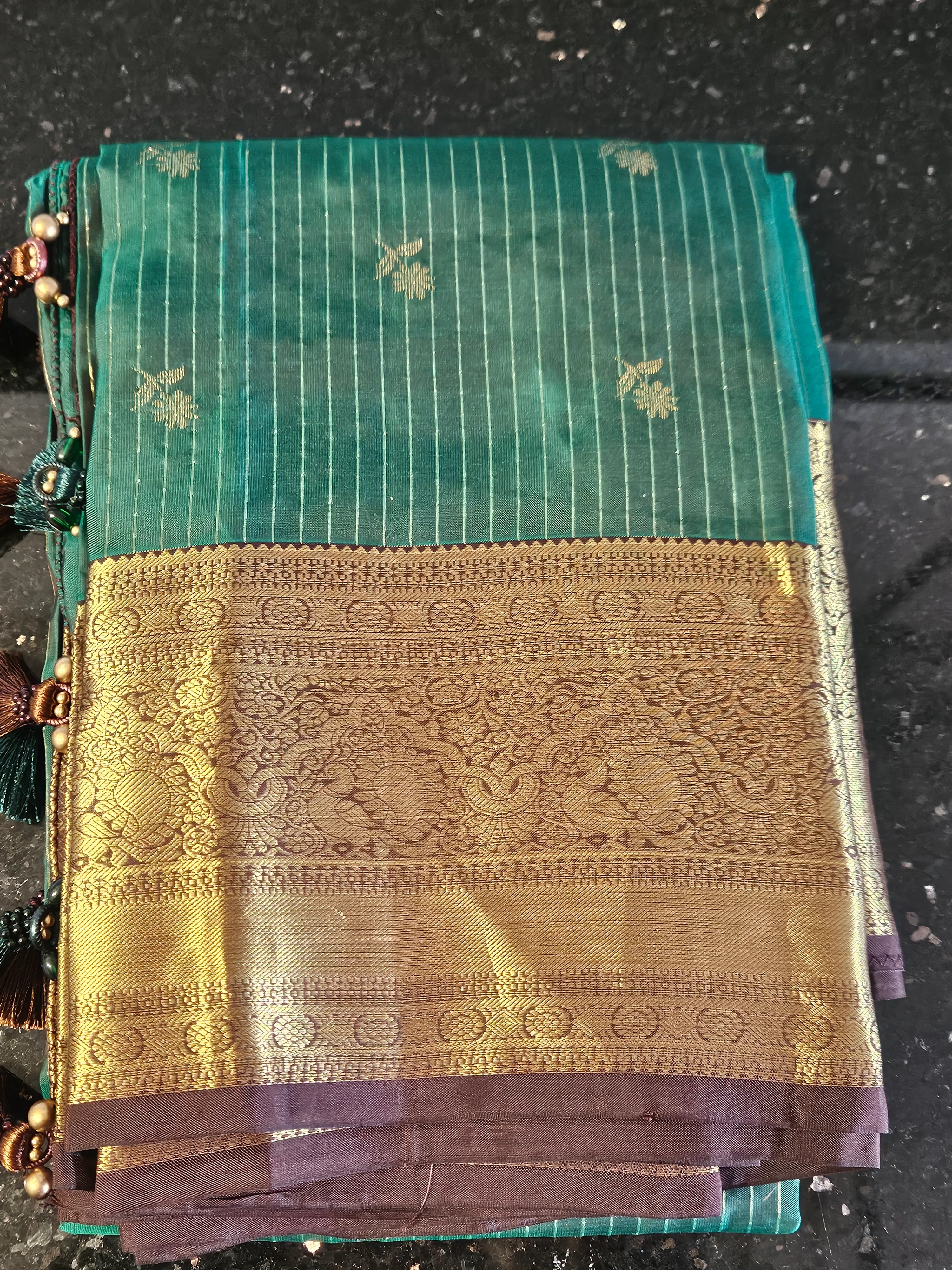
Step 2: Prepare the Saree for Washing
- Remove all pins and jewelry to avoid snags.
- Shake out dust and debris gently.
- Fold the saree neatly, keeping zari borders and pallu separate if possible to prevent tangling.
Step 3: Cold Water Soak
- Fill your basin with cold, distilled water—never hot, as heat can shrink silk and fade color.
- Add a teaspoon of pH-neutral silk detergent or a few drops of mild baby shampoo.
- Gently swish the water to dissolve the detergent; avoid vigorous agitation.
Submerge the saree and allow it to soak for 3-5 minutes. Do not rub, wring, or twist—the delicate silk fibers and zari can be damaged by friction.
Step 4: Gentle Hand Washing
- Gently move the saree through the water with open palms. Avoid scrubbing or folding sharply.
- Pay special attention to the ends and borders, where sweat or makeup may accumulate, but do not rub the zari directly.
- Rinse thoroughly in at least two changes of cold water until all detergent is removed.
Never use bleach, harsh chemicals, or fabric softeners—they irreversibly damage silk’s natural proteins and the metallic threads of zari work.
Step 5: Drip Dry in Shade for Lasting Sheen
- Gently lift the saree, supporting its full weight to avoid stretching.
- Lay the saree flat on a clean, dry white towel and roll up gently to blot excess water—never wring or twist.
- Unroll and place the saree on a fresh muslin cloth or towel in a shaded, well-ventilated area (never direct sunlight, which can fade colors and yellow zari).
- Use a padded hanger or spread flat; avoid metal hangers which can rust and stain silk.
This drip-dry in shade method preserves the silk saree’s lustre and keeps the zari from tarnishing. If you must hang, support the saree’s length with multiple hangers.

Step 6: Low-Heat Press for a Perfect Finish
- Once completely dry, place the saree between two muslin cloths or inside out on the ironing board.
- Set your iron to the silk (low) setting.
- Lightly press—avoid steaming directly on the zari, which can cause it to crinkle or lose shine.
For extra care, press the pallu and borders separately, using a clean cloth as a barrier.
How to Wash Silk Saree at Home: FAQs
Can you wash a pure silk saree at home or must it be dry-cleaned?
Pure silk sarees, especially those with minimal zari, can be gently hand-washed at home using cold water and a pH-neutral detergent after testing for colorfastness. However, sarees with extensive zari, embroidery, or heirloom status should be dry-cleaned to avoid color bleeding, metallic thread tarnish, or irreversible fabric damage.
What soap is safe for washing silk sarees?
Use a pH-neutral silk detergent or a mild baby shampoo—these maintain silk’s natural sheen and softness. Avoid regular laundry detergents and alkaline soaps, which strip silk of its proteins and dull zari threads. Specialized silk detergents are available online and in Indian grocery stores.
How do you dry a silk saree without losing its shine?
Silk sarees should be laid flat on a dry towel and rolled to gently blot excess water, then air-dried in a shaded, well-ventilated spot. Avoid direct sunlight and hang only with padded hangers. This drip-drying in shade helps preserve the silk’s lustre and prevents zari from yellowing or tarnishing.
Does washing silk at home damage the zari?
Hand-washing silk sarees can damage zari if not done carefully. Always avoid scrubbing, wringing, or using hot water. Zari, typically made from gold or silver-plated threads, is prone to tarnish from harsh soaps and water. For sarees with heavy zari, dry cleaning is the safest option.
Quick Reference: Kanchipuram Silk Saree Care Table
| Step | Do | Don't |
|---|---|---|
| Test Colorfastness | Use wet cotton swab | Skip test |
| Washing | Cold water, mild detergent | Hot water, harsh soap |
| Drying | Shade, flat towel | Wring, direct sun |
| Ironing | Low heat, inside out | High heat, steam on zari |
Cultural Note: Kanchipuram Silk’s Heritage
Kanchipuram sarees have been handwoven for over 400 years in Tamil Nadu’s temple town of Kanchipuram, recognized for their durability and luminous finish. Artisans use pure mulberry silk and real zari—traditionally gold- or silver-plated copper threads—woven on pit looms. The intricate temple borders and mythological motifs are a tribute to South India’s cultural legacy, as acknowledged by the Tamil Nadu Handloom Weavers’ Cooperative Society (Co-optex).
Expert Tips: Ensuring Your Silk Saree Lasts Generations
- Store in a breathable muslin or silk pouch, never plastic, away from direct sunlight.
- Refold sarees every few months to prevent permanent creasing along zari borders.
- Avoid spraying perfume or deodorant directly on silk—the alcohol can cause discoloration.
- For detailed storage advice, see our post on how to store silk sarees so they last for generations.
How to Style a Kanchipuram Silk Saree for a Wedding?
To style a Kanchipuram silk saree for a wedding, choose a blouse in a complementary color—classic gold or jewel tones work well. Pair with traditional South Indian temple jewelry, such as long gold harams or jhumkas. For a modern touch, opt for a minimalist clutch and subtle makeup. Kanchipuram sarees like the Handwoven Kanchipuram Silk Saree with Gold Zari offer a regal drape suited for mandap ceremonies or receptions. For more draping inspiration, visit our guide on saree draping styles for every woman.
Product Spotlight: Kanchipuram Silk Sarees from Swathi Design
Each Kanchipuram silk saree at Swathi Design is sourced directly from artisan weavers in India, ensuring authenticity and supporting centuries-old craftsmanship. Choose from:
- Exquisite Handwoven Pure Kanchipuram Silk Saree with Intricate Zari Work ($365.00)—timeless motifs, regal drape, heirloom quality.
- Handwoven Kanchipuram Silk Saree with Golden Zari ($255.00)—vibrant hues, ultra-soft feel, perfect for festive gatherings.
- Luxurious Handwoven Pure Kanchipuram Silk Saree with Zari Detailing ($275.00)—buttery texture, gold-silver borders, inspired by Indian art.
Browse more options by visiting the Sarees category.
Shop the Collection
Your Kanchipuram silk saree is more than a garment—it’s a living piece of heritage and artistry. If you’re ready to add an heirloom to your wardrobe or need guidance on caring for your investment, browse our full collection and connect with Swathi Design’s team for personalized advice.
Featured in this guide
- Handwoven Kanchipuram Silk Saree with Zari Work
- Luxurious Pure Kanchipuram Silk Saree with Intricate Zari for Weddings
- Handwoven Kanchipuram Silk Saree with Gold Zari for Weddings
- Handwoven Kanchipuram Silk Saree with Golden Zari - Wedding Wear
- Luxurious Handwoven Pure Kanchipuram Silk Saree with Zari Detailing
Part of the Kanjivaram & Banarasi Silk Sarees guide collection.
Related guides
- Timeless Elegance: Handwoven Chanderi & Banarasi Silk Sarees for Every Special Occasion
- Celebrate Timeless Elegance with Luxurious Raw Mango Silk and Banarasi Sarees
- Timeless Elegance Redefined: The Latest Handwoven Banarasi & Kanchipuram Sarees for Every Celebration
- Discover the Timeless Beauty of Banarasi and Mangalagiri Silk Sarees
- Timeless Elegance: Explore the Artistry of Pure Zari and Banarasi Tissue Sarees