7 Saree Draping Styles Every Woman Should Try (With Easy How-Tos & Occasions)
Mastering different saree draping styles can transform your look for any occasion. From the classic Nivi to the dramatic Bengali and modern lehenga drapes, discover step-by-step tips, difficulty levels, and the best events to showcase each style. Find inspiration and expert tips for saree lovers in the US.
Saree Draping Styles: Transform Your Look for Any Occasion
If you want to refresh your ethnic wardrobe, mastering a few essential saree draping styles is the quickest way to multiply your options—without buying a new saree for every event. From the elegant Nivi to the dramatic Bengali and modern mermaid, each drape creates a distinct silhouette. Below, discover seven must-know saree draping techniques, each with clear tips, difficulty level, and ideal occasions. Plus, find a handy comparison table and smart styling ideas for Indian-Americans who appreciate tradition and craftsmanship.
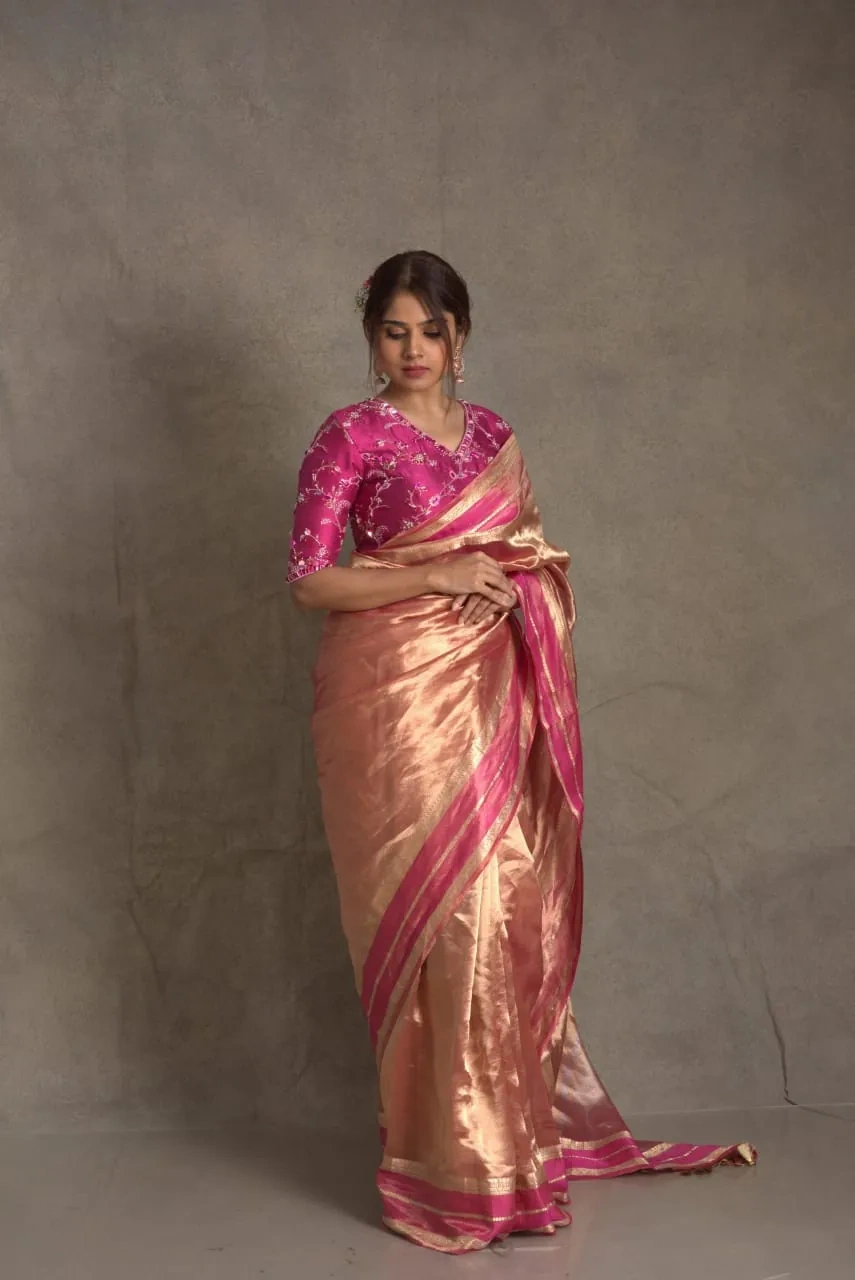
Quick Comparison of Saree Draping Styles
| Style | Difficulty | Best Occasion |
|---|---|---|
| Nivi | Easy | All events |
| Bengali | Moderate | Festivals, Pujas |
| Gujarati/Seedha Pallu | Easy | Weddings, Navratri |
| Maharashtrian | Challenging | Traditional ceremonies |
| Lehenga-style | Intermediate | Receptions, Parties |
| Mermaid | Intermediate | Evening events |
| Butterfly | Moderate | Fashion events |
1. Nivi Drape
The Nivi draping style is the most recognized and beginner-friendly way to wear a saree, originating from Andhra Pradesh. Start by tucking the saree into your petticoat at the waist and wrap it around once. Make 5–7 neat pleats, tuck them in front, then drape the pallu over your left shoulder. Secure the pallu with a pin if desired. The Nivi is comfortable and versatile, ideal for work, casual gatherings, and formal occasions alike.
- Difficulty: Easy (perfect for beginners)
- Best occasion: Everyday, office wear, family functions
Expert tip: Use small safety pins at the shoulder and pleats to keep the drape crisp all day—especially useful with tissue or silk sarees like the Pure Banarasi Kora Tissue Saree with Gold and Silver Zari Detailing.
2. Bengali Drape
The Bengali saree drape is iconic for its wide, box pleats and double-pallu style, often seen in West Bengal and among the Bengali diaspora. Begin by tucking and wrapping the saree around once, then create broad pleats and tuck at the front. Drape the pallu over the left shoulder, bring it under the right arm, and throw it over the left again. Pin a set of vintage keys or statement brooch at the shoulder for an authentic touch.
- Difficulty: Moderate (requires practice with pleats)
- Best occasion: Durga Puja, traditional festivals, cultural events
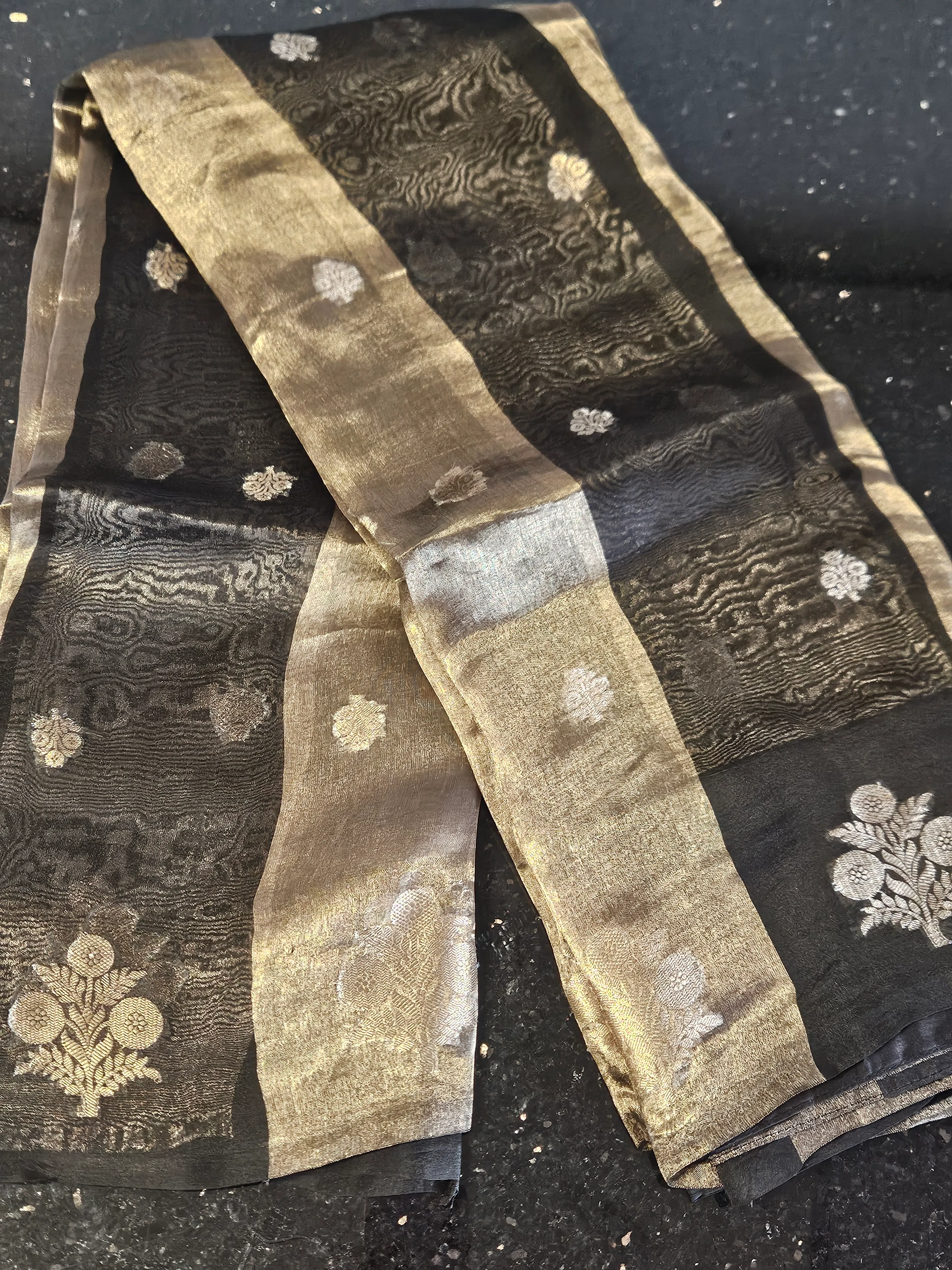
Expert tip: The Bengali drape shines with sarees that have contrasting borders and pallus, such as the Handwoven Pure Banarasi Tissue Saree with Radiant Golden Zari Work, making the intricate zari work stand out beautifully.
3. Gujarati/Seedha Pallu Drape
The Gujarati or Seedha Pallu draping style involves bringing the pallu over the right shoulder and spreading it across the front, rather than letting it fall behind. Start with the basic tucking and pleats, but instead of draping the pallu over the left, bring it from the back over the right shoulder and secure it with pins, allowing the ornate pallu to display across your chest.
- Difficulty: Easy to moderate
- Best occasion: Weddings, Navratri, garba nights
Expert tip: This drape is perfect for sarees with elaborate pallus or heavy zari, such as the Pure Banarasi Tissue Saree with Gold & Silver Zari, as it showcases the craftsmanship in front.
4. Maharashtrian Drape (Nauvari)
The Maharashtrian Nauvari style uses a nine-yard saree (nauvari) and does not require a petticoat. The saree is passed between the legs and tucked at the back, forming a dhoti-like effect, with the pallu draped over the shoulder. Traditionally worn by women in Maharashtra, this drape allows ease of movement and a regal, statuesque look.
- Difficulty: Challenging (best for experienced wearers)
- Best occasion: Maharashtrian weddings, Ganesh Chaturthi, cultural performances
Expert tip: If you don’t have a nine-yard saree, try this drape with a regular saree and leggings for a contemporary twist—great for dance events or theme parties.
5. Lehenga-Style Drape
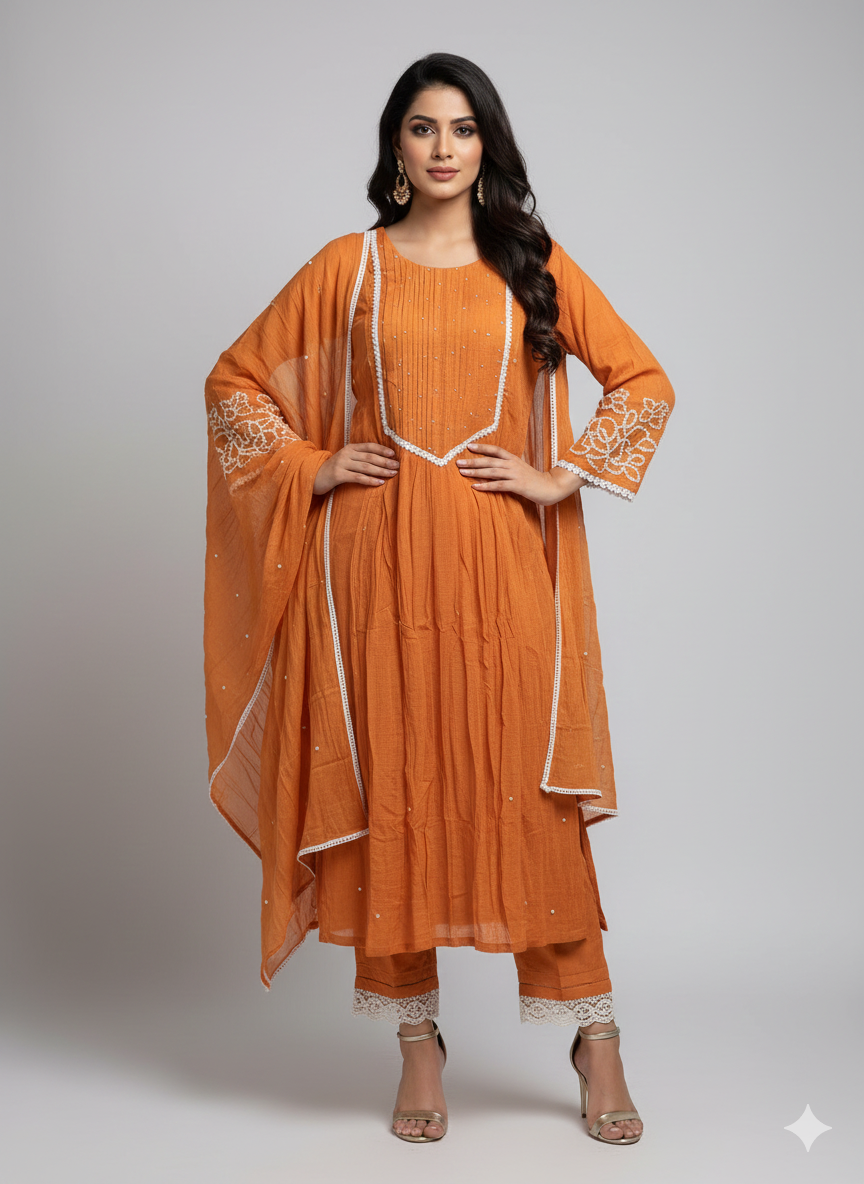
The lehenga saree drape gives the illusion of a lehenga-choli using a standard saree. After tucking, make multiple small pleats around the waist to simulate a flared skirt, then drape the pallu as a dupatta across the shoulder. This style is a favorite for receptions and modern pre-wedding festivities.
- Difficulty: Intermediate (patience needed for even pleats)
- Best occasion: Sangeet, receptions, cocktail parties
Expert tip: Use a can-can underskirt to add volume or choose a tissue saree with structure, such as the Luxurious Banarasi Silk Saree with Zari for Weddings, to hold the shape beautifully.
6. Mermaid Drape
The mermaid saree drape hugs the curves and gives a sleek, contemporary silhouette. Start by wrapping the saree tightly around the lower body, forming minimal pleats at the front, then bring the pallu over the shoulder in a wide, loose sweep. This style is favored by young women for evening events, as it elongates the figure and flatters most body shapes.
- Difficulty: Intermediate
- Best occasion: Evening parties, gala dinners, formal receptions
Expert tip: Choose a lightweight, shimmering saree like the Handwoven Pure Banarasi Tissue Saree with Radiant Golden Zari Work for the best drape and a luminous effect under lights.
7. Butterfly Drape
The butterfly saree draping style is a modern Bollywood-inspired twist on the Nivi, where the pallu is pleated very thin and pinned at the shoulder, fanning out like butterfly wings. The rest of the saree is worn as in Nivi, but the slim pallu highlights a toned midriff. This style is dramatic and ideal for fashion events or when you want to make a statement.
- Difficulty: Moderate
- Best occasion: Fashion shows, engagement parties, high-profile gatherings
Expert tip: For an ultra-glam look, pair the butterfly drape with a designer blouse and a saree that features intricate pallu detailing, like the Pure Banarasi Tissue Saree with Gold & Silver Zari.
What are the different saree draping styles?
Saree draping styles are unique ways of wrapping and arranging a saree to achieve distinct silhouettes and highlight different elements of the garment. Popular drapes include Nivi (classic South Indian), Bengali (wide box pleats and double pallu), Gujarati/Seedha Pallu (front pallu), Maharashtrian (dhoti effect), Lehenga-style (skirt look), Mermaid (figure-hugging), and Butterfly (pleated pallu). Each style varies in complexity and is suited to different occasions and regions of India.
How do you drape a saree to look slim?
- Choose lightweight, fluid fabrics like tissue, chiffon, or georgette.
- Opt for the Nivi or mermaid drape for a streamlined silhouette.
- Make neat, narrow pleats and pin them securely at the waist.
- Let the pallu fall diagonally across the torso to elongate the body.
- Wear a well-fitted blouse and petticoat to avoid bulk.
Structured sarees such as the Luxurious Banarasi Silk Saree with Zari for Weddings can help maintain a crisp drape, while darker colors and subtle zari borders further enhance a slimming effect.
Why choose handwoven Banarasi tissue sarees for special occasions?
Handwoven Banarasi tissue sarees are crafted in Varanasi (Banaras) using centuries-old weaving techniques and premium silk or tissue fabric, resulting in a shimmering, feather-light drape. The intricate zari work—often in gold and silver—reflects India's rich textile heritage and is highly prized for weddings and festive events. Their lightweight comfort makes them a favorite among Indian-American women for long celebrations, while the luminous texture ensures you stand out in photos and in person. For heirloom-worthy choices, explore Swathi Design’s Sarees collection, featuring authentic artisan creations.
FAQ: Saree Draping for Beginners
Q1: What are the different saree draping styles?
Nivi, Bengali, Gujarati/Seedha Pallu, Maharashtrian, Lehenga-style, Mermaid, and Butterfly are seven of the most popular saree draping styles, each originating from a different Indian region and suited to various occasions.
Q2: Which saree drape is best for a wedding?
The Nivi and Gujarati/Seedha Pallu drapes are most popular for weddings due to their elegance and ability to showcase ornate sarees. Try them with a Handwoven Pure Banarasi Tissue Saree with Radiant Golden Zari Work or a Luxurious Banarasi Silk Saree with Zari for Weddings for a regal effect.
Q3: What is the Nivi drape?
Nivi drape is a classic South Indian style where the saree is pleated at the front and the pallu is draped over the left shoulder, creating a graceful and practical look. It is the most widely worn saree draping style, perfect for formal and casual settings.
Q4: How do you drape a saree to look slim?
Choose lightweight fabrics and opt for the mermaid or Nivi drape, making neat, narrow pleats. Drape the pallu diagonally to create an elongated silhouette, and pair with a well-fitted blouse for the most flattering effect.
Styling Tips: Showcase Craftsmanship in Every Drape
When selecting a drape, consider your saree’s fabric and embellishments. Banarasi tissue sarees, like the Pure Banarasi Tissue Saree with Gold & Silver Zari, are lightweight yet structured, holding pleats beautifully for Nivi, lehenga, or butterfly drapes. Look for pieces crafted by master weavers—Swathi Design sources directly from artisans in Varanasi and other heritage hubs, ensuring authenticity and ethical production.
Don’t overlook the blouse: an unstitched blouse piece, included with many sarees, lets you customize the fit and style. For events like sangeet or festive gatherings, pair with bold jewelry and a statement clutch. For more ethnic styling inspiration, see our blog on What to Wear to a Sangeet: Outfit Ideas for Brides & Guests.
Pro Care and Storage Tips
To preserve the intricate zari work and texture of premium sarees, always dry clean and store them in a muslin cloth. Avoid direct sunlight and excessive folding at the same crease. Learn more in our guide on How to Store Silk Sarees So They Last for Generations—especially relevant for Banarasi and tissue sarees, which are delicate yet durable with the right care.
Shop the Collection
Ready to try new saree draping styles? Explore Swathi Design’s full range of Sarees and browse our full collection for handwoven Banarasi, Kora Tissue, and festive silk sarees, all sourced directly from artisan weavers in India. Use Swathi’s WhatsApp styling service for personalized draping advice, and enjoy flat-rate US shipping and a 48-hour damaged-item video policy for peace of mind.
Featured in this guide
Part of the Kanjivaram & Banarasi Silk Sarees guide collection.
Related guides
- Timeless Elegance: Handwoven Chanderi & Banarasi Silk Sarees for Every Special Occasion
- Celebrate Timeless Elegance with Luxurious Raw Mango Silk and Banarasi Sarees
- Timeless Elegance Redefined: The Latest Handwoven Banarasi & Kanchipuram Sarees for Every Celebration
- Discover the Timeless Beauty of Banarasi and Mangalagiri Silk Sarees
- Timeless Elegance: Explore the Artistry of Pure Zari and Banarasi Tissue Sarees