How to Store Silk Sarees So They Last for Generations
Learn how to store silk sarees the right way to preserve their beauty, prevent zari tarnish, and guard against humidity and insects. This practical guide covers folding vs hanging, muslin wraps, refolding schedules, and expert saree care tips for Indian-American women in the USA.
Why Proper Silk Saree Storage Matters
Silk sarees are more than garments—they’re heirlooms woven with cultural memory, artisan skill, and significant investment. From Banarasi Kora Tissue silk sarees with handwoven zari to delicate handloom pattu drapes from Andhra Pradesh, the right storage is key to preserving both beauty and value. Silk is a natural protein fiber—luxurious yet sensitive to humidity, light, and pests. Mishandling risks yellowing, creasing, fading, or even damaging intricate embroidery or zari. With a few mindful steps, you can ensure your prized sarees last for decades and even generations.

What You’ll Need Before You Start
- Clean, dry hands or cotton gloves
- Unbleached muslin or soft cotton saree wraps
- Acid-free tissue paper (optional, for extra protection)
- Saree storage bags (breathable, never plastic)
- Moth repellents (natural options like neem leaves, dried lavender, or cedar blocks)
- Silica gel packets (for humidity control, if needed)
- Clean, dry, dark storage space (preferably a wooden cupboard or drawer)
Step 1: Clean and Prep Your Saree
- Ensure your saree is completely clean before storage. Even a faint stain can oxidize over time, causing discoloration or attracting pests.
- For delicate pieces like the Pure Handloom Raw Mango Pattu Saree, always opt for dry cleaning from a trusted specialist.
- Let your saree air out for several hours in the shade (never direct sunlight) to remove any remaining moisture or odor.
Step 2: Folding vs Hanging Silk Sarees
Should you fold or hang silk sarees? For most handloom and pure silk sarees, folding is safer. Hanging can stretch delicate fabric and, over time, distort the weave or damage zari.
- Folded Storage: Lay the saree flat, fold along the original pleat lines, and refold every few months to prevent permanent creasing.
- Hanging Storage (limited use): For very short-term storage (1-2 days), use a broad, padded hanger, draping the saree loosely. Never use wire or narrow hangers, which can leave marks or stretch the silk.
List Snippet: Best way to store silk sarees:
- Fold along original lines
- Wrap in muslin or cotton cloth
- Store flat, not on hangers
- Refold every 3-6 months
Step 3: Wrap with Muslin and Tissue
- Place your folded saree on a clean piece of unbleached muslin or soft cotton. Muslin allows the silk to breathe and prevents direct contact with wood, metal, or plastic.
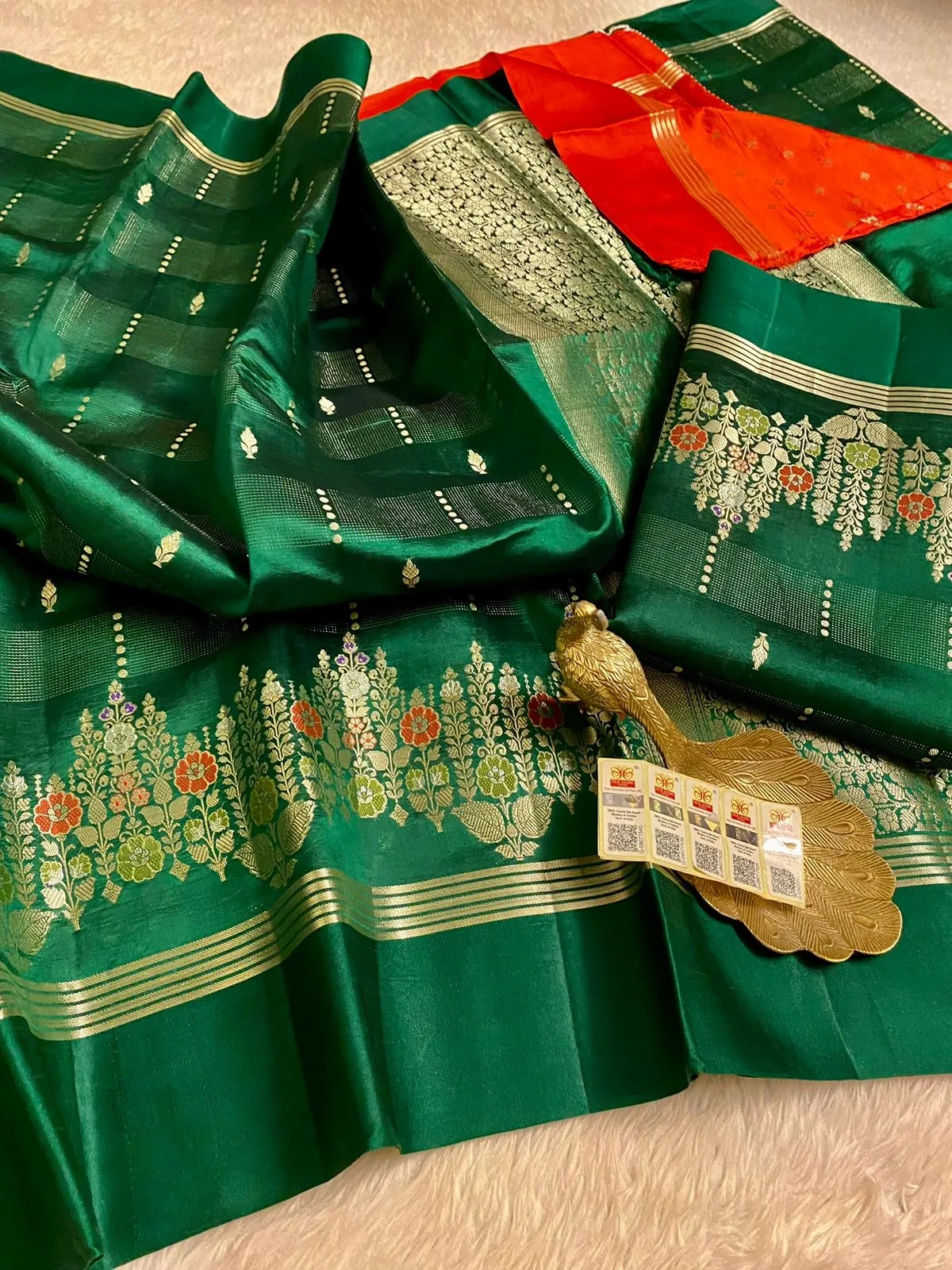
- For sarees with heavy zari, like the Pure Banarasi Kora Tissue Silk Saree, interleave acid-free tissue paper between folds to prevent zari from rubbing and tarnishing.
- Wrap the muslin fully around the saree and secure with loose ties or place it in a breathable storage bag (avoid plastic, which traps humidity).
Step 4: Protect Against Humidity and Zari Tarnish
- Store sarees in a cool, dry, and dark area—like a wooden cupboard or deep chest. Avoid attics or basements where temperature and humidity fluctuate.
- Slip a few silica gel packets (wrapped in muslin) into storage to absorb excess moisture in humid climates.
- Never place sarees near direct sunlight or artificial light, which can fade natural dyes and weaken silk fibers.
- For zari-rich sarees, use silver tissue or acid-free tissue to wrap zari areas separately—this reduces tarnish by limiting air and moisture exposure.
Step 5: Prevent Moths and Silverfish
- Natural repellents like neem leaves, dried lavender, or cedar blocks are traditional, non-toxic choices. Place small sachets in storage drawers or cupboards.
- Avoid naphthalene balls or strong chemicals, which can leave lingering odors and may harm delicate silk or embroidery.
- Check your storage area regularly for signs of pests, and always air out sarees after extended storage to keep them fresh.
Step 6: Refold Every 3-6 Months
To prevent sharp creases, fiber fatigue, and color fading along folds, refold your sarees every 3-6 months. Change the folding pattern each time—alternate the way the pallu and border are positioned. This is especially important for handloom pieces like the Handwoven Raw Mango Silk Saree, as continuous pressure in one spot can eventually break threads or mar the fabric's sheen.
Do & Don’t List: Silk Saree Storage
| Do | Don't |
|---|---|
| Wrap sarees in muslin or pure cotton | Use plastic covers or airtight bags |
| Refold every 3-6 months | Leave folded in the same way for years |
| Use acid-free tissue for zari | Let zari touch other fabrics directly |
| Store in cool, dark, dry places | Expose to direct sunlight or damp |
| Choose natural moth repellents | Use chemicals or naphthalene balls |
What is Zari and Why Does It Tarnish?
Zari is metallic thread—traditionally pure silver or gold, now often plated or synthetic—woven into Indian textiles for added opulence. It’s prized in sarees from Banaras and South India. Zari tarnishes when exposed to moisture, air, sweat, or chemicals, leading to dullness or blackening. Storing zari-rich sarees with acid-free tissue and away from humidity helps preserve their original shine.
How to Store Silk Sarees: Step-by-Step
- Clean and dry saree completely
- Fold along natural lines—never on sharp creases
- Wrap in unbleached muslin or pure cotton
- Use acid-free tissue paper on zari or embroidery
- Store in a cool, dry, dark, well-ventilated space
- Include natural moth repellents (neem, lavender, cedar)
- Refold every 3-6 months, changing fold patterns
Frequently Asked Questions: Silk Saree Storage
How do you store silk sarees long term?
For long-term storage, clean and dry the saree thoroughly, fold along natural lines, and wrap in unbleached muslin. Add acid-free tissue between folds if the saree has zari. Place in a breathable bag or cotton-lined drawer, away from sunlight and humidity, and use natural repellents to deter pests. Refold regularly to avoid permanent creasing.
Should silk sarees be folded or hung?
Silk sarees should be folded for long-term storage. Folding along natural pleats, wrapped in muslin, prevents fabric stretching and damage to embroidery or zari. Hanging may distort the weave or cause the pallu to sag, especially in heavier or older sarees.
How do you keep silk sarees from yellowing?
Prevent yellowing by wrapping sarees in unbleached muslin or acid-free tissue (not colored or printed paper), storing in a cool, dark, dry space, and avoiding plastic. Regular refolding and periodic airing in shade help maintain the silk’s natural color.
How often should you refold silk sarees?
Refold silk sarees every 3-6 months. Changing the fold lines prevents fabric stress, crease marks, and color fading along folds. This is particularly important in climates with varying humidity or if sarees are rarely worn.
Styling Tips for Silk Sarees and Kurti Sets
Silk sarees such as the Banarasi Kora Tissue Silk Saree or the Handwoven Raw Mango Silk Saree shine at weddings and formal gatherings. Pair with traditional gold jewelry or modern statement pieces for a unique look. For a contemporary touch, style a silk saree with a sleeveless blouse or a metallic belt. The Pure Dola Silk Kurti Set offers festive elegance—wear with metallic heels and chandelier earrings for upscale parties.
Explore more ideas in our guide on sangeet outfit ideas for brides & guests and browse our sarees collection for the latest arrivals.
Cultural Context and Craftsmanship
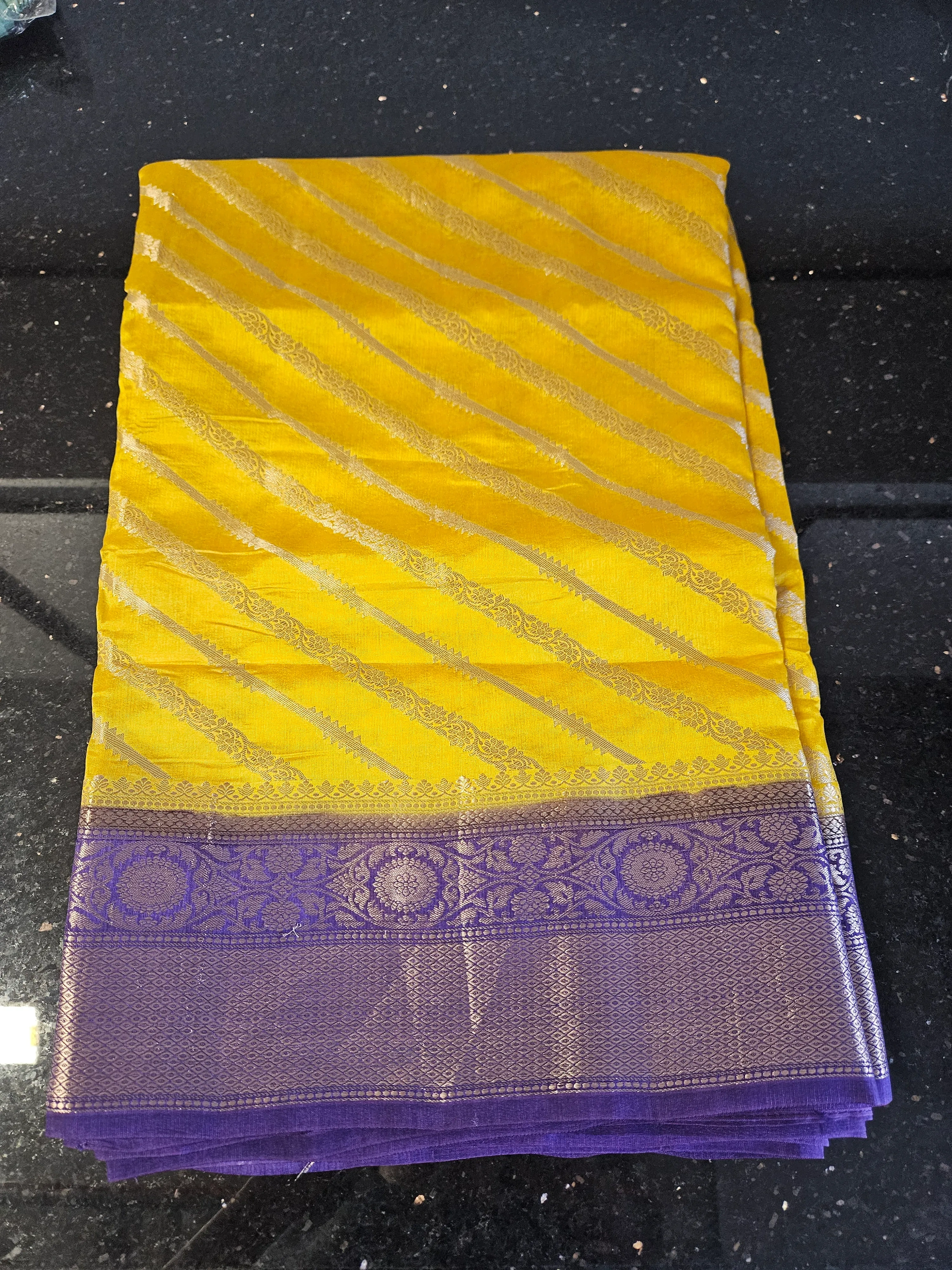
Indian silk saree weaving, from the famed Kanchipuram looms of Tamil Nadu to the Banarasi workshops of Uttar Pradesh, has flourished for centuries. Kanjivaram sarees, for example, are traditionally woven with mulberry silk and real zari, prized for their durability and temple-inspired motifs—a heritage protected by India’s Geographical Indications Registry. Banarasi sarees feature brocade and intricate patterns passed down through generations. Each piece from Swathi Design is sourced directly from artisan weavers, ensuring authenticity and fair trade. Proper storage honors not just the fabric but the artistry and labor that create these timeless garments.
Shop the Collection
Ready to build an heirloom-worthy closet? Explore the full collection of sarees, kurti sets, and wedding-ready ensembles at Swathi Design. With direct sourcing from Indian artisans, flat-rate US shipping, and personalized styling help via WhatsApp, your next statement piece is just a click away.
Featured in this guide
- Pure Dola Silk Kurti Set with Embroidered Dupatta for Festive Elegance
- Pure Handloom Raw Mango Pattu Saree – Luxury Indian Ethnic Wear
- Handwoven Raw Mango Silk Saree - Timeless Elegance
- Pure Banarasi Kora Tissue Silk Saree for Weddings & Festivals
- Luxurious Pure Banarasi Kora Tissue Saree with Handwoven Zari Work
Part of the Handwoven Silks: Chanderi, Tussar & Raw Mango guide collection.
Related guides
- Elevate Every Occasion: Handcrafted Indian Gowns & Frocks for Modern Celebrations in the USA
- Elevate Every Occasion: Pure Chanderi Pattu Silk Sarees for Indian-Americans in the USA
- Exquisite Russian Crape Silk Saree: Timeless Elegance for Every Occasion
- Luxurious Pure Russian Crape Saree: Timeless Elegance for Every Occasion
- Elevate Your Festive Wardrobe with Exquisite Handwoven Chanderi Sarees and Anarkali Dresses