How to Spot Authentic Handloom Saree: 10 Expert Tests for US Buyers
Wondering how to spot an authentic handloom saree? This step-by-step guide reveals ten practical tests—including the burn test, selvedge check, and Silk Mark clues—to help you verify real Kanchipuram and Banarasi sarees at home. Learn to distinguish handloom from powerloom and ensure your investment in Indian silk is truly heirloom-worthy.
Before You Start: What You'll Need
Authenticating a handloom saree—especially intricate Kanchipuram and Banarasi silks—can be daunting, but with the right techniques, you can shop confidently, even from the USA. To follow this guide, gather: a magnifying glass, a lighter (for the burn test), a white background, a tape measure, and any original tags or certificates. Always handle precious sarees with clean hands and perform any fire-based tests only on a hidden loose thread. Ready to learn how to spot authentic handloom saree and protect your investment?
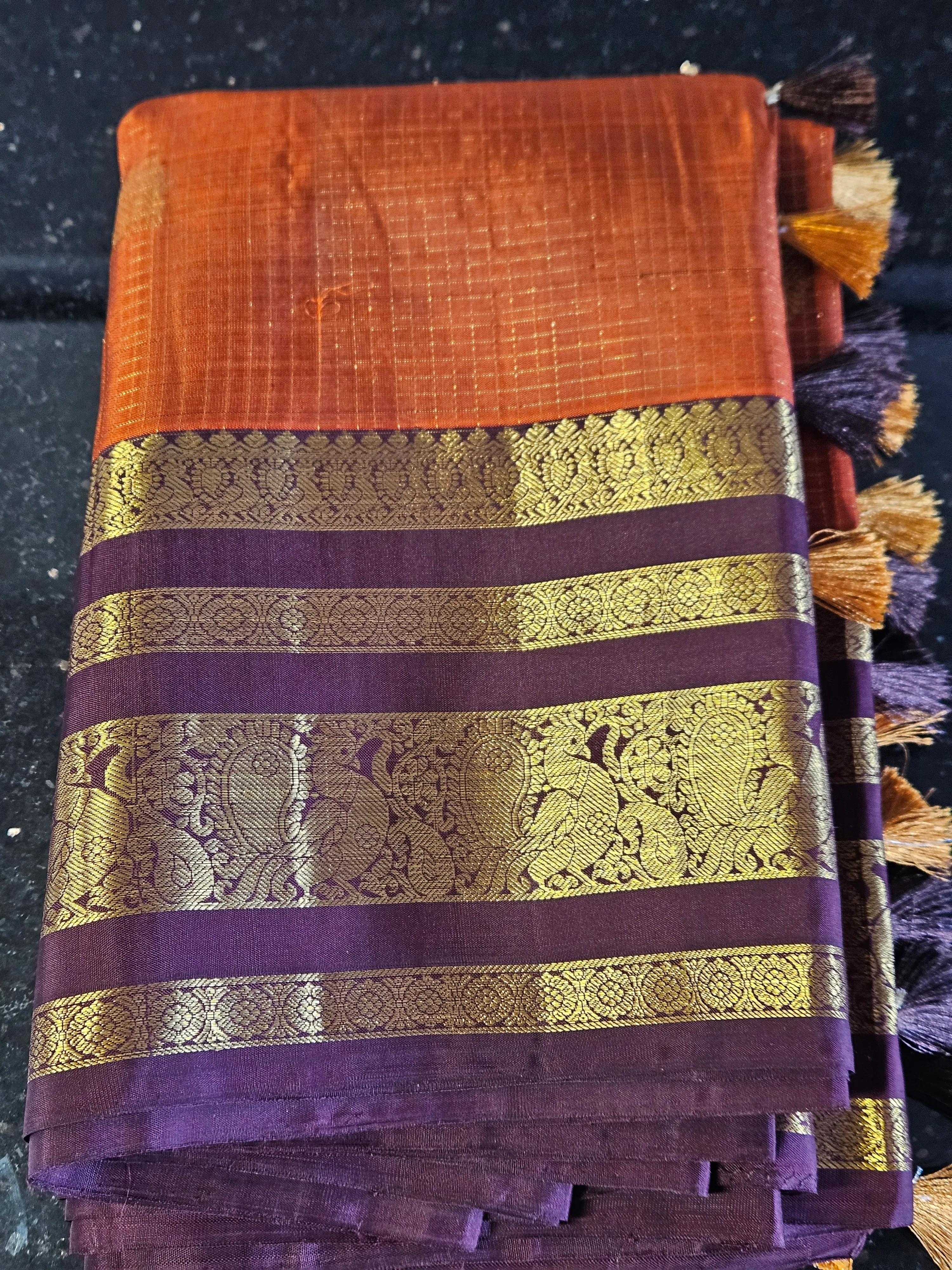
Step 1: Check the Saree Selvedge (Border Edge)
The selvedge is the tightly woven band running along both long edges of a saree. In authentic handloom sarees like the Pure Handwoven Kanchipuram Silk Wedding Saree with Gold Zari Accents, the selvedge is often thicker and may have tiny pinholes or unevenness—signs of manual weaving. Powerloom sarees tend to have perfectly uniform selvedges without irregularities. Run your fingers along the border: a slight bumpiness is a good sign.
Step 2: Inspect the Reverse Side for Weave Irregularity
Flip the saree to its reverse. Authentic handloom silk sarees show threads, knots, and a less polished look on the back, especially where motifs change color. Machine-made sarees hide these transitions. For instance, the Handwoven Kanchipuram Silk Saree with Zari for Weddings reveals uneven, slightly loose threads at motif edges. This is a prized sign of artisan work, not a flaw.
Step 3: Examine the Pallu Join for Korvai Technique
The korvai join is a traditional handloom technique used in Kanchipuram sarees to attach the contrasting pallu. Look for small, visible interlocking threads at the transition—handloomed korvai has tiny bumps and color jumps, while powerloom joins are flat and seamless. If you’re unsure, ask the seller for a closeup photo of the join. The Handwoven Kanchipuram Silk Saree with Zari Elegance showcases this detail beautifully.
Step 4: Look for Weave Irregularities Under a Magnifying Glass
- Handloom sarees show minor inconsistencies in motif shape, thread thickness, and pattern alignment.
- Powerloom sarees are nearly pixel-perfect, with identical repeats and no thread variation.
- Small unevenness, skipped threads, or slightly off-kilter zari motifs are actually hallmarks of genuine handwork.
Banarasi sarees, such as the Handwoven Pure Banarasi Kora Tissue Saree with Zari Elegance, often show these minute irregularities in their brocade work.
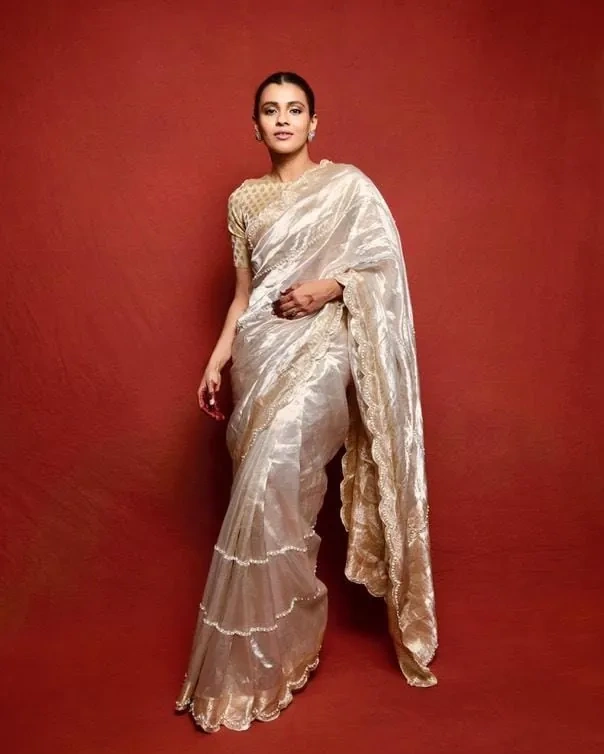
Step 5: Feel the Weight and Drape
Authentic Kanchipuram silk has a substantial weight and a crisp, luxurious drape due to the use of mulberry silk and real zari. Banarasi Kora Tissue sarees are lighter but shimmer with a unique stiffness. Imitations often feel limp, sticky, or too light. Drape the saree over your arm: it should maintain its shape and not cling excessively.
Step 6: The Burn Test for Pure Silk
What is the burn test for pure silk?
The burn test for pure silk is a simple at-home method: Carefully burn a loose thread from the saree. Genuine silk burns with a smell like burning hair, forms a crisp black ash, and stops burning when the flame is removed. Synthetics melt, smell chemical, and leave a hard bead. Always perform this test on an inconspicuous thread and only if you're confident handling fire.
Table: Burn Test Results for Saree Fabric
| Material | Burn Smell | Residue | Flame Reaction |
|---|---|---|---|
| Pure Silk | Burning hair | Crisp black ash | Stops burning |
| Polyester | Chemical/plastic | Hard bead | Continues to melt |
| Viscose | Burning paper | Soft gray ash | Burns quickly |
Step 7: Check for Silk Mark India Hologram or Tag
What does the Silk Mark hologram guarantee?
The Silk Mark hologram guarantees that the saree is made from 100% natural silk, as certified by the Silk Mark Organisation of India (an initiative of the Central Silk Board). Look for this tamper-proof sticker or tag—it's a strong sign of authenticity, though not all artisan sarees carry it, especially vintage or custom pieces.
Step 8: Compare Motifs, Tradition, and Region
Classic handloom sarees reflect regional identity. Kanchipuram silks feature temple borders, checks, and peacock or mango motifs—designs passed down for over 400 years by weaver communities in Tamil Nadu. Banarasi sarees show Mughal-inspired floral jaals, bels, and mina work, crafted in Varanasi’s ancient looms. Researching these patterns helps authenticate the saree’s origin. If motifs appear too modern or generic, be cautious.
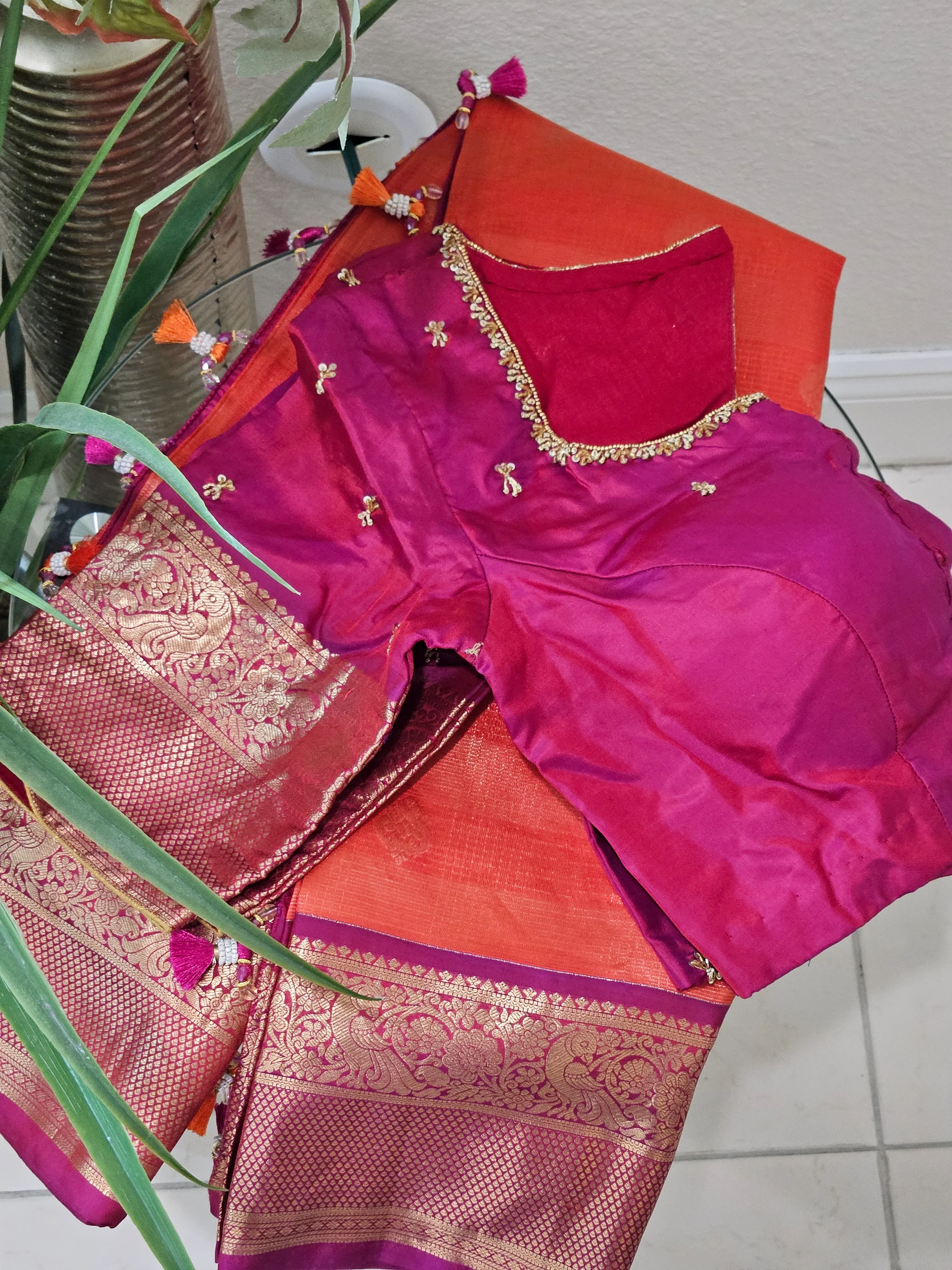
Step 9: Powerloom vs Handloom — The Key Differences
| Feature | Handloom | Powerloom |
|---|---|---|
| Selvedge | Irregular, bumpy | Flat, perfect |
| Motifs | Minor irregularities | Identical repeats |
| Reverse Side | Visible knots, color jumps | Clean, finished |
| Price | Higher, reflects labor | Lower, mass-produced |
Handloom sarees from Swathi Design, including the Luxury Pure Kanchipuram Silk Wedding Saree with Intricate Zari Work, are sourced directly from artisan weavers, ensuring true craftsmanship and traceable provenance.
Step 10: Ask for Artisan Details and Origin
Reputable sellers are transparent about a saree’s origin. For example, at Swathi Design, each handloom saree’s product page lists its region (Kanchipuram or Banaras) and emphasizes direct sourcing from Indian artisan communities. If a seller can’t provide origin details, loom photos, or artisan names, authenticity is questionable. Don’t hesitate to use Swathi’s WhatsApp styling help to request more information.
How to Style Ethnic Silk Sarees for Formal Occasions?
Styling an authentic handloom saree—such as a Kanchipuram or Banarasi—for weddings or festive gatherings starts with the right blend of tradition and personal flair. Choose gold temple jewelry for classic grandeur, or pair minimalist pearls for understated elegance. Consider a sleek bun adorned with fresh flowers and an embellished clutch to complete your ensemble. For more inspiration, see our post on 7 Saree Draping Styles Every Woman Should Try.
Frequently Asked Questions About Authentic Handloom Sarees
How can you tell handloom from powerloom?
- Handloom sarees have uneven selvedges, visible knots, and slight motif irregularities.
- Powerloom sarees are perfectly uniform, with clean reverse sides and no loose threads.
- Handloom pieces feel heavier and drape with a natural crispness.
Does the back of a real handloom look different?
Yes. The back of a real handloom saree displays knots, floating threads, and color transitions at motif edges—these are signs of manual weaving. Powerloom sarees conceal these with a neat, finished reverse.
What does the Silk Mark hologram guarantee?
The Silk Mark hologram, issued by the Silk Mark Organisation of India, certifies that a saree is woven from 100% pure natural silk. It’s a trusted authenticity indicator for Indian silk textiles.
What is the burn test for pure silk?
- Burn a loose thread from the saree.
- Pure silk smells like burning hair, forms crisp black ash, and extinguishes easily.
- Synthetics melt, smell chemical, and leave a hard bead.
Care and Storage Tips for Authentic Silk Sarees
Preserving authentic handloom sarees ensures their longevity. Always dry clean your sarees, as recommended for Swathi Design’s Pure Handwoven Kanchipuram Silk Wedding Saree and Handwoven Pure Banarasi Kora Tissue Saree. Store them in muslin or soft cotton in a cool, dry place—never in plastic. For more, read our detailed guide on how to store silk sarees so they last for generations.
Shop the Collection
Ready to invest in true craftsmanship? Explore Swathi Design’s curated Sarees or browse our full collection for heirloom Kanchipuram and Banarasi silks, all sourced directly from Indian artisan weavers. Use our WhatsApp styling help for personalized advice, and shop with confidence—our California-based team verifies authenticity and offers flat-rate US shipping.
Remember: Mastering how to spot authentic handloom saree protects your cultural investment and supports India’s weaving heritage. Every genuine piece is a link to tradition, artistry, and personal history—choose wisely, cherish for generations.
Featured in this guide
- Pure Handwoven Kanchipuram Silk Wedding Saree with Gold Zari Accents
- Handwoven Pure Banarasi Kora Tissue Saree with Zari Elegance
- Luxury Pure Kanchipuram Silk Wedding Saree with Intricate Zari Work
- Handwoven Kanchipuram Silk Saree with Zari Elegance
- Handwoven Kanchipuram Silk Saree with Zari for Weddings
Part of the Kanjivaram & Banarasi Silk Sarees guide collection.
Related guides
- Timeless Elegance: Handwoven Chanderi & Banarasi Silk Sarees for Every Special Occasion
- Celebrate Timeless Elegance with Luxurious Raw Mango Silk and Banarasi Sarees
- Timeless Elegance Redefined: The Latest Handwoven Banarasi & Kanchipuram Sarees for Every Celebration
- Discover the Timeless Beauty of Banarasi and Mangalagiri Silk Sarees
- Timeless Elegance: Explore the Artistry of Pure Zari and Banarasi Tissue Sarees