Chanderi or Muslin for a Summer Wedding?
Choosing between Chanderi and muslin for a humid outdoor ceremony comes down to breathability, drape, and care. Explore how each fabric performs at a US summer wedding, which needs lining, what looks best in photos, and cost breakdowns. Tips from a textile expert for fashion-conscious Indian-Americans.
Chanderi or Muslin for Summer: Which Fabric Wins?
When selecting a saree for a summer wedding—especially an outdoor or humid ceremony—Indian-American women often narrow the choice to chanderi or muslin. Both are celebrated for their lightweight textures and graceful drape, yet their real-world performance differs in ways that matter: comfort, appearance, and upkeep. Here’s a direct comparison for those seeking substance, not just style.
| Attribute | Chanderi Silk | Muslin (Mulmul Cotton/Silk) |
|---|---|---|
| Breathability | High (sheer, open weave) | Very high (especially cotton muslin) |
| Needs Lining? | Optional (depends on color/design) | Often (muslin is more transparent) |
| Photographs In Daylight | Lustrous, subtle shimmer | Matte, soft glow |
| Survives Humidity | Holds shape, minimal creasing | Prone to creasing, absorbs sweat |
| Price (Swathi Design Range) | $185–$235 | $110–$165 |
What is Chanderi?
Chanderi is a historic handloom fabric produced in Chanderi, Madhya Pradesh, India, renowned for its sheer texture, glossy transparency, and intricate zari patterns. Traditionally made with a blend of silk warps and fine cotton or silk wefts, Chanderi sarees are woven on pit looms by skilled artisans who have preserved these techniques for generations. The region holds a Geographical Indication (GI) tag for this craft.
What is Muslin?
Muslin is a finely woven, plain-weave fabric historically produced in Bengal (now Bangladesh and eastern India), famous for its airy lightness and soft drape. In sarees, muslin is typically made from ultra-fine cotton (mulmul) or silk, sometimes blended. Muslin’s fame peaked in the Mughal era, prized by royalty for its comfort in hot, humid climates. Modern muslin sarees are valued for breathability but are often semi-transparent.
Origin and Craftsmanship: Chanderi vs Muslin
Both Chanderi and muslin represent pinnacle achievements of Indian handloom culture, but their stories and techniques are distinct.
- Chanderi: Originating in central India, Chanderi weaving families have, for centuries, used pit looms to blend silk and either cotton or more recently, pure silk, creating a fabric with a characteristic translucent sheen. The signature motifs—coins, floral vines, and peacocks—are woven with real zari (fine gold or silver thread), not printed or embroidered, resulting in patterns that are part of the fabric’s structure.
- Muslin: Historically, muslin weaving flourished along the banks of the Brahmaputra and Ganges rivers. Bengal muslin was so fine it was called "woven air." Today, mulmul muslin sarees are handwoven using combed cotton or silk yarns on traditional looms. Muslin’s plain weave is simpler than Chanderi’s, but true muslin is judged by its thread count and evenness.
Swathi Design exclusively sources authentic handwoven Chanderi Pattu Silk Sarees and pure muslin sarees directly from artisan weavers.
How to Spot Authentic Chanderi or Muslin
Identifying genuine handloom sarees requires a trained eye. Here’s a quick test for each:
- Chanderi Authenticity Test: Hold the saree up to light—true Chanderi silk has a luminous, translucent quality, but never feels flimsy. Examine the motifs: authentic Chanderi patterns are woven in, not stuck on or embroidered. Rub between your fingers; the fabric should be cool and slightly crisp.
- Muslin Authenticity Test: Check the selvedge (edge) for slight irregularities—handwoven muslin is never perfectly uniform. Try the breath test: blow gently through the fabric. Pure muslin allows airflow but maintains structure; synthetics will feel waxy or block air completely.
Avoid sarees with glued-on motifs or machine-stitched borders if seeking true handloom craft.
Performance in Humidity and Weddings
For US-based Indian weddings—especially outdoor or summer events—fabric breathability and resilience are paramount. Here’s what to consider:
- Chanderi Silk: Chanderi’s open weave allows heat to escape, while silk fibers wick away moisture. The fabric rarely clings and holds its drape even after hours of wear. Zari work in Chanderi is less likely to tarnish quickly due to silk’s natural resistance to sweat. Most Swathi Design Pure Chanderi Pattu Silk Sarees are light enough for an all-day function yet structured enough for ceremonial photos.
- Muslin: Muslin sarees—especially fine mulmul—are among the coolest fabrics for extreme humidity. However, cotton-based muslin can crease easily and may absorb sweat, creating visible damp patches. Their extreme lightness can be a drawback outdoors if there’s wind, and most require a lining or slip to avoid transparency in sunlight.
For a humid outdoor ceremony, Chanderi often balances breathability with dignity: you won’t look wilted in photos or need constant readjustment.
Which Fabric Photographs Better in Daylight?
Chanderi’s silk warp catches sunlight, offering a subtle shimmer that flatters skin tones and brings out zari motifs in photographs. Muslin’s matte finish creates a soft, ethereal look but can appear washed out in direct sun. For group photos or close-ups, Chanderi’s depth of color and luster outperform muslin’s understated charm.
Styling Tips for Chanderi and Muslin
- Chanderi: Pair with heirloom gold jewelry, a tailored silk or brocade blouse, and a minimal petticoat. For a modern twist, style with geometric earrings and a backless blouse. Try the Pure Chanderi Pattu Silk Saree – Handwoven Indian Ethnic Wedding Wear for a Diwali or wedding sangeet.
- Muslin: Muslin sarees suit delicate, layered jewelry and pastel accessories. Choose a full-coverage, matching slip or lining beneath for formal events. Muslin’s softness pairs well with pearl or silver jewelry for a daytime mehendi or haldi ceremony.
For more event-specific ideas, see our Indian Wedding Guest Guide or browse Sarees for inspiration.
How to Care for Chanderi and Muslin Sarees
- Chanderi: Always dry clean to avoid color bleeding and preserve zari. When storing, wrap in muslin cloth and fold along existing creases to prevent fiber breakage. Store flat, away from sunlight and moisture. For long-term storage, refold every few months to avoid permanent creasing.
- Muslin: Pure cotton muslin can sometimes be hand-washed gently in cold water, but silk or zari-edged versions should be dry cleaned. Iron on low heat while slightly damp. To reduce creasing, hang the saree on a padded hanger or roll instead of folding.
Non-obvious tip: For Chanderi, avoid direct contact with perfumes or deodorant—alcohol can dull silk and tarnish zari. For muslin, air-dry flat to avoid stretching the weave.
Why Choose Chanderi or Muslin for US Summer Weddings?
The choice between chanderi or muslin comes down to the event’s formality, the weather, and your comfort with fabric transparency. Chanderi is ideal for weddings and festivals where you want a regal drape and subtle shimmer that resists humidity and photographs beautifully. Muslin excels for intimate, daytime celebrations, especially when comfort and breathability take priority. Both fabrics honor Indian heritage, but only Chanderi offers the blend of luster, structure, and all-day wear needed for high-stakes occasions.
FAQs: Chanderi or Muslin for Summer Weddings
Which fabric is cooler in humidity?
Muslin, especially pure cotton muslin, is cooler in humidity due to its ultra-lightweight, open weave. Chanderi silk is also highly breathable but offers more structure, making it comfortable without clinging to the skin. For outdoor ceremonies in peak summer, muslin feels airier, but Chanderi balances coolness with elegance.
Does muslin need a lining?
Most muslin sarees are semi-transparent and do require a lining or slip for modesty, especially in daylight or for formal events. Chanderi silk is less see-through but may still benefit from a petticoat or slip, depending on the color and weave density.
Which holds a crease less?
Chanderi silk holds its drape and resists creasing better due to the silk content and tighter weave. Muslin (mulmul cotton) is more likely to develop visible creases, especially after sitting or in humid conditions.
Which photographs better in daylight?
Chanderi silk sarees photograph better in daylight because their subtle sheen and rich colors reflect light attractively, highlighting woven motifs. Muslin sarees appear softer and more matte, which can look elegant but may not stand out in bright, outdoor photos.
Chanderi Product Spotlight
- Pure Chanderi Pattu Silk Saree – Handwoven Traditional Indian Saree for Special Occasions (price confirmed on inquiry): Meticulously handwoven, luminous texture, subtle shimmer.
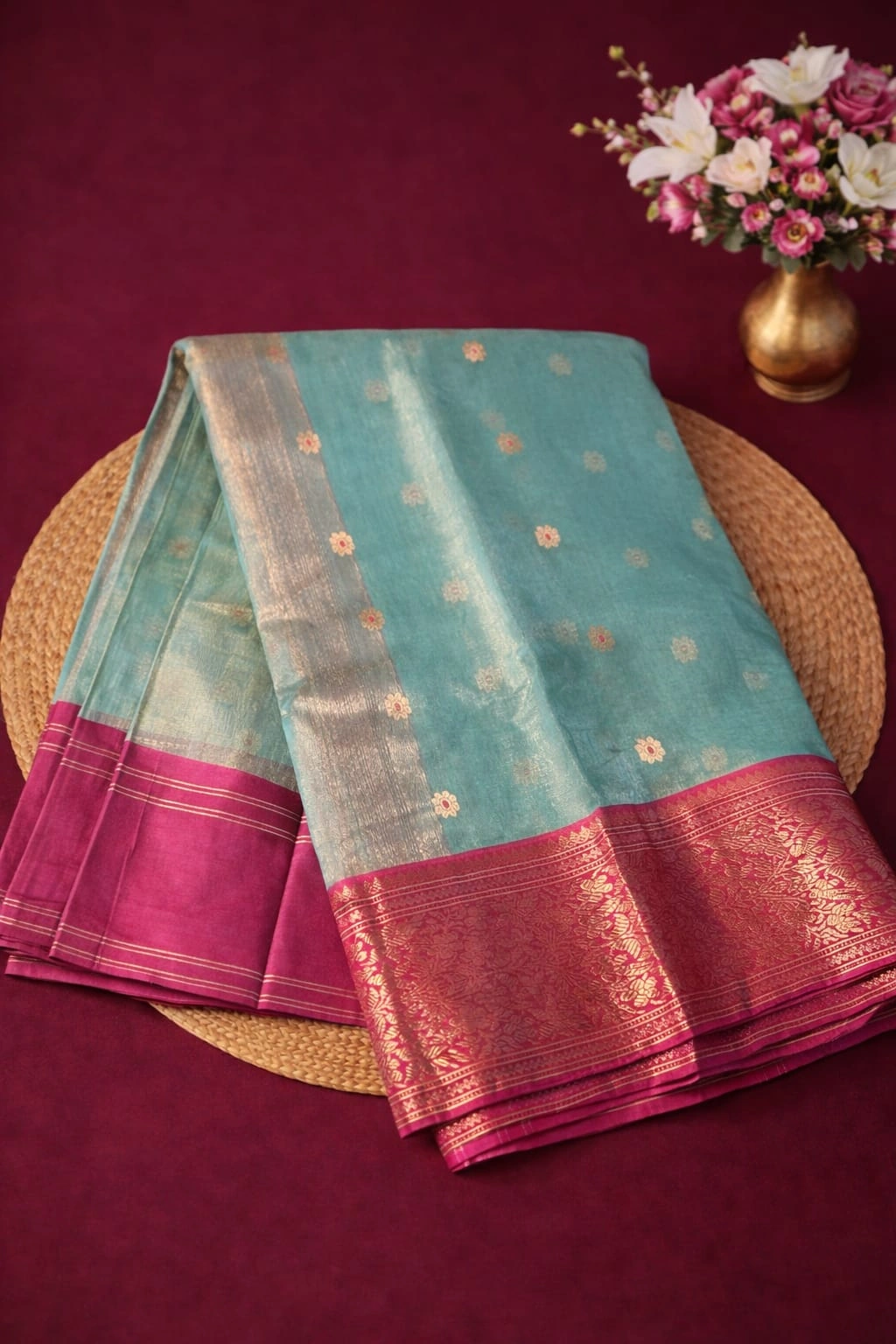
Pure Chanderi Pattu Silk Saree – Handwoven Traditional Indian Saree for Special Occasions - Pure Chanderi Pattu Silk Saree – Handwoven Luxury for Weddings & Celebrations (price confirmed on inquiry): Lightweight, intricate zari work, exceptional drape.
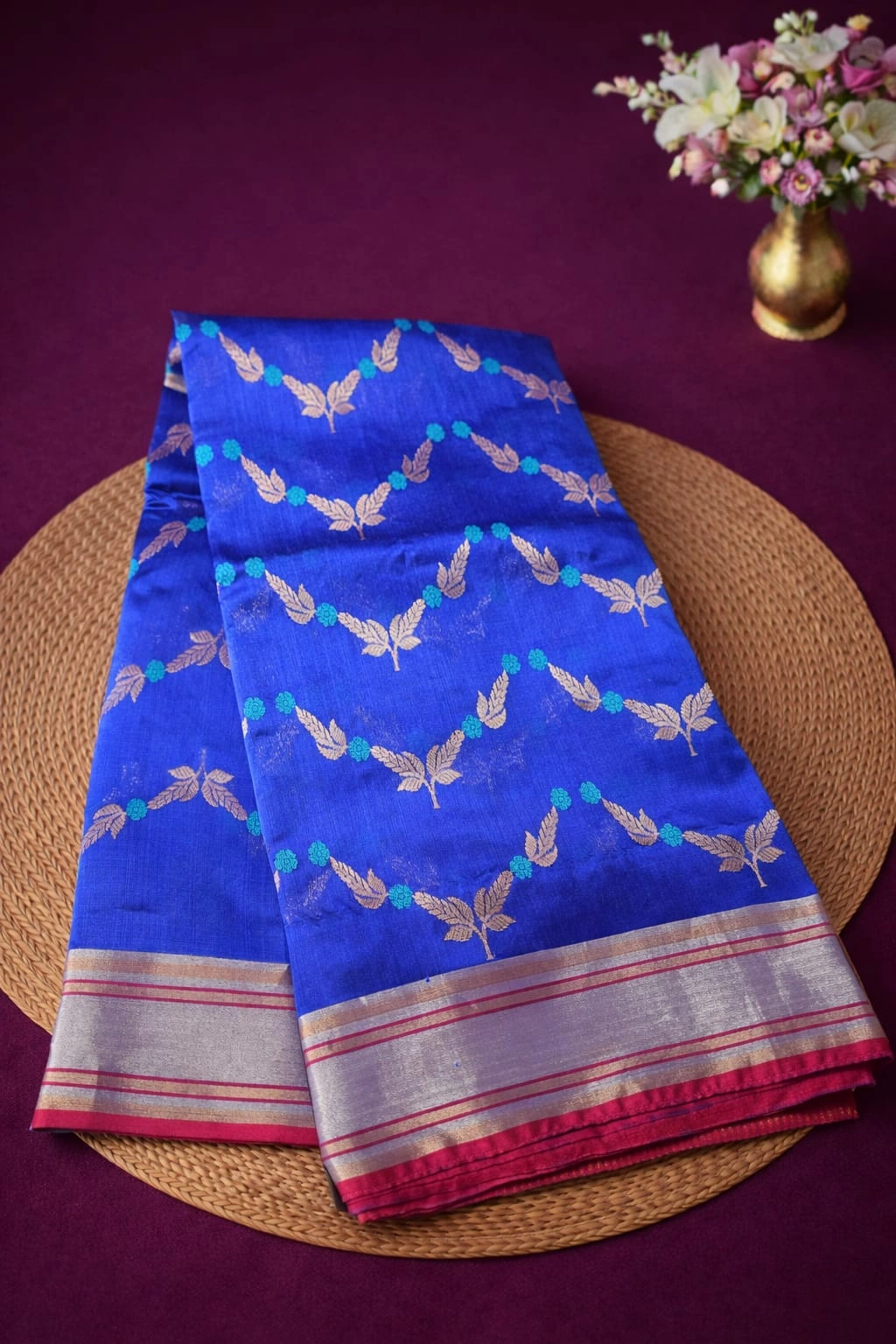
Pure Chanderi Pattu Silk Saree – Handwoven Luxury for Weddings & Celebrations - Pure Chanderi Pattu Silk Saree – Handwoven Indian Ethnic Wedding Wear (price confirmed on inquiry): Feather-light, traditional motifs, ideal for festive events.
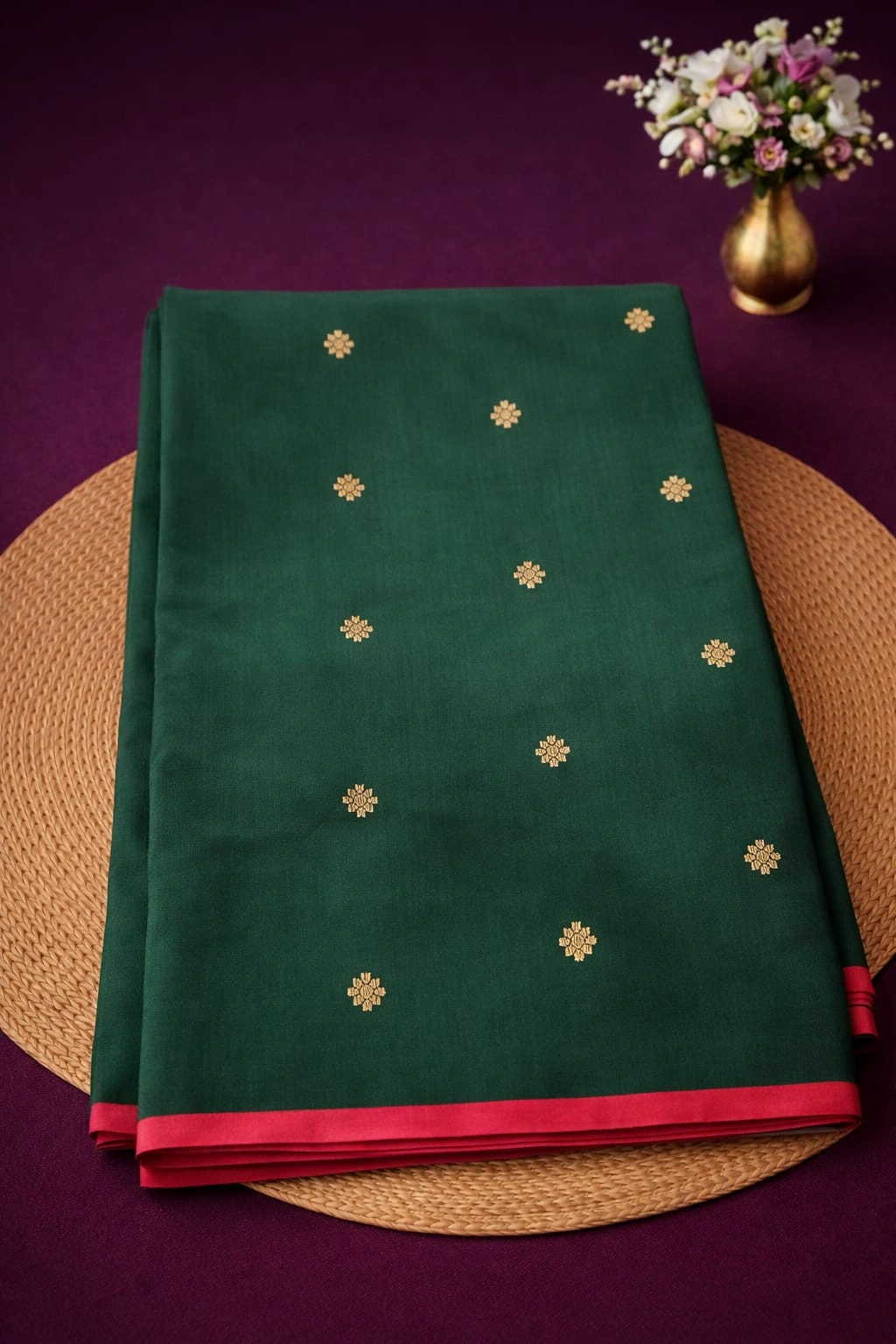
Pure Chanderi Pattu Silk Saree – Handwoven Indian Ethnic Wedding Wear
Each saree is dry-clean only, handwoven using silk and zari, and tailored for the Indian-American woman who values authenticity and artistry. For muslin options, browse the full Sarees category.
Other Essentials for the Indian-American Wedding Guest
For those planning a full trousseau or wedding wardrobe, our guide on wedding trousseau essentials explains how to balance tradition, budget, and climate. If you’re a frequent sangeet guest, see our tips for outfits that survive the dance floor, with a focus on sarees that won’t wilt or crease during hours of celebration.
Shop the Collection
Ready to choose your summer wedding saree? Browse our full collection of handwoven Chanderi, muslin, and other premium sarees. Swathi Design offers flat-rate shipping across the US, WhatsApp styling help, and a 48-hour damaged-item video policy to ensure your satisfaction. Every piece is sourced directly from Indian artisan weavers, preserving centuries of textile tradition for a new generation.
Featured in this guide
Part of the Handwoven Silks: Chanderi, Tussar & Raw Mango guide collection.
Related guides
- Elevate Every Occasion: Handcrafted Indian Gowns & Frocks for Modern Celebrations in the USA
- Elevate Every Occasion: Pure Chanderi Pattu Silk Sarees for Indian-Americans in the USA
- Exquisite Russian Crape Silk Saree: Timeless Elegance for Every Occasion
- Luxurious Pure Russian Crape Saree: Timeless Elegance for Every Occasion
- Elevate Your Festive Wardrobe with Exquisite Handwoven Chanderi Sarees and Anarkali Dresses