What to Wear to a Seemantham Baby Shower: Saree Styling for Moms & Guests
Wondering what to wear to a seemantham or Indian baby shower? This guide breaks down bump-friendly saree drapes, godh bharai outfit ideas, and guest styling—plus expert tips on colors, comfort, and accessorizing for this cherished occasion.
What to Wear to a Seemantham Baby Shower
If you’re attending a seemantham (also called godh bharai or valaikappu), choosing the right saree is more than just a matter of style—it’s a way to honor tradition and celebrate the mom-to-be with grace and comfort. Whether you’re the guest of honor or a close friend, the right ensemble balances heritage, occasion, and a touch of your personality. Here’s what to wear to a seemantham baby shower, with specific tips for expecting mothers and guests alike.
For the modern Indian-American woman, seemantham is a day of blessings, music, and community. Drape yourself in a saree that feels both ceremonial and effortless—think pure Banarasi silk tissue or elegant Russian crape silk, chosen for comfort, drape, and that luminous festive glow.
What is Seemantham and Why Do We Dress Up?
Seemantham is a traditional South Indian baby shower, usually held in the seventh or eighth month of pregnancy, to bless the mother and her unborn child. Also called godh bharai (North India) or valaikappu (Tamil Nadu), it’s marked by rituals, music, and joyful gatherings. Dressing up isn’t just about looking good—it’s about honoring centuries-old customs, symbolizing auspiciousness, and creating memories that last a lifetime. Sarees, bangles, and flowers are as much part of the ritual as the prayers themselves.
Definition Snippet: What is a Seemantham Saree?
A seemantham saree is a traditional Indian saree chosen for a baby shower ceremony, often featuring auspicious colors, rich zari work, and comfortable, bump-friendly draping. It’s selected to honor the mother-to-be and the cultural significance of the event.
Maternity Sarees for the Mom-to-Be: Comfort Meets Celebration
For the expectant mother, comfort is paramount—but so is feeling radiant for photos and rituals. The ideal seemantham saree is lightweight, breathable, and soft on sensitive skin, with enough pleat room to adapt to a growing bump.
Two standout choices:
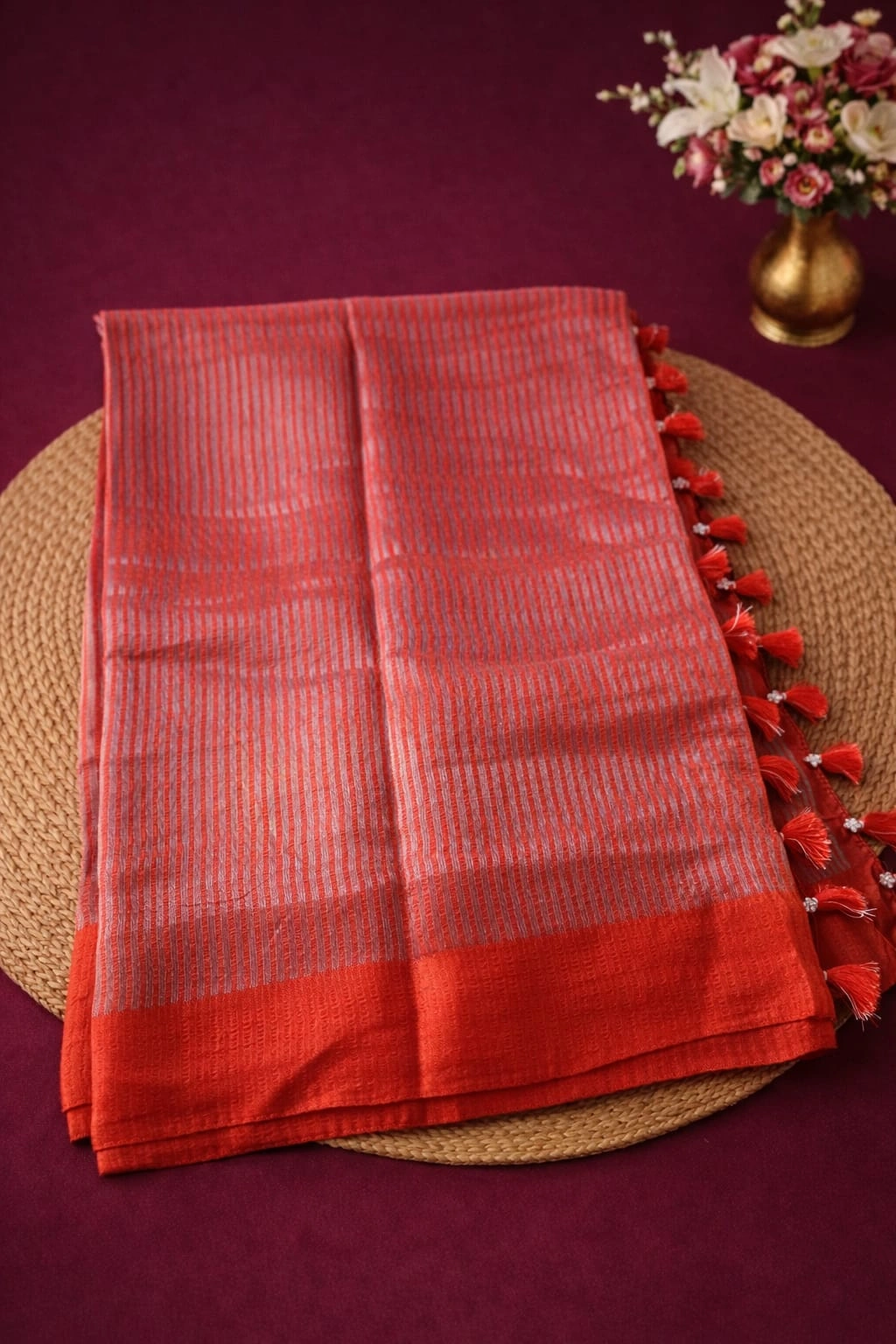
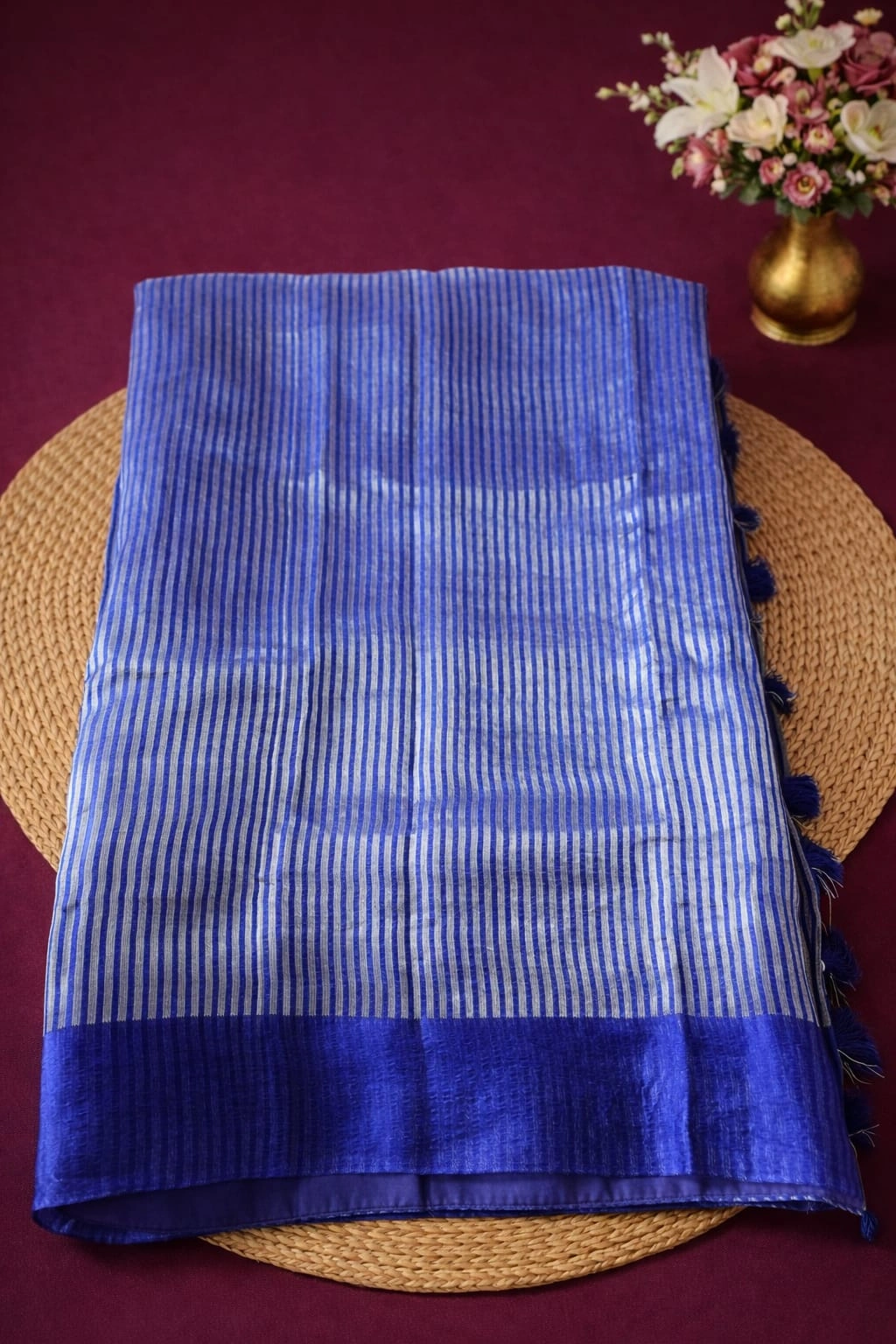
- Pure Banarasi Silk Tissue Saree for Weddings & Festivals (price confirmed on inquiry): This Varanasi-woven masterpiece blends kora silk and tissue for a luminous, featherlight drape. The gold hue and intricate zari motifs shimmer beautifully in natural light, making it perfect for auspicious ceremonies. The breathable weave is gentle on the skin and adapts to your silhouette, offering all-day comfort.
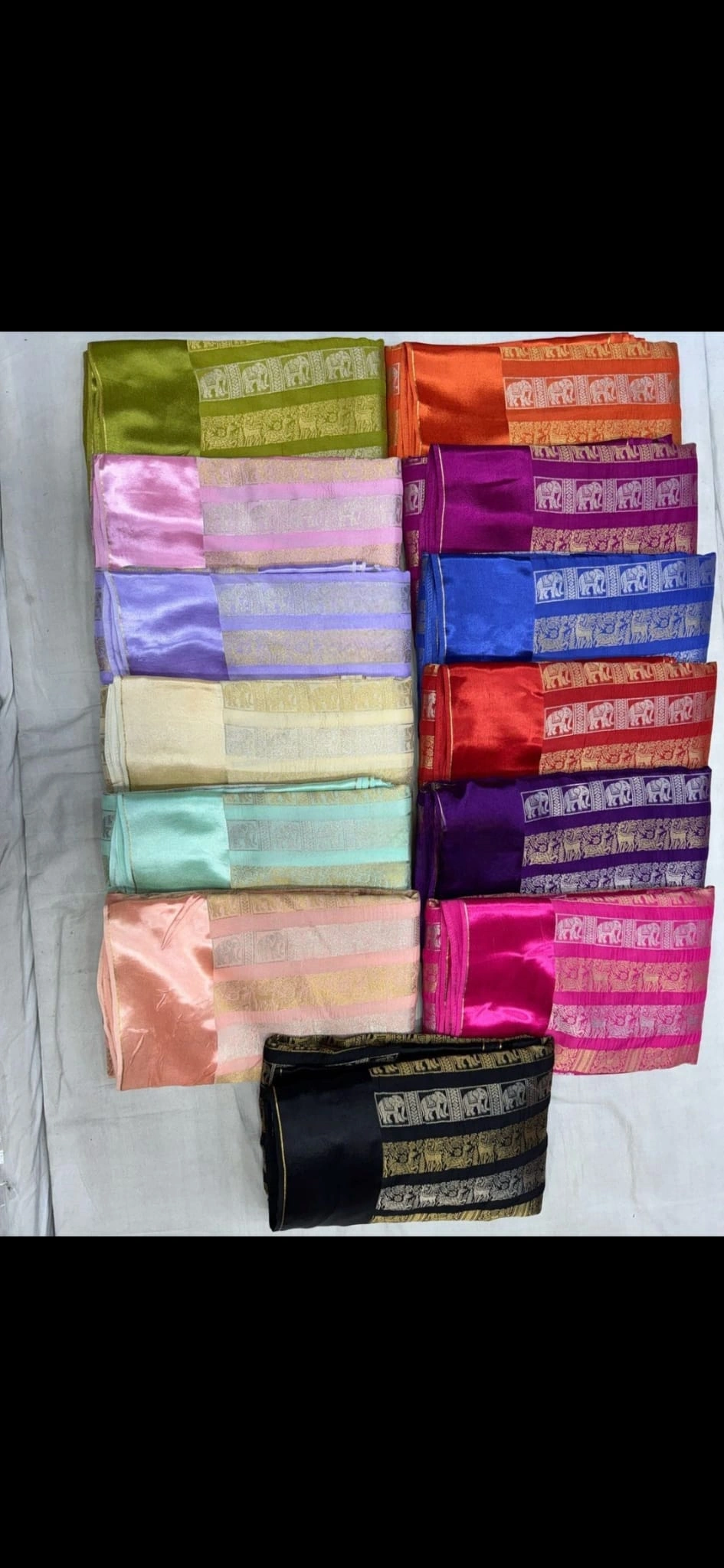
- Exquisite Russian Crape Silk Saree - Elegant Ethnic Wear (price confirmed on inquiry): Crafted from premium Russian crape silk, this saree offers a smooth, fluid drape that hugs without clinging. The subtle sheen and multitone color palette suit both traditional South Indian and North Indian baby showers.
Both sarees are heirloom-worthy, sourced from artisan weavers, and designed to be cherished long after the ceremony. For extra comfort, request a slightly longer blouse or opt for side-tie closures, which accommodate changing sizes without pinching or riding up.
How to Drape a Saree for Maternity: Bump-Friendly Styles
How to drape a saree for maternity? Here are three bump-friendly draping tips for your seemantham or godh bharai:
- Classic Nivi with Soft Pleats: Drape the saree below the belly button and use generous, loosely tucked pleats to avoid pressure on the bump. Let the pallu fall over one shoulder for a graceful, elongating effect.
- Seedha Pallu (Gujarati Style): This style brings the pallu to the front, highlighting zari work and allowing extra space for the belly. Pin the pallu lightly so there’s no tugging.
- Half Saree / Lehenga Drape: If you’re more comfortable with less fabric around the waist, use a semi-stitched lehenga or petticoat and drape the saree like a half-saree, letting the pallu cascade across the front. This is especially popular for South Indian valaikappu ceremonies.
Pro tip: Always use a soft, stretchy petticoat or one with an adjustable drawstring. Avoid tight shapewear or stiff cotton, which can dig in. If you need more support, a gently elasticized saree belt (not too tight) can help keep pleats secure without discomfort.
Seemantham Saree Styling Guide: 3 Looks for Moms & Guests
Let’s get specific: here’s how you’d style these sarees for a seemantham or baby shower in California or anywhere in the US.
- The South Indian Classic (Valaikappu / Seemantham):
- Saree: Pure Banarasi Silk Tissue Saree in gold, with temple jewelry.
- Blouse: Elbow-length, gold or deep green brocade; opt for a side-tie or extra panel for comfort.
- Jewelry: Layered mango mala, antique jhumkas, and lots of glass bangles—traditionally, odd numbers for auspiciousness. Fresh jasmine gajra for the hair is a must.
- Footwear: Low block-heeled kolhapuris or embroidered juttis for comfort and tradition.
- Pro tip: If sitting for long rituals, carry a soft dupatta or pallu to drape over the lap for modesty and comfort.
- The North Indian Godh Bharai Glam:
- Saree: Russian Crape Silk Saree in pastel or jewel tone, with delicate gota patti borders.
- Blouse: Sleeveless or ¾-sleeve raw silk with subtle embroidery. Go for a front or side closure.
- Jewelry: Statement chandbalis, a single polki necklace, and a stack of pearl-studded bangles.
- Footwear: Cushioned mojaris or soft sandals—avoid high heels for the mom-to-be.
- Hair: Loose waves with fresh roses tucked in or a simple low bun.
- Modern Indian-American Guest:
- Saree: Pure Banarasi Kora Tissue Silk Saree - Timeless Elegance in your favorite color.
- Blouse: Crop style, boat neck, or even a contemporary full-sleeve design in contrasting color.
- Jewelry: Minimalist gold hoops, stackable bangles, and a statement clutch.
- Footwear: Metallic flats or vegan leather mules for an Indo-Western twist.
- Pro tip: Drape the pallu loose and long for movement, or belt it at the waist for a fashion-forward take—just keep the belt placement above the bump if you’re expecting.
Q&A: What to Wear to a Seemantham Baby Shower
What does the mother wear at a seemantham?
The mother at a seemantham typically wears a saree in an auspicious color—often gold, red, or green—with intricate zari or traditional motifs. Banarasi silk, Kanjeevaram, or tissue sarees are popular choices. Comfort is key, so bump-friendly draping and soft fabrics like tissue silk or crape are preferred. Many families gift a new saree to the mom-to-be for the ceremony.
Can you wear a saree when pregnant?
Yes, pregnant women can comfortably wear sarees, especially when opting for lighter, softer fabrics like tissue silk, chiffon, or crape. The drape can be adjusted below the bump for comfort. Choosing a flexible petticoat and a blouse with extra room or stretch aids movement and ease. Many Indian moms cherish wearing sarees for maternity photos and ceremonies.
What is the difference between seemantham, godh bharai, and valaikappu?
| Ceremony | Region | Key Rituals |
|---|---|---|
| Seemantham | South India (Tamil Nadu, Andhra, Karnataka) | Blessings, music, bangles (valaikappu), rituals for mother & baby |
| Godh Bharai | North India | Blessings, gifts, sweets, singing, mother adorned with jewelry |
| Valaikappu | Tamil Nadu (South India) | Bangle ceremony—glass bangles gifted for auspiciousness |
What colors are worn at an Indian baby shower?
Vibrant, auspicious colors like gold, green, red, yellow, or pink are traditional for Indian baby showers. These shades symbolize prosperity and well-being. Whites and deep blues are usually avoided except for certain communities. Ultimately, the color may reflect family customs or the mother’s personal taste.
Banarasi Tissue Silk vs Russian Crape Saree: Which is Better for a Seemantham?
| Feature | Banarasi Tissue Silk | Russian Crape Silk |
|---|---|---|
| Texture | Lightweight, luminous, slightly crisp | Soft, smooth, drapes close to the body |
| Occasion | Weddings, seemanthams, festivals | Godh bharai, sangeet, formal parties |
| Comfort | Breathable, gentle on skin | Extra gentle, ideal for long wear |
| Care | Dry clean only | Dry clean or gentle hand wash |
Both are excellent maternity saree options for a seemantham baby shower. Banarasi tissue silk offers a regal, traditional look, while Russian crape silk gives you fluid drape and understated elegance.
Color Symbolism and Modern Twists for Seemantham Sarees
Gold is universally auspicious—think Pure Banarasi Silk Tissue Saree—but you can also choose festive greens, yellows, or soft pastels for a lighter California vibe. Jewel tones photograph beautifully and hide any last-minute spills from sweets!
For a modern take, pair traditional sarees with pastel blouses or skip the heavy jewelry in favor of minimalist gold. If you want a coordinated look for mom and sisters, pick the same fabric in different shades.
Styling Tips for Seemantham Guests
- Choose comfortable, easy-to-manage sarees or suits. Banarasi tissue silk, crape, or even cotton-silk blends work well.
- Keep jewelry lighter if you’ll be helping with rituals. Think elegant studs, a single kangan, and a delicate chain.
- If you’re unsure about draping, explore ready-to-wear sarees or stitched pleat sarees—especially if you’re new to sarees.
- Read our saree accessorizing guide for more inspiration.
- For a full selection of sarees for every occasion, visit the Sarees category.
Cultural Facts & Caring for Your Saree
- Banarasi sarees are woven in Varanasi, Uttar Pradesh, using centuries-old jacquard techniques, with each saree taking days to weeks to complete. The city’s weaving heritage is recognized by the Indian government’s Handloom Mark program.
- Russian crape silk, though a more modern textile, is prized for its easy drape and comfort, ideal for long ceremonies or guests new to sarees.
- Always dry clean Banarasi silk to preserve delicate zari work. Store in a muslin cloth and avoid direct sunlight.
- For a smooth drape and professional finish, request fall and pico finishing—see our detailed guide on fall & pico for saree.
Shop the Collection
Ready to dress for your seemantham, godh bharai, or valaikappu? Explore these featured sarees and more at Swathi Design:
- Pure Banarasi Silk Tissue Saree for Weddings & Festivals — price confirmed on inquiry
- Pure Banarasi Kora Tissue Silk Saree – Timeless Elegance — price confirmed on inquiry
- Exquisite Russian Crape Silk Saree – Elegant Ethnic Wear — price confirmed on inquiry
Shop our full saree collection here. For styling help or concierge support, reach out via WhatsApp—Swathi Design sources directly from Indian artisans, with flat-rate US shipping and a 48-hour quality assurance policy for your peace of mind.
Whether you’re the mom-to-be, a proud sister, or a close friend, knowing what to wear to a seemantham baby shower ensures you honor tradition while feeling fabulous. Choose bump-friendly drapes, auspicious colors, and heritage weaves—and celebrate your story with elegance and ease.
Featured in this guide
Part of the Designer Sarees Online — USA Buying Guides guide collection.
Related guides
- Swathi Designs Boutique: Where to Buy Authentic Indian Wedding Sarees in the USA
- Handwoven Sarees Online USA: Your Essential Guide to Indian Elegance, Artisan Craft, and Modern Styling
- Kanchipuram Silk Saree USA: The Ultimate Guide to Buying Authentic Wedding Sarees Online
- Luxury Handwoven Sarees Online in USA: The Ultimate Buying Guide
- Timeless Chanderi & Silk Suits for US Weddings: The Ultimate Guide to Ethnic Elegance in the USA