What to Wear to a Griha Pravesh Housewarming: Saree Styling & Auspicious Color Guide
Getting ready for a griha pravesh housewarming? Here’s what hosts and guests need to know: the most auspicious saree styles, timeless Banarasi kora tissue looks, and how to pair your outfit with meaningful accessories. Practical tips for honoring tradition—without missing a beat on contemporary elegance.
What to Wear to a Griha Pravesh Housewarming?
For a griha pravesh housewarming—one of life’s most meaningful milestones—traditional silk sarees in auspicious colors like gold, yellow, or red are both respectful and radiant. As a host or guest, choosing a Banarasi kora tissue saree offers the perfect blend of lightness, heritage, and celebration. Pair with gold jewelry and simple sandals for a look that honors tradition and feels fresh in a California home setting.
Let’s set the scene: Early autumn, sunlight streaming through the new home’s windows, the scent of sandalwood and marigold in the air. Whether you’re the host performing the puja or a close friend bearing gifts, what you wear isn’t just about looking beautiful—it’s about channeling positivity, respect, and a sense of belonging. This is where the Banarasi kora tissue saree shines, both literally and figuratively.
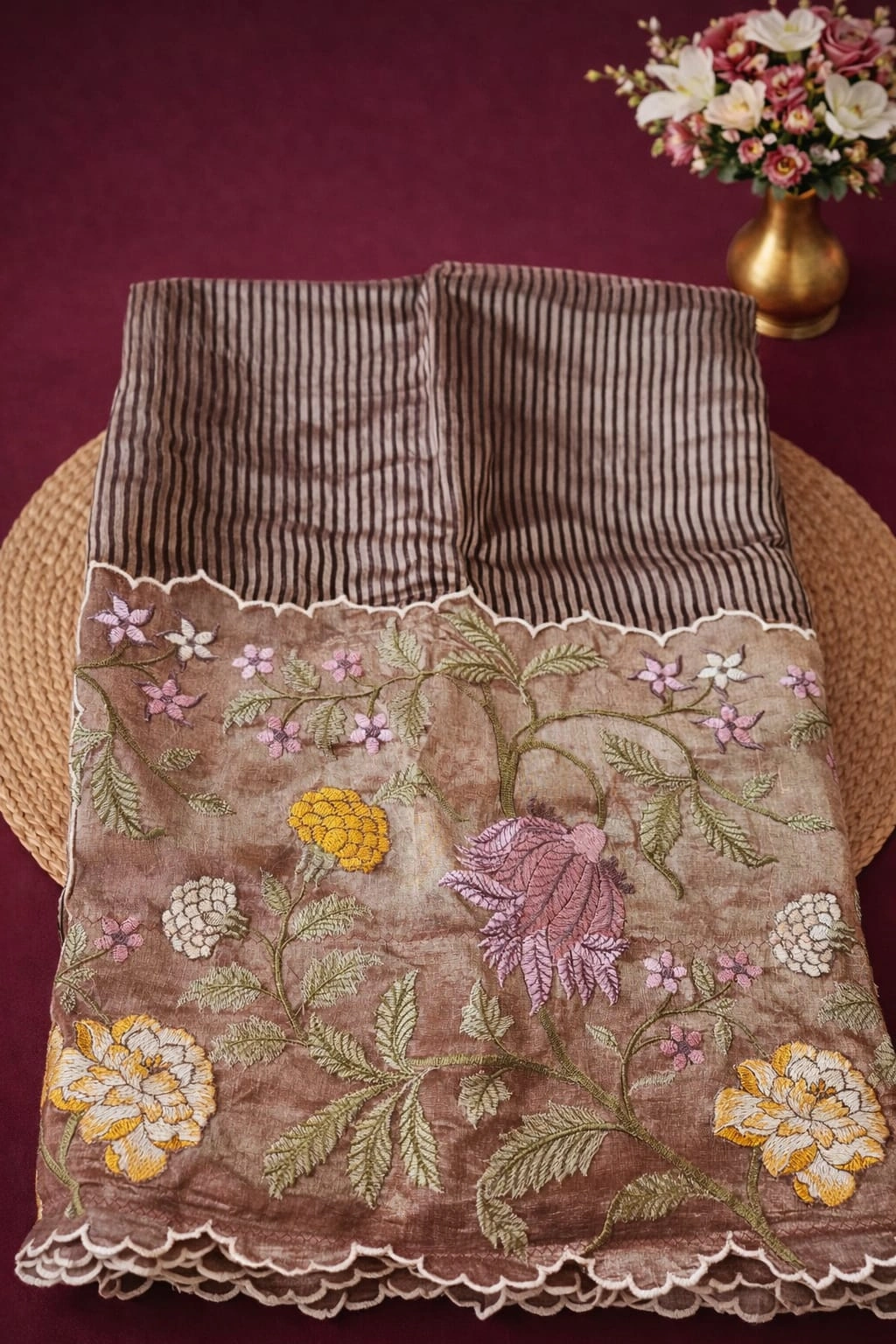
Why Banarasi Kora Tissue is Ideal for Housewarming Pujas
Banarasi kora tissue sarees are handwoven in Varanasi, a city revered for centuries as the heart of Indian textile artistry. These sarees use a blend of silk and finely spun organza (kora), giving them a lightweight feel and distinct, luminous sheen—a hallmark of celebration in North Indian culture. The delicate zari motifs, often inspired by Mughal gardens or temple architecture, are considered auspicious and lend a sense of occasion to any puja or griha pravesh event.
- Lightweight luxury: Kora tissue is airy and comfortable, ideal for moving between rituals and hosting guests.
- Regal sheen: The subtle golden shimmer looks beautiful in both natural sunlight and indoor lighting, lending radiance to your presence.
- Traditional motifs: Zari work and intricate patterns symbolize abundance, prosperity, and cultural continuity.
The Pure Banarasi Kora Tissue Saree for Weddings & Festive Wear (price confirmed on inquiry) and the Elegant Banarasi Kora Tissue Wedding Saree (price confirmed on inquiry) are both excellent picks for griha pravesh, featuring soft golden hues and classic Banarasi craftsmanship. For those seeking an heirloom-worthy upgrade, the Exquisite Pure Banarasi Kora Tissue Saree - Golden Elegance (price confirmed on inquiry) offers a slightly richer zari finish and more intricate patterning—perfect if you want your look to become part of family memories and future hand-me-downs.
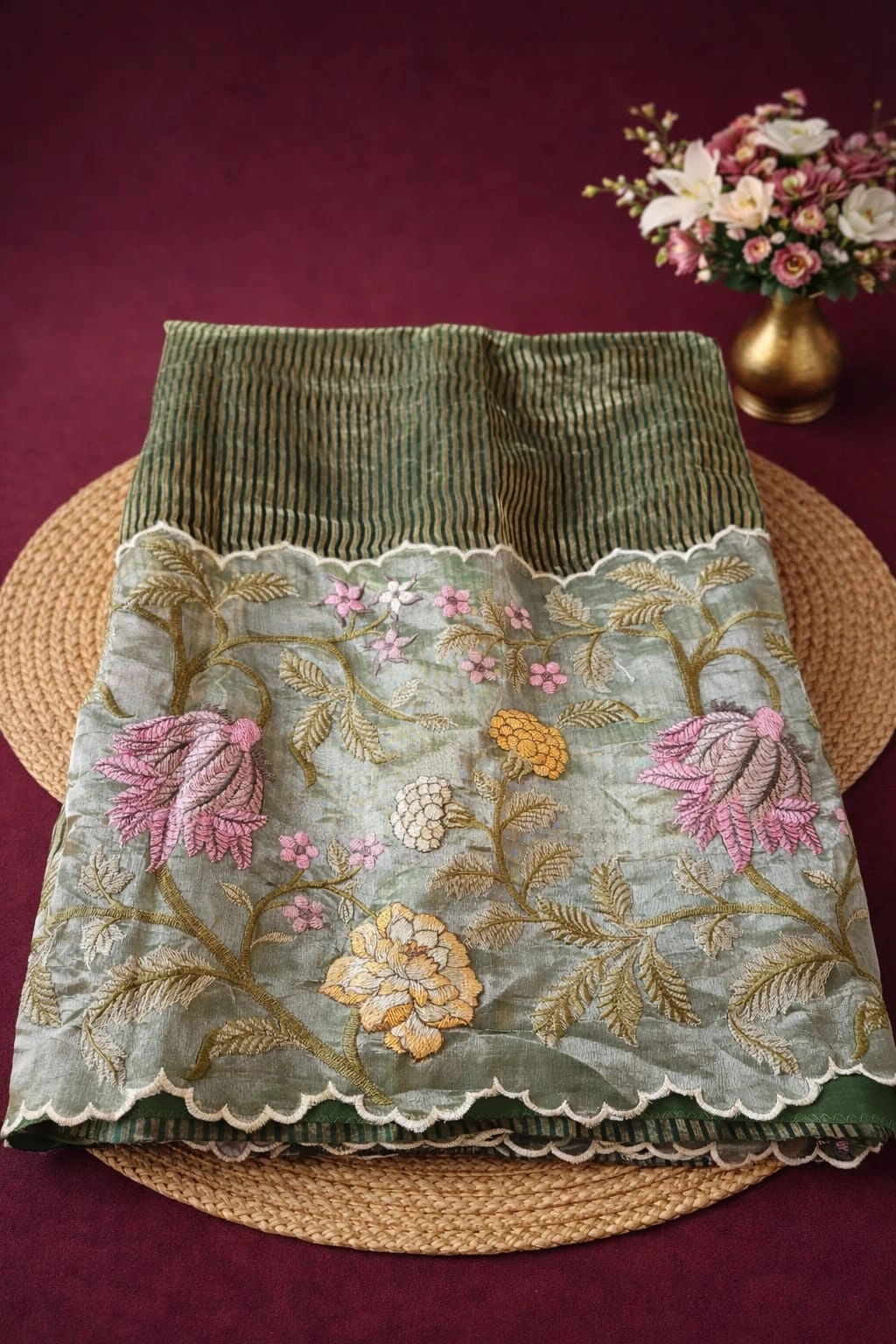
Auspicious Colors for Griha Pravesh: What Should You Choose?
Color choices for a griha pravesh outfit are more than aesthetic—they’re steeped in tradition. Gold, yellow, saffron, and red represent purity, prosperity, and joy in Hindu culture, making them ideal for housewarming pujas.
- Gold: Symbolizes wealth and spiritual illumination. The Banarasi kora tissue’s golden base aligns perfectly with the occasion.
- Yellow: Associated with knowledge and auspicious beginnings. A soft golden saree with yellow undertones bridges both symbolism and style.
- Red: The color of shakti (energy) and auspiciousness, often worn by brides and during major rituals.
Steer clear of black or muted greys for the main event, as these are considered inauspicious for religious ceremonies.
3 Ways to Style a Banarasi Kora Tissue Saree for Griha Pravesh
- Classic Host Look:
Pair your Pure Banarasi Kora Tissue Saree with a matching gold blouse in raw silk or brocade. Opt for a simple round-neck or V-neck cut, elbow sleeves, and a subtle zari border at the sleeves. Add a small gold mangalsutra, jhumkas, and a gajra in your hair—refined, not overdone. For footwear, choose block-heel mojaris or gold Kolhapuris that let you move comfortably during rituals. - Chic Guest Ensemble:
The Elegant Banarasi Kora Tissue Wedding Saree styled with a contrasting deep red or emerald green blouse brings a festive pop, especially for a guest. Drape the pallu neatly—classic Nivi style is timeless, but a Gujarati front-pallu drape is practical if you’ll be helping with serving or rituals. - Transitional Puja-to-Party Look:
If your griha pravesh flows into an evening dinner, the Exquisite Pure Banarasi Kora Tissue Saree - Golden Elegance is a statement-maker. Pair with a sleeveless gold blouse, kundan choker, and a sleek bun. Add a metallic clutch and swap your juttis for gold kitten heels post-puja for a touch of nighttime glamour.
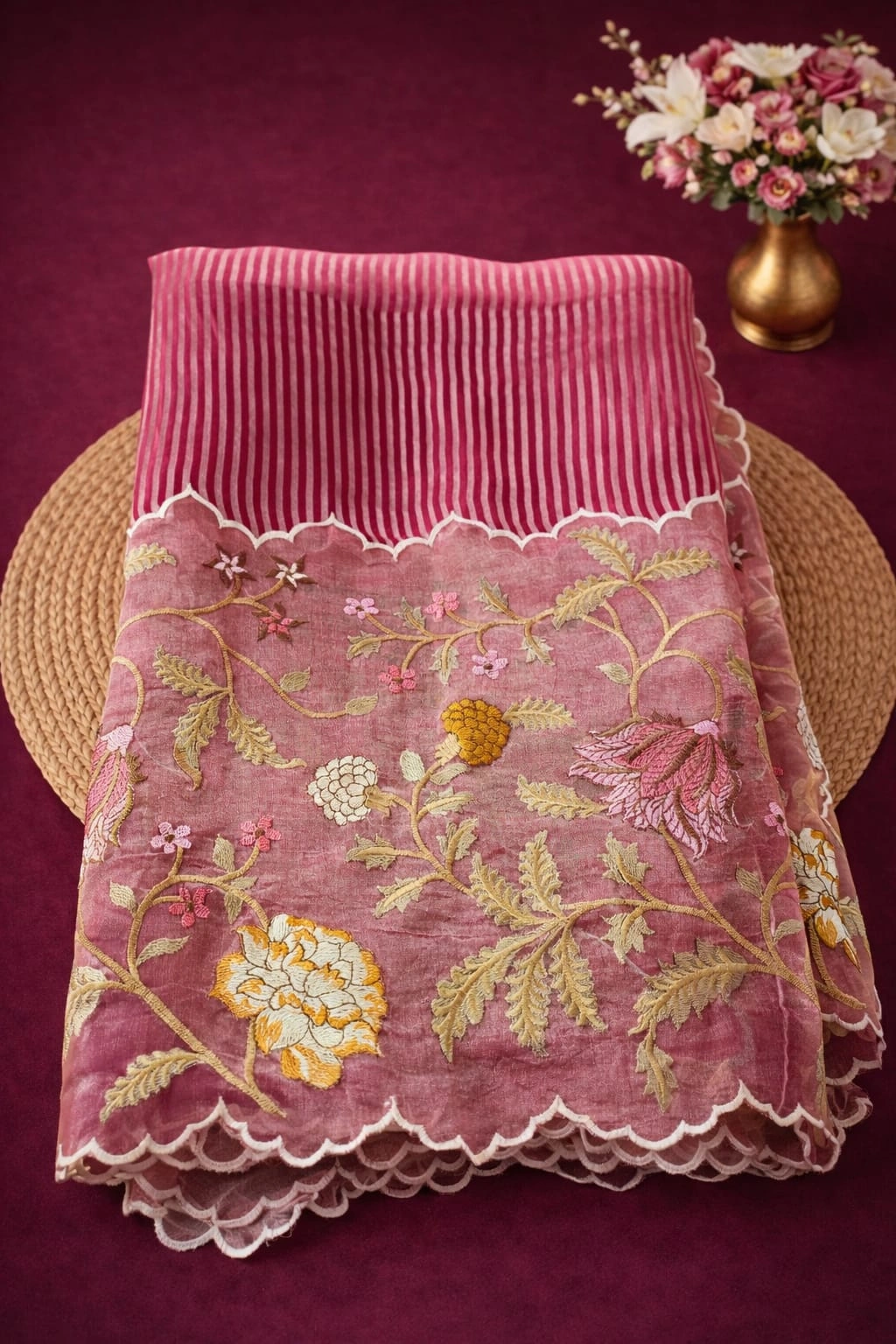
What Should You Wear to a Griha Pravesh?
For a griha pravesh, traditional Indian attire is preferred, with women often choosing silk sarees or elegant salwar sets in auspicious colors. A Banarasi kora tissue saree—lightweight, gold-toned, and adorned with zari—is ideal for both hosts and guests, balancing comfort and cultural significance during the puja and celebrations.
Banarasi vs Other Traditional Sarees for Housewarming: A Quick Comparison
| Saree Type | Weight | Sheen | Best For |
|---|---|---|---|
| Banarasi Kora Tissue | Light | High | Puja, Housewarming |
| Kanjivaram Silk | Medium-Heavy | High | Weddings, Grand Events |
| Chanderi Silk | Very Light | Soft | Daytime Pujas |
| Cotton | Very Light | Low | Casual Gatherings |
Banarasi kora tissue strikes a balance—opulent but easy to wear through a day of rituals and socializing.
Dressing for Your Role: Host vs Guest at a Daytime Home Puja
Hosts: As the lady of the house, choose a saree with auspicious color, intricate pattern, and a comfortable drape. Banarasi kora tissue works beautifully—its sheen and lightweight texture make it practical for moving between the havan, kitchen, and guests. Keep jewelry understated—think one statement piece (a gold necklace or antique jhumkas) and fresh flowers in your hair. Avoid heavy layers or elaborate trailing pallus that could disrupt rituals.
Guests: Soft gold, yellow, or pastel Banarasi sarees signal respect for the occasion without overshadowing the host. Pair with a simple blouse, mid-sized earrings, and a small potli bag. Leave cocktail clutches and stilettos for evening parties; this is about honoring tradition, not outshining it.
Practical Tips for Griha Pravesh Outfits
- Keep the pallu secure: Pin your pallu at the shoulder for ease during rituals—especially important if you’ll be circling the havan or handling offerings.
- Opt for skin-friendly fabrics: Banarasi kora tissue is less likely to cause overheating during indoor ceremonies than heavier silks.
- Layer discreetly: If you expect cool weather, a thin silk or cashmere shawl in a matching tone keeps the look elegant without compromising ritual appropriateness.
- Care for your saree: Dry clean only, and store in a muslin cloth to protect zari and tissue weave. Read more in our guide to choosing and preserving heirloom sarees.
FAQs: Griha Pravesh Housewarming Outfits
Q1: What should you wear to a griha pravesh?
For a griha pravesh, women traditionally wear silk sarees—especially in gold, yellow, or red. Banarasi kora tissue sarees are popular because they’re both festive and comfortable, allowing for movement during rituals. Pair with gold jewelry and subtle makeup for a balanced look.
Q2: What color is auspicious for a housewarming puja?
Gold, yellow, and red are considered auspicious colors for housewarming pujas in Indian culture. These hues symbolize prosperity, purity, and positivity—making them perfect for starting a new chapter in a new home. Avoid black or very dark shades for this occasion.
Q3: Should the host wear a saree for griha pravesh?
It is customary for the host, especially women, to wear a saree for griha pravesh. A traditional silk or Banarasi saree in an auspicious color like gold or yellow reflects respect for the ritual and sets a celebratory tone for the gathering.
Q4: Is traditional wear required for a housewarming?
While not mandatory, traditional wear is highly encouraged for a griha pravesh puja. It shows cultural respect and enhances the spiritual ambiance of the ceremony. Sarees, salwars, or ethnic sets in auspicious colors are preferred for both hosts and guests.
Accessory Guide: Jewelry, Blouses, and Footwear for Puja Looks
- Jewelry: Stick to gold or temple jewelry; a delicate maang tikka or a simple pearl set can be meaningful without being overwhelming.
- Blouse: Raw silk, brocade, or plain golden blouses with minimal embroidery work well. If you want a modern touch, try a subtle open-back or keyhole neckline.
- Footwear: Embroidered mojaris, Kolhapuris, or kitten-heel sandals are both traditional and practical for indoor rituals.
For a complete look, explore our Sarees category for puja-ready styles and see how gifting a saree fits perfectly with the spirit of moving to a new home in our post on saree gifting.
Shop the Collection
Ready to honor your new beginnings with timeless style? Discover the Pure Banarasi Kora Tissue Saree, the Elegant Banarasi Kora Tissue Wedding Saree, and the Exquisite Pure Banarasi Kora Tissue Saree - Golden Elegance at Swathi Design. Or browse our full collection for more saree and accessory inspiration. For personalized advice, reach out via WhatsApp for styling help—our California-based team is here to help you find a look that’s truly yours.
From my desk to your home, wishing you auspicious new beginnings and effortless style—every time you drape a saree that feels like home.
Featured in this guide
Part of the Kanjivaram & Banarasi Silk Sarees guide collection.
Related guides
- Timeless Elegance: Handwoven Chanderi & Banarasi Silk Sarees for Every Special Occasion
- Celebrate Timeless Elegance with Luxurious Raw Mango Silk and Banarasi Sarees
- Timeless Elegance Redefined: The Latest Handwoven Banarasi & Kanchipuram Sarees for Every Celebration
- Discover the Timeless Beauty of Banarasi and Mangalagiri Silk Sarees
- Timeless Elegance: Explore the Artistry of Pure Zari and Banarasi Tissue Sarees