How to Choose an Heirloom Saree Gift to Pass Down
Not all sarees become heirlooms—true investment gifts are woven with skill, heritage, and pure silk. Priya Menon explains the markers of a genuine heirloom saree gift to pass down, with expert tips on authenticity, care, and selecting pieces like Swathi Design’s pure Chanderi pattu silks that can be cherished for generations.
Why Choose an Heirloom Saree Gift to Pass Down?
Heirloom saree gifts to pass down carry meaning far beyond fabric—they preserve family stories, culture, and the artistry of India’s greatest weaving traditions. A well-chosen handloom silk saree, selected and cared for with intention, becomes a generational symbol of love and heritage. For Indian-American women seeking a true investment saree gift, understanding what sets an heirloom apart is the first step.
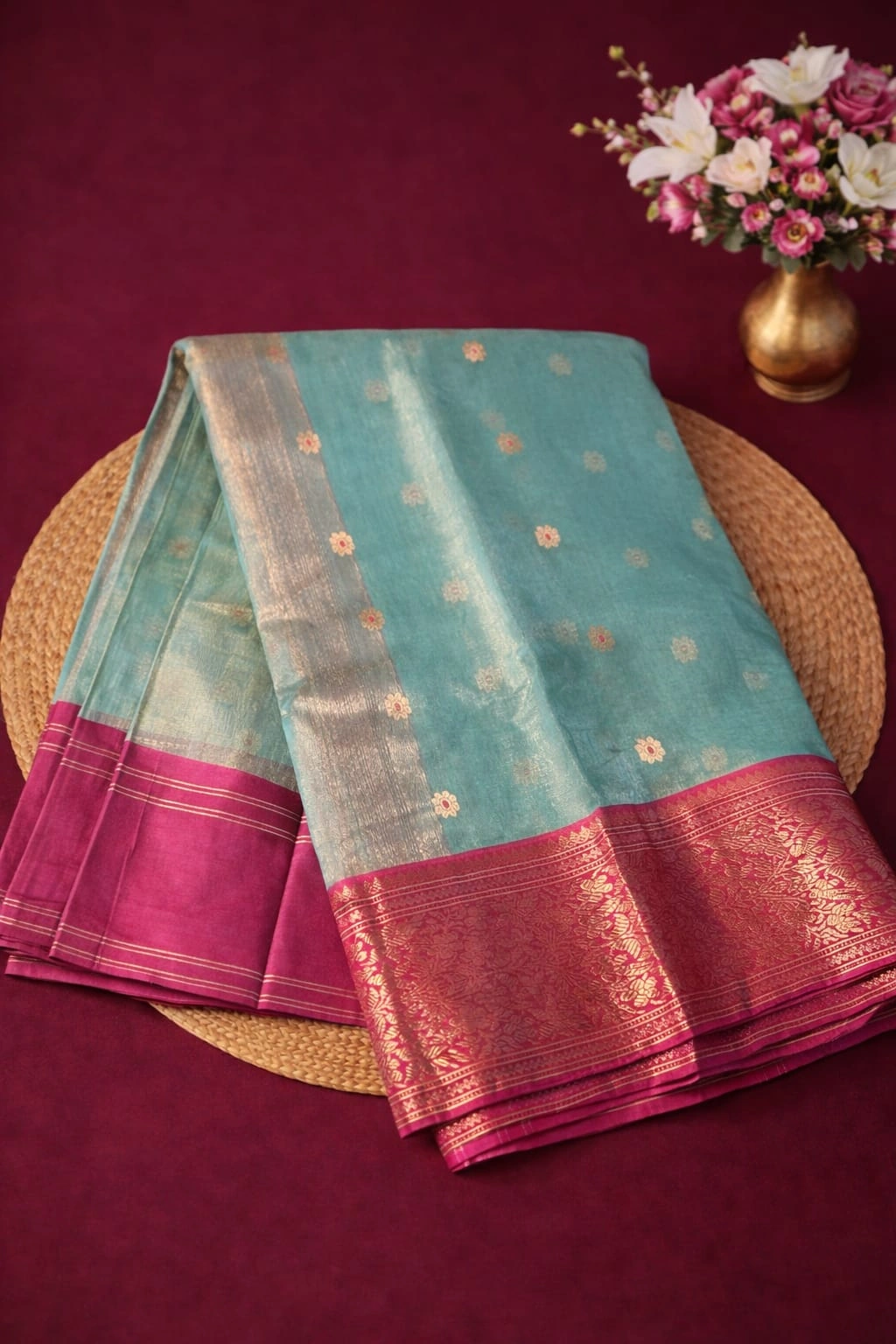
The Origin: Chanderi and Other Heirloom Silk Traditions
Chanderi, a historic weaving town in Madhya Pradesh, is renowned for its sheer, lustrous silk sarees known as Chanderi pattu. For centuries, Chanderi’s Muslim and Hindu artisan families have refined a weaving technique that marries fine mulberry silk warp with cotton or silk weft, producing a translucent, feather-light drape. Genuine Chanderi pattu sarees—like the Pure Chanderi Pattu Silk Saree and Handwoven Luxury for Weddings & Celebrations from Swathi Design—feature intricate motifs inspired by Mughal architecture, flora, and temple art. Other classic heirloom silks include Kanjivaram sarees (Tamil Nadu), Banarasi (Uttar Pradesh), and Bhagalpuri tussar (Bihar), each with distinctive weaving signatures and protected Geographical Indication (GI) status.
What is an Heirloom Saree?
Definition Snippet: An heirloom saree is a handwoven silk or cotton saree crafted with pure fibers, traditional techniques, and durable weaving, designed to be cherished and passed down through generations as a symbol of family heritage and artisanal craftsmanship.
Heirloom sarees are not simply old or expensive—they are defined by authenticity, weave integrity, and the use of pure materials. They often feature handwoven zari (gold or silver thread) borders, classic motifs, and a finish that stands the test of time. Whether it’s a Kanjivaram with temple borders or a Chanderi pattu with translucent body and intricate butis, true heirlooms are always handloom-woven and traceable to a skilled artisan community.
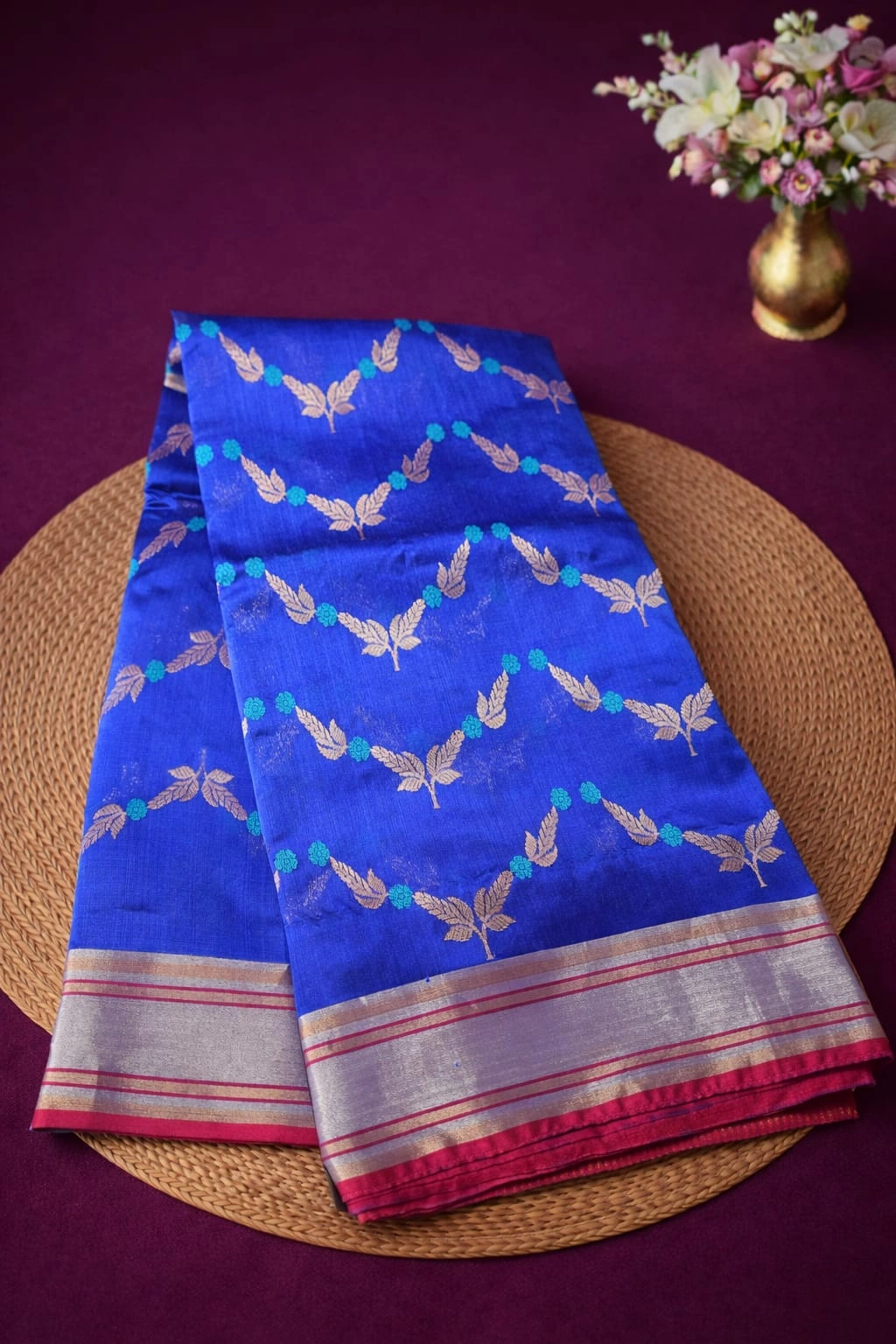
How to Spot an Authentic Heirloom Silk Saree
Choosing a saree to pass down generations requires attention to detail. Here is a quick checklist to help you identify and invest in a truly authentic handloom silk heirloom:
- Handloom vs Power-loom: Look for subtle irregularities in weave—tiny variations in motif placement or thread tension are hallmarks of handloom saris. Mass-produced power-loom sarees lack these signatures.
- Pure Zari Borders: Real zari is made from silver or gold-plated thread. Rub a bit of cotton with a drop of lemon juice on the zari—if it tarnishes slightly, it’s likely true silver zari, a marker of investment sarees. (Test discreetly on the reverse.)
- Fiber Purity: Pure mulberry silk is cool and smooth to the touch, with a soft sheen. Synthetic blends feel slippery or overly stiff. Swathi Design sources only pure Chanderi silk direct from artisan weavers.
- Motif Complexity: Traditional patterns—like peacocks, lotus, or geometric buttis—are woven, not printed. Each motif should have a slight three-dimensionality.
- Label & Provenance: Ask your retailer about the saree’s region, loom type, and the artisan group. GI tags or handloom certificates (where available) add credibility. Swathi Design works with trusted weaver collectives in Chanderi, ensuring authentic handwoven pieces.
Chanderi vs Kanjivaram vs Banarasi: Heirloom Silk Comparison
| Type | Region | Weave | Best For |
|---|---|---|---|
| Chanderi Pattu | Madhya Pradesh | Sheer silk, light zari, handwoven motifs | Multi-season, gifting, layering |
| Kanjivaram | Tamil Nadu | Heavy silk, temple borders, pure zari | Weddings, winter events |
| Banarasi | Uttar Pradesh | Fine silk, brocade, Mughal motifs | Evening, formal parties |
How Chanderi Pattu Sarees Are Made
Chanderi pattu sarees are woven on a traditional pit loom. Artisans first stretch pure mulberry silk yarn on the warp, then interlace it with fine silk (or occasionally cotton) weft. The signature transparency comes from the use of untwisted silk yarns and an open weave structure. Zari (real silver and gold-plated thread) is hand-inlaid for borders and pallu designs.
The Handwoven Indian Ethnic Wedding Wear saree from Swathi Design is a classic example: feather-light, with delicate golden zari work and traditional butis. Genuine Chanderi sarees use motifs like asharfi (coin), keri (mango), or phul-patti (floral) woven into the body. Each saree may take up to 15 days to weave, depending on complexity—a testament to the artisan’s skill and patience.
Why an Investment Saree Gift Is Worth It
List Snippet: Here’s why an heirloom silk saree is a thoughtful investment saree gift:
- Preserves family history and culture
- Handloom silks withstand decades of wear and careful storage
- Pure zari and natural fibers age beautifully, increasing vintage value
- Suitable for major occasions—weddings, naming ceremonies, milestone birthdays
- Connects generations, especially for those living far from India
Choosing a Pure Chanderi Pattu Silk Saree as a gift signals respect for craft and heritage. It’s not about price alone but about passing on something irreplaceable—woven with regional artistry and the story of its maker.
Which Sarees Can Be Passed Down for Generations?
Only sarees made from pure silk (such as Chanderi, Kanjivaram, or Banarasi), traditional weaving, and real zari are suitable for passing down as heirlooms. These investment saree gifts retain structure, color, and value when cared for, unlike mass-market blends or printed versions. Handloom sarees with classic patterns and durable construction—like those from Swathi Design—are the best candidates for generational gifting.
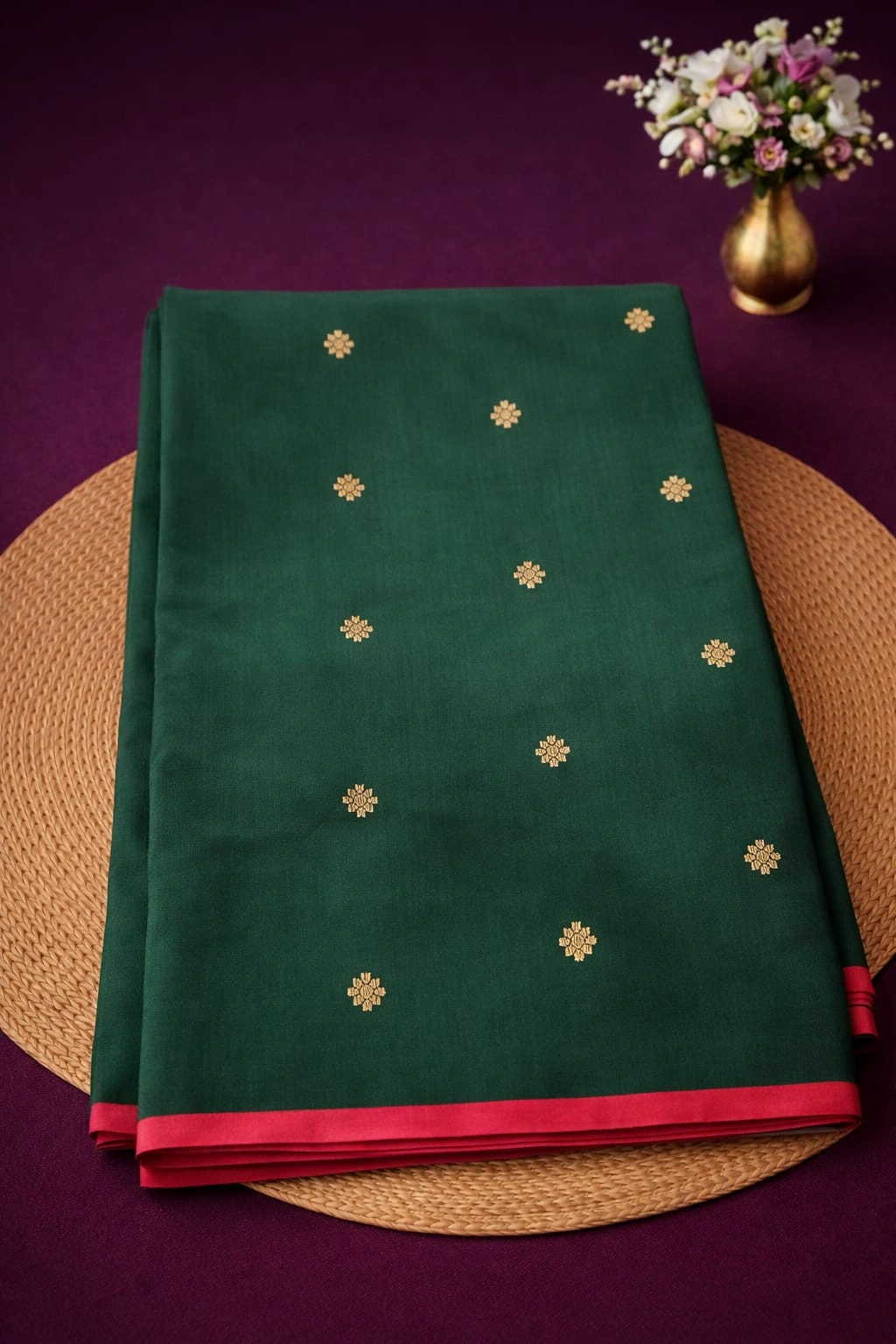
Styling an Heirloom Saree for Modern Occasions
Heirloom silk sarees are as versatile as they are elegant. For classic Indian weddings, pair your Chanderi pattu with antique gold jewelry, a silk blouse, and a traditional gajra. For festive gatherings or cocktail parties, style it with a sleeveless blouse, modern earrings, or even a belt for a contemporary twist.
- Choose statement jewelry for evening events
- Layer with a Banarasi or Kanjivaram dupatta for winter (see our Winter Silk Saree Edit)
- Opt for comfortable footwear—see our Occasion-Wise Footwear Guide
- For gifting, include a handwritten note on the saree’s region and weaving style
The Handwoven Luxury for Weddings & Celebrations saree, with its subtle sheen and soft drape, is perfect for both formal and semi-formal gatherings.
How Do You Preserve a Gifted Silk Saree?
List Snippet: To preserve a gifted silk saree for generations, follow these steps:
- Dry clean only—never wash by hand or machine
- Fold with acid-free tissue paper to prevent creasing and color transfer
- Store in a cool, dry place away from direct sunlight
- Refold every 6-12 months to avoid permanent creases
- Avoid hanging heavy silks for long periods; this can distort the weave
- Keep away from perfumes and mothballs (these can damage silk fibers)
This ensures your heirloom silk saree—whether Chanderi, Banarasi, or Kanjivaram—remains vibrant and structurally sound for the next generation. Learn more in our post on restoring yellowed silks and safe storage.
A Simple Authenticity Test for Heirloom Silk
Every heirloom silk saree should pass a basic authenticity check. Rub the silk gently between your fingers—real silk feels cool to the touch and quickly warms, while synthetics do not. For pure zari, scrape a tiny hidden section with a pin; real zari reveals a reddish core (copper or silver), while imitation zari is plastic or white thread.
Is Pure Zari Worth It for an Heirloom Gift?
Pure zari, made from silver or gold-plated copper, is highly valued for its durability and patina. While costlier than imitation, pure zari retains luster over decades—a key reason why investment saree gifts with real zari (like Swathi Design’s Chanderi silks) remain prized family heirlooms. For gifting, pure zari is always worth the investment.
Care Instructions and Preservation Tips
Heirloom sarees require thoughtful care. Always dry clean—water and detergent can strip silk’s natural proteins and fade zari. Store folded in muslin or acid-free tissue. Every few months, unfold and air the saree out of direct sun. Never use naphthalene balls; instead, a sprig of dried neem or lavender deters insects safely.
Non-obvious tip: Place a piece of unbleached cotton fabric between zari borders when folding—this prevents the metallic threads from catching or oxidizing.
What Makes a Saree an Heirloom?
A saree becomes an heirloom when it is made from pure materials, handwoven by skilled artisans, and cared for over years so its beauty and craftsmanship endure. Motifs, region, and real zari add historic value, but family stories and occasions worn matter too. A saree gifted with intention—and preserved with care—can connect generations.
Cultural Significance of Heirloom Saree Gifts
Across India, gifting a silk saree marks major life events: weddings, first festivals, milestone birthdays, or welcoming a new family member. In South India, a Kanjivaram or Chanderi is given to a bride to symbolize prosperity, continuity, and maternal blessings. For the Indian-American diaspora, an heirloom silk saree bridges continents, preserving not just a fabric but the rituals and artistry of home.
Swathi Design’s Chanderi sarees embody this spirit—each piece is not only a garment, but a legacy, ready to be worn at special occasions or displayed as a family treasure. For practical gifting notes, read our guide on why saree size won’t trip you up.
Heirloom Saree Gift FAQ
Q1: Which sarees can be passed down for generations?
Sarees made from pure silk (Chanderi, Kanjivaram, Banarasi) and handwoven with real zari are best for passing down. Avoid synthetic or heavily printed sarees, which may not last or retain value. Handloom sarees with classic designs and natural fibers are ideal heirloom gifts.
Q2: What makes a saree an heirloom?
An heirloom saree is defined by artisan handweaving, pure fibers (silk or cotton), real zari, and classic motifs. Its provenance, durability, and family significance—combined with proper care—make it worthy to pass down.
Q3: How do you preserve a gifted silk saree?
Preserve a silk saree by dry cleaning, folding with acid-free tissue, storing in cool, dry conditions, and refolding regularly. Keep away from direct sunlight, moisture, and chemicals to ensure longevity.
Q4: Is pure zari worth it for an heirloom gift?
Pure zari’s durability and authentic luster make it worthwhile for heirloom gifting. It withstands decades of careful use and accumulates a beautiful patina, unlike imitation zari which deteriorates.
Shop the Collection
Ready to select an heirloom saree gift to pass down? Explore the Sarees category or browse our full collection of handwoven silks. For personalized advice or price confirmation, Swathi Design offers WhatsApp styling help and flat-rate US shipping—making gifting an investment saree effortless and meaningful.
Featured in this guide
Part of the Handwoven Silks: Chanderi, Tussar & Raw Mango guide collection.
Related guides
- Elevate Every Occasion: Handcrafted Indian Gowns & Frocks for Modern Celebrations in the USA
- Elevate Every Occasion: Pure Chanderi Pattu Silk Sarees for Indian-Americans in the USA
- Exquisite Russian Crape Silk Saree: Timeless Elegance for Every Occasion
- Luxurious Pure Russian Crape Saree: Timeless Elegance for Every Occasion
- Elevate Your Festive Wardrobe with Exquisite Handwoven Chanderi Sarees and Anarkali Dresses