What to Wear: Sari Choices for a US Courthouse Wedding vs Temple Wedding
Planning both a courthouse and traditional temple wedding in the US? Here’s a clear, practical guide to choosing your sari — from color symbolism to fabric weight, and how to style each occasion beautifully. Find out how to balance comfort, tradition, and elegance with expert picks from Swathi Design’s Banarasi Kora Tissue collection.
What to Wear Courthouse Wedding vs Temple Wedding: The Essential Comparison
If you’re an Indian-American bride orchestrating both a civil (courthouse) and a traditional temple wedding in the US, you’re likely asking: what to wear to each, and can a single sari work for both? Here’s your direct answer: choose your sari based on the occasion’s formality, fabric comfort, and color symbolism. For a courthouse wedding, lighter, understated sarees in soft gold or pastel tissue are perfect. For a temple wedding, opt for more traditional weaves and auspicious colors, but the right Banarasi Kora Tissue saree can beautifully bridge both events if styled thoughtfully.
| Aspect | Courthouse Wedding | Temple Wedding |
|---|---|---|
| Formality | Minimal, elegant | Traditional, grand |
| Recommended Fabric | Lightweight tissue, subtle zari | Kanjivaram silk, Banarasi tissue with zari |
| Color Symbolism | Pale gold, cream, blush, soft hues | Red, gold, auspicious brights |
| Jewelry | Minimal, contemporary | Traditional gold, temple jewelry |
| Reuse Potential | High — can re-style for parties | High — can re-style for festivals |
Why Choose Banarasi Kora Tissue for Both Weddings?
Banarasi Kora Tissue sarees are handwoven masterpieces from Varanasi, blending featherlight kora (organza) yarn with shimmering tissue threads and intricate zari. Traditionally, Banarasi saris have been prized for their regal motifs and ceremonial presence. The kora tissue variant offers all the grandeur, but with a breathable drape and subtle sheen—making it uniquely suited for both a dignified courthouse ceremony and a vibrant temple wedding.
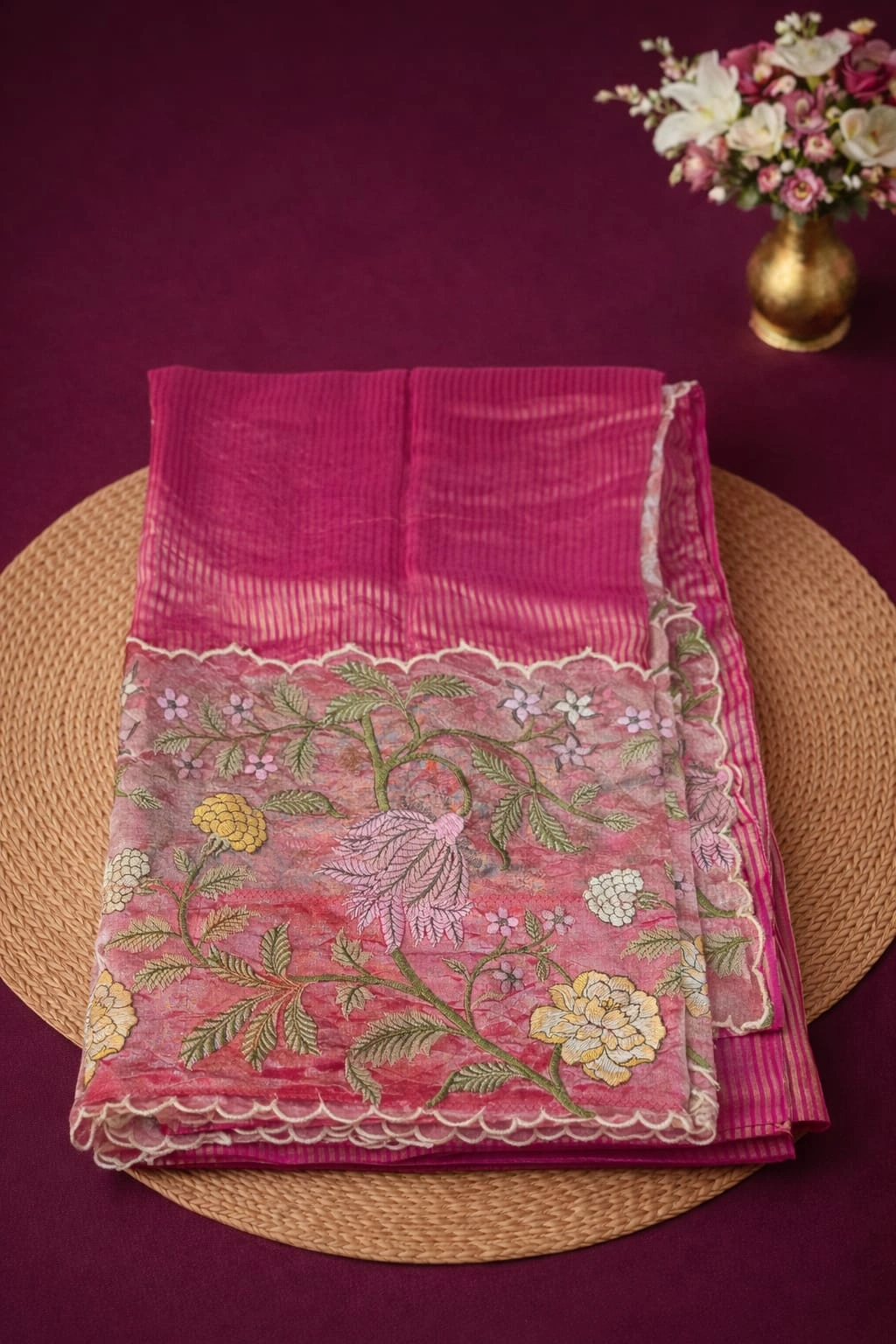
- Lightweight: Easy to wear all day, even across multiple events.
- Lustrous finish: Sophisticated enough for formal photos, but never flashy.
- Intricate zari and motifs: Honors tradition without feeling heavy or old-fashioned.
- Versatile palette: Soft golds and gentle hues complement both Western and Indian settings.
Swathi Design collaborates directly with Banaras artisans, ensuring authenticity and quality. Their Elegant Pure Banarasi Kora Tissue Saree with Lustrous Finish (price confirmed on inquiry) is a prime example: lightweight, shimmering, and finished with handwoven zari work—perfect for modern Indian-American brides.
What is a Courthouse Wedding Sari?
A courthouse wedding sari is a lightweight, elegant saree chosen for civil ceremonies in non-religious settings. It typically features subtle colors like cream, blush, or pale gold and minimal embellishments, balancing tradition with contemporary style. Comfort, ease of movement, and understated elegance are key, making kora tissue and soft Banarasi weaves ideal choices.
Styling Your Courthouse Ceremony: Practical Elegance
For a registry or civil wedding in the US, comfort and subtlety are your friends. Most county courthouses are simple, modern spaces. You may be navigating stairs, waiting rooms, or city streets. Here’s a stress-free plan for Indian-American brides and guests:
- Choose lightweight fabrics: Banarasi Kora Tissue drapes easily and won’t overheat, even under a blazer or with a wool shawl if it’s winter.
- Opt for soft gold or blush: These hues look radiant in natural light, photograph beautifully, and blend seamlessly with both Indian and Western accessories.
- Keep jewelry minimal: A delicate gold chain, pearl studs, or a single bangle feels polished but not out of place.
- Blouse tip: For a contemporary edge, try a sleeveless or boat-neck blouse in a matching or contrasting soft tone. Our guide on choosing blouse fabrics can help you pick a breathable option for all-day comfort.
- Shoe strategy: Closed-toe pumps or block-heeled sandals work well—no need for heavy juttis or stilettos.
- Reuse strategy: The same saree can be re-draped and paired with statement jewelry for festive parties or Diwali next year.
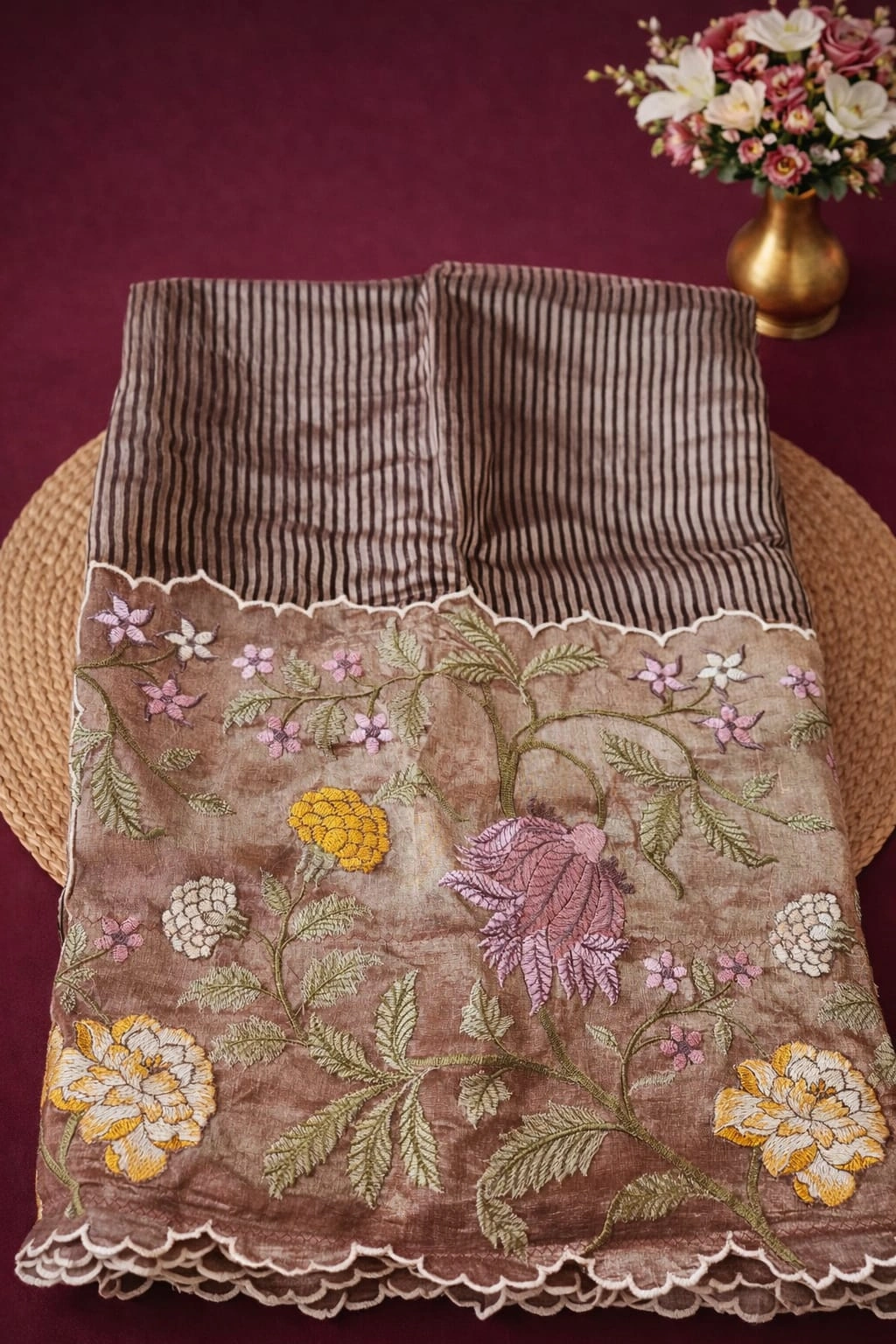
Product spotlight: The Pure Banarasi Kora Tissue Saree for Weddings & Festive Wear ($155) in golden tones is a versatile pick. Its shimmering but subtle texture reads elegant, not ostentatious—ideal for registry photos and easy to style up or down.
Temple Wedding Attire: Tradition, Color, and Craftsmanship
Temple weddings in the US often recreate the grandeur and rituals of India, but with logistical constraints—temples may have dress codes, and space can be limited. Here’s how to honor tradition, respect temple etiquette, and still feel beautiful, even as a guest:
- Opt for traditional motifs: Banarasi tissue sarees with paisleys, lotuses, or floral jaal are appropriate for most temples.
- Color matters: Red, gold, saffron, and deep jewel tones are considered auspicious. For South Indian temples, red-gold or yellow saris are especially favored, while North Indian traditions may allow softer golds or even pinks.
- Jewelry up: This is your moment for temple gold, antique finish pieces, or even a bold choker. Don’t shy away from layering if you’re the bride or close family.
- Pallu etiquette: Covering the head with the pallu is often required for rituals; kora tissue holds its shape, making this easy.
- Footwear tip: Slip-on sandals or open-back flats are practical, as most temples require shoes off.
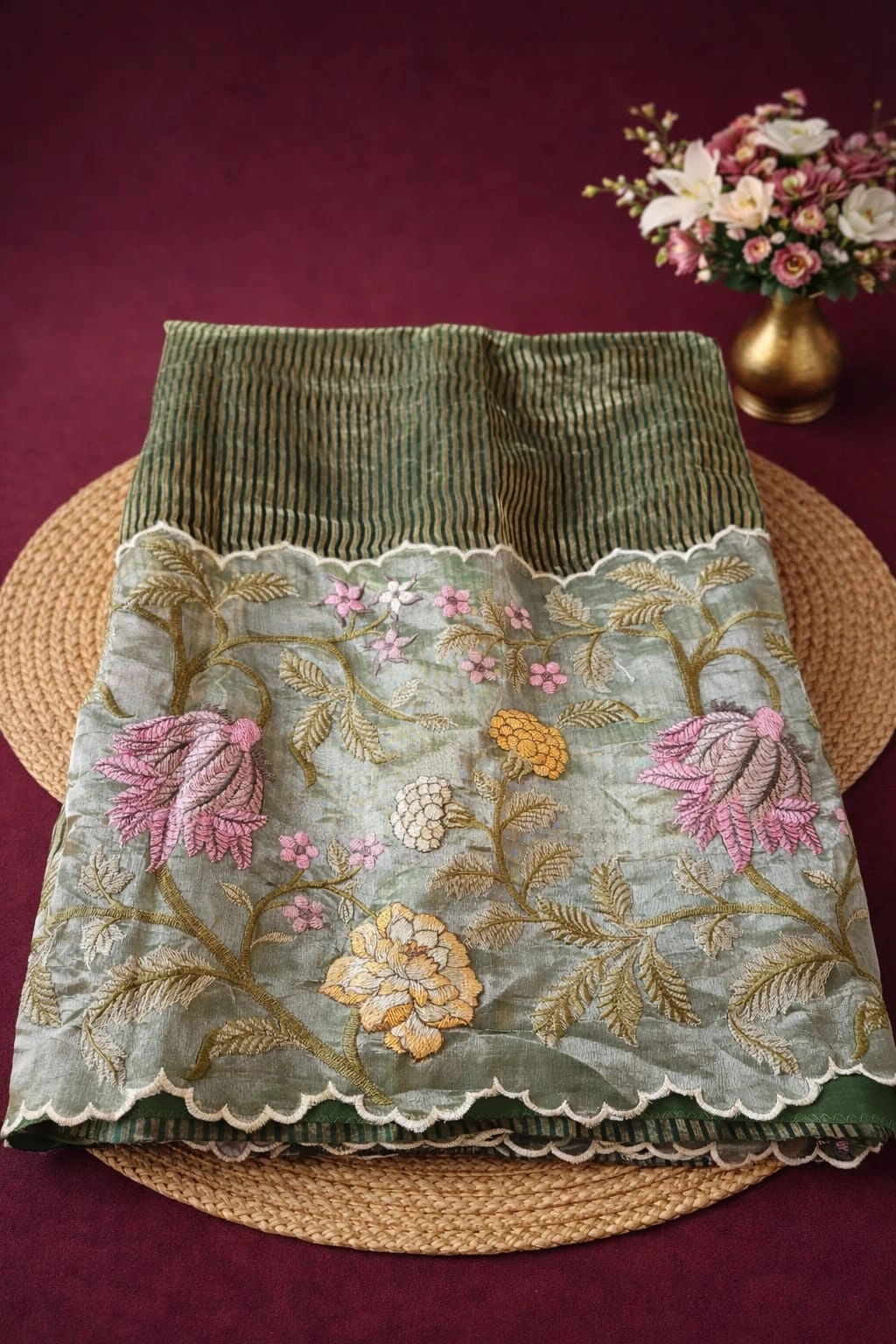
The Elegant Banarasi Kora Tissue Wedding Saree (price confirmed on inquiry) in soft golden shades provides the right balance: it’s rich and traditional but won’t weigh you down during extended rituals. Pair it with a classic gold blouse and temple jewelry for a regal effect.
Do’s & Don’ts for Two-Ceremony Weddings
- Do: Pick a saree with a versatile base shade (like gold or cream) — it’s easy to accessorize up or down for both ceremonies.
- Do: Invest in quality handwoven pieces; Banarasi tissue is both durable and timeless.
- Don’t: Wear bright red to a courthouse unless you’re aiming for maximum drama. Save it for the temple or evening events.
- Don’t: Skip dry cleaning—tissue sarees hold their sheen best with professional care.
- Do: Consider your hair and makeup: understated for court, classic or bold for the temple. See our hairstyle ideas for sarees.
Can You Wear the Same Sari to Both Ceremonies?
Yes, with thoughtful styling, a high-quality Banarasi Kora Tissue saree in soft gold or blush can work beautifully for both a courthouse and a temple wedding. Use minimal accessories and a contemporary blouse for the civil ceremony, then switch to traditional jewelry, a classic blouse, and a more elaborate drape for the temple. This approach saves both budget and suitcase space, while letting you honor both settings authentically.
Mixing Modern and Traditional: Real-Life Styling Scenarios
Let’s map out a sample weekend for an Indian-American bride or guest with three key events:
- Friday (Courthouse): Elegant Pure Banarasi Kora Tissue Saree with Lustrous Finish in soft gold, paired with nude pumps, a sleeveless blouse, and pearl drops. Minimal makeup, loose hair.
- Saturday (Temple Wedding): Same saree, but with a traditional elbow-sleeve gold blouse, temple jewelry, bindi, and gajra. Hair in a low bun, pallu over head. Add a statement clutch.
- Sunday (Reception): Reuse the saree with a metallic blouse and bold earrings, or swap for a jewel-toned tissue saree if you want a different look. Layer with a sheer shawl for evening chill.
Tip: If you’re a frequent guest, a Banarasi tissue saree in soft gold transitions seamlessly from day to evening, temple to party—just swap your blouse and accessories.
FAQ: What to Wear Courthouse Wedding vs Temple Wedding
Q1: What should I wear to a courthouse wedding as an Indian bride?
For a courthouse wedding, Indian brides often choose lightweight, understated sarees in soft gold, cream, or blush. Banarasi Kora Tissue sarees are ideal—they’re elegant, easy to drape, and comfortable for long days. Pair with minimal jewelry and a contemporary blouse for a refined, sophisticated look that honors tradition without overwhelming the setting.
Q2: Is a silk sari appropriate for a temple wedding?
Yes, silk sarees—especially Kanjivaram or Banarasi weaves—are highly appropriate and traditional for temple weddings. Their rich texture, intricate motifs, and auspicious colors embody the cultural and spiritual significance of the ceremony, making them a preferred choice for brides and close family members.
Q3: What color sari is traditional for a temple wedding?
Red and gold are the most traditional sari colors for temple weddings, symbolizing prosperity and auspiciousness in Indian culture. In South Indian temples, yellow or saffron is also favored. Soft gold Banarasi tissue sarees are increasingly popular for a modern yet traditional take, especially in the US context.
Q4: Can I wear the same sari to both my civil and religious ceremony?
Yes, a versatile Banarasi Kora Tissue saree in a neutral or gold shade can be styled for both civil and temple weddings. Use minimal, modern accessories for the civil event and add traditional jewelry and blouse for the temple. This approach balances budget, sentiment, and style.
Non-Obvious Tips for Indian-American Brides
- Check temple rules on colors and sleeve length: Some US temples require covered shoulders or specific colors for rituals. Always confirm before finalizing your blouse design.
- Plan for photo consistency: If you want a consistent look across both ceremonies for an album, select a saree that flatters in both indoor (courthouse) and natural (temple) light. Banarasi tissue’s sheen works well in both.
- Bring a backup petticoat: For long days and multiple events, keep an extra petticoat handy. Tissue sarees can be slightly sheer; a gold-toned slip works for both occasions.
- Pack a safety pin kit: Banarasi tissue is delicate—pins help keep pleats crisp through hours of movement and hugs.
- Get concierge price confirmation from Swathi Design: If you need to confirm your budget, contact their WhatsApp styling help for prompt answers.
Shop the Collection
Ready to choose your perfect saree for a courthouse or temple wedding in the US? Explore Swathi Design’s curated Banarasi Kora Tissue selection, including the Elegant Pure Banarasi Kora Tissue Saree with Lustrous Finish, Pure Banarasi Kora Tissue Saree for Weddings & Festive Wear, and Elegant Banarasi Kora Tissue Wedding Saree — or browse all sarees for more inspiration. Swathi Design offers flat-rate US shipping, a 48-hour video policy for damaged items, and direct access to WhatsApp styling support. Make your wedding moments memorable, practical, and truly your own.
Find more style and care tips for your saree collection in our guides on blouse fabric selection and festive color trends for 2026.
Featured in this guide
Part of the Indian Wedding & Festive Dressing guide collection.
Related guides
- Chanderi Silk Suits in USA: Embrace Ethnic Grace for Weddings & Festive Occasions
- Elevate Your Festive Wardrobe: Stunning Indian Dresses for US Weddings & Celebrations
- Celebrate Indian Heritage in the USA: Pure Silk Gowns for Weddings & Festive Glamour
- Elevate Your Wedding Look with Exquisite Pure Banarasi Kora Tissue Sarees
- Timeless Elegance: Discover the Pure Banarasi Kora Tissue Saree Collection for Weddings & Festivals