What to Check When a Saree Arrives
Inspect for weaving defects, verify measurements, test colourfastness, and document every detail: here's a textile specialist’s step-by-step on what to check when a saree arrives, why it matters, and how to ensure a smooth, regret-free unboxing. Learn how these first-hour habits protect your investment and peace of mind.
Before You Start: Why the First Hour Matters
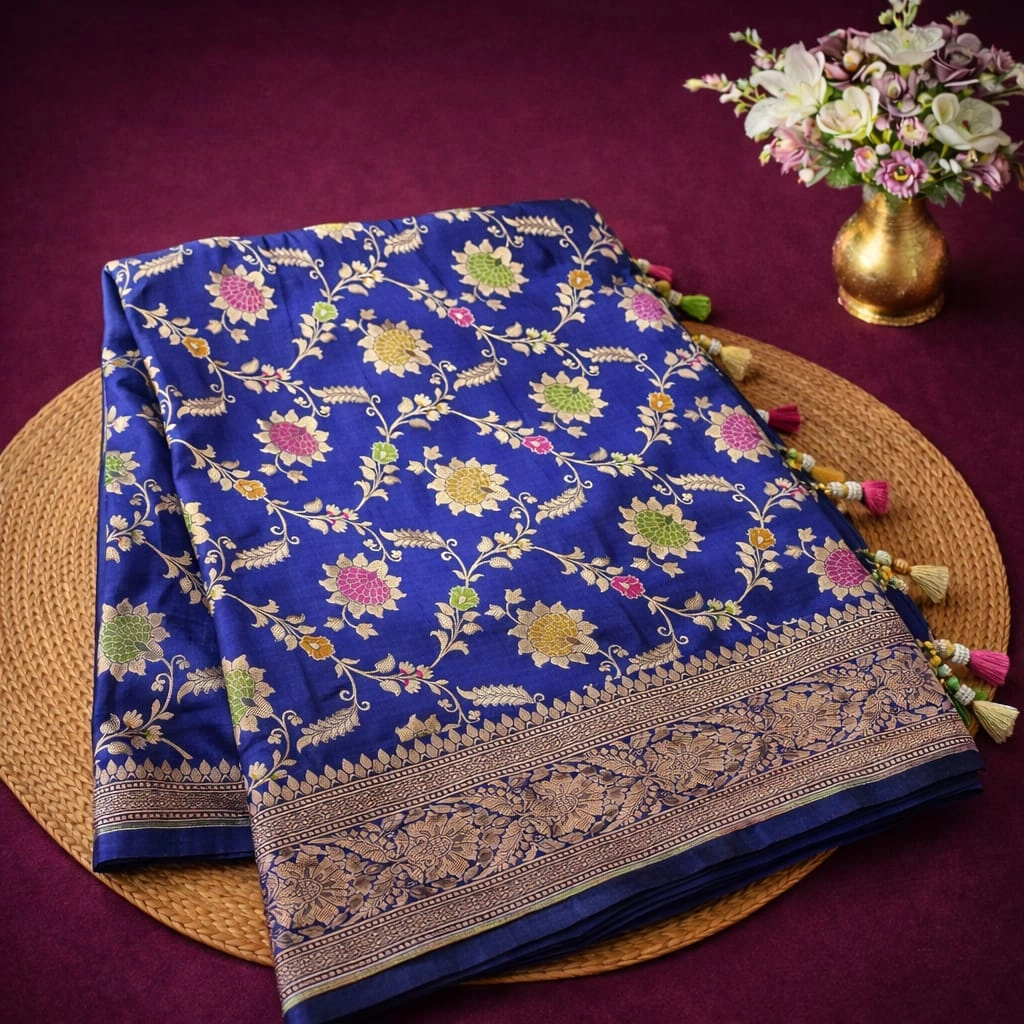
When a new saree arrives, your first sixty minutes can prevent months of disappointment. From verifying authentic craftsmanship to checking for weaving defects and confirming measurements, the first-hour checklist is your best guard against buyer’s regret and return disputes. As a textile specialist, I see the same small oversights again and again. Whether it’s a Pure Banarasi Katan Silk Saree with Meenakari Weaving, a hand-embroidered gown, or a cotton kurti set, the principles are the same. This guide explains exactly what to check when a saree arrives—step by step, with context you won’t find in most unboxing lists.
What You’ll Need
- White cotton cloth (for colourfastness test)
- Measuring tape (ideally soft/flexible)
- Camera or smartphone (for documentation)
- Good natural light
- Receipt/order confirmation for comparison
Step 1: Inspect for Weaving Defects and Artisan Character
- Unfold the saree fully—gently, without pulling. Lay it flat on a clean surface.
- Scan the body, pallu, and borders for loose threads, snags, holes, or skipped warp/weft lines. Small undulations or slubs can be signs of genuine handloom, especially in silks or mul cotton; uniformity can sometimes signal a power-loomed piece.
- Check the zari (if present) for tarnishing or unevenness. Authentic Banarasi sarees, like the Banarasi Katan Silk Saree, should have intricate, slightly raised patterns due to the pit loom technique and can include both gold and silver-plated threads.
- Inspect embroidery (as on the Black Silk Anarkali Gown or Sunset Ombre Mul Cotton Kurti Set) for even stitching and securely anchored threads.
Definition snippet: Weaving defect is a technical imperfection—such as a missed thread, hole, or misaligned motif—caused during the weaving process, while artisan character refers to small irregularities that signal the saree was handwoven, not mass-produced. Knowing the difference helps buyers judge quality and authenticity.
Step 2: Measure Length and Width—Do They Match What You Ordered?
- Use a soft measuring tape to measure the saree’s full length (should be 5.5–6.5 meters for most sarees; check your product listing for specifics).
- Measure the width (typically 44–48 inches for handloom silks).
- Compare against your order confirmation; note any significant discrepancies immediately.
Tip: Measurements can vary slightly (±2%), especially for handloom pieces, but major differences may indicate a supply error. For gowns and kurtis, confirm bust, waist, and length against your custom order or size chart.
Step 3: Test for Colourfastness Without Risking Damage
Colourfastness is the fabric’s resistance to bleeding or fading when exposed to moisture or washing. This is especially important for vibrant pieces like the Sunset Ombre Mul Cotton Kurti Set or any saree with rich dyes.
- Dampen a white cotton cloth with clean, cool water.
- Gently press the cloth on an inconspicuous area (like a saree corner or blouse piece) for 30 seconds.
- Check the cloth for transferred color. No transfer means good colourfastness; faint transfer is typical for some natural dyes but should be minimal.
Definition snippet: Colourfastness test is a simple method to check if a saree’s dyes will bleed or run during washing. Dampen a white cloth, press it to the fabric, and check for color transfer. This protects both your saree and any light-colored garments worn underneath.
Step 4: Photograph for Records—Reduce Disputes Later
- Photograph the saree (or garment) unboxed, laid flat, and close-ups of borders, pallu, and any areas of concern (snags, stains, loose zari, etc.).
- Include images of the product with your packing slip or order number in view if possible.
- Date-stamp your photos (most smartphones do this automatically).
Having a clear visual record protects you if you need to raise an issue within the seller’s window. Swathi Design, for example, honors a 48-hour video/photo policy for damage claims. This practice is increasingly recommended by textile boards and consumer rights groups in both the US and India.
Step 5: Know Your Return and Issue Window
- Read the seller’s policy—note exactly how long you have to report any issue (Swathi Design: 48 hours for damage claims with video proof).
- Contact customer service promptly with your documentation if you find a problem.
- Do not attempt alterations, washing, or wearing before the issue is resolved, as this may void your eligibility for return/refund.
Most premium boutiques and artisan sellers in the US require prompt notification because once a saree is worn or altered, it loses resale value. Document early, respond quickly, and save all correspondence until the issue is settled.
Step 6: Decide on Fall and Pico—Before Your Tailor Touches It
- Check if the saree arrives with fall and pico (the reinforced hem and edge finish, essential for drape and longevity).
- If not, arrange tailoring before wearing or storing—especially for pure silks and Banarasis, which fray if unfinished.
- Consult with a local tailor or ask Swathi Design’s WhatsApp concierge for referrals in your area.
Fall and pico are not just aesthetic; they protect the saree’s edge from damage over time. For handloom sarees, use matching cotton thread and request hand-finishing for authenticity.
Step 7: How to Store a New Saree Correctly
- Always store pure silk sarees (like Banarasi Katan or Kanjivaram) in a cool, dry, dark place, wrapped in a muslin or pure cotton cloth. Avoid plastic, which traps moisture.
- Keep zari (gold/silver thread) sarees away from direct sunlight and metal hangers to prevent tarnish and snags.
- For cotton kurtis and embroidered gowns, fold gently along the natural creases; store flat to avoid shoulder stretching.
- Check your sarees every 6 months for signs of moisture or pests, and refold to prevent permanent creasing.
Useful tip: Place a small packet of neem leaves or silica gel in your saree cupboard for natural pest and humidity control.
How to Spot an Authentic Banarasi Saree?
Banarasi saree is a traditional silk saree handwoven in Varanasi, Uttar Pradesh, using a pit loom and often featuring intricate zari and meenakari work. Genuine Banarasi sarees display complex patterns on both sides of the fabric, with small floats or knots visible on the reverse. They carry a Geographical Indication (GI) tag for authenticity, and the zari is typically gold-plated silver or pure silver, not synthetic metallic yarn.
- Look for the GI tag and a soft, lustrous finish (not plasticky shine).
- Check the reverse for floats—machine-made sarees have clean, uniform backs.
- Authentic Banarasi sarees often use mulberry silk and can feature meenakari (multi-color) motifs woven, not printed.
- Ask the seller for a weaving video or artisan details—Swathi Design sources directly from Varanasi weavers.
FAQ: What to Check When a Saree Arrives
Q1: What counts as a weaving defect versus character?
Weaving defects are technical flaws: missed threads, holes, broken borders, or color patches. Artisan character includes minor thread variations, slubs, or unevenness typical in handloom sarees from Varanasi or Kanchipuram. If in doubt, consult a textile specialist or refer to our saree buying guide for red flags.
Q2: How do you test for colour bleeding safely?
To test colour bleeding, dampen a white cotton cloth and firmly press it on a hidden edge of the saree for 30 seconds. Any significant color transfer signals poor dye fixation. This is especially important for ombre-dyed cottons and vibrant silks. Never soak the full saree before this test.
Q3: Should you photograph a saree on arrival?
Yes. Documenting the saree with date-stamped photos—both overall and close-up shots—protects you if you need to report a defect or dispute a delivery issue. It’s best practice for all premium purchases, as recommended by leading textile museums and consumer groups.
Q4: How quickly must a problem be reported?
Problems should be reported within the seller’s stated window—48 hours at Swathi Design. Delayed reports may void your eligibility for return, even with documentation. Always check the policy before opening, and act promptly if you spot an issue.
Comparison Table: Authentic Banarasi vs. Power-Loom Sarees
| Feature | Handloom Banarasi | Power-Loom Banarasi |
|---|---|---|
| Reverse Side | Small floats, knots visible | Smooth, uniform back |
| Zari | Gold/silver-plated, slightly raised | Often synthetic, flat patterns |
| Motifs | Intricate, crisp, woven-in | May appear printed or less distinct |
| GI Tag | Usually present | Absent |
| Price Band | Above $250 (US) | Often below $100 |
Styling Tips: From Banarasi Saree to Mul Cotton Kurti
- Banarasi Katan Silk Saree: Pair with antique jadau or kundan jewelry, a plain silk blouse, and traditional mojari sandals. For weddings or religious events, drape in seedha pallu style to highlight meenakari work. See the full product details.
- Black Silk Anarkali Gown: Elevate with metallic heels and a clutch for evening events; minimalistic jewelry for daytime. Sheer dupatta styling adds graceful movement. Explore the Anarkali Gown here.
- Sunset Ombre Mul Cotton Kurti Set: Statement earrings and embroidered mojaris complete the look for summer gatherings. The breathable cotton makes it ideal for long wear in US heat—reviewed in our post on outdoor Indian weddings.
What to Do Next: Your First-Hour Checklist Recap
- Inspect for weaving defects and confirm artisan character
- Measure saree length and width
- Test for colourfastness
- Photograph on arrival, including close-ups and order slip
- Know your issue-reporting window and Swathi Design’s policy
- Arrange fall and pico before use
- Store properly for longevity

Shop the Collection
Ready to choose with confidence? Explore Sarees, Dresses, or browse our full collection at Swathi Design. For personal styling help or product authenticity questions, use our WhatsApp concierge or refer to our detailed guides, including How to Verify a Saree Seller Before You Pay.
Every saree tells a story: make yours one of care, knowledge, and cultural pride. Protect your investment by following this checklist every time, and enjoy your piece for generations.
Featured in this guide
Part of the Kanjivaram & Banarasi Silk Sarees guide collection.
Related guides
- Timeless Elegance: Handwoven Chanderi & Banarasi Silk Sarees for Every Special Occasion
- Celebrate Timeless Elegance with Luxurious Raw Mango Silk and Banarasi Sarees
- Timeless Elegance Redefined: The Latest Handwoven Banarasi & Kanchipuram Sarees for Every Celebration
- Discover the Timeless Beauty of Banarasi and Mangalagiri Silk Sarees
- Timeless Elegance: Explore the Artistry of Pure Zari and Banarasi Tissue Sarees