Tussar Silk vs Mulberry Silk: Quality, Care & Saree Style Guide
Curious about tussar silk vs mulberry silk? Learn how wild and cultivated silks differ in texture, sheen, durability, and care. Discover which silk best suits your saree style, with expert comparisons and styling ideas for Indian-American women.
Tussar Silk vs Mulberry Silk: Quick Comparison
Choosing between tussar silk and mulberry silk for your saree or dress? Here’s a specialist’s overview: tussar (wild) silk offers rustic texture and rich earth tones, while mulberry (cultivated) silk is prized for its smoothness and luminous sheen. Use this table for a fast side-by-side reference:
| Property | Tussar Silk (Wild) | Mulberry Silk (Cultivated) |
|---|---|---|
| Origin | Forest-dwelling silkworms (Antheraea spp.), India’s Jharkhand, Chhattisgarh, Odisha | Domesticated Bombyx mori, South India, China |
| Texture | Coarse, slubbed, and crisp | Fine, smooth, and soft |
| Sheen | Low, subtle, golden glow | High, lustrous, white or cream |
| Color Absorption | Earthy, takes natural dyes well | Bright, absorbs synthetic dyes evenly |
| Care | Hand wash with care or dry clean | Dry clean preferred; delicate to water |
| Durability | Strong, less prone to pilling | Very durable, but susceptible to perspiration stains |
| Price Range (USA) | Mid to high ($100–$350+) | High ($150–$500+ for Kanjivaram) |
Tip: Tussar’s unique texture is ideal for those who love a natural, artisanal look, while mulberry’s polish suits formal events and weddings. Always check the saree’s label or product page for fiber content and suggested care.
What is Tussar Silk?
Definition Snippet: Tussar silk is a wild silk fiber produced from silkworms that feed on local trees like arjun and sal, predominantly in the forests of Jharkhand and Chhattisgarh, India. Known for its coarse texture and warm golden hue, tussar silk is prized for its breathability and rustic charm, making it a favorite for artisanal sarees and festive attire.
Tussar’s origins trace back centuries, woven by tribal communities using traditional handlooms. Each skein reflects the biodiversity of its region, with natural variations in color and slub. The result is a fabric that feels alive—slightly crisp to the touch, less slippery than mulberry silk, and beautifully receptive to vegetable dyes. Tussar sarees are celebrated during Indian festivals like Durga Puja and are a staple in Eastern Indian wardrobes.
What is Mulberry Silk?
Definition Snippet: Mulberry silk is a cultivated silk produced by Bombyx mori silkworms, exclusively fed on mulberry leaves. Renowned for its fine, smooth texture and luminous white sheen, mulberry silk is the primary fiber in premium sarees like Kanjivaram and Banarasi, valued for its strength, drape, and luxurious feel.
South India’s Kanchipuram and Tamil Nadu have nurtured the art of mulberry silk weaving for over 400 years, creating iconic sarees with temple borders and vibrant colors. This silk is easier to dye with bright, even shades and is favored for wedding trousseaus and heirloom pieces. However, it is more delicate to abrasion and water, requiring careful handling to maintain its shine.
How Are Tussar and Mulberry Silk Made?
- Tussar Silk (Wild): Silkworms feed on wild forest leaves; cocoons are collected from trees; yarn is hand-spun and woven, preserving natural color and texture. Artisans in Jharkhand and Odisha often use eco-friendly techniques.
- Mulberry Silk (Cultivated): Silkworms are farmed indoors, eating solely mulberry leaves. The controlled environment produces uniform, fine filaments. Yarns are reeled and woven in hubs like Kanchipuram or Varanasi.
Specialist Tip: Tussar’s production is more sustainable and less resource-intensive, making it popular with eco-conscious shoppers. Mulberry silk’s uniformity, however, makes it the choice for intricate zari borders and precise motifs.
Featured Products Spotlight: Sarees and Dresses in Focus
Swathi Design brings you the best of both silk traditions and contemporary cotton artistry. Let’s explore standout pieces for modern Indian-American style:
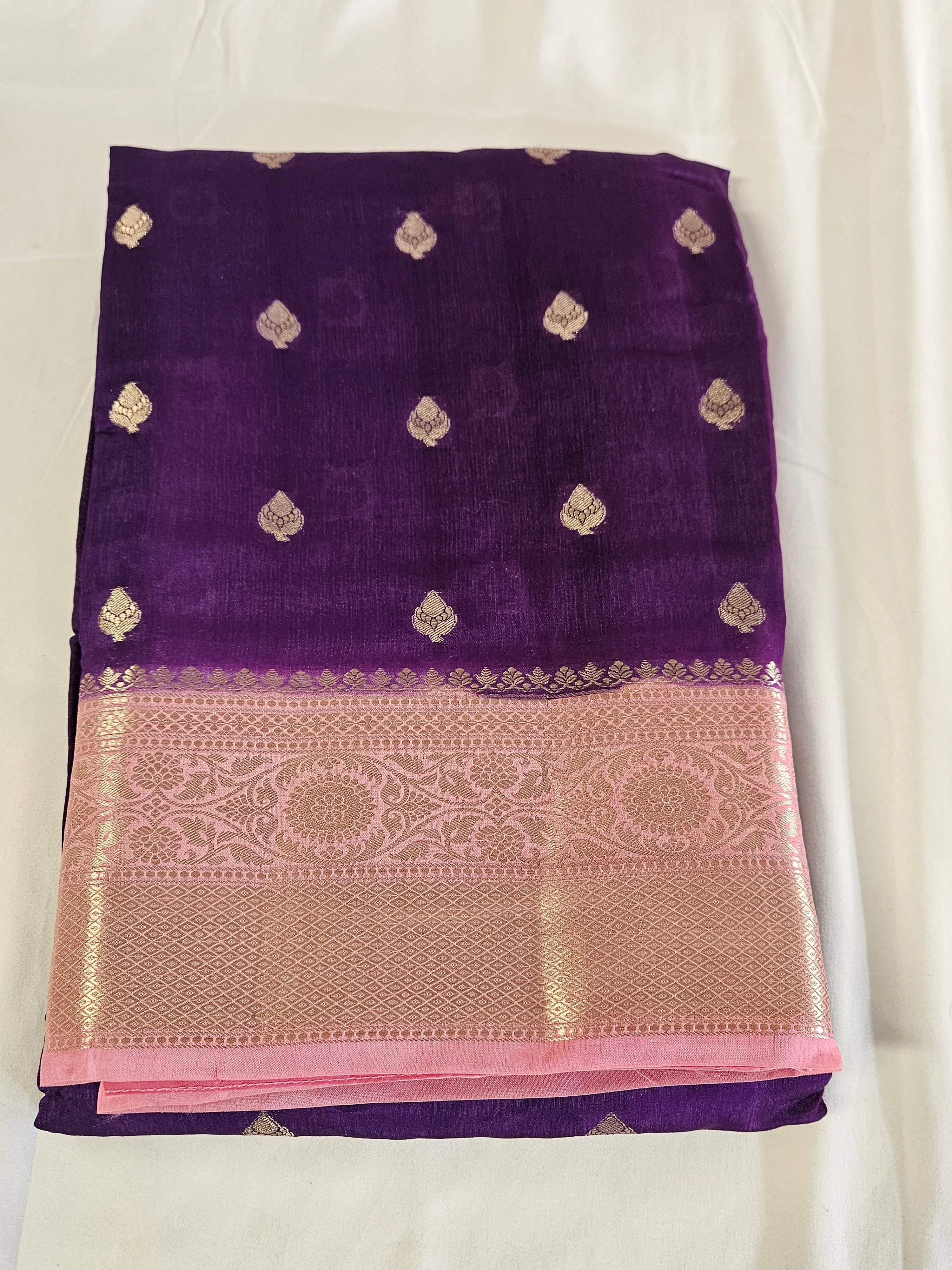
Luxurious Handwoven Pure Mango Raw Silk Saree
The Luxurious Handwoven Pure Mango Raw Silk Saree ($145.00) embodies regal Indian elegance for today’s discerning woman. Crafted from 100% pure raw silk (a variant of wild silk), each saree is handwoven by skilled artisans, featuring a rich, tactile texture and a natural sheen unique to raw silks. Vibrant hues and intricate patterns make this saree ideal for weddings, Diwali, or cultural galas.
- Lightweight yet durable—perfect for long celebrations
- Drapes beautifully, flattering every silhouette
- Pairs well with bold blouses and gold or contemporary jewelry
- Dry clean recommended to preserve vibrancy
Styling tip: For wedding receptions, pair with a brocade blouse featuring a modern neckline—see our blouse neck design guide for ideas.
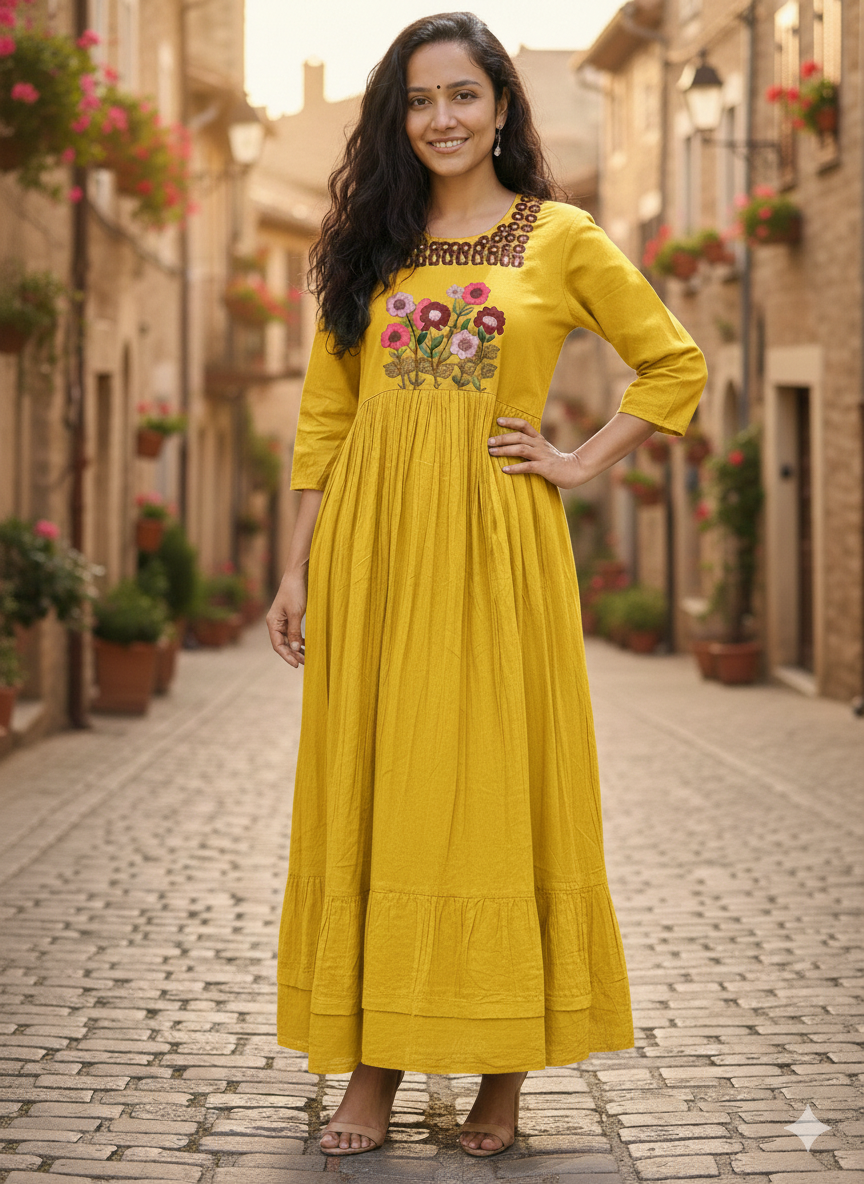
Mustard Yellow Mul Cotton Frock with Hand Embroidery
If you crave breathable comfort and artisanal charm, the Mustard Yellow Mul Cotton Frock ($35.00) is an everyday masterpiece. Crafted from premium mul cotton (not silk, but inspired by mulberry’s softness), this frock features hand-embroidered red, pink, and white florals and a tiered skirt for easy movement.
- Perfect for garden parties, festive brunches, or temple visits
- Gathered empire waist flatters all body types
- Easy care—gently hand wash in cold water
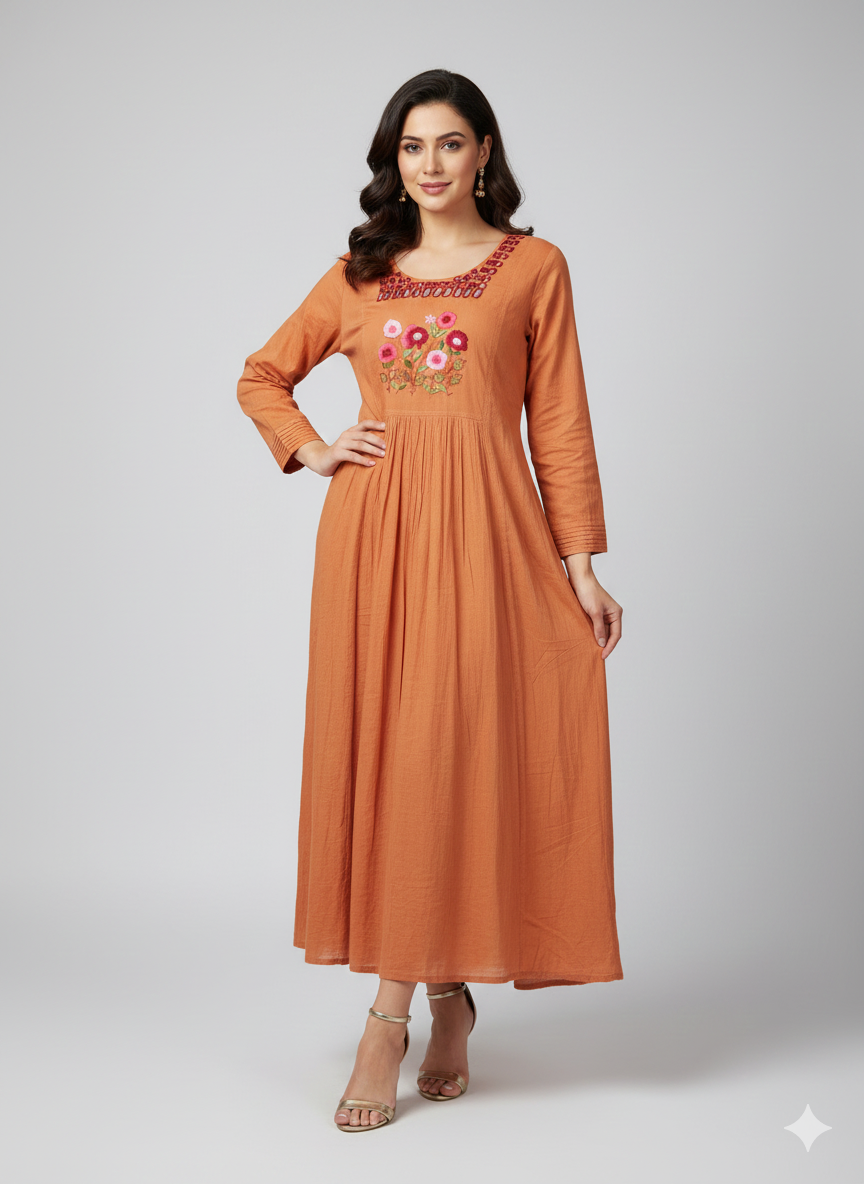
Rustic Orange Mul Cotton Dress with Embroidery
The Rustic Orange Mul Cotton Dress ($35.00) delivers earthy elegance for those who appreciate Indian handcraft. With geometric maroon embroidery at the neckline and vibrant multicolor florals on the yoke, this dress nods to tribal motifs. Pintuck sleeve cuffs and a flared, gathered skirt ensure comfort with sophistication.
- All-day comfort: breathable cotton for US summers
- Layer with a shawl for festive evenings
- Hand wash only; dry in shade
Browse more options in our Dresses collection.
Tussar Silk vs Mulberry Silk in Sarees: Pros, Cons & Styling
Tussar Silk Sarees: Pros and Cons
- Pros:
- Rustic, artisanal look with visible texture
- Breathable and suitable for summer events
- Takes natural dyes beautifully for muted, earthy palettes
- Typically less costly than pure mulberry for similar weaves
- Strong, less prone to snagging than fine silks
- Cons:
- Lower sheen—may not suit ultra-formal weddings
- Can feel crisper or stiffer on initial wear
- Requires gentle hand washing or dry cleaning
Mulberry Silk Sarees: Pros and Cons
- Pros:
- Exceptionally fine, smooth, and lustrous
- Accepts vibrant colors and metallic zari borders
- Perfect for weddings, milestone events, and heirlooms
- Soft drape enhances feminine silhouettes
- Cons:
- More delicate—susceptible to perspiration or water stains
- Typically higher price, especially for Kanjivaram or Banarasi
- Must be dry cleaned to retain shine
For a practical heirloom, a handwoven raw silk saree offers the best of both worlds: lasting texture, subtle sheen, and versatile styling.
How to Style Tussar and Mulberry Silk Sarees for US Occasions
- Tussar Silk: Pair with handloom cotton blouses for day events, or contrast with brocade for evening. Choose terracotta or silver jewelry for a grounded look.
- Mulberry Silk: Opt for embroidered or silk blouses in jewel tones. Layer with gold jewelry and traditional jhumkas. Perfect for Indian wedding receptions—find more inspiration in our wedding styling guide.
- Raw Silk (as in Mango Raw Silk): The texture stands out best with minimalistic, tailored blouses. Try a contrast petticoat for extra flair.
Non-obvious tip: Always air out your silk saree after wear, and never store it in plastic—use a muslin or cotton cloth to preserve fiber integrity and vibrancy.
FAQ: Tussar Silk vs Mulberry Silk
Is tussar silk better than mulberry silk?
Tussar silk and mulberry silk each have unique qualities. Tussar silk is more textured and breathable, ideal for summer and casual elegance, while mulberry silk is softer, shinier, and considered premium for weddings or formal occasions. The choice depends on your style preferences and event needs.
Why is tussar silk less shiny?
Tussar silk is less shiny due to its coarser, irregular fibers and the natural gum (sericin) that remains after weaving. Unlike mulberry silk, which is spun from uniform, fine filaments, tussar’s wild origin gives it a matte, golden glow, making it a favorite for those who prefer understated elegance.
Is tussar silk warmer than mulberry?
Tussar silk is breathable and slightly coarser, which helps regulate body temperature. Mulberry silk, being denser and smoother, can feel warmer in winter but may stick to skin in humid conditions. For US climates, tussar is often preferred for spring and summer events.
Which silk is more expensive, tussar or mulberry?
Mulberry silk is generally more expensive than tussar silk, especially for high-end sarees like Kanjivaram or Banarasi. The controlled sericulture, long filaments, and luminous finish drive up the price. Tussar remains a luxury choice, but its rustic character and regional production often make it more affordable.
Cultural Context & Regional Heritage
Indian silk weaving is a proud, centuries-old tradition. The wild tussar silks of Jharkhand and Odisha are woven by indigenous communities like the Santhal and Munda, whose knowledge of forest sericulture is recognized by the Indian Handloom Brand. Mulberry silks, especially from Kanchipuram, are protected by a Geographical Indication (GI) tag, a testament to their historical value and authenticity.
Both silks support thousands of artisans, many of whom rely on age-old pit looms and natural dyes. Choosing authentic handwoven sarees or dresses, such as those from Swathi Design’s Mango Raw Silk Saree, helps sustain these traditions.
Saree Color Tips: What Works with Tussar and Mulberry?
Tussar sarees often come in gold, beige, and soft natural shades. They look stunning with deep reds, bottle greens, or terracotta blouses. Mulberry silk sarees shine in vibrant jewel tones—emerald, royal blue, magenta. To avoid color clashes, read our stylist’s saree color combination guide.
How to Care for Tussar and Mulberry Silk (With Expert Tips)
- Always air after each wear to prevent odor and mildew.
- Dry clean is safest, especially for mulberry or heavily embellished sarees.
- For tussar, gentle hand washing in cold water is possible if the saree is plain (no zari or embroidery). Use mild, pH-neutral soap.
- Never wring or twist; roll in a towel to remove excess moisture.
- Store flat in a cotton cloth, away from direct sunlight.
For more detailed care instructions, see our step-by-step guide on washing silk sarees at home.
Shop the Collection
Ready to add authentic silk or artisanal cotton to your wardrobe? Explore our full collection of handwoven sarees and dresses. For saree lovers, our saree selection features everything from regal silks to breezy cottons, each sourced from Indian artisan weavers. Questions about fiber or fit? Use our WhatsApp styling help for personalized advice.
Your choice between tussar silk vs mulberry silk reflects not just aesthetics, but heritage and personal style. Shop mindfully, and let tradition drape you in confidence.
Featured in this guide
Part of the Handwoven Silks: Chanderi, Tussar & Raw Mango guide collection.
Related guides
- Elevate Every Occasion: Handcrafted Indian Gowns & Frocks for Modern Celebrations in the USA
- Elevate Every Occasion: Pure Chanderi Pattu Silk Sarees for Indian-Americans in the USA
- Exquisite Russian Crape Silk Saree: Timeless Elegance for Every Occasion
- Luxurious Pure Russian Crape Saree: Timeless Elegance for Every Occasion
- Elevate Your Festive Wardrobe with Exquisite Handwoven Chanderi Sarees and Anarkali Dresses