The Bridal Saree Trousseau Checklist: Sarees for Every Occasion (and Budget)
Building your bridal saree trousseau? Here’s a practical, occasion-mapped checklist to ensure your collection covers every celebration, from engagement to anniversaries. Discover exactly how many sarees you’ll need, which events each should serve, and how to balance tradition, comfort, and budget—plus expert picks from Swathi Design’s Banarasi collection.
Bridal Saree Trousseau Checklist: A Guest & Bride’s Guide
You’re facing a calendar packed with ceremonies, parties, and your first festivals as a newlywed—how many sarees do you actually need, and which should you choose? Here’s your direct answer: a well-planned bridal saree trousseau covers at least 7 key occasions, with a mix of classic silks and versatile tissue sarees, mapped to your real social calendar (and budget). Let’s break it down, step by step, so you’ll always have the right saree ready—no matter what the invitation says.
What is a Bridal Saree Trousseau?
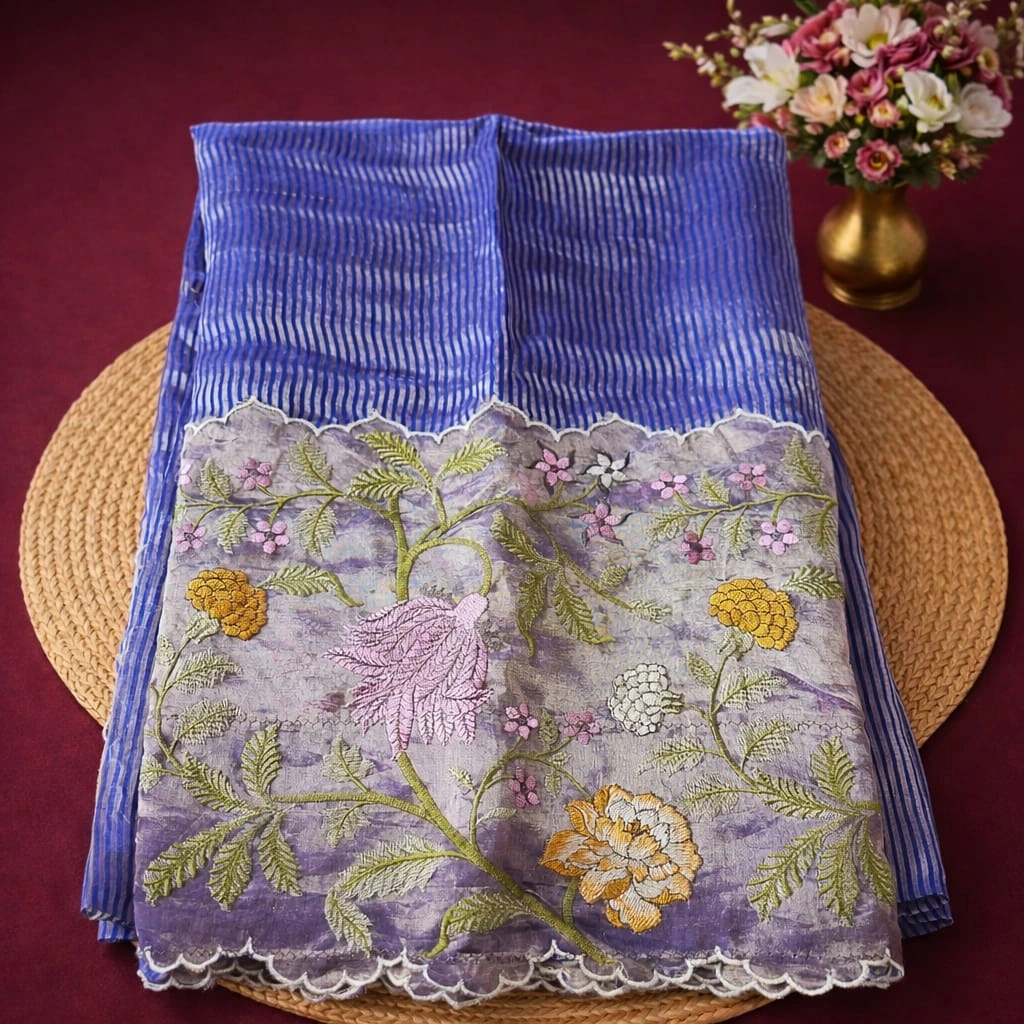
A bridal saree trousseau is a thoughtfully curated set of sarees—usually between 6 and 12 pieces—selected to cover all major occasions a bride will attend during her wedding and in the first year after. This collection balances tradition, personal style, and practical needs, ensuring you’re never left scrambling for the right outfit.
Key Occasions Your Saree Trousseau Should Cover
- Engagement / Roka / Pre-wedding pujas
- Mehendi & Haldi (festive, fun, comfort-first)
- Sangeet & Cocktail Night (glamorous, statement-making)
- Wedding Ceremony (classic, heirloom-worthy)
- Reception (regal, elegant, photogenic)
- Post-wedding Festivals (Diwali, Karva Chauth, Holi, housewarming)
- Anniversaries & Family Functions (versatile, easy to re-style)
Bridal Saree Trousseau Checklist: Count & Budget Table
| Occasion | Must-Have Saree | Nice-to-Have Upgrade | Budget Range |
|---|---|---|---|
| Engagement | Banarasi Kora Tissue Silk | Kanjivaram or designer net saree | $100–$300 |
| Mehendi/Haldi | Tissue silk or lightweight cotton | Digital print georgette | $80–$200 |
| Sangeet | Banarasi tissue with zari work | Sequin/hand-embroidered saree | $150–$400 |
| Wedding | Pure Banarasi Silk or Kanjivaram | Antique heirloom piece | $250–$1000 |
| Reception | Banarasi Kora Tissue Silk | Designer fusion saree | $200–$500 |
| Post-wedding Festivals | Banarasi or Tussar silk | Handloom linen saree | $120–$250 |
| Anniversaries | Banarasi tissue or light silk | Chiffon with zari border | $120–$300 |
How many sarees does a bride need for her trousseau?
Most Indian brides in the US find 7–10 sarees ideal for a complete trousseau. This covers all major wedding and post-wedding events, with a balance of statement pieces (like Banarasi and Kanjivaram silks) and versatile sarees for smaller gatherings or repeat wear. The actual number depends on your event count and personal style.
Why Choose Banarasi Kora Tissue Sarees for Your Trousseau?
Banarasi Kora tissue sarees are woven in Varanasi using a blend of kora (organza) silk and shimmering tissue threads, creating a light, ethereal drape with unmistakable sheen. Their intricate zari work and gold-silver interplay make them a festive favorite, ideal for both brides and guests who want comfort without sacrificing grandeur. These sarees are prized for their versatility—you can style them for formal ceremonies or modern parties, and they flatter all body types.
Featured Picks: Banarasi Tissue Sarees from Swathi Design
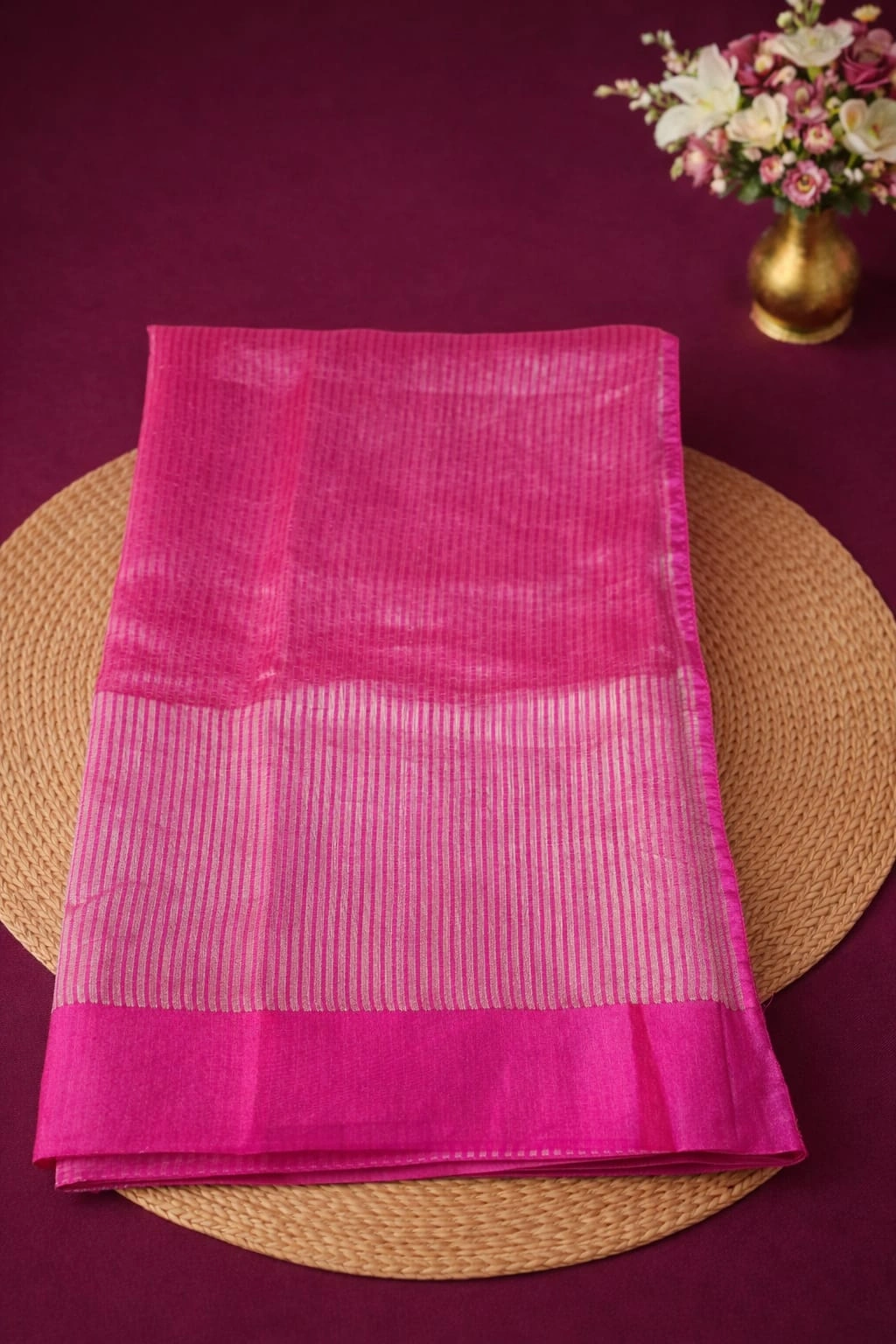
- Exquisite Pure Banarasi Kora Tissue Saree for Weddings & Celebrations: Soft, lightweight kora tissue with a regal gold-silver glow—perfect for wedding guests, engagement, or reception. price confirmed on inquiry.
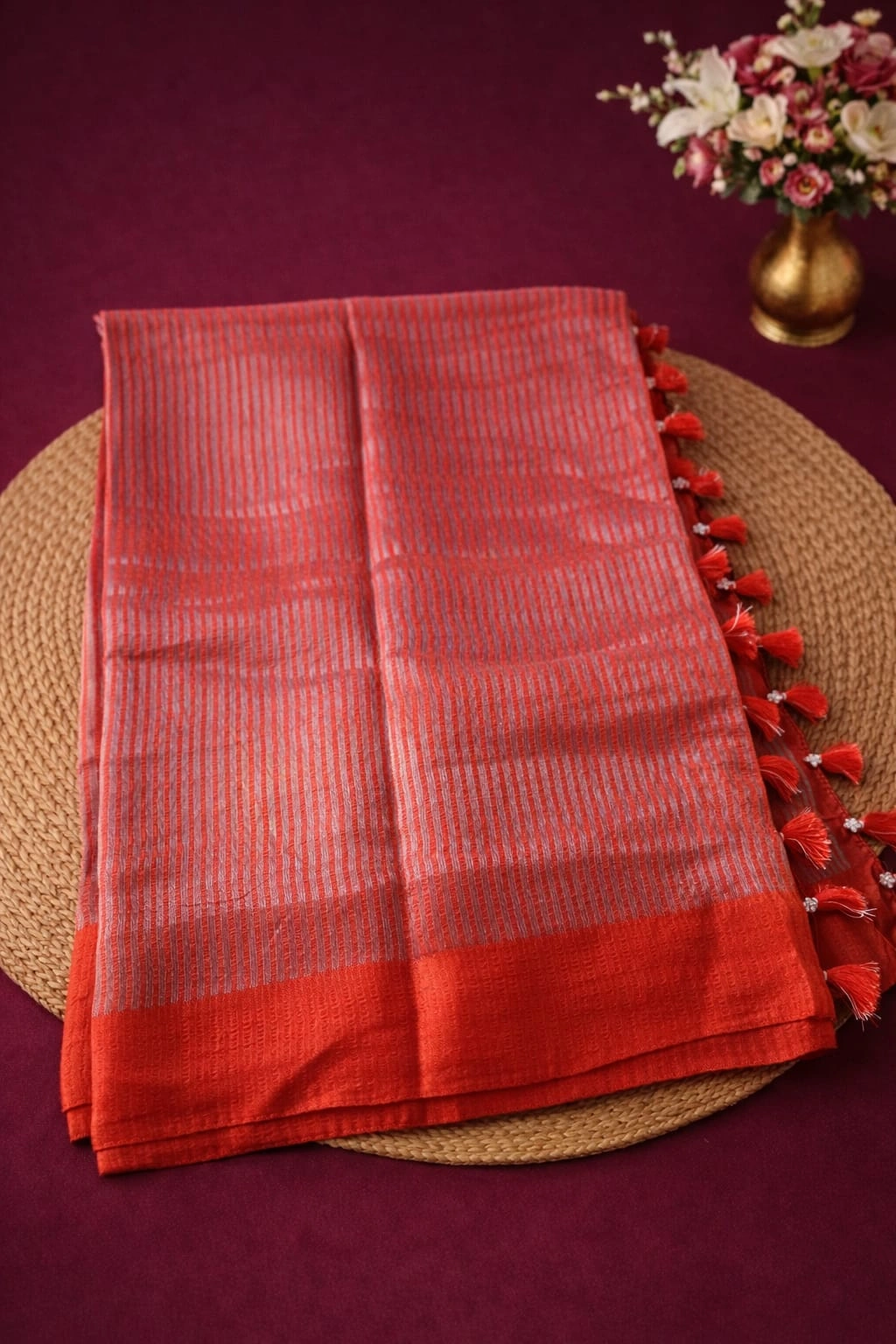
- Elegant Pure Banarasi Kora Tissue Silk Saree for Weddings & Festivals: Handwoven with luminous tissue threads, ideal for sangeet or festive family gatherings. price confirmed on inquiry.
- Pure Banarasi Silk Tissue Saree for Weddings & Festivals: Gold with intricate zari motifs, for when you want true heirloom appeal at a guest-friendly price point. price confirmed on inquiry.
Occasion-by-Occasion: What to Wear (and How to Style It)
Engagement / Roka: Understated Opulence
For your engagement, you’ll want a saree that looks refined in photos but feels easy for mingling and rituals. The Exquisite Pure Banarasi Kora Tissue Saree delivers this balance—its sheen is subtle yet unmistakably festive. Pair with a stone-studded gold choker and a sleek bun. Pro tip: Choose a color that flatters your skin tone but isn’t identical to your wedding-day saree. Avoid heavy layering; the tissue fabric’s lightness is its charm.
Mehendi & Haldi: Comfort First, Color Always
Here, comfort is non-negotiable. Opt for a lightweight Banarasi tissue or even a cotton-silk blend if you expect messy festivities. Pastels or vibrant yellows work beautifully. Go for minimal jewelry (think: jhumkas, no necklace) and tie your pallu high to avoid stains. Don’t risk a pure silk showpiece here; keep your statement sarees for the main events.
Sangeet & Cocktail: Glamour That Moves With You
Sangeet nights are about dancing, so pick a saree that won’t weigh you down. The Elegant Pure Banarasi Kora Tissue Silk Saree is handwoven for breathability and movement. Pair with a contemporary blouse—a metallic halter or off-shoulder style can modernize the look. Add statement earrings, skip the necklace, and keep your hair loose or half-up for effortless sophistication.
Wedding Ceremony: Heirloom Silks
The wedding ceremony is where tradition shines. Pure Banarasi silks or a classic Kanjivaram (from Kanchipuram’s 400-year weaving legacy) are the gold standard. For guests, a Banarasi tissue saree with intricate zari detailing strikes the right note of respect and festivity. Choose traditional jewelry—temple necklaces, gold bangles—and keep accessories cohesive. Mistake to avoid: wearing a saree that’s too casual or pale; deeper colors and rich motifs photograph best in mandap lighting.
Reception: Regal, Yet Easy to Re-Wear
The reception is your chance to experiment. The Pure Banarasi Silk Tissue Saree for Weddings & Festivals in gold is both photogenic and versatile. Try pairing it with a modern blouse—think deep jewel tones or velvet textures. Layer with a single standout necklace or bold cocktail ring. This saree works for future parties, so invest in a piece with timeless appeal, not just bridal drama.
First Festivals, Anniversaries, and Everyday-Luxe
After your wedding, you’ll need sarees that transition well into family gatherings, religious festivals, or milestone dinners. Banarasi tissue sarees shine here: they’re dressy enough for Diwali or housewarmings, but comfortable for all-day wear. Try restyling with contrasting blouses and lighter jewelry to keep each look fresh. Practical tip: Rotate your sarees and air them out every 3–4 months to maintain their drape and sheen—especially if you live in a humid climate.
Criteria for Choosing Sarees: Fabric, Weave, Care, Versatility
- Fabric: Banarasi tissue, kora silk, pure silk, and cotton blends offer a range of comfort and drape.
- Weaving & Motifs: Banarasi sarees feature Mughal-inspired motifs and intricate zari, while Kanjivaram sarees are known for temple borders and bold color contrasts.
- Care: Dry clean only for tissue and silk sarees; store in a cool, dry place. Wrap in muslin for longevity.
- Versatility: Choose at least 2–3 sarees that can be worn to both large and intimate gatherings by changing up blouses and accessories.
Learn more about the history and artistry in our post on Banarasi Saree Weaving, Motifs & Mughal Legacy.
Budget Tiers: Planning Your Saree Spend
- Under $100: Good for everyday-wear sarees (cotton, linen, digital print georgette)
- $100–$300: Entry-level Banarasi tissue, light silks, festive-ready pieces
- $300+: Heirloom-grade Kanjivarams, handwoven Banarasi silk with heavy zari work
Swathi Design’s Banarasi tissue sarees at $225 offer a sweet spot: artisan-crafted, yet accessible for both brides and guests building a versatile collection.
Bridal Saree Trousseau FAQ
Q1: How many sarees does a bride need for her trousseau?
Most Indian brides today opt for 7 to 10 sarees in their trousseau, ensuring each major event—wedding, sangeet, reception, and first festivals—is covered. This allows flexibility, with classic silks for grand occasions and lighter sarees for regular family functions. The ideal count depends on your social calendar and how often you re-style key pieces.
Q2: What occasions should trousseau sarees cover?
Your saree trousseau should cover engagement, pre-wedding pujas, mehendi/haldi, sangeet, wedding, reception, and the first year’s festivals and anniversaries. Include versatile sarees you’ll wear as a guest at friends’ weddings or family gatherings as well.
Q3: How much should you budget for a saree trousseau?
Most US-based brides budget $1200–$3000 for a saree trousseau, depending on fabric choices and the number of heirloom pieces. Prioritize quality over quantity: a handful of Banarasi or Kanjivaram sarees can be restyled for years, while lighter options fill out the everyday and festive calendar.
Q4: Which sarees in a trousseau get worn after the wedding?
Banarasi tissue and silk sarees are the most frequently re-worn after the wedding, thanks to their adaptable elegance. Style with new blouses, lighter jewelry, and different drapes for family functions, poojas, and formal dinners. Everyday cotton or print sarees may also see frequent use, especially in the first year of marriage.
Mistakes to Avoid When Building Your Bridal Saree Collection
- Don’t buy only heavy silks—include lighter Banarasi tissue for comfort.
- Avoid duplicate colors and motifs; variety keeps your photos and memories unique.
- Check care instructions: tissue and silk sarees require dry cleaning and careful storage.
- Invest in at least one versatile neutral (gold, beige, or ivory) for re-wear.
- Don’t save the best pieces for ‘later’—enjoy them at every opportunity!
Styling Banarasi Tissue Sarees: Practical Consultant Tips
- Pair tissue sarees with gold or kundan jewelry for formal events; switch to silver or contemporary accessories for casual outings.
- Experiment with blouse styles—elbow-length sleeves for classic looks, or cropped/boat necks for a modern twist.
- Use a lightweight cotton petticoat for banarasi tissue sarees to avoid slippage.
- Carry a silk or brocade clutch for instant polish at evening functions.
- For travel, roll sarees instead of folding to prevent creases; wrap in muslin for protection.
Where to Shop: Authentic Sarees for Your US Trousseau
Swathi Design curates artisan-woven sarees directly from Indian weavers—no middlemen, so you get authentic quality. Their premium Banarasi Kora Tissue Silk sarees, starting at $225, ship from California with flat-rate US delivery. Styling questions? Use their WhatsApp support for real-time help matching jewelry and blouses. If you’re in Texas or New Jersey, explore our guides on where to buy Indian sarees in Texas and best shops in New Jersey.
Browse their Sarees category for more options and check video unboxing policies for peace of mind.
Shop the Collection
Ready to build your bridal saree trousseau? Explore Swathi Design’s full range of Banarasi, Kanjivaram, and contemporary sarees—curated for every occasion and budget. Browse our full collection and let your new sarees create memories for every celebration ahead.
Featured in this guide
Part of the Indian Wedding & Festive Dressing guide collection.
Related guides
- Chanderi Silk Suits in USA: Embrace Ethnic Grace for Weddings & Festive Occasions
- Elevate Your Festive Wardrobe: Stunning Indian Dresses for US Weddings & Celebrations
- Celebrate Indian Heritage in the USA: Pure Silk Gowns for Weddings & Festive Glamour
- Elevate Your Wedding Look with Exquisite Pure Banarasi Kora Tissue Sarees
- Timeless Elegance: Discover the Pure Banarasi Kora Tissue Saree Collection for Weddings & Festivals