Temple Dress Code: What to Wear to a South Indian Temple
Planning a visit to a South Indian temple? This guide breaks down the essential temple dress code for women, covering traditional attire, fabric choices, modesty norms, and color customs, with styling tips for sarees and dresses from Swathi Design. Honor heritage while staying comfortable and chic for your sacred visit.
Temple Dress Code: What to Wear to a South Indian Temple
Visiting a South Indian temple is a profound cultural experience, blending spirituality, tradition, and community. The temple dress code is rooted in centuries-old customs that honor the sanctity of the space and reflect regional pride. In this guide, you'll learn exactly what to wear to a South Indian temple, from fabric and color choices to etiquette, so you can pay your respects with confidence, comfort, and style.
Why Temple Dress Code Matters
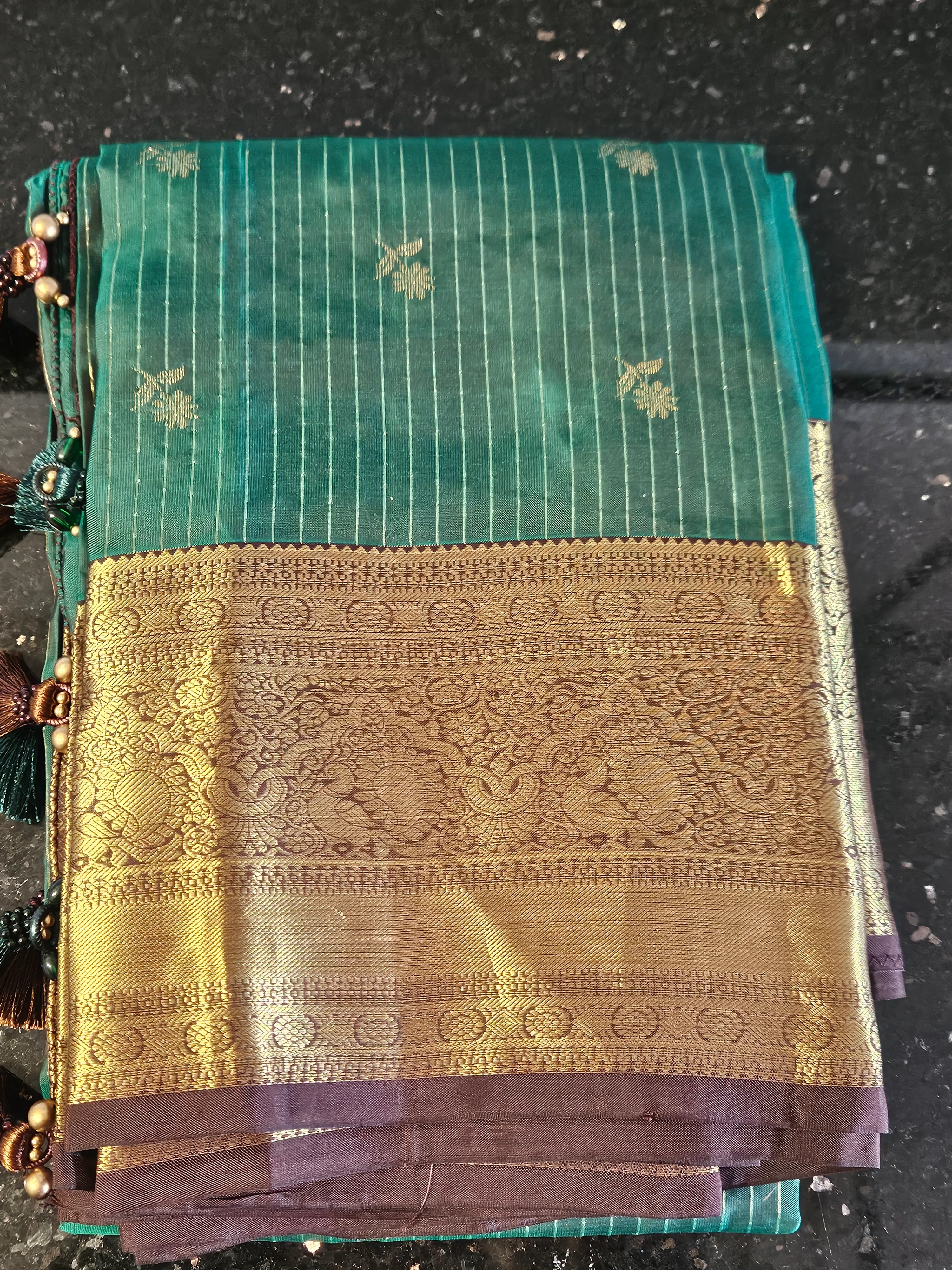
Temples in South India—especially in states like Tamil Nadu, Kerala, Karnataka, and Andhra Pradesh—are not just architectural marvels but active centers of heritage. The dress code isn’t a mere formality; it’s a gesture of humility, cultural continuity, and respect for the divine. Many temples, including the famed Meenakshi Amman in Madurai and Sri Venkateswara at Tirupati, display signage detailing appropriate attire for devotees. Wearing traditional, modest clothing is both a mark of reverence and an invitation to participate more fully in rituals and community life.
What is the Traditional Temple Dress Code?
Temple dress code is a set of guidelines for attire within Hindu temple precincts, especially in South India, requiring modest, traditional clothing that covers the shoulders, knees, and midriff. For women, this usually means sarees, pavadai davani (half-saree), or long dresses in breathable natural fabrics. Men often wear veshti (dhoti) and angavastram. The emphasis is on simplicity, purity, and cultural continuity.
Historical Background of Temple Attire
Kanchipuram sarees have been woven for over 400 years in the temple town of Kanchipuram, Tamil Nadu—a tradition endorsed by the Kanchipuram Silk Saree GI (Geographical Indication) and recognized by the Tamil Nadu Handloom Weavers' Cooperative Society. Historically, devotees wore locally woven silk or cotton sarees, both for ritual purity and to support artisan communities. The saree’s pleats and anchal (pallu) were considered symbolic of spiritual discipline and feminine grace.
Best Fabrics and Styles for Temple Wear
For what to wear to a South Indian temple, prioritize comfort, breathability, and tradition. Here’s what works best:
- Pure Kanchipuram Silk Sarees: These sarees, like the Luxurious Pure Kanchipuram Silk Saree with Intricate Zari for Weddings ($245), are handwoven from mulberry silk in vibrant, jewel tones with gold zari work. Their lustrous drape and regal motifs are ideal for special temple festivals and poojas.
- Cotton Sarees: Cotton, particularly South Indian varieties like Chettinad or Kanchi cotton, is cool, absorbent, and ideal for temple visits in warm weather. Lightweight and easy to drape, they’re perfect for daily darshan.
- Pavadai Davani (Half-saree): Traditional for young women, this two-piece set (skirt and dupatta) is still popular for temple events, especially in Tamil Nadu and Andhra Pradesh.
- Long Dresses with Indian Motifs: For younger or NRI women who prefer fusion wear, a modest, hand-embroidered cotton dress like the Lemon Yellow Mul Cotton Dress with Hand-Embroidered Floral Yoke ($35) offers comfort and cultural connection. Ensure the dress covers the knees and shoulders.
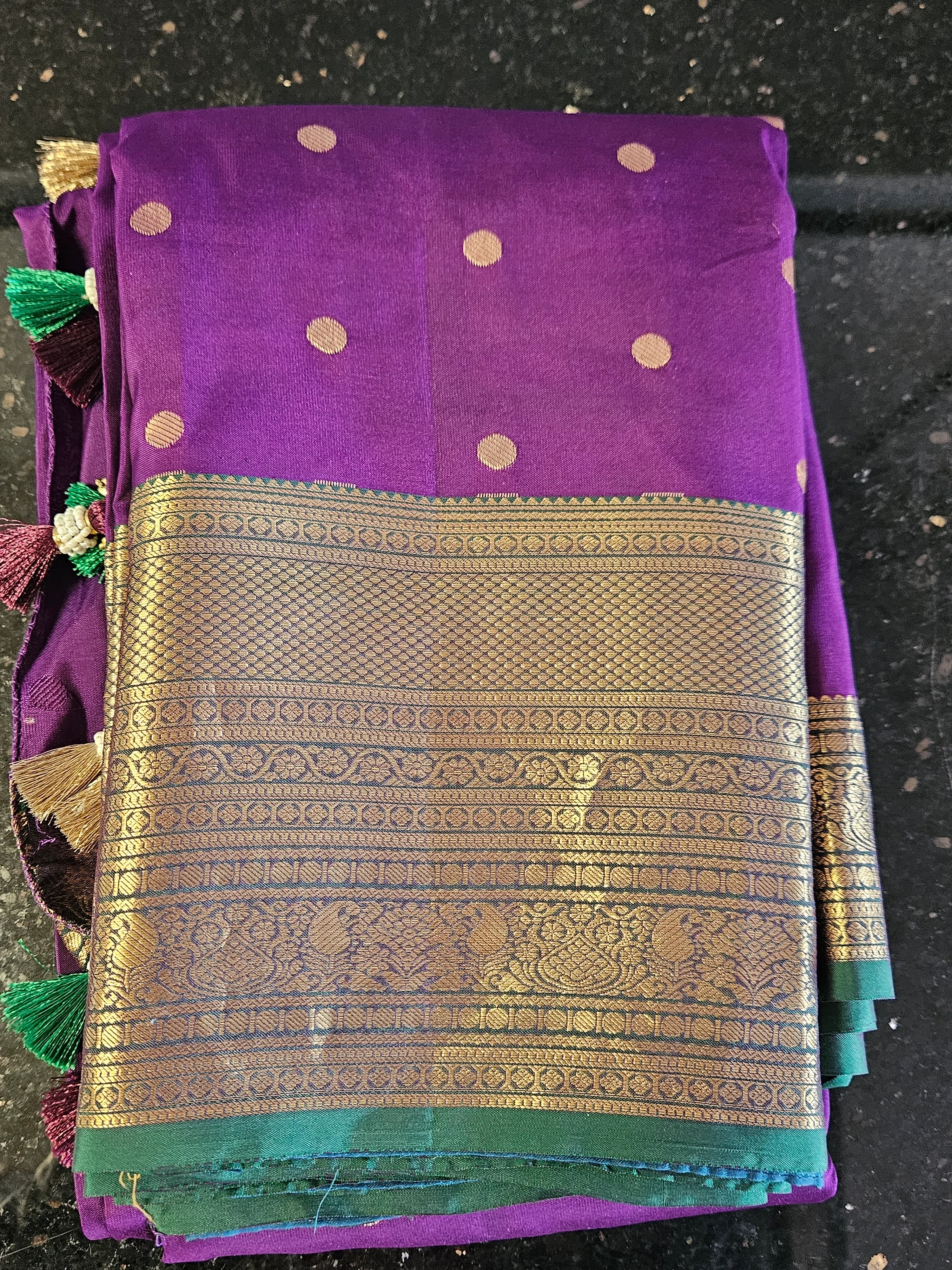
Table: Comparison of Temple Attire Fabrics
| Fabric | Best For | Comfort | Traditional Value |
|---|---|---|---|
| Kanchipuram Silk | Festivals, special poojas | Medium | Very High |
| Cotton | Everyday temple visits | High | High |
| Mul Cotton | Casual, informal visits | Very High | Medium |
| Chinon/Georgette | Evening events, receptions | High | Medium |
How to Style a Kanchipuram Saree for Temple Visits?
The most respectful and elegant way to dress for a South Indian temple is to drape a Kanchipuram silk saree traditionally, with pleats in the front and the pallu covering the shoulders, paired with a modest blouse. Choose minimal jewelry—such as gold studs and a simple chain—to maintain a dignified look. Pin the pallu securely to avoid adjusting it during rituals. Wash your hands before entering the sanctum and avoid heavy makeup or flashy accessories, as understated elegance aligns with temple norms.
- Opt for deep colors like maroon, green, or yellow—considered auspicious.
- Pair with a high-neck or elbow-sleeve blouse for modesty.
- Wear your hair tied back or in a plait, adorned with jasmine flowers if you wish.
- Finish with a sandalwood tilak or bindhi for a complete temple look.
Modern Interpretations and Comfort
While tradition is central, many Indian-American women adapt temple attire for comfort and practicality in the US. For instance, the Deep Teal Anarkali Gown ($45) is a graceful alternative for those seeking coverage and ease of movement. The key is ensuring the outfit’s hem falls below the knees and the neckline is not revealing. Layering with a dupatta or shawl is recommended, especially in winter or for added modesty.
Temple Dress Code Etiquette: Must-Knows
- Cover Shoulders and Knees: Blouses should have sleeves, and sarees/dresses must extend below the knee. Avoid sleeveless, backless, or short garments.
- Choose Light, Breathable Fabrics: Prefer natural fibers—silk or cotton—for comfort during lengthy rituals or humid conditions.
- Keep Accessories Simple: Limit jewelry to small earrings and bangles. Avoid flashy or noisy pieces.
- No Footwear Inside: Remove shoes before entry; wear sandals or slip-ons for convenience.
- Hair and Makeup: Tie hair neatly; avoid open hair for practical and cultural reasons. Subtle makeup is best.
- Color Customs: Choose auspicious colors like yellow, green, red, or white. Black is often avoided in temples for its association with mourning.
Find more practical saree care tips in our Silk vs Cotton Saree comparison guide.
Styling Ideas for South Indian Temple Outfits
Here are a few curated outfit ideas inspired by Swathi Design’s artisan pieces:
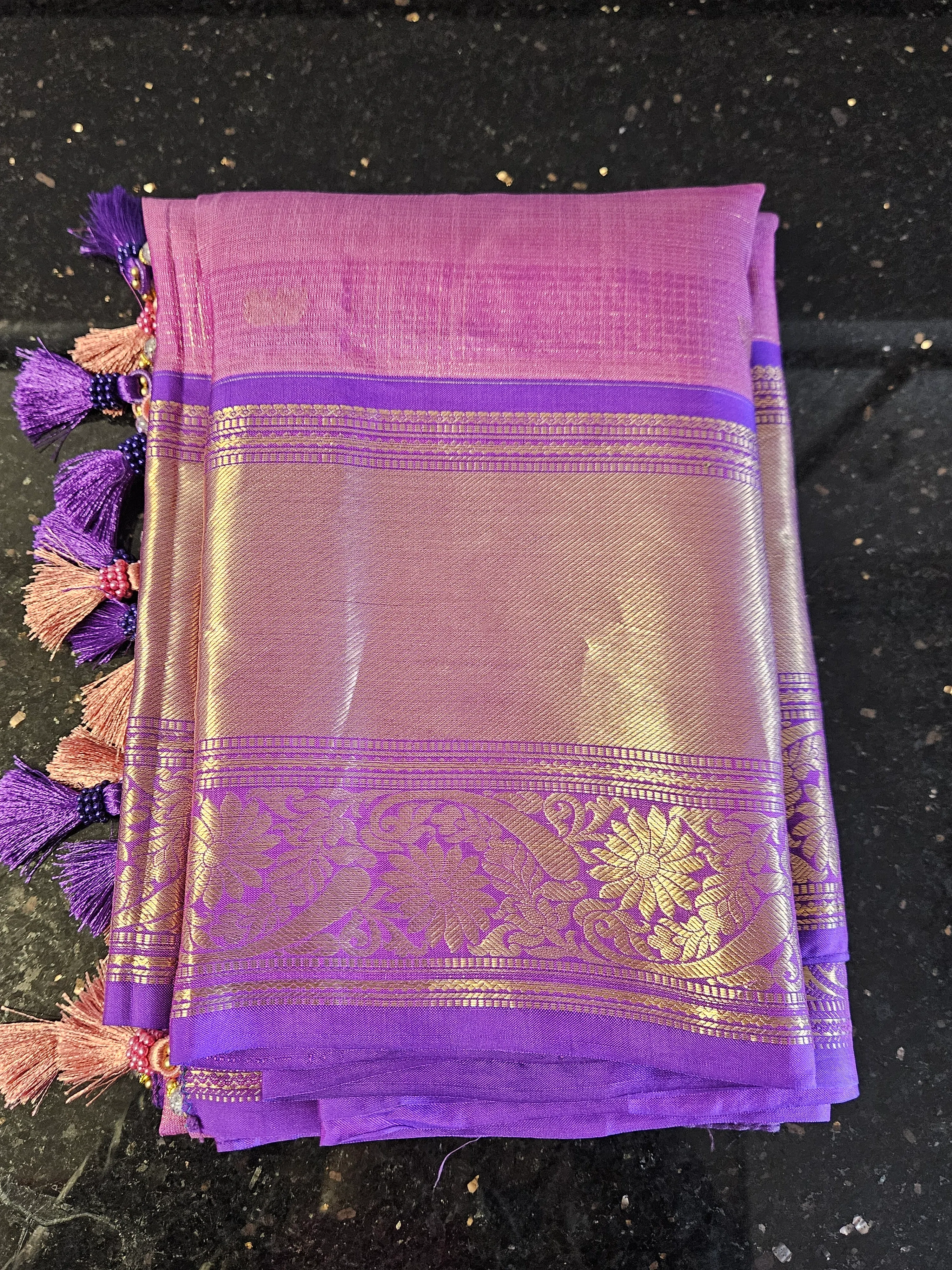
- Classic Silk Saree Ensemble: The Pure Kanchipuram Silk Wedding Saree with Zari Work ($265) in a jewel-toned shade, paired with a high-neck blouse, simple gold jewelry, and a jasmine gajra. This look honors tradition and stands out at special temple festivals.
- Cotton Dress with Floral Embroidery: The Lemon Yellow Mul Cotton Dress ($35), featuring hand-embroidered yoke and scalloped sleeves. Add oxidized silver earrings and a delicate chain for a modern yet respectful temple outfit.
- Handwoven Saree with Gold Zari: For grand occasions, try the Handwoven Kanchipuram Silk Saree with Golden Zari ($255), styled with a long-sleeve blouse and a silk-friendly petticoat for a flawless drape and comfort throughout your visit.
For more inspiration, browse Swathi Design’s Sarees and Dresses collections.
Useful Tips to Choose Your Temple Outfit
- Pre-pleat Your Saree: If you’re new to draping, pre-pleat the pallu and secure with safety pins. This keeps the saree neat and saves time in the temple queue.
- Carry a Dupatta or Shawl: In case you’re wearing a dress or a salwar suit, add a dupatta for extra coverage and to easily adapt if the temple is air-conditioned.
- Choose Light Colors for Morning Visits: Whites, creams, and yellows are especially auspicious for early morning darshan and complement the temple’s serene ambiance.
- Petticoat Fit Matters: A well-fitted cotton petticoat prevents slippage and ensures you can walk comfortably barefoot on temple stone floors.
- Check Local Customs: Some temples require specific attire—e.g., saree only, or no pants/skirts—so call ahead or check their website.
Frequently Asked Questions: Temple Dress Code
Q1: What should women wear to a South Indian temple?
Women should wear modest, traditional attire such as a saree, long dress, or pavadai davani when visiting a South Indian temple. The outfit should cover shoulders and knees, avoid revealing necklines, and be made from natural fabrics like silk or cotton. Accessories should be simple, and hair should be tied back for both practical and cultural reasons.
Q2: Is Western clothing allowed in temples?
Most traditional South Indian temples discourage Western attire like jeans, shorts, and skirts above the knee. Some may permit long skirts or maxi dresses if paired with a dupatta and if shoulders are covered. Always check the temple’s specific guidelines, as some require sarees or Indian dresses only.
Q3: What colors are appropriate for temple?
Bright, auspicious colors such as yellow, green, red, and white are favored for temple visits. Black and very dark hues are generally avoided, as they are associated with mourning in Hindu culture. Pastel shades are acceptable, especially for morning poojas.
Q4: Do you need to cover your head?
Head covering is not mandatory for women in most South Indian temples, but some devotees choose to drape the saree pallu or a dupatta over their head as a mark of extra reverence. Always observe local customs and follow signage or priest's instructions.
Regional Variations in Temple Attire
Temple dress codes are nuanced and may differ across states:
- Tamil Nadu: Saree or pavadai davani is standard. The Kanchipuram silk saree is especially esteemed during festivals.
- Kerala: White or off-white set saree (kasavu) with gold borders is traditional for women; men wear mundu.
- Karnataka & Andhra Pradesh: Sarees in cotton or silk, sometimes with distinctive border motifs or temple designs.
For festival-specific styles, see our post on What to Wear for Onam.
Product Spotlight: Kanchipuram Silk for Temple Visits
Kanchipuram Silk Sarees are the epitome of South Indian tradition. Woven by hand in Kanchipuram, Tamil Nadu, these sarees feature intricate zari borders and temple-inspired motifs, such as the rudraksha, peacock, and gopuram. Their durability and sheen make them a favorite for milestone temple events—first puja, festivals, and weddings.
- Luxurious Pure Kanchipuram Silk Saree with Intricate Zari for Weddings: Jewel-toned, soft-drape, gold zari—ideal for making a sophisticated statement at your next temple festival.
- Handwoven Kanchipuram Silk Saree with Golden Zari – Wedding Wear: Exquisite craftsmanship and a radiant shimmer, perfect for grand darshan or special archanas.
- Pure Kanchipuram Silk Wedding Saree with Zari Work: Intricate motifs and sumptuous silk, blending heritage with modern elegance.
Remember to dry clean silk sarees and store them in a cool, dry place, away from direct sunlight. Use a muslin cloth or a silk-friendly garment bag for long-term care.
Shop the Collection
Ready to honor tradition with grace? Explore our full range of sarees, dresses, and temple-ready outfits at Swathi Design. For styling help, enjoy personalized WhatsApp support and flat-rate US shipping. With each piece sourced from master Indian weavers, you can embrace cultural authenticity and comfort every time you visit a South Indian temple.
Featured in this guide
- Luxurious Pure Kanchipuram Silk Saree with Intricate Zari for Weddings
- Handwoven Kanchipuram Silk Saree with Golden Zari - Wedding Wear
- Pure Kanchipuram Silk Wedding Saree with Zari Work
- Lemon Yellow Mul Cotton Dress with Hand-Embroidered Floral Yoke
- Deep Teal Anarkali Gown - Gold Zari Embroidered Indian Wedding Saree Dress
Part of the Designer Sarees Online — USA Buying Guides guide collection.
Related guides
- Swathi Designs Boutique: Where to Buy Authentic Indian Wedding Sarees in the USA
- Handwoven Sarees Online USA: Your Essential Guide to Indian Elegance, Artisan Craft, and Modern Styling
- Kanchipuram Silk Saree USA: The Ultimate Guide to Buying Authentic Wedding Sarees Online
- Luxury Handwoven Sarees Online in USA: The Ultimate Buying Guide
- Timeless Chanderi & Silk Suits for US Weddings: The Ultimate Guide to Ethnic Elegance in the USA