Silk Saree Price Guide by Fabric: Kanjivaram, Banarasi & More Explained
Curious about why silk saree prices vary so widely? This fabric-by-fabric silk saree price guide breaks down Kanjivaram, Banarasi, and Raw Mango silk costs, explains key drivers like handloom work and zari, and shows what a fair USD price looks like for each. Explore real product examples and get expert tips for buying heirloom-worthy ethnic wear in the US.
Silk Saree Price Guide by Fabric: What You Pay & Why
If you’re searching for the real story behind silk saree prices, this guide compares Kanjivaram, Banarasi, and Raw Mango silk sarees—explaining why costs range from under $100 to $300+ and what makes each fabric special. From artisan weaving to pure zari and handloom craftsmanship, here’s what you need to know before investing in authentic Indian heritage pieces in the US.
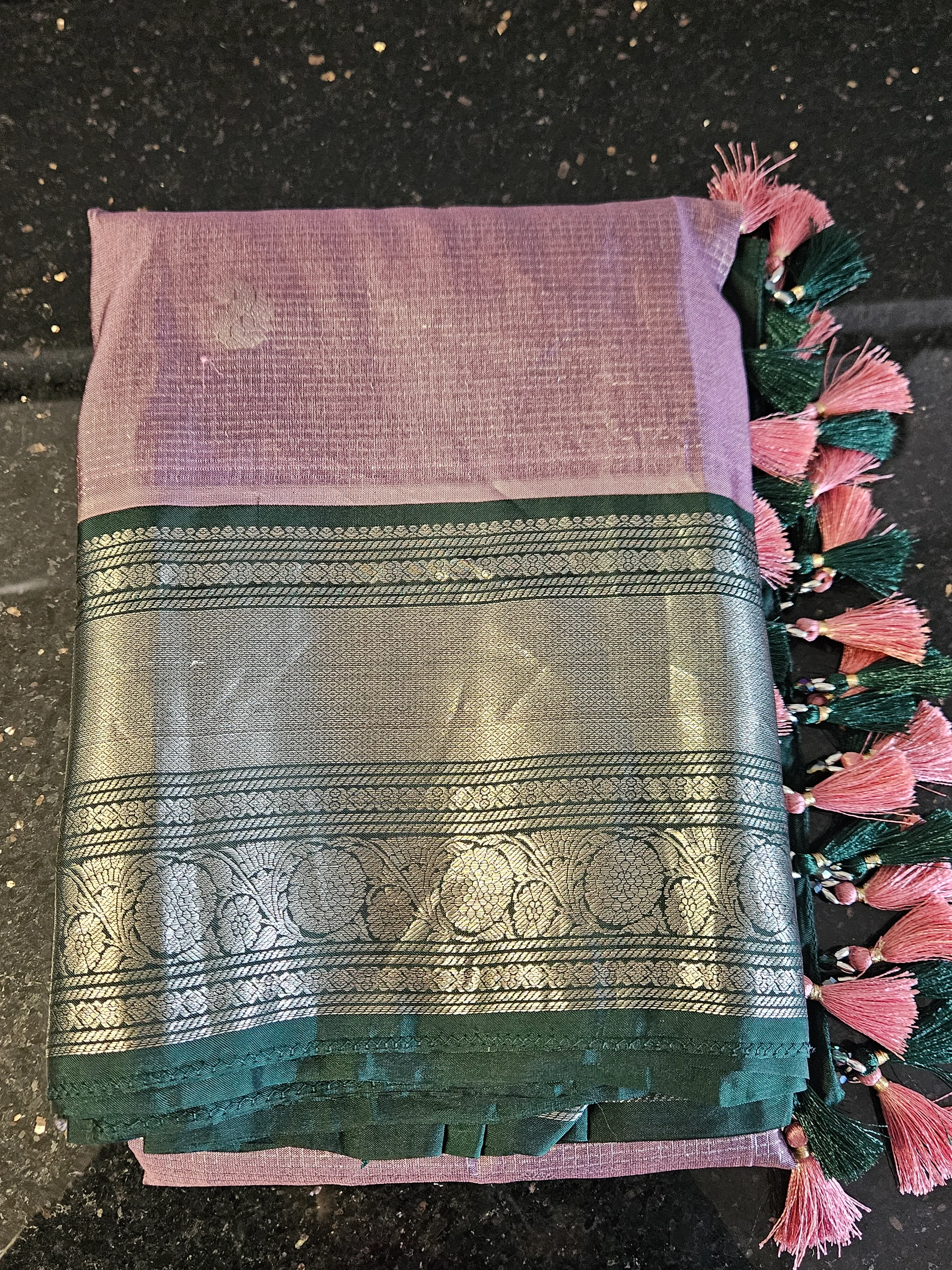
Why Silk Saree Prices Vary: The Key Factors
Silk saree price is shaped by a blend of tradition, material quality, and labor. Here are the core drivers:
- Fabric Quality: Pure silk (Kanchipuram, Banarasi, Raw Mango) commands a premium over blended or art silk. Regional silks have distinct textures and durability.
- Zari Content: Pure silver/gold zari raises price significantly. Tested or synthetic zari costs less, but isn’t as lustrous or enduring.
- Weaving Technique: Handloom sarees cost more due to artisan labor, complexity (motifs, patterns), and time—sometimes taking weeks per saree.
- Weight (grams): Heavier sarees use more silk/yarn and are more durable, impacting both price and drape.
- Design Complexity: Intricate motifs, temple borders, or all-over brocade increase value.
- Origin: Kanchipuram and Banaras weaves are prized for their legacy; regional sourcing affects cost.
Fabric-by-Fabric Silk Saree Price Tiers (USD)
| Fabric / Region | Entry ($-100) | Mid ($100-300) | Heirloom ($300+) | Cost Drivers |
|---|---|---|---|---|
| Kanchipuram Silk | N/A (true Kanjivaram rarely < $175) | $200–$350 | $350–$2,000+ | Pure mulberry silk, handloom, real zari, weaving time |
| Banarasi Tissue/Kora Silk | $90–$130 (blends, machine-woven) | $140–$300 | $350–$1,000+ | Fabric purity, handloom, zari work, weight |
| Raw Mango Silk | $80–$120 | $150–$300 | $300–$800 | Raw silk grade, artisan weave, colorfastness |
| Mul Cotton (comparison) | $30–$60 | $60–$100 | N/A | Ease of weaving, material cost, embroidery |
Tip: If a pure Kanjivaram saree is priced under $150 in the US, verify the silk purity and origin. Authentic handloom pieces typically start above this range due to import duties and artisan wages.
What is Kanchipuram Silk?
Kanchipuram silk is a premium mulberry silk fabric woven in Kanchipuram, Tamil Nadu, India, famous for its durability, lustre, and intricate gold zari motifs. Recognized by the Indian government as a Geographical Indication (GI), these sarees are prized for their traditional temple borders and are often passed down as heirlooms.
Kanjivaram sarees have been woven for over 400 years by artisan communities in the temple town of Kanchipuram. The hallmark is the use of three-ply silk yarn and pure zari, making each piece an investment in craftsmanship and culture.
Kanjivaram Saree Price: What’s Fair in the US?
A genuine Kanchipuram silk saree with handwoven motifs and real zari typically costs $200–$400 in the US, reflecting the import, artisan labor, and quality. For example, the Pure Kanchipuram Silk Wedding Saree with Intricate Zari Motifs retails for $275—a mid-tier price for premium, handwoven Kanjivaram. Heirloom sarees, especially those with all-over brocade or pure gold zari, can exceed $1,000 due to the labor and material costs.
How to Choose a Silk Saree Based on Price & Fabric
To select the right silk saree for your event and budget, start by identifying the occasion, then decide on the fabric, weight, and level of zari work that fits your needs. Here’s a quick checklist:
- Weddings: Opt for handloom Kanjivaram or Banarasi with pure or rich tested zari. Mid to heirloom tiers ($200–$600) offer longevity and heritage value.
- Festivals: Banarasi tissue or kora silk sarees in the $140–$300 range strike a balance between lightness and grandeur.
- Daytime/casual events: Raw Mango silk and Mul Cotton sarees ($80–$225) are comfortable yet stylish; great for poojas or brunches.
Insider Tip: Always ask for weight (in grams) and zari type (pure or tested) when comparing options. Even a 50g difference can affect drape, durability, and price.
Banarasi Silk Cost: Why It Matters
Banarasi sarees, woven in Varanasi (Banaras), Uttar Pradesh, are renowned for their luxurious feel and elaborate zari work. Pure Banarasi tissue or kora silk sarees are lighter than Kanjivarams and shimmer beautifully in gold or silver hues. Prices in the US range from $150 to $350 for authentic pieces.
The Exquisite Pure Banarasi Kora Tissue Saree with Intricate Zari Work ($165) is an ideal mid-tier example, featuring handwoven zari and a sheer, elegant drape. For those seeking a more luminous, party-ready option, the Pure Banarasi Tissue Silk Saree for Weddings & Festive Celebrations ($155) combines metallic threadwork with soft tissue silk—perfect for wedding receptions or Diwali gatherings.
Raw Mango Silk Saree Price & Value
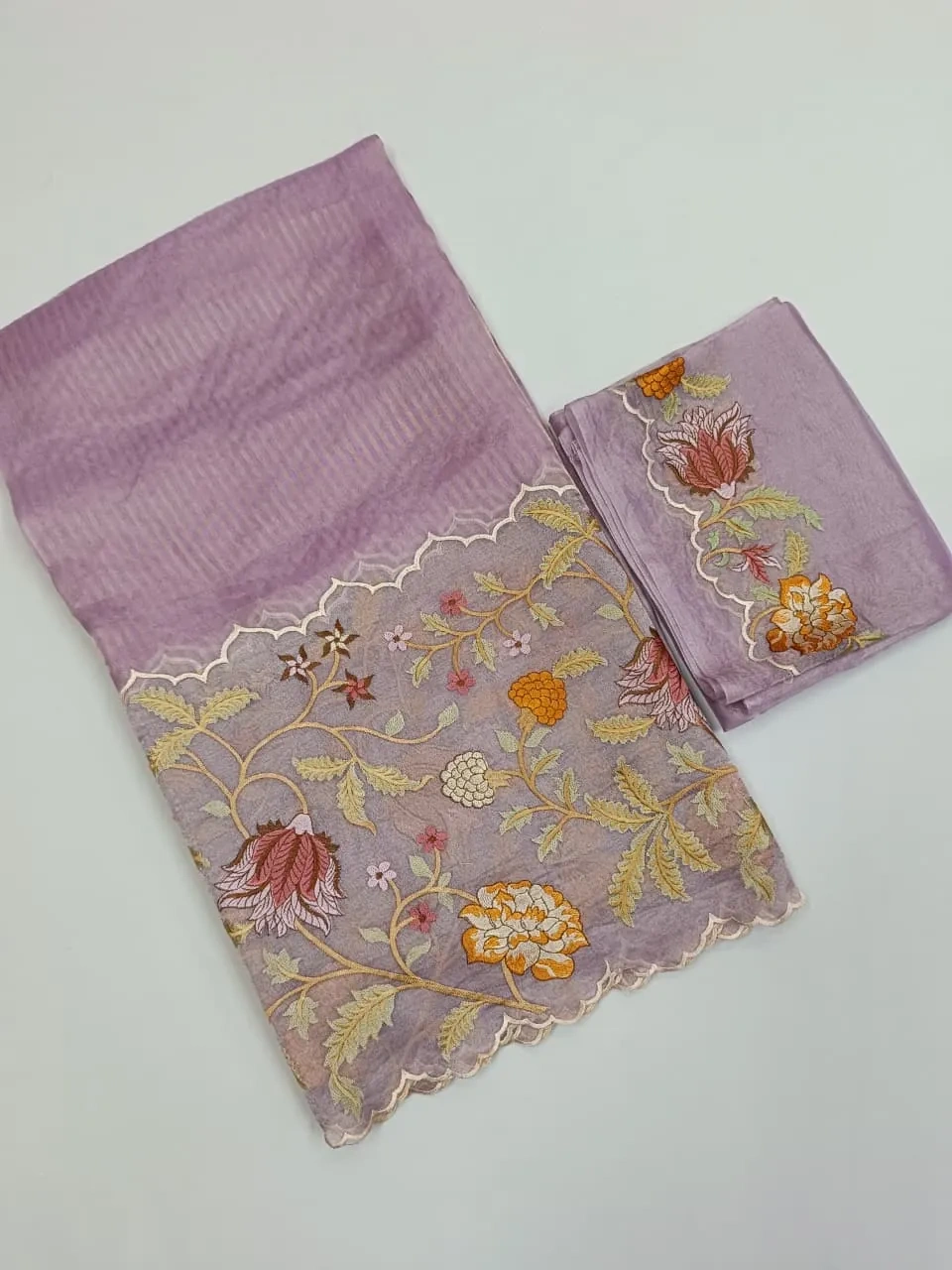
Raw Mango silk, with its unique texture and mango-hued vibrance, is gaining popularity among Indian-American women for its blend of tradition and modernity. Handcrafted raw silk sarees typically start at $150 and can cross $300 depending on the artisan, dyeing process, and region. The Pure Raw Mango Silk Saree – Handcrafted Elegance is priced at $225, reflecting its artisan origins and premium fabric.
How to Style a Silk Saree for US Occasions
Styling a silk saree for weddings, receptions, or cultural events in the US requires a blend of classic and contemporary elements. Here’s how to do it:
- Choose the right blouse neck design for your body type and event—boat necks for elegance, deep V for evening glam.
- Pair Kanjivaram and Banarasi sarees with traditional gold or kundan jewelry for authenticity.
- Add bold makeup (think kohl eyes, berry lips) to offset the saree’s sheen.
- Opt for comfortable yet stylish footwear—block heels or embellished juttis work well for long events.
- Drape lightly for tissue and kora silk sarees to let the fabric’s shimmer shine through.
Styling Tip: For a modern twist, pair your Banarasi tissue saree with a sleeveless or ruffled blouse and statement earrings. Layering with a silk-friendly petticoat also enhances drape and comfort.
What is Zari in Silk Sarees?
Zari is a metallic thread, traditionally made from pure silver or gold, used in Indian sarees to create ornate motifs and borders. Pure zari is more expensive and durable, while tested or synthetic zari (often copper or polyester-based) provides a similar look at a lower cost but may tarnish over time.
Did you know? The town of Kanchipuram is famous for using real silver zari, which accounts for the higher price of many handloom sarees from this region.
FAQ: Silk Saree Price Guide by Fabric
Why do pure silk sarees cost more than art silk?
Pure silk sarees cost more because they use natural silk fibers sourced from silkworms—an intensive, labor-driven process—while art silk is made from synthetic fibers like viscose or polyester. Pure silk offers better sheen, breathability, and longevity, making it more valuable and heirloom-worthy.
How does zari weight affect a saree's price?
Zari weight directly impacts a saree’s price. Heavier, pure silver or gold zari threads increase material costs and add to the overall weight, making the saree more luxurious. Sarees with intricate, all-over zari work are typically priced higher than those with minimal or tested zari.
What is a fair price for an authentic Kanjivaram in the US?
A fair price for an authentic handloom Kanjivaram silk saree in the US ranges from $200 to $400, depending on the intricacy of motifs, zari type, and silk weight. Import duties and artisan wages also factor in. Beware of prices below $150, as these may indicate blends or machine-made imitations.
Are handloom sarees worth the higher price?
Handloom sarees are worth the higher price because each piece is uniquely crafted by skilled artisans, often taking several days to weeks. Handloom weaving ensures superior durability, authentic patterns, and supports artisan communities. These sarees often become cherished family heirlooms.
Product Recommendations: Real Silk Sarees at Every Price
- Pure Kanchipuram Silk Wedding Saree with Intricate Zari Motifs ($275): Handcrafted in Kanchipuram, ideal for weddings and major celebrations. Pairs beautifully with traditional gold jewelry.
- Exquisite Pure Banarasi Kora Tissue Saree with Intricate Zari Work ($165): Lightweight, sheer kora tissue with intricate zari—perfect for festive days and evening events.
- Pure Banarasi Tissue Silk Saree for Weddings & Festive Celebrations ($155): Metallic shimmer and traditional patterns, a versatile festive choice.
- Pure Raw Mango Silk Saree – Handcrafted Elegance ($225): Vibrant hues and artisanal weaving for special parties and poojas.
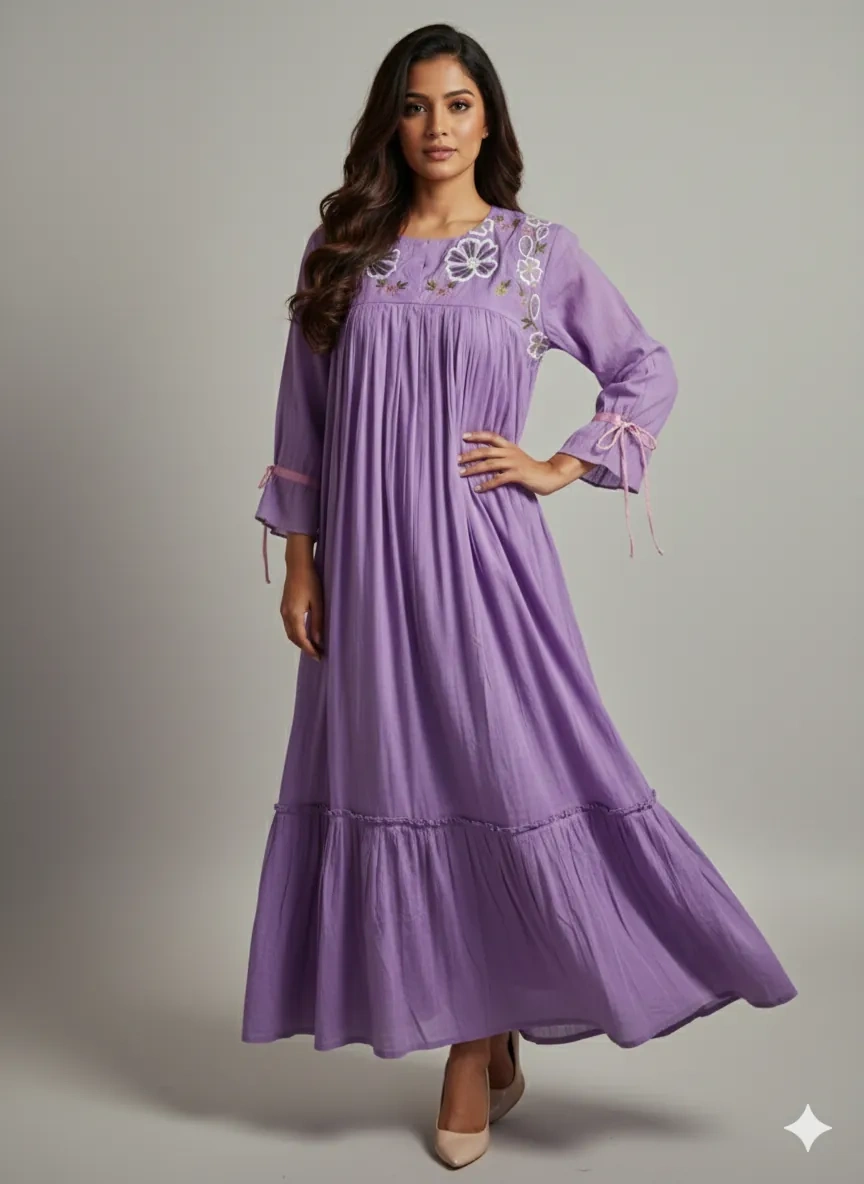
- For everyday elegance: Purple Mul Cotton Frock with Floral Embroidery & Pink Sleeve Ties ($35) offers breathable comfort and subtle embroidery.
To browse more, explore our Sarees and Dresses sections for the full range and up-to-date pricing.
Criteria for Buying Silk Sarees in the US: What to Check
- Ask for fiber content: Confirm if it’s pure silk, blended, or art silk. Look for origin certificates (e.g., GI tag for Kanchipuram).
- Check zari type: Pure zari adds to cost and value. Tested zari is a good budget option, but may not last as long.
- Weaving method: Handloom sarees are more expensive but unique; powerloom is more affordable and uniform.
- Weight and drape: Heavier sarees drape better and last longer; lighter sarees are comfortable for warm-weather events.
- Reputation of seller: Choose stores that source directly from artisan weavers and offer US-based support, like Swathi Design’s California team.
For more detail on fabric types, see our in-depth Tussar Silk vs Mulberry Silk: Quality, Care & Saree Style Guide.
Shop the Collection
Ready to find your dream saree? Browse our full collection for authentic Kanjivaram, Banarasi, and contemporary silk sarees—all sourced from Indian artisan weavers with transparent US pricing and support. Our concierge team confirms prices, provides WhatsApp styling help, and ensures every piece meets Swathi Design’s quality promise. US flat-rate shipping and a 48-hour video policy for damaged items make your purchase risk-free.
Conclusion: Silk Saree Price Guide by Fabric
Understanding the silk saree price guide by fabric empowers you to make confident, value-driven choices. Whether you’re investing in a Kanchipuram heirloom, a Banarasi showstopper, or a Raw Mango silk for special occasions, knowing what drives cost ensures you cherish both the artistry and the legacy. For more expert tips, see our advice on saree color combos and wedding guest attire. Celebrate your heritage—one beautiful silk at a time.
Featured in this guide
- Pure Kanchipuram Silk Wedding Saree with Intricate Zari Motifs
- Purple Mul Cotton Frock with Floral Embroidery & Pink Sleeve Ties
- Exquisite Pure Banarasi Kora Tissue Saree with Intricate Zari Work
- Pure Raw Mango Silk Saree - Handcrafted Elegance
- Pure Banarasi Tissue Silk Saree for Weddings & Festive Celebrations
Part of the Kanjivaram & Banarasi Silk Sarees guide collection.
Related guides
- Timeless Elegance: Handwoven Chanderi & Banarasi Silk Sarees for Every Special Occasion
- Celebrate Timeless Elegance with Luxurious Raw Mango Silk and Banarasi Sarees
- Timeless Elegance Redefined: The Latest Handwoven Banarasi & Kanchipuram Sarees for Every Celebration
- Discover the Timeless Beauty of Banarasi and Mangalagiri Silk Sarees
- Timeless Elegance: Explore the Artistry of Pure Zari and Banarasi Tissue Sarees