Sharara vs Gharara: Origins, Flare, and Styling Explained
Sharara vs gharara is more than a silhouette debate—it’s a journey through history, regional crafts, and intelligent styling. Textile expert Priya Menon breaks down the real differences, shares a side-by-side comparison, and offers practical advice for choosing, caring, and styling these festive classics for Indian-American celebrations.
Sharara vs Gharara: What’s the Difference?
Sharara vs gharara is a common question for anyone navigating Indian festive or wedding wardrobes—especially when shopping for flared ethnic pants or coord sets in the US. The answer lies in construction, regional origin, and how each garment moves. Shararas feature a continuous flare from the waist, while ghararas have a distinct, structured flare starting at the knee, often with a visible joint or ruching. Both styles evoke regal Mughal-era attire, but their comfort, silhouette, and cultural history set them apart.
| Feature | Sharara | Gharara |
|---|---|---|
| Flare Origin | Starts at waist, continuous | Starts at knee, with joint or gather |
| Historical Origin | Mughal courts (Awadh, Hyderabad) | Lucknow (Awadh region), North India |
| Comfort & Ease | Wide, flowing, easy to move | Structured at thigh, dramatic flare below knee |
| Styling Occasions | Festive, party, contemporary events | Weddings, traditional ceremonies |
Origin and History: Mughal Roots to Modern Runways
The origins of the sharara and gharara trace back to the Mughal era, where Persian influences shaped royal Indian attire. Shararas, with their flowing silhouette, were popular in Hyderabad and among Muslim nobility, while ghararas became a signature of Lucknowi culture. The gharara’s knee-patch (called gota or knee band) is a hallmark of Awadhi tailoring, designed for both movement and drama during festive dances. Today, both outfits are revived by designers for Indian-American audiences seeking rooted yet statement-making ensembles.
How Are Sharara and Gharara Constructed?
Both sharara and gharara pants are crafted by skilled karigars (artisans), but the tailoring differs in key areas:
- Sharara: Made from panels that flare outwards from the waist. No horizontal joint at the knee. Fabric choices often include silk, georgette, or Chanderi, lending fluidity.
- Gharara: Constructed in two parts: a fitted upper (hip to knee) and a dramatically gathered or pleated lower. The knee joint is often embellished with lace, zari, or gota-patti work. Traditionally cut from Benarasi brocades, pure cotton, or handloom silks.
This joint is more than decorative—it allows for a structured, bell-bottom shape that swishes as you walk.
How to Spot Authentic Sharara and Gharara Sets
Authenticity is about construction and craft, not mere design. A genuine gharara will always feature a knee seam or band, often hand-embroidered, and the lower flare will have a noticeably higher fabric volume than a sharara. Run your fingers along the inside—an authentic gharara’s joint will be reinforced, not just top-stitched. For both styles, check the finishing: handwoven or hand-embroidered details, traditional fabrics (Banarasi silk, brocade, Chanderi, or georgette), and careful lining signal a well-crafted piece.
One easy authenticity test: For ghararas, fold at the knee and gently stretch—the joint should resist while the lower flare expands, showing the panel construction. For shararas, the width should remain consistent from thigh to hem, with no abrupt joint.
Sharara: Silhouette, Styling, and Suitability
Shararas are prized for their comfort and movement. The flare begins at the waist, making them universally flattering and ideal for long hours at festive gatherings or parties. Their continuous fall makes them perfect for coordinated sets with crop kurtas or peplum tops. Contemporary designers use flowy materials—think chiffon, crepe, or light georgette—suiting both day and night events.
- Pros: Comfortable, easy to style, works for multiple body types, versatile for Indo-Western looks.
- Cons: Less structured, may not provide the dramatic effect some desire for wedding events.
Style tip: Pair a silk sharara set with a statement dupatta and jadau earrings for a festive event, or layer with a tailored jacket for a modern winter look. For more tips on layering and silk, see our Winter Silk Saree Edit.
Gharara: Craft, Heritage, and Festive Drama
Ghararas are steeped in tradition, especially in North Indian and Pakistani weddings. The knee joint and gathered flare offer a distinctive, structured look—ideal for formal ceremonies, pre-wedding functions, or Eid celebrations. Ghararas often feature heavy embroidery, zari, or brocade, echoing their nawabi roots.
- Pros: Striking silhouette, strong cultural resonance, perfect for heritage occasions.
- Cons: Can be heavier, less fluid; knee band may restrict movement if not properly tailored.
Style note: Pair with a short kurti and dupatta draped over one shoulder for a classic Lucknowi effect. For a California wedding, consider lighter Banarasi or Mysore silk ghararas for comfort.
Saree Alternatives: When to Choose Sharara or Gharara Over a Saree?
For Indian-American women, sarees remain the gold standard for weddings and Diwali, but shararas and ghararas offer practical, elegant alternatives—especially for sangeet, mehendi, or cocktail nights. If you love the look and feel of handwoven Indian silks, Swathi Design’s saree range includes drapes that echo the grandeur of these pant sets.
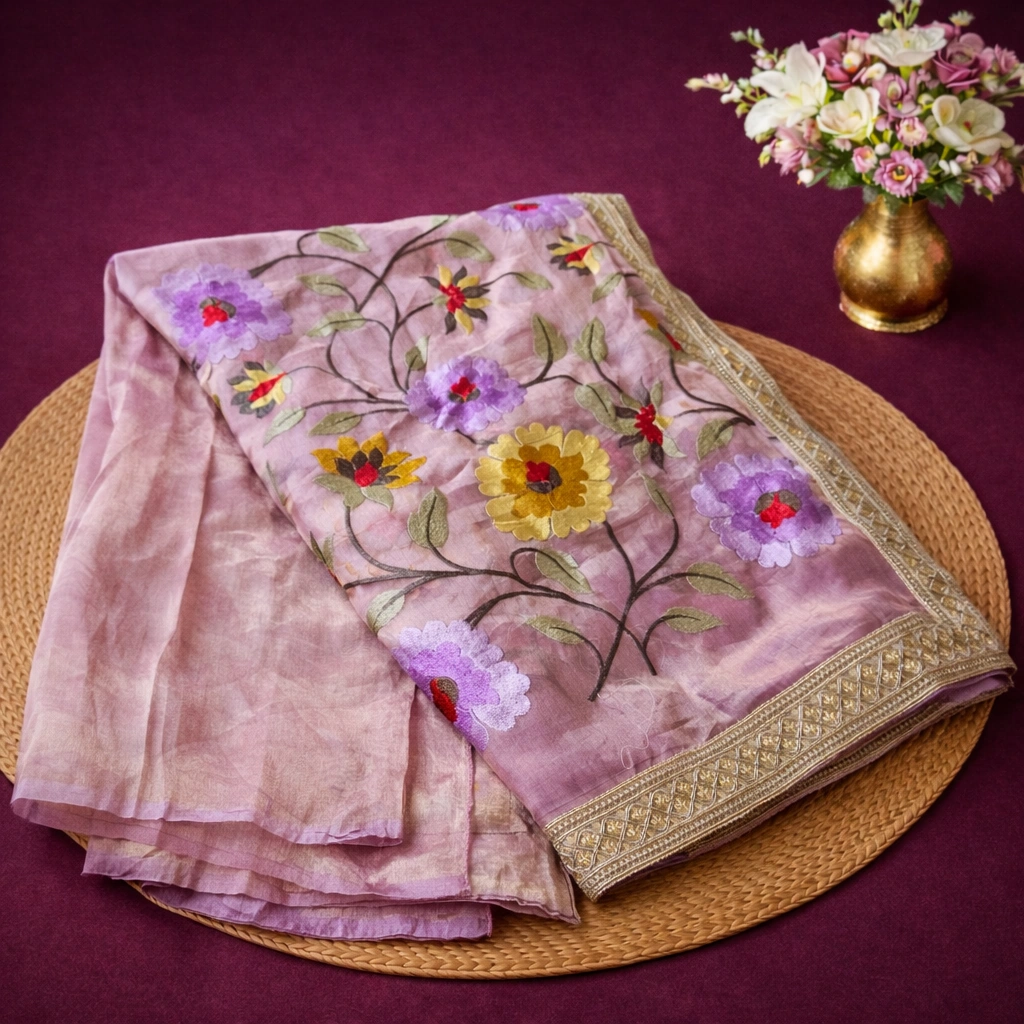
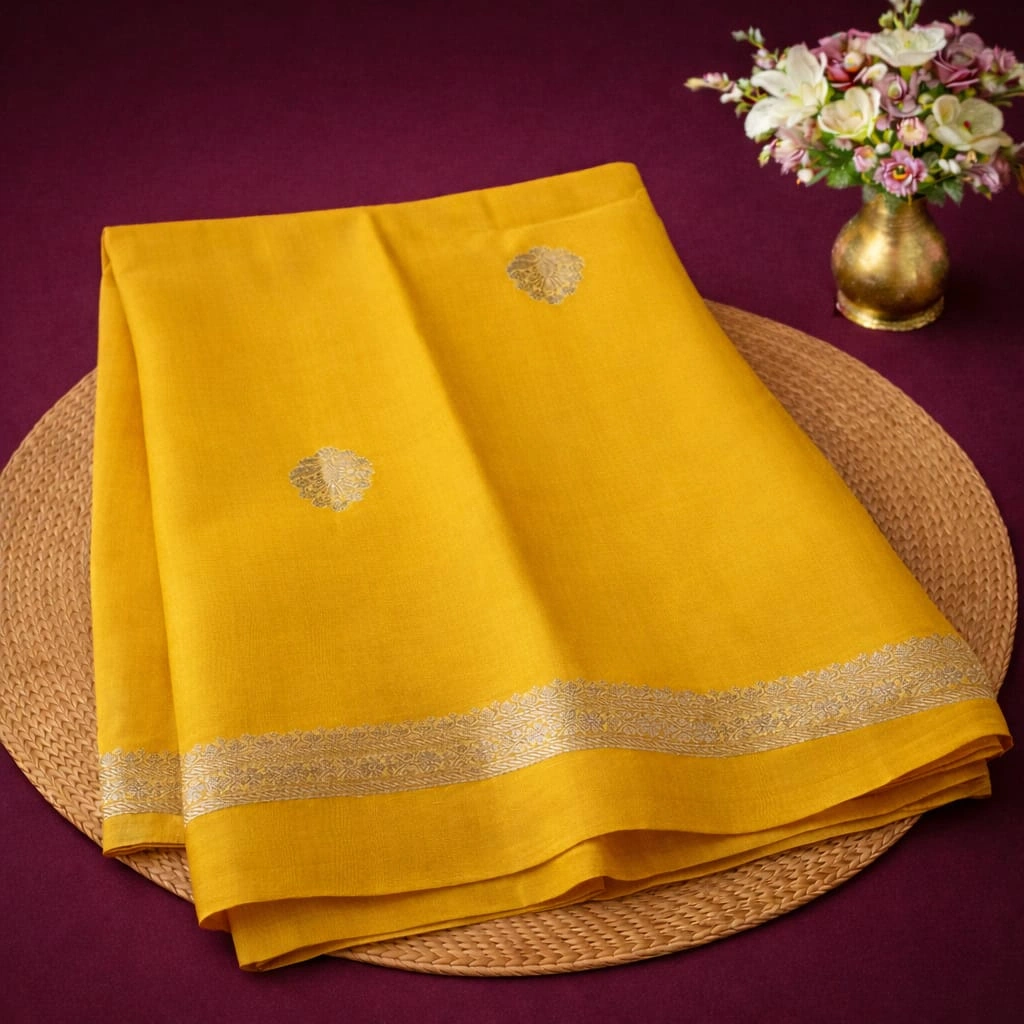
Consider the Pure Banarasi Kora Tissue Embroidered Saree (price confirmed on inquiry), handwoven in Varanasi with shimmering tissue and intricate embroidery—ideal for those who want saree grace with sharara comfort. Or, the Pure Brocade Mysore Silk Saree 120gms (price confirmed on inquiry), which offers the ornate luster of a traditional gharara in a timeless drape. For a lighter, vibrant look, the Luxurious Pure Banarasi Raw Mango Handloom Saree (price confirmed on inquiry) delivers contemporary color with classic handloom technique.
How to Style Flared Ethnic Pants for US Occasions
- Pair shararas with flowy kurtas or peplum tops for sangeet or Diwali parties; opt for muted tones and minimal jewelry for a contemporary look.
- Choose ghararas with short, heavily embellished kurtis for formal weddings or cultural galas. Add heritage jewelry (like polki or kundan) and a sheer dupatta for maximum impact.
- For Indo-Western events, style either with a tailored blazer and high heels.
Practical tip: Sharara sets with elasticated waists offer extra comfort for long, active evenings—a detail especially valued by those new to flared ethnic pants.
Sharara vs Gharara FAQ: Your Questions Answered
What is the difference between a sharara and a gharara?
Sharara vs gharara is a comparison of construction: a sharara features a continuous flare from waist to hem with no knee joint, while a gharara has a fitted upper leg and a distinct, gathered flare starting at the knee, often highlighted with decorative stitching or banding. The gharara’s dramatic knee flare is its defining feature.
Which is more traditional, sharara or gharara?
Ghararas are generally considered more traditional, especially in the context of North Indian, Lucknowi, and Pakistani wedding attire. The construction—a knee joint with a heavily flared lower—reflects Awadhi tailoring that dates back to the Mughal period. Shararas, while also historic, are more associated with Hyderabad and have evolved into versatile festive wear.
Which is more comfortable, sharara or gharara?
Shararas are typically more comfortable due to their continuous, wide flare that enables free movement and accommodates various body types. Ghararas, while elegant, can feel more restrictive at the thigh and knee if not properly tailored. For all-day events, a lightweight sharara in georgette or silk is often preferred for comfort.
What occasions suit a sharara vs gharara?
- Sharara: Ideal for sangeet, Diwali, contemporary parties, and Indo-Western gatherings where ease and style are both priorities.
- Gharara: Perfect for weddings, nikah ceremonies, formal family events, and traditional celebrations where a dramatic, structured look is desired.
How to Care for Sharara and Gharara Sets
- Always dry clean garments with zari, gota, or delicate embroidery—machine wash can damage metallic threads and handwork.
- Fold along the seams, and avoid hanging heavy ghararas by the waistband to prevent sagging at the knee joint.
- Store in a cool, dry, shaded place—silks and brocades are prone to fading in direct sunlight.
- One practical tip: Use acid-free tissue between folds to preserve embroidery and prevent creasing, especially for heirloom pieces.
For sarees with similar care needs, see our advice in How to Choose an Heirloom Saree Gift to Pass Down.
Regional Craftsmanship: Benarasi, Mysore, and Beyond
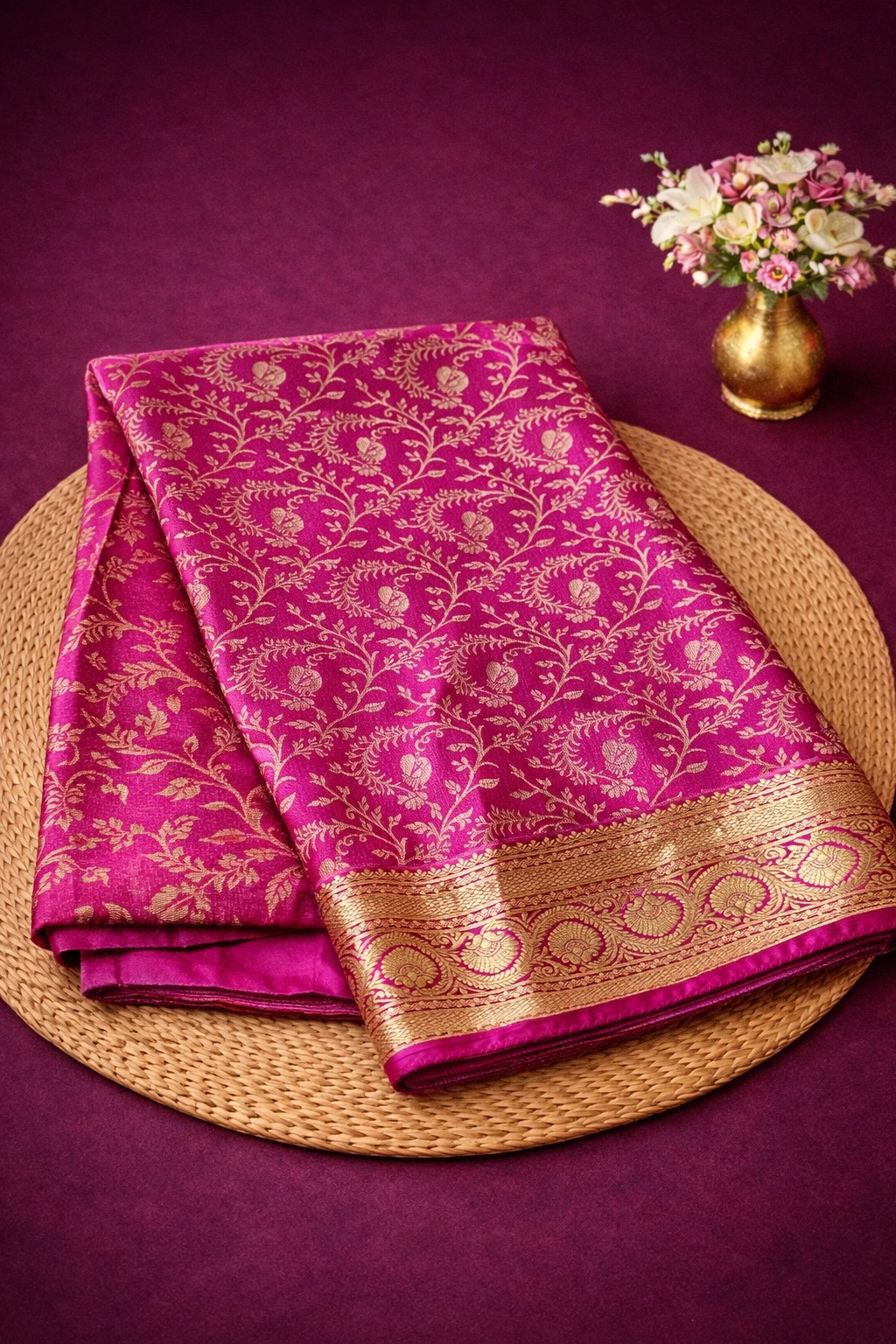
While shararas and ghararas are signature North Indian silhouettes, their fabrics often come from legendary textile regions. Benarasi brocade, woven in Varanasi with pure silk and metallic zari, is prized for both sarees and gharara bottoms. Mysore silk, known for its buttery texture and vibrant sheen, is increasingly used for modern sharara sets favored by Indian-Americans seeking lightweight opulence. At Swathi Design, you’ll find sarees crafted by artisan weavers from these storied centers—each piece a bridge between heritage and today’s festivities.
Compare the Pure Brocade Mysore Silk Saree 120gms for its 120gms handfeel and intricate brocade work, or the Luxurious Pure Banarasi Raw Mango Handloom Saree for a vibrant, contemporary take on classic weaving.
Sharara vs Gharara: Which to Choose for Festive Season?
The choice between sharara and gharara depends on your comfort, the event’s formality, and how much movement you want. For all-day comfort and a modern silhouette, opt for a sharara. If you seek heritage drama and a nod to North Indian tradition, a gharara with knee gathers and brocade fabric is more appropriate. Both styles can be styled for US-based events using contemporary or traditional accessories—a key point for Indian-Americans balancing roots with modern tastes.
Shop the Collection
Ready to explore authentic Indian festive wear? Browse our full collection at Swathi Design, including sarees from Varanasi and Mysore, and discover handpicked pieces for every celebration. For personalized advice on sizing, styling, or fabric selection, our California-based team offers WhatsApp support and flat-rate US shipping. Embrace the artistry of Indian fashion—crafted for today, rooted in centuries of tradition.
Featured in this guide
Part of the Indian Wedding & Festive Dressing guide collection.
Related guides
- Chanderi Silk Suits in USA: Embrace Ethnic Grace for Weddings & Festive Occasions
- Elevate Your Festive Wardrobe: Stunning Indian Dresses for US Weddings & Celebrations
- Celebrate Indian Heritage in the USA: Pure Silk Gowns for Weddings & Festive Glamour
- Elevate Your Wedding Look with Exquisite Pure Banarasi Kora Tissue Sarees
- Timeless Elegance: Discover the Pure Banarasi Kora Tissue Saree Collection for Weddings & Festivals