Saree Draping for Body Types: Flattering Pleats, Pallu & Fabric Choices
Unlock saree draping for body types with expert tips on pleat count, pallu width, and fabric selection. Discover how to flatter every silhouette—petite, plus-size, tall, apple or pear-shaped—while styling gorgeous lehengas and suits for US celebrations. Body-positive, practical, and rich with real advice for the modern Indian-American woman.
Before You Start: The Essentials of Saree Draping for Body Types
Quick answer: Saree draping for body types is all about choosing the right fabric, pleat technique, and pallu style to enhance your natural shape. Whether you’re petite, plus-size, tall, or curvy, the right choices can help you look and feel your best at every celebration.
Let’s set the scene: it’s a crisp fall evening in California, your cousin’s sangeet is in full swing, and you’re deciding between an ethereal Off-White Silk Muslin Lehenga, a breezy Pastel Mul Cotton Kurta Set, or a sophisticated Mul Chanderi Silk Beige Suit. Here’s how to style each piece to suit your unique body type, with practical advice for pallu width, pleat placement, and blouse choices—because every woman deserves to feel confident in her heritage wear.
What is Saree Draping for Body Types?
Definition Snippet: Saree draping for body types is the practice of selecting specific saree fabrics, pleat placements, and pallu widths to flatter the unique proportions of various body shapes—such as petite, plus size, tall, pear, or apple—ensuring both comfort and style at festive occasions.
It’s not just about the trendiest drape; it’s about understanding how every detail, from the weight of the muslin to the width of your pallu, can highlight your best features. Indian-American women often blend traditional aesthetics with modern confidence, so let’s break down how to honor both.
What You’ll Need
- Your chosen saree, lehenga, or suit (muslin, mul cotton, or Chanderi silk are all excellent for US climates)
- Well-fitted blouse (consider sleeve length, neckline, and back style for your shape)
- Matching petticoat or lehenga skirt
- Safety pins, pleat clips, and a full-length mirror
- Accessories: jewelry, footwear, and dupatta (if styling a suit or lehenga)
Step 1: Choose the Right Fabric for Your Body Type
Fabric can be your secret weapon. Here’s how to pick:
- Muslin (like the Off-White Lehenga): Lightweight, breathable, and drapes softly. Great for all body types, especially plus-size and apple shapes, as it doesn’t cling but provides definition with embroidery.
- Mul Cotton (as in the Pastel Kurta Set): Feather-light and comfortable, perfect for petite women who want less bulk but still crave structure. Mul cotton gives movement and airiness.
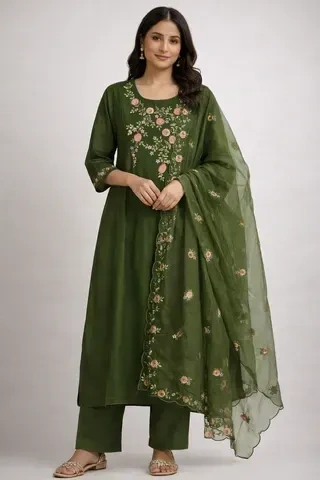
- Chanderi Silk: Known for its subtle sheen and crisp finish, Chanderi silk suits add refinement for tall or pear-shaped women, offering both drape and formality without overwhelming the frame.
| Fabric | Best for Body Type | Key Benefit |
|---|---|---|
| Muslin | Plus-size, Apple | Soft drape, comfort, doesn’t cling |
| Mul Cotton | Petite, Pear | Light, airy, easy pleating |
| Chanderi Silk | Tall, Pear | Crisp, structured, elegant |
Handloom muslin from Bengal has been prized since the Mughal era for its gossamer quality—legend says a full six-yard length could pass through a ring. Today’s Indian-American celebrations favor these fabrics for their comfort and easy care.
Step 2: Silhouette & Pleat Placement for Every Body
Pleating is the difference between looking polished or lost in fabric. Here’s a breakdown for each body type:
- Petite: Limit pleats to 4–5, keeping them narrow and crisp. Too many pleats can swamp a small frame. Try a high-waisted tuck for added height.
- Plus-size: Go for 6–7 wider pleats to streamline the midsection and avoid fabric bunching. Anchor pleats with pins for a smooth fall.
- Tall: Experiment with 6–8 generous pleats and a deeper tuck at the waist. A slightly fuller skirt balances height.
- Pear-shaped: Place pleats slightly off-center to draw the eye upward; avoid bulk at the hips.
- Apple-shaped: Keep pleats minimal and flat. A longer pallu worn over one shoulder adds vertical length and elegance.
For lehengas like the Off-White Silk Muslin Lehenga, the A-line cut flatters every silhouette, letting you focus on blouse fit and dupatta drape for custom shaping.
Step 3: Perfecting the Pallu Width and Placement
Pallu width and how you style it can transform your look—and your confidence.
- Petite Women: Opt for a slim, neatly pleated pallu (9–12 inches wide), pinned at the shoulder. This prevents overwhelming your frame and keeps the focus vertical.
- Plus-size: A mid-width pallu (12–15 inches) draped diagonally across the bust creates a slimming effect. Pin securely for smooth lines.
- Tall: Embrace a wide, flowing pallu (15+ inches) left open or gently pleated. You can let it cascade for dramatic movement—perfect for Chanderi silk suits.
- Pear-shaped: Keep the pallu close to the neck and shoulder to draw attention upward; avoid letting it fall too far back.
- Apple-shaped: A longer, cascading pallu adds verticality, elongating the torso.
Pro tip: For festive US occasions, try a sheer or lightly embroidered dupatta (like the 2.5m one in the Mul Chanderi Silk Beige Suit) as your pallu for a modern, effortless vibe.
Step 4: Blouse Choices Tailored to Body Type
Blouse design is where you can truly personalize your saree or lehenga look.
- Petite: Cropped, fitted blouses with boat necks or jewel necklines add height. Cap sleeves or sleeveless styles keep proportions balanced.
- Plus-size: Longer blouses (ending just above the hip) with V or sweetheart necklines flatter curves and elongate the neck. Three-quarter sleeves add elegance without bulk.
- Tall: Experiment with high-necked, collared, or halter blouses—these break up long torsos. Brocade or embroidered yokes draw focus upward.
- Pear-shaped: Embellished, padded, or structured shoulders add balance; off-shoulder styles highlight collarbones.
- Apple-shaped: Empire waist or peplum blouses define the waist. Avoid high necks; opt for open, wider necklines to balance proportions.
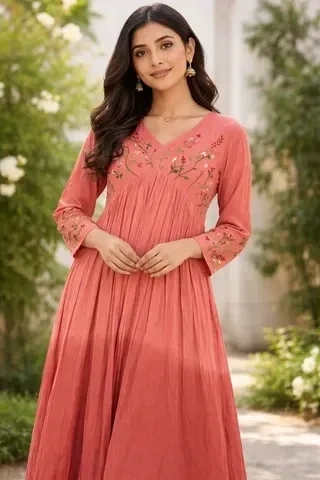
Each Pastel Mul Cotton Kurta Set includes an adjustable bottom—perfect for custom tailoring your silhouette and comfort, whether you’re dancing at a sangeet or hosting a festive brunch.
Step 5: Best Accessories for Every Body Type
- Petite: Stick to delicate polki studs, slim bangles, and classic juttis. Avoid oversized bags or chunky necklaces.
- Plus-size: Statement earrings, bold cocktail rings, and mid-heel sandals add proportion. Try an embellished clutch for contrast.
- Tall: Layered necklaces, stacked bangles, and dramatic chandelier earrings suit longer frames. Embroidered mojaris or wedges work well.
- Pear-shaped: Shoulder-dusting earrings and ornate hair accessories draw attention upward.
- Apple-shaped: Long necklaces and minimal, elegant footwear create clean lines.
3 Ways to Wear Swathi Design’s Newest Arrivals for Your Shape
- Classic Regal (Lehenga): Pair the Off-White Silk Muslin Lehenga with a contrasting silk blouse (red for warm tones, emerald for cool), bold polki jewelry, and juttis. For plus-size, choose a blouse with elbow sleeves; for petite, add a high-waisted dupatta drape for extra length.
- Modern Minimalist (Kurta Set): Style the Pastel Mul Cotton Kurta Set with minimalist gold hoops, a sheer pastel dupatta, and embroidered flats. Petite women: keep dupatta pleats neat and narrow. Pear-shaped: add a waist belt for definition.
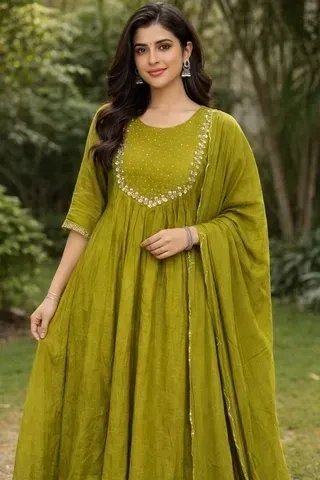
- Elegant Statement (Chanderi Suit): For the Mul Chanderi Silk Beige Suit, wear with bold statement earrings, a soft, loosely draped dupatta, and metallic sandals. Tall women: open pallu for drama. Apple-shaped: pin dupatta diagonally for a slimming effect.
Browse more occasion-ready dresses in our Dresses collection.
How do I drape a saree to look slimmer?
To look slimmer in a saree, select lightweight fabrics like georgette, crepe, or muslin, and avoid heavy borders. Keep pleats flat and evenly spaced at the waist, and choose a mid-width pallu draped diagonally across the bust. Pair with a well-fitted blouse with a V-neck or deep U-neck, and avoid excessive layering or bulky accessories.
- Choose soft, fluid fabrics (muslin, georgette, crepe)
- Pin pleats flat, avoid bunching
- Drape pallu diagonally for vertical effect
- Opt for darker or single-tone colors
- Minimal embroidery or slim borders
For stubborn stains on delicate fabrics, see our post on how to remove stains from a silk saree.
Which saree fabric suits a plus-size figure?
For plus-size women, the most flattering saree fabrics are muslin, chiffon, and soft silk—these drape close to the body without adding volume. Avoid stiff, heavy materials like organza or thick brocade, which can create bulk. Muslin, as used in the Off-White Silk Muslin Lehenga, offers breathability and grace, while the A-line cut gently skims curves.
How should petite women drape a saree?
Petite women should opt for lightweight sarees with vertical patterns or small motifs. Limit pleats to 4–5, keep them narrow, and tuck them high on the waist for added height. Choose a slim pallu (9–12 inches wide) and pin at the shoulder. Avoid heavy borders or large prints, which can overwhelm a smaller frame. Mul cotton or soft silk works beautifully.
How can tall women style a saree without looking gangly?
Tall women can balance their height by choosing sarees with broad borders, bold prints, or horizontal detailing. Use 6–8 generous pleats and a wide pallu, letting it fall open for a dramatic effect. Blouses with high necks or embellishments break up the torso, while layered jewelry adds proportion. The Chanderi Silk Beige Suit offers a perfect mix of structure and flow for tall frames.
Expert Tips for Caring for Your Ethnic Wear
- Muslin & Mul Cotton: Hand wash in cold water, air dry flat to prevent stretching. Store in breathable cotton bags.
- Chanderi Silk: Hand wash gently or dry clean. Avoid direct sunlight to preserve sheen. For zari work, read our guide on how to care for zari work.
Swathi Design offers a 48-hour damaged-item video policy and WhatsApp styling support, making it easy to choose and care for your pieces from the US.
Shop the Collection
Ready to transform your festive style with pieces that love your body back? Explore these featured outfits and more in our full collection. For custom styling tips, price confirmation, or artisan sourcing details, our California team is just a message away. Celebrate your individuality—and the beauty of Indian craftsmanship—this season.
Featured in this guide
Part of the Designer Sarees Online — USA Buying Guides guide collection.
Related guides
- Swathi Designs Boutique: Where to Buy Authentic Indian Wedding Sarees in the USA
- Handwoven Sarees Online USA: Your Essential Guide to Indian Elegance, Artisan Craft, and Modern Styling
- Kanchipuram Silk Saree USA: The Ultimate Guide to Buying Authentic Wedding Sarees Online
- Luxury Handwoven Sarees Online in USA: The Ultimate Buying Guide
- Timeless Chanderi & Silk Suits for US Weddings: The Ultimate Guide to Ethnic Elegance in the USA