How to Remove Stains From a Silk Saree (By Type)
Oil, turmeric, sweat, or makeup spills on silk sarees are common, but safe removal is possible. This expert guide explains how to spot-treat each stain type, why technique matters, and when to consult a silk specialist. Protect your investment—learn to care for Dola silk, Chinon, and more.
How to Remove Stains From a Silk Saree (By Type)
Silk sarees—whether pure Dola silk, Chinon, or heritage weaves—are prized for their luster, intricate handwork, and cultural significance. Yet, stains from turmeric, oil, makeup, or sweat can mar their beauty. The right removal method preserves both fabric and legacy. This guide covers how to remove stains from silk saree, organized by stain type, with safe, craft-respecting techniques used by textile specialists.

Before You Start: What You'll Need
- White cotton cloths or soft towels (untreated, unprinted)
- Distilled water (tap water may contain minerals that stain silk)
- Pure, clear liquid soap (like baby shampoo or silk detergent)
- White vinegar
- Cornstarch or talcum powder (for oil stains)
- Unbleached paper towels
- A bowl for mixing
- Soft natural-bristle brush (optional)
- Patience—silk rewards gentle, unhurried care
Step 1: Identify the Stain and Act Fast
- Blot, never rub, the area with a clean white cloth to absorb excess substance. Rubbing forces pigment into the silk's delicate fibers.
- Note the stain type: turmeric (yellow-orange), oil/ghee (translucent, greasy), sweat (yellowish, often underarms), wine (red/purple), makeup (beige/pink), ink (blue/black).
- Test colorfastness on an inner hem by dabbing with a damp white cloth. If color transfers, avoid water-based cleaning—see specialist.
How to Remove Turmeric Stain From Silk Saree
Turmeric stains are notoriously persistent, especially on protein-based fibers like silk. Removing turmeric from silk saree requires a careful, staged approach.
- Blot up any excess turmeric paste or powder immediately with a dry cloth.
- Mix a solution of one teaspoon clear gentle soap in one cup distilled water. Dab a small amount onto the stain with a clean cloth; do not soak.
- Blot—do not rub—the stain, working from the outside in.
- For stubborn yellowing, mix one part white vinegar with two parts distilled water. Lightly dab and blot again.
- Rinse gently with a damp cloth using distilled water, then dry flat away from sunlight.
- Stain persists after one attempt? Stop and see a silk specialist to avoid dye loss.
Definition Snippet: Turmeric stain removal from silk saree is the process of gently dabbing the affected area with a mild soap solution and vinegar, blotting—not rubbing—to lift the pigment without damaging the delicate silk fibers or altering dye.
How to Remove Oil or Ghee Stains From Silk Saree
Oil stains are common during festive meals or wedding rituals. Dola silk and Chinon respond best to dry absorption methods.
- Immediately sprinkle cornstarch or unscented talcum powder liberally over the fresh stain.
- Let it sit for 30–60 minutes to absorb oil.
- Gently brush off powder with a soft brush or shake the fabric.
- Repeat if needed; do not use water at this stage.
- If any residue remains, dab with a cloth dampened with diluted silk detergent (1:10 ratio).
- Allow to air dry flat, away from direct sunlight.
List Snippet:
- Sprinkle cornstarch or powder
- Wait 30–60 minutes
- Brush off gently
- Spot clean with diluted silk detergent if needed
How to Remove Sweat and Deodorant Marks From Silk
Sweat and deodorant stains often form underarm discoloration, especially in warm climates or during long celebrations.
- Mix equal parts white vinegar and distilled water.
- Dab gently onto the stained area with a white cloth.
- Let sit for 5–10 minutes; blot with a dry cloth to absorb moisture.
- Rinse with a slightly damp cloth (distilled water only).
- Lay flat to dry, avoiding any heat source.
- Persistent yellowing or odor? Stop and consult a silk specialist—over-wetting can lead to watermarks.
How to Remove Wine, Makeup, and Ink Stains From Silk
| Stain Type | Immediate Action | Safe DIY Method |
|---|---|---|
| Wine (Red/Purple) | Blot with paper towel | Dab with diluted soap, rinse, dry flat |
| Makeup (Foundation/Lipstick) | Remove excess with edge of spoon | Dab with gentle soap solution, blot dry |
| Ink | Blot, never rub | Test colorfastness, then dab with diluted alcohol on cotton swab; if color bleeds, stop |
Always test the cleaning solution on a hidden part of the saree first. If in doubt, seek professional cleaning—especially for vintage or handloom pieces from regions like Kanchipuram or Varanasi, where natural dyes can migrate.
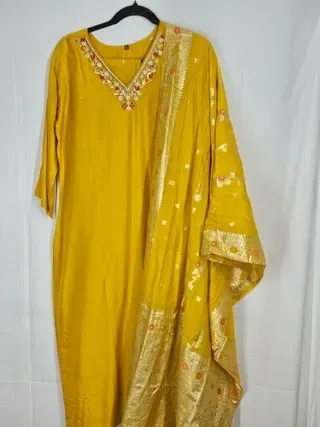
How to Spot Authentic Dola Silk and Chinon
Authentic Dola silk is a blended silk fabric with a characteristic soft sheen and smooth drape, often woven in Bhagalpur or Surat. Chinon is a lightweight, sheer silk with a subtle shimmer, prized for its airy quality. Real Dola silk feels cool to the touch and produces a gentle rustling sound, known as the 'silk whisper', when rubbed lightly. The burn test (done only by professionals) reveals a smell like burnt hair and leaves a fine ash, never a hard bead.
Swathi Design sources Gold Pure Dola Silk Ethnic Gowns and Handcrafted Pure Chinon Anarkali Gowns directly from artisan weavers in India, ensuring authentic fiber content and traditional weaving techniques.
Simple Authenticity Test for Silk at Home
- Rub a small section of the saree between your fingers. Real silk feels cool and produces a faint crunch or rustle.
- Hold the fabric up to light—real silk will have irregularities in weave, not a machine-perfect grid.
- Genuine silk does not stretch easily; synthetic blends typically do.
Product Spotlight: Contemporary Silk Gowns for Festive Wear
For Indian-American women seeking heritage with modern sensibility, silk gowns offer an elegant alternative to the saree. Swathi Design’s Gold Pure Dola Silk Ethnic Gown (rich gold, $45) and Elegant Pure Dola Silk Gown (ruby red, emerald green, royal blue, golden beige, $38) are meticulously tailored for weddings, Diwali, and upscale galas. The Pure Chinon Anarkali Gown ($48) adds regal flow and hand-embellished detailing for formal occasions.
Each is crafted from 100% pure Dola silk or Chinon, with a luminous finish and smooth touch that signals quality. Pair with statement jewelry and a shimmering clutch for a look that honors tradition while feeling current. See more options on our Dresses page.

How to Care for Silk Gowns and Sarees
- Always dry clean pure silk for deep cleaning; spot treat only for minor stains.
- Store silk sarees and gowns in a cool, dry place, folded in muslin cloth to prevent yellowing and abrasion.
- Refold every three months to avoid permanent creases along the warp and weft.
- Avoid direct sunlight, which fades natural dyes—especially important for jewel tones like those in Chinon Anarkalis from Bhagalpur.
- Never hang silk for long periods; it can stretch the weave.
For more detail on preserving zari, see our guide on How to Care for Zari Work on Saree.
When to See a Silk Specialist
- Stains covering more than 2 inches
- Unknown substances, or color bleeding on spot test
- Antique, hand-painted, or heavily embroidered sarees
- Persistent odor or residue after gentle DIY attempts
Professional silk cleaners, especially those familiar with South Asian textiles, use methods like solvent immersion and color stabilizers not available at home.
Frequently Asked Questions: Stain Removal on Silk
How do you remove a turmeric stain from a silk saree?
To remove a turmeric stain from silk saree, blot the area immediately with a dry cloth, then dab with a solution of mild soap and distilled water. For persistent stains, use a diluted white vinegar solution, always blotting gently. If yellowing remains, consult a specialist; avoid household stain removers, which can set the color.
Can you use stain remover on pure silk?
Commercial stain removers are generally not recommended for pure silk because they often contain harsh chemicals that can damage protein fibers, strip dyes, or leave rings. Always do a colorfastness test. For valuable or sentimental sarees, seek a textile conservator or specialist dry cleaner familiar with silk.
How do you get oil stains out of a silk saree at home?
To remove oil stains from silk saree at home, immediately sprinkle the area with cornstarch or talcum powder, let it absorb for 30–60 minutes, and gently brush off. Repeat as needed, then spot clean with diluted silk detergent if a residue remains. Avoid water at first, as it can spread the oil.
How do you remove sweat and deodorant marks from a saree?
Mix equal parts white vinegar and distilled water. Dab onto the affected area with a cotton cloth, let sit briefly, then blot dry. Rinse with distilled water if needed. For persistent yellowing, consult a specialist to avoid water stains or dye loss.
What Makes Silk Worth the Care?
Silk is valued for its unique combination of strength, softness, and natural sheen. The labor-intensive processes—like handloom weaving in Kanchipuram or Bhagalpur—create fabrics prized for generations. Its protein structure resists dust mites and keeps colors vibrant, but its sensitivity to acids, alkalis, and sunlight means informed care is essential. Each stain removed carefully helps preserve not just fabric, but the story and artistry of Indian textile heritage.
Shop the Collection
Explore silk gowns and festive wear crafted by Indian artisans. Visit browse our full collection or consult Swathi Design’s WhatsApp for personalized stain and styling advice. Protect your investment—learn how to remove stains from silk saree and keep your heirlooms radiant for years to come.
Featured in this guide
Part of the Handwoven Silks: Chanderi, Tussar & Raw Mango guide collection.
Related guides
- Elevate Every Occasion: Handcrafted Indian Gowns & Frocks for Modern Celebrations in the USA
- Elevate Every Occasion: Pure Chanderi Pattu Silk Sarees for Indian-Americans in the USA
- Exquisite Russian Crape Silk Saree: Timeless Elegance for Every Occasion
- Luxurious Pure Russian Crape Saree: Timeless Elegance for Every Occasion
- Elevate Your Festive Wardrobe with Exquisite Handwoven Chanderi Sarees and Anarkali Dresses