Pattu or Soft Silk: Which Should You Buy?
Pattu and soft silk sarees each offer distinct advantages for Indian-American women choosing wedding or festive attire. This post compares comfort, price, drape, and occasion fit—so you can confidently select the ideal silk saree for your next event.
Pattu or Soft Silk: Which Should You Buy?
For Indian-American women shopping for a wedding or festive saree, the decision between pattu and soft silk is pivotal. The right choice depends on your priorities—occasion, comfort across a long event, price, and how you want your drape to feel and look. Below, I break down these factors with specific examples from Swathi Design’s current collection, so you can make an informed choice with clarity.
Pattu vs Soft Silk: Quick Comparison
| Feature | Pattu Silk Saree | Soft Silk Saree |
|---|---|---|
| Formality | Traditional, highly formal (weddings, temple ceremonies) | Semi-formal to festive (parties, lighter functions) |
| Weight | Medium-heavy (due to zari and dense weave) | Lighter, airy (less zari, looser weave) |
| Comfort (All-day wear) | Structured drape; may feel warm over long events | Soft, breathable, easier for extended wear |
| Price (USD) | $185–$235 (Swathi Design Chanderi Pattu range) | $120–$200 (Typical soft silk range) |
| Care | Dry clean only, careful folding | Dry clean recommended, less prone to creasing |
Both pattu and soft silk sarees have their place in a US event calendar, but their strengths shine in different circumstances. Let’s examine the origins, craftsmanship, authenticity, care, and buying scenarios for each.
The Origin of Pattu and Soft Silk Sarees
"Pattu" simply means silk in Tamil, but today it refers specifically to a class of sarees woven from pure mulberry silk with rich, lustrous zari work. The most renowned pattu sarees—such as Kanchipuram (Kanjivaram), Banarasi, and Chanderi pattu—are woven on pit looms, often by hereditary artisan communities in regions like Kanchipuram, Varanasi, and Chanderi. These sarees carry generations of weaving knowledge, often protected by Geographical Indication (GI) tags in India.
Soft silk sarees, by contrast, are a modern evolution. They use the same pure silk threads but are woven with a looser, softer hand. This results in lighter, more fluid drapes, often with less (or subtler) zari. They originated in South India as a response to urban buyers’ desire for comfort and versatility—softer on the skin and easier to manage, but still elegant.
How Are Pattu Silk Sarees Made?
Pattu sarees are handwoven on pit looms using pure mulberry silk warp and weft. The process is intricate:
- Yarn Preparation: Mulberry silk is reeled, degummed, and dyed, ensuring a luminous, even texture.
- Zari Inlay: Silver or copper threads plated with gold (zari) are woven into the borders and pallu using supplementary weft techniques.
- Weaving: Skilled artisans pass the shuttle by hand, monitoring tension and design alignment. Pit looms keep threads at precise tension for crisp, defined motifs.
- Finishing: Sarees are checked for consistency, washed, and pressed. Traditional motifs—such as peacocks, temples, or mangoes—are regionally specific.
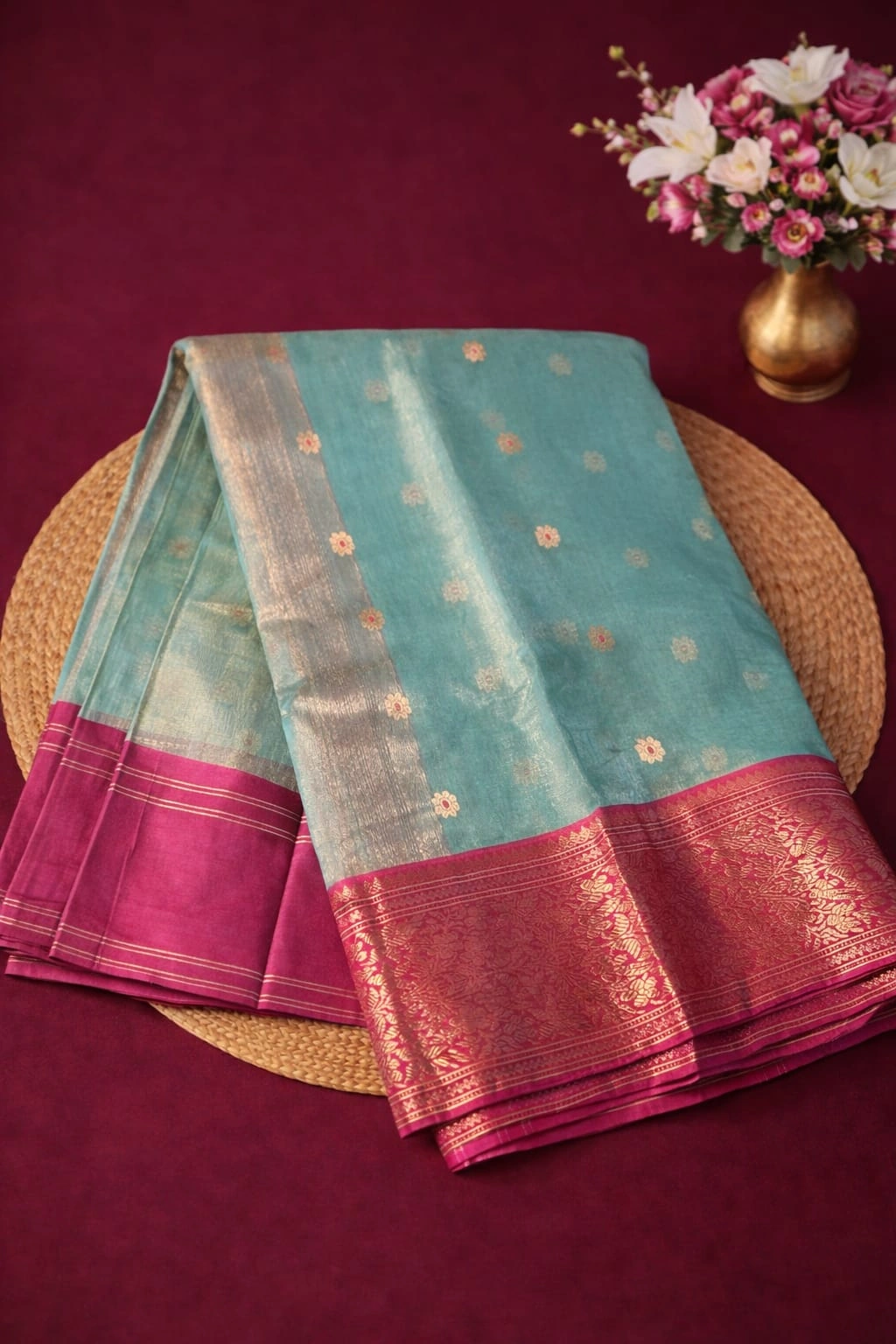
Take the Pure Chanderi Pattu Silk Saree – Handwoven Traditional Indian Saree for Special Occasions (price confirmed on inquiry). Its sheer, luminous Chanderi silk is offset by pattu’s signature shimmer and detailed woven patterns—an unmistakable mark of slow, artisanal work.
How Are Soft Silk Sarees Made?
Soft silk sarees use similar raw materials—mulberry silk—but the weaving process differs to prioritize comfort and a gentler hand. The silk is spun finer, and the loom tension is relaxed. Motifs may be woven with silk thread or light zari, making the saree lighter and more pliant. Soft silks from Kanchipuram or Arni are especially popular among younger buyers for their ease of drape and modern color palettes.
If you’re planning for a long day—say, a wedding that stretches to a sangeet and reception—soft silk is less fatiguing. It’s also a strong choice for parties, temple visits, or travel-heavy celebrations. Browse the Sarees section at Swathi Design to compare soft silk options side-by-side with pattu.
How to Spot Authentic Pattu Silk
- Touch & Sheen: Pure mulberry silk feels cool and smooth to the touch, with a unique luster. Run your hand gently—real silk will feel almost fluid, never plasticky.
- Zari Test: Scratch a small, hidden part of the border. Pure zari will reveal a reddish base (copper or silver), not white (artificial).
- Weave Irregularities: Handloom sarees have tiny, charming imperfections—no two motifs are perfectly identical. Power-loomed sarees are almost too uniform.
- Price & Provenance: True pattu is never cheap; expect $180+ for handwoven Chanderi or Kanchipuram in the US. Swathi Design sources directly from artisan weavers, ensuring authenticity.
One quick test: Rub the silk between your fingers and listen—a gentle crunch (due to the natural silk protein, sericin) is a sign of the real thing.
How to Care for Pattu and Soft Silk Sarees
- Cleaning: Always dry clean. Home washing can strip silk of its sheen and damage zari.
- Storing: Fold along the zari lines, not across them, to prevent breakage. Wrap in a muslin cloth and store in a cool, dry space away from sunlight.
- Airing: Air sarees every 4-6 months to prevent mustiness—but never leave them in direct sun.
- Hanging: Avoid hanging heavy sarees for long periods; they may stretch out of shape.
Pro tip: For US buyers, consider a dehumidifier in your storage closet—California’s coastal air can introduce moisture, which both silk and zari dislike.
Why Choose Pattu or Soft Silk for Your Occasion?
"Pattu or soft silk" is the central buy decision for those seeking a silk saree in the US. Pattu silk’s denser weave, gleaming zari, and formal look make it the classic choice for temple weddings, milestone pujas, or family photos that demand gravitas. Soft silk’s comfort, lighter weight, and modern palette suit all-day events, parties, and fusion looks—especially if you’ll be moving, dancing, or traveling between venues.
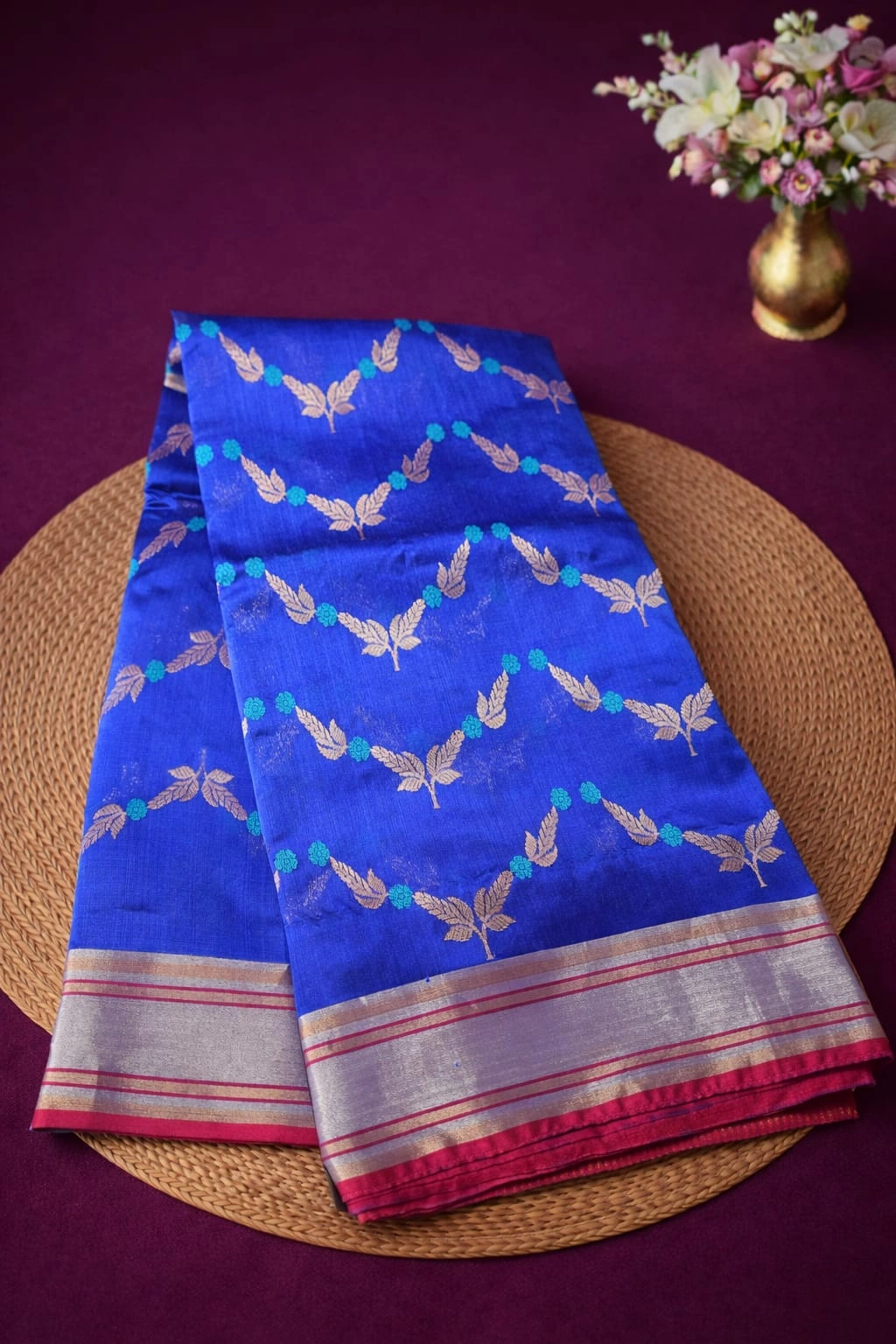
For example, the Pure Chanderi Pattu Silk Saree – Handwoven Luxury for Weddings & Celebrations (price confirmed on inquiry) is particularly suited for formal Indian weddings or Diwali functions, with its detailed zari and rich motifs. Meanwhile, a soft silk saree in a contemporary color can transition easily from a haldi to a cocktail party.
FAQ: Pattu vs Soft Silk Sarees
Which is more comfortable over a long day?
For all-day wedding or festival wear, soft silk sarees are generally more comfortable than pattu. Soft silk is woven with a looser tension and uses fewer zari threads, making it lighter, cooler, and more breathable—ideal for long events in American climates. Pattu offers structure and grandeur but can feel warm and heavy after several hours, especially during summer or indoor functions.
Is pattu more formal than soft silk?
Pattu sarees are considered more formal than soft silk due to their dense weave, elaborate zari work, and association with traditional rituals. They are the saree of choice for temple ceremonies, weddings, and milestone family functions. Soft silk, while elegant, is seen as more versatile and suited to semi-formal or festive events.
Which drapes more easily?
Soft silk sarees drape more easily than pattu sarees. The finer, looser weave of soft silk makes it pliant and forgiving, allowing for smooth pleating and effortless movement. Pattu, with its heavier zari and structured body, requires more care to pleat and pin but holds its shape beautifully once styled.
How do the prices compare?
Pattu sarees typically cost more than soft silk due to the amount of pure silk and zari used, as well as the labor-intensive handloom process. For example, authentic handwoven Chanderi pattu sarees at Swathi Design range from $185 to $235, while soft silk sarees often start around $120. The price reflects not just material but the hours of skilled artisan labor that go into weaving each piece.
When to Choose Pattu or Soft Silk: Occasions and Styling Tips
- Pattu for Temple Weddings and Formals: Choose pattu sarees for temple weddings, religious ceremonies, and milestone events. Pair with heirloom gold jewelry and a classic silk or brocade blouse. The Pure Chanderi Pattu Silk Saree – Handwoven Indian Ethnic Wedding Wear (price confirmed on inquiry) is an excellent example—rich in zari, yet lightweight enough for some US settings.
- Soft Silk for Long Events and Parties: For day-long celebrations, receptions, or events where you’ll be active, soft silk offers comfort without sacrificing style. Try brighter colors, statement earrings, and a modern cut blouse for a playful twist.
- Mix Tradition and Modernity: Don’t hesitate to style pattu sarees with contemporary accessories, or to bring traditional motifs into a more relaxed, soft silk drape. Experiment with draping styles—Bengali, Gujarati, or butterfly—to suit the event and your mood.
For more on picking saree weights for comfort, see our post on Saree Weight in Grams. If you’re planning for a temple visit, our temple ceremony guide covers etiquette and style tips.
What is a Pattu Saree?
Pattu saree is a traditional Indian drape handwoven from pure mulberry silk, often decorated with gold or silver zari borders and pallus. Originating from regions like Kanchipuram and Chanderi, pattu sarees are prized for their sheen, durability, and formality, making them ideal for weddings and religious ceremonies.
How to Care for Silk Sarees: Key Steps
- Always dry clean, never machine wash
- Fold along original crease lines, especially near zari
- Store in muslin or pure cotton bags
- Avoid direct sunlight and excessive humidity
- Air sarees every few months
Why Is Authentic Pattu or Soft Silk Worth the Investment?
Authentic pattu or soft silk sarees represent centuries of craft and cultural heritage. Their durability means they can be passed down through generations, and their versatility covers a US event calendar from temple to party. Investing in genuine handloom silk supports artisan communities and ensures your saree holds value—in beauty and sentiment—over time.
Shop the Collection
Ready to choose your next silk saree? Explore Swathi Design’s curated selection of Pure Chanderi Pattu Silk Sarees and discover the beauty of handwoven Indian tradition in the US. Browse our full collection for both pattu and soft silk options, and reach out via WhatsApp for personalized styling advice or price confirmation. Every saree is sourced directly from Indian artisan weavers and ships from California—with concierge support every step of the way.
Featured in this guide
Part of the Handwoven Silks: Chanderi, Tussar & Raw Mango guide collection.
Related guides
- Elevate Every Occasion: Handcrafted Indian Gowns & Frocks for Modern Celebrations in the USA
- Elevate Every Occasion: Pure Chanderi Pattu Silk Sarees for Indian-Americans in the USA
- Exquisite Russian Crape Silk Saree: Timeless Elegance for Every Occasion
- Luxurious Pure Russian Crape Saree: Timeless Elegance for Every Occasion
- Elevate Your Festive Wardrobe with Exquisite Handwoven Chanderi Sarees and Anarkali Dresses