What to Wear to a Temple Ceremony in the US
Not sure what to wear to a temple ceremony in the US? Here’s your practical styling guide for modest, comfortable ethnic outfits that honor tradition and make floor seating a breeze—from feather-light Chanderi sarees to elegant 3-piece sets. Discover accessory tips, dos and don’ts, and Swathi Design’s artisan-crafted options for every puja and havan.
What to Wear to a Temple Ceremony in the US
TL;DR: For a US temple ceremony, prioritize modest ethnic wear like a Chanderi silk saree or a soft Chanderi 3-piece set, choose fabrics that stay comfortable while sitting cross-legged, and pair with minimal jewelry and easy-to-remove footwear. Here’s your guide to looking graceful and feeling at ease—without sacrificing tradition or style.
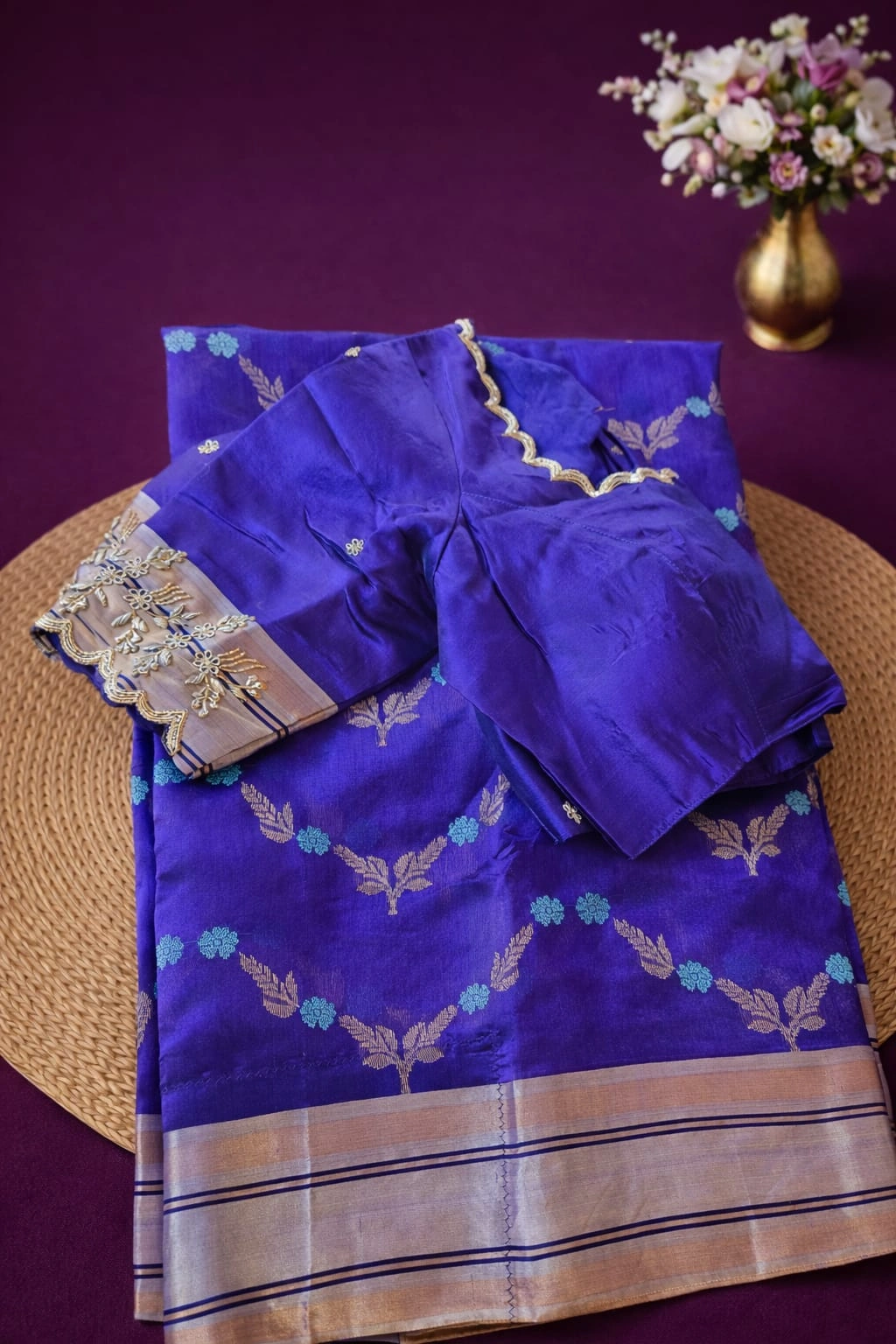
Temple Attire 101: Modesty, Practicality, and Grace
Picture this: It’s a Saturday morning, you’re headed to a Satyanarayana puja at the local temple, greeting elders and joining friends for prasadam after the rituals. You know you’ll be seated cross-legged for a while, removing your shoes at the entrance, and moving between prayer halls and social spaces. The question is: what to wear so you feel appropriately modest, comfortable, and beautiful throughout?
What is Appropriate Temple Attire in the US?
Appropriate temple attire in the US is modest, traditional Indian clothing that covers shoulders, knees, and midriff, made from comfortable fabrics suitable for floor seating and respectful of cultural norms. For women, sarees, salwar suits, and long kurtas are recommended, while men often opt for kurta-pajamas or dhotis. Avoid revealing cuts, sleeveless blouses, and clingy Western silhouettes. Many US temples post dress codes—err on the side of tradition when in doubt.
Modesty Checklist for Temple Events
- Shoulders & Arms: Covered with sleeves or a dupatta/pallu
- Midriff: Completely covered (opt for high-waist petticoats or longer blouses)
- Legs: Ankles to knees fully covered—even when seated
- Neckline: Avoid deep necks; round or boat preferred
- Sheerness: Layer with slips or inners if fabric is translucent
How to Choose Fabrics for Floor Seating
When you’ll be sitting cross-legged on the floor for a puja or havan, prioritize lightweight, breathable, non-restrictive fabrics that don’t wrinkle awkwardly or bunch up. Natural fibers like Chanderi silk and soft mulmul (mul cotton) are top choices, offering comfort without sacrificing elegance.
- Chanderi Silk: Famous for its feather-light drape, subtle sheen, and breathability. Perfect for long ceremonies—see the Pure Chanderi Pattu Silk Saree (price confirmed on inquiry) at Swathi Design.
- Mul Chanderi: Blends the airiness of muslin with Chanderi’s signature sheen. The Pure Mul Chanderi Silk 3-Piece Outfit (price confirmed on inquiry) is especially forgiving for floor seating.
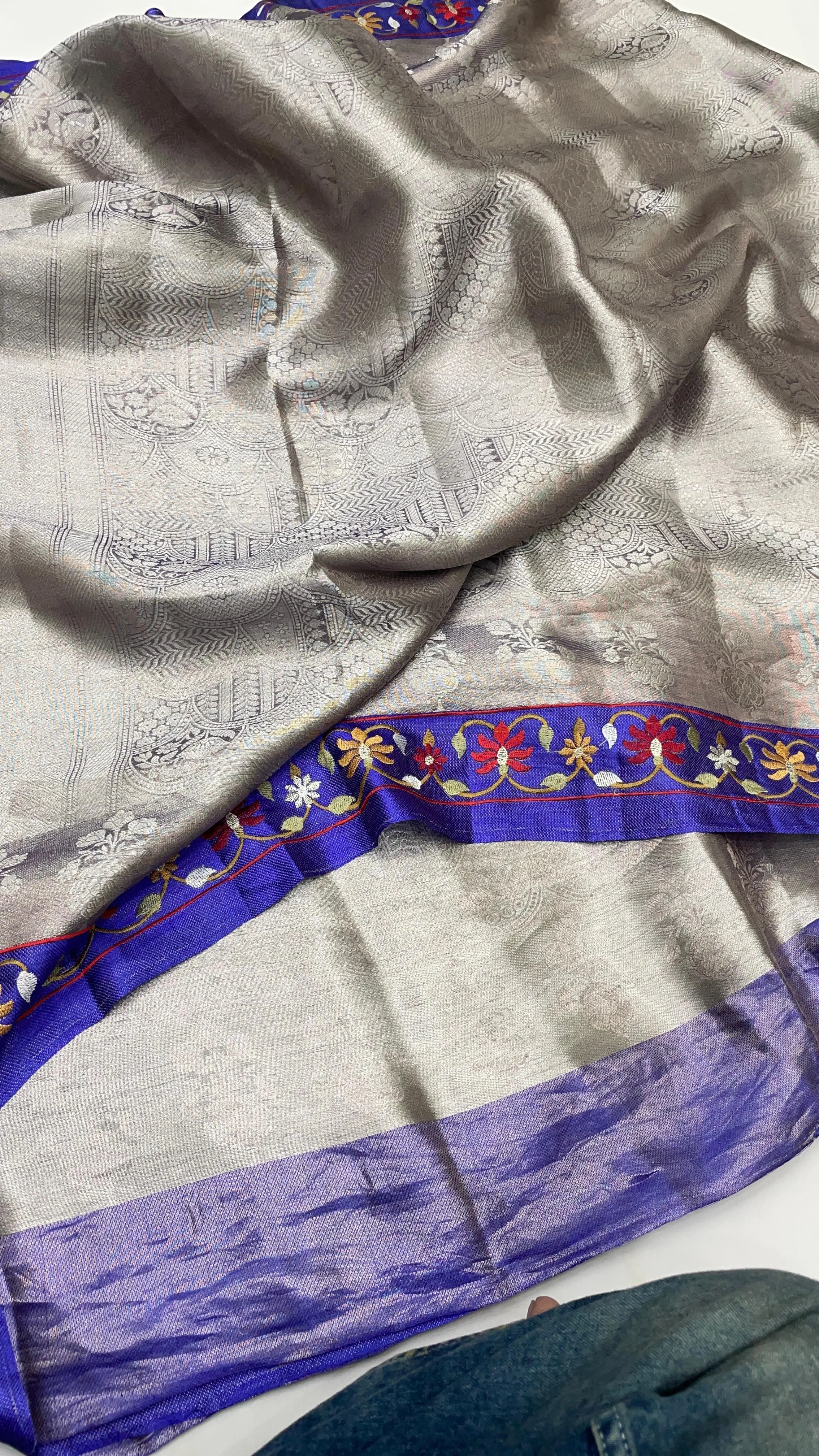
- Tissue Brocade: Lighter than traditional Banarasi silks but still ornate—try the Banarasi Tissue Brocade Saree ($185) for more formal events.
Best Fabrics for Floor Seating: Quick Comparison
| Fabric | Weight | Sheen | Ideal For |
|---|---|---|---|
| Chanderi Silk | Feather-light | Subtle/Gold | All ceremonies, summer |
| Mul Chanderi | Ultra-light | Gentle | Puja, havan, kids' events |
| Tissue Brocade | Light-Medium | High/Metallic | Weddings, festivals |
Styling Guide: What to Wear for Floor Seating at a Temple
You want to look put together without fidgeting with your saree or adjusting your dupatta. Here’s how I recommend styling for a US temple ceremony:
- Saree Drape: Pleat the pallu neatly over your left shoulder and secure with a brooch or hidden safety pin. Tuck pleats at the waist for ease when rising.
- Kurta Set: Opt for a straight-cut kurta and a wide-legged pajama or palazzo; these won’t dig into your waist when seated.
- Dupatta: Drape diagonally across the chest and over one shoulder—secure with a decorative pin if you’ll be moving between rooms.
- Footwear: Choose slip-on sandals or embellished juttis—easy to remove at the entrance and comfortable for standing in line for prasadam.
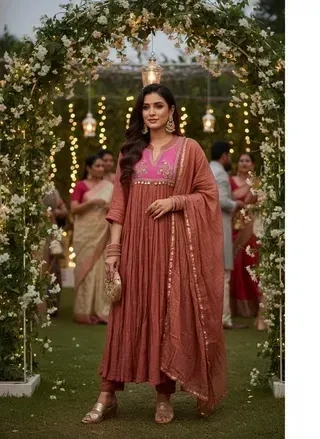
3 Ways to Style Swathi Design’s Chanderi Outfits for Temple Events
Let’s make this actionable. Here’s how you might wear Swathi Design’s signature pieces for your next puja, Satyanarayana katha, or havan:
-
Classic Temple Look:
- Pure Chanderi Pattu Silk Saree in a pastel or gold shade
- Half-sleeve blouse, high-waisted petticoat for midriff coverage
- Simple gold studs, a traditional bindi, and a gajra (flower hair accessory)
- Velvet potli bag, slip-on kolhapuri sandals
-
Easy Floor-Seating Kurta Set:
- Pure Mul Chanderi Silk 3-Piece Outfit in soft gold
- Dupatta pinned at shoulder, sleeves to the elbow
- Adjustable-waist bottom for comfort
- Statement gold bangles, pearl drops
- Juttis or slip-on mules
-
Festive Yet Modest Saree:
- Banarasi Tissue Brocade Saree for upscale temple events
- Boat-neck blouse, elbow-length sleeves
- Layered necklace, low bun
- Embroidered potli, metallic slip-ons
Pro Tip: Blouse Fit for Modesty & Comfort
For temple ceremonies, opt for blouses with side zippers or hooks (instead of deep front openings), add a cotton bra liner for sweat absorption, and consider a slightly longer length (1-2" below your ribcage). This ensures coverage even as you move and sit. When in doubt, layer with a soft cotton slip under sheer sarees.
Temple Attire FAQ
Q1: What is appropriate temple attire in the US?
Appropriate US temple attire is modest, traditional clothing: sarees, salwar-kameez, or long kurtas for women, and kurta-pajama or dhoti for men. Shoulders, knees, and midriff should be covered. Avoid sleeveless, low-cut, or sheer Western outfits. Many temples post specific codes, but conservative Indian attire is always safe.
Q2: Which fabrics work for floor seating?
For floor seating at a puja or havan, lightweight and breathable fabrics like Chanderi silk, mulmul cotton, and tissue brocade are best. These drape easily, resist heavy wrinkling, and allow comfortable cross-legged sitting. Avoid stiff silk or heavy brocade, which can feel restrictive or crease awkwardly.
Q3: Are Western clothes acceptable at a puja?
While some temples allow modest Western attire, traditional Indian clothes are strongly preferred at most religious ceremonies. If Western wear is unavoidable, choose full-length, loose silhouettes (maxi dresses, palazzo pants with tunics) in subdued colors, and always cover shoulders and knees.
Q4: What should you avoid wearing to a ceremony?
- Sleeveless or low-neck blouses
- Short skirts, shorts, or tight leggings
- Clingy or sheer dresses without proper layering
- Heeled shoes you can’t easily remove
- Overpowering perfume or flashy jewelry
Why Choose Chanderi or Banarasi for Temple Ceremonies?
Chanderi sarees, woven for centuries in Madhya Pradesh, are prized for their gossamer weight and subtle gold sheen—perfect for long rituals. Banarasi sarees, crafted in Varanasi, use tissue brocade for a luxurious yet practical drape. Both fabrics honor heritage while suiting modern comfort needs, making them ideal for cultural ceremonies with floor seating and active movement.
Dressing for Specific Ceremonies: Sangeet, Havan, Satyanarayana Puja
Satyanarayana Puja or Havan: Stick to light, non-restrictive sarees or a classic kurta set. Bring a light shawl if you expect AC.
Festivals (Diwali, Navratri): Choose outfits with a subtle sheen or gentle zari—avoid heavy stonework, which can snag or feel uncomfortable while seated.
Housewarming or Annaprashan: Soft gold, blush, or pastel Chanderi is universally appreciated—easy to accessorize and modest for family photos.
Accessory Tips for Temple Events
- Jewelry: Keep it simple—gold studs, a single chain, slim bangles. Save heavy statement pieces for weddings.
- Hair: Low buns, braids, or a half-up style hold up through rituals; secure with a gajra or decorative clip.
- Bags: Small potli or clutch—just large enough for your phone, keys, and a small offering.
- Extras: Tuck a pack of bobby pins, a safety pin, and a tissue into your bag—trust me, you’ll use them!
Care Tips: Preserving Your Ceremonial Outfits
Chanderi Silk & Banarasi Tissue: Always dry clean after a major event to preserve the zari and sheen. Air out after wear, then store in a cotton saree bag away from sunlight.
Mul Chanderi Sets: Hand wash in cold water, air dry flat, and iron on low. Never wring or tumble dry—Chanderi’s delicate weave deserves gentle care.
Shop the Collection
Ready to refresh your temple event wardrobe? Explore these artisan-crafted picks, sourced directly from master weavers in India and shipped from California:
- Pure Chanderi Pattu Silk Saree – Handwoven Golden Zari (price confirmed on inquiry)
- Pure Mul Chanderi Silk 3-Piece Outfit (price confirmed on inquiry)
- Pure Banarasi Tissue Brocade Saree ($185)
Explore more sarees and dresses at Swathi Design. Not sure what suits your event? Our WhatsApp stylists offer personal advice, and our 48-hour video policy ensures peace of mind on all purchases. For more on saree comfort and practicalities, see our post Saree Weight in Grams: What Buyers Should Know.
Dress with confidence for every sacred moment—shop our full collection here.
Featured in this guide
Part of the Handwoven Silks: Chanderi, Tussar & Raw Mango guide collection.
Related guides
- Elevate Every Occasion: Handcrafted Indian Gowns & Frocks for Modern Celebrations in the USA
- Elevate Every Occasion: Pure Chanderi Pattu Silk Sarees for Indian-Americans in the USA
- Exquisite Russian Crape Silk Saree: Timeless Elegance for Every Occasion
- Luxurious Pure Russian Crape Saree: Timeless Elegance for Every Occasion
- Elevate Your Festive Wardrobe with Exquisite Handwoven Chanderi Sarees and Anarkali Dresses