Mul Cotton vs Cotton Saree: Which Weave Wins for Summer Comfort?
Curious whether mul cotton or standard cotton sarees are cooler for US summers? Textile specialist Priya Menon explains the differences in weave, transparency, and drape—plus how to spot genuine mulmul muslin and care for it. Read on for an artisan’s view and practical styling tips featuring Swathi Design’s handloom collection.
Mul Cotton vs Cotton Saree: Direct Comparison
If you’re choosing between mul cotton and regular cotton sarees for a summer wedding or festival in the US, the answer is clear: mul cotton, also known as mulmul muslin, offers unmatched breathability, a sheer drape, and cool comfort, especially in warm weather. Below is a practical comparison to help you decide which fabric aligns with your needs.
| Property | Mul Cotton (Muslin) | Regular Cotton |
|---|---|---|
| Weave Density (Thread Count) | 80-120+; fine, loose | 40-80; denser |
| Transparency | Semi-sheer to sheer | Opaque |
| Breathability | Highly breathable | Moderate |
| Feel | Soft, feather-light | Firm, crisp |
| Best For | Summer, layering, drapes | All-weather, structured looks |
| Care | Gentle hand wash, air dry | Machine or hand wash |
What is Mul Cotton? Definition & History
Mul cotton is a finely spun, lightweight muslin traditionally handwoven from high-quality cotton fibers. Originating in Bengal and parts of northern India, true mulmul is prized for its airy weave and gentle touch against the skin. Historically, Indian muslin was so sheer that a full saree could pass through a ring—a fact documented by the Victoria & Albert Museum.
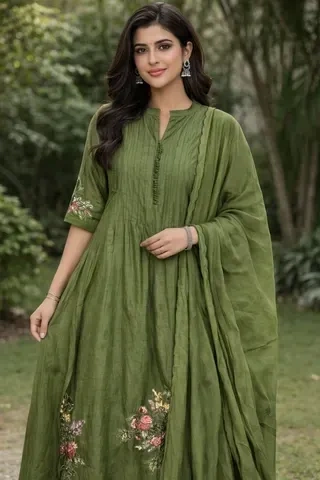
Unlike standard cotton, which is woven with thicker yarns and tighter structure, mul cotton uses finer, longer-staple fibers—often carded and combed by hand. This results in a fabric that is both soft and semi-transparent, ideal for hot, humid climates or layering beneath festive dupattas and jackets.
How Is Mul Cotton Handloom Woven?
The craft of mul cotton weaving is centuries old and still practiced in artisan clusters across West Bengal, Uttar Pradesh, and parts of Andhra Pradesh. The process involves:
- Spinning: Premium cotton is spun into very fine yarns using a charkha (spinning wheel).
- Warp & Weft: On a pit loom or frame loom, the warp (vertical threads) are set tightly, while the weft (horizontal) is passed with gentle tension to maintain softness and airiness.
- Finishing: Muslin is washed, starched lightly if needed, and sun-dried for a naturally soft hand.
The Handcrafted Mul Cotton Ethnic Frock from Swathi Design features this very technique, offering a garment that’s heritage-rooted yet modern in cut.
How to Spot Authentic Mul Cotton: A Quick Test
- Sheerness: Hold the fabric up to light—genuine mul cotton is semi-sheer, with a fine, visible weave grid.
- Softness: Rub between your fingers; true mulmul feels cool and buttery, not stiff.
- Ring Test: A real mul cotton dupatta or saree will slide easily through a bangle or ring, thanks to its fineness.
Beware of power-loom imitations, which use synthetic blends for cheaper production. Handloom tags and origin details (like those offered by Swathi Design) add credibility—ask customer service for any artisan or GI tag information.
Mul Cotton vs Cotton Saree: Pros and Cons
Mul Cotton (Muslin) – Pros
- Unmatched breathability — ideal for US summers, humid celebrations, and all-day comfort.
- Sheer drape flatters all body types; easy to layer or accessorize.
- Soft against sensitive skin, perfect for long events or travel.
- Quick drying after gentle hand wash; holds dye well for vibrant patterns.
Mul Cotton (Muslin) – Cons
- Requires delicate handling: prone to snagging if worn with sharp jewelry.
- May need a slip or lining for modesty, especially with lighter colors.
- Semi-transparency not suited for every occasion.
Regular Cotton – Pros
- Durable for everyday use; less prone to tearing or snagging.
- Opaque coverage for conservative settings.
- Easy maintenance: most can be machine washed.
Regular Cotton – Cons
- Less breathable in high humidity; can feel heavy after hours of wear.
- Stiffer drape may not flatter every body type.
- Fades faster with frequent washing, especially with hard water.
Why Choose Mul Cotton for US Festivals and Weddings?
Mul cotton is the fabric of choice for festive occasions because it combines Indian textile heritage with practical comfort for the US climate. Its sheer, airy weave keeps you cool under layers, while handprinted or woven patterns add a touch of artistry. For Indian-American women navigating both cultural pride and busy schedules, mul cotton offers a rare blend of sophistication and ease.
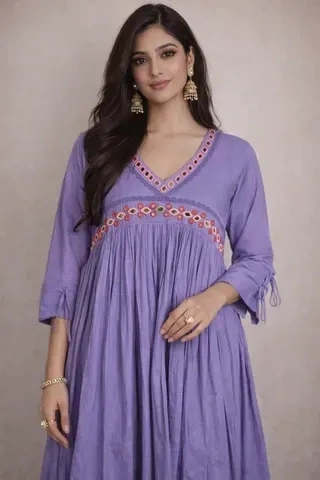
The Soft Beige Mul Cotton A-Line Dress exemplifies this versatility—breathable for daytime events, elegantly understated for evening gatherings, and designed to flatter with minimal effort.
How to Care for Mul Cotton Sarees and Dresses
Mul cotton’s delicate weave demands gentle care to preserve its beauty and longevity. Here’s an expert-approved process:
- Hand wash: Use cold water and a mild, pH-neutral detergent. Avoid wringing or twisting.
- Dry: Lay flat or hang in the shade—never under direct sun, which can weaken fibers and fade colors.
- Storage: Fold and wrap in unbleached muslin or a cotton bag. For sarees, refold every few months to prevent permanent creases.
- Ironing: Press on a low-heat setting when slightly damp to restore original sheen.
Usable tip: For festival wear, gently steam a mul cotton garment instead of ironing—this helps preserve fine motifs and prevents accidental burn marks, a common issue with delicate muslin.
Learn more about caring for artisanal textiles in our post on zari work care.
Styling Mul Cotton for Indian-American Occasions
Mul cotton’s lightness and drape make it exceptionally versatile for Indo-Western styling:
- Festive Look: Pair a vibrant mul cotton dress or frock with antique silver jhumkas and embroidered juttis.
- Day-to-Evening: Add a silk or tissue dupatta for warmth and contrast. The Elegant Mul Chanderi Silk Suit offers a festival-ready ensemble—mul chanderi kurta with a feather-light dupatta, perfect for weddings and Diwali gatherings.
- Contemporary Fusion: Belt a mul cotton frock and style with sneakers or a structured jacket for a brunch or office event.
Discover more Indian-American outfit inspiration in our post on sari choices for US courthouse vs temple weddings.
Mul Cotton FAQ: Your Top Questions Answered
What is the difference between mul cotton and cotton?
Mul cotton is a finer, lighter muslin variety—spun from long-staple cotton and woven with a looser structure for semi-sheer, airy softness. Regular cotton uses thicker yarns and a denser weave, yielding a crisper, more opaque fabric. Mul cotton (or mulmul) is preferred for its breathability and delicate drape, while standard cotton is valued for durability and structure.
Is mul cotton see-through?
Yes, mul cotton is semi-sheer by nature. Its open weave and fine yarns allow light to pass through, giving the fabric a translucent quality. When choosing light pastel or beige shades, a slip or lining is recommended for modesty—especially for formal occasions or bright outdoor events.
Is mul cotton good for summer?
Mul cotton is excellent for summer wear. Its high breathability, moisture-wicking properties, and feather-light touch keep the body cool even in hot, humid conditions. This makes it ideal for Indian-American festivals, weddings, and everyday wear during US summers—far outperforming standard cotton in comfort.
How do you care for mul cotton sarees?
Care for mul cotton sarees by hand washing with cold water and a mild detergent, avoiding harsh wringing. Air dry in the shade and store in a muslin bag to prevent yellowing or mildew. Refold sarees and dresses every few months to avoid deep creases; steam gently to smooth out folds without damaging the weave.
Choosing the Right Mul Cotton from Swathi Design
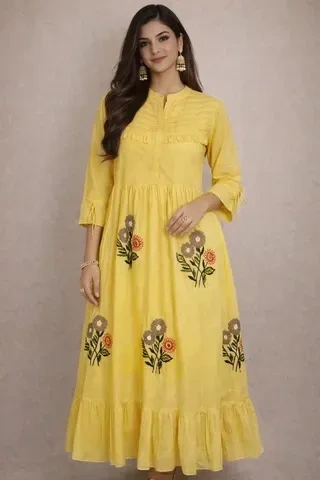
Swathi Design curates handloom mul cotton and muslin garments sourced directly from artisan weavers. Each piece—like the Handcrafted Mul Cotton Ethnic Frock ($35) or the Soft Beige Mul Cotton A-Line Dress ($35)—is designed for all-day wear, with breathable weaves and artisanal patterns that reference India’s textile legacy.
The Elegant Mul Chanderi Silk Suit ($45) brings together the lightness of mul silk with the gentle shimmer of Chanderi, making it a sophisticated choice for weddings and Diwali. Each product page details the weave, care, and artisan origin—plus Swathi Design’s California-based support for styling advice and aftercare.
Browse more curated ethnic dresses at our Dresses category.
Shop the Collection
Ready to experience the breathable luxury of mul cotton for yourself? Browse our full collection of handwoven sarees, dresses, and suits, all sourced from Indian artisan communities and designed for Indian-American women who value both heritage and comfort.
For fabric questions, sizing, or styling help, Swathi Design offers WhatsApp support, flat-rate US shipping, and a 48-hour item video policy for peace of mind. Invest in the real thing—your summer wardrobe will thank you.
Featured in this guide
Part of the Handwoven Silks: Chanderi, Tussar & Raw Mango guide collection.
Related guides
- Elevate Every Occasion: Handcrafted Indian Gowns & Frocks for Modern Celebrations in the USA
- Elevate Every Occasion: Pure Chanderi Pattu Silk Sarees for Indian-Americans in the USA
- Exquisite Russian Crape Silk Saree: Timeless Elegance for Every Occasion
- Luxurious Pure Russian Crape Saree: Timeless Elegance for Every Occasion
- Elevate Your Festive Wardrobe with Exquisite Handwoven Chanderi Sarees and Anarkali Dresses