Linen vs Cotton Saree: Best Pick for Summer Weddings & Festivals
Linen vs cotton saree: which fabric truly keeps you cool, crisp, and stylish through wedding season? Break down the breathability, drape, and care of each—plus, get practical tips for choosing the right piece for every summer occasion. Discover handcrafted gown alternatives from Swathi Design for elegant events.
Linen vs Cotton Saree: The Head-to-Head for Summer Style
TL;DR: If you’re choosing between a linen vs cotton saree for summer weddings or festive gatherings, cotton wins on softness and easy drape, while linen stands out for its crisp texture and natural sheen—but does wrinkle more. Both are breathable natural fabrics and each shines for different events and personal preferences. Read on for a detailed breakdown, styling mistakes to avoid, and beautiful alternatives for guest dressing.
| Feature | Linen Saree | Cotton Saree |
|---|---|---|
| Breathability | Excellent, airy weave | Excellent, soft & cool |
| Crispness | Crisp, structured fall | Softer, more fluid drape |
| Wrinkle Behavior | Wrinkles easily, holds creases | Wrinkles, but relaxes over time |
| Drape | Structured, formal look | Casual, everyday elegance |
| Care | Gentle hand wash or dry clean | Easy machine wash (cold), steam iron |
Why Choose a Linen or Cotton Saree?
Linen vs cotton saree is a common debate for summer events because both are natural, breathable, and rooted in Indian textile heritage. Cotton sarees—often from Bengal, Maheshwar, or Chettinad—are prized for their comfort and versatility. Linen, made from flax, has been a status fabric since Mughal India, valued for its crisp, contemporary look. Your choice should depend on the occasion, your styling preferences, and how much maintenance you’re comfortable with.
Occasion-by-Occasion Guide: What to Wear, How to Style
Let’s get practical—if you’ve got three events in one weekend (think mehendi, sangeet, and wedding reception), here’s how to decide which fabric or alternative silhouette serves you best for each.
Mehendi Mornings: Comfort and Color
- Cotton sarees shine here. Opt for a soft Bengal cotton or Maheshwari with subtle zari borders. They’re easy to wear for long hours, even in California summer heat.
- Linen sarees are a chic option if you want a crisp, modern look. Choose pastel shades or digital prints to hide minor wrinkles from sitting or dancing.
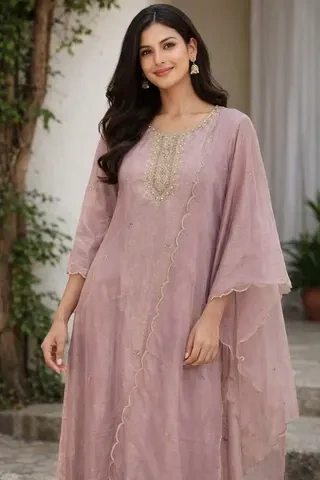
- Gown alternative: If you want a fuss-free, contemporary option, the Pure Tissue Silk Gown from Swathi Design is feather-light and comes in festive hues. Pair with minimal jewelry and block heels for an effortless mehendi guest look.
Sangeet Night: Movement and Glamour
- Linen sarees can look ultra-sleek for sangeet—just be prepared to smooth out pleats pre-event. Choose a blend with silk for added sheen.
- Cotton, unless it’s mercerized or has a silk blend, can feel too casual for an evening sangeet. Instead, consider a luxe gown silhouette.
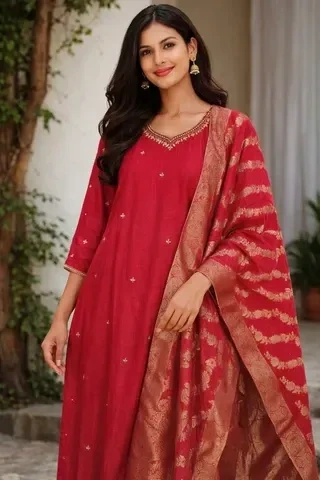
- For a dazzling statement, the Gold Pure Dola Silk Ethnic Gown features a luminous finish and works beautifully with bold kundan or polki jewelry. Its tailored fit flatters every body type—so you can dance, eat, and celebrate with confidence.
Wedding Reception: Tradition Meets Modern Ease
- Linen sarees with zari borders or jamdani motifs can look regal, but require careful pleating and pinning to hold their shape through the night. For guests, a structured pallu (over the shoulder, pinned at the waist) helps prevent fussing.
- Cotton sarees in jewel tones—think deep reds or greens—are perfect for a day reception, especially when accessorized with metallic heels and statement earrings.
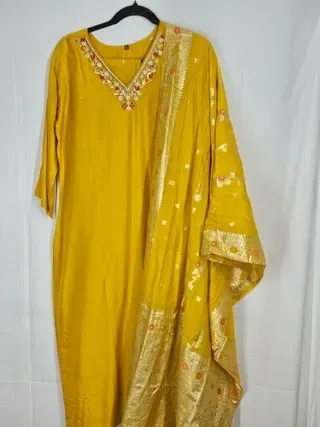
- For an heirloom-worthy statement, try the Elegant Pure Dola Silk Gown. Its velvety smooth pure Dola silk, available in Ruby Red or Emerald Green, brings together comfort, tradition, and modern sophistication in a single piece.
Linen Saree: Pros, Cons & Styling Tips
Linen sarees are woven from flax fibers, often in West Bengal, Andhra Pradesh, and parts of Kerala. The weave is naturally airy, making it a favorite for humid climates and summer weddings. Linen’s signature is its crisp handfeel and subtle sheen.
- Pros:
- Superior breathability—ideal for outdoor or day events.
- Distinct texture and contemporary vibe; suits minimal, geometric jewelry.
- Holds its structure, giving a sharp silhouette.
- Cons:
- Wrinkles quickly and holds creases, especially after sitting or dancing.
- Can feel stiff initially (softens over time).
- Needs gentle care—hand wash or professional dry cleaning is safest.
Styling tip: Always iron your linen saree while slightly damp, and use a pressing cloth to avoid shine. For wedding guest looks, pair with a contrast silk blouse and oxidized silver jewelry for a fresh, NRI-chic result. Avoid heavy layering—linen breathes best when left uncomplicated.
Cotton Saree: Pros, Cons & Styling Tips
Cotton sarees have been staples of Indian wardrobes for centuries, woven in regions like Bengal (Tant), Tamil Nadu (Chettinad), and Madhya Pradesh (Maheshwari). Cotton is known for its soft drape, lightweight feel, and unmatched breathability.
- Pros:
- Soft, comfortable for all-day wear—even outdoors.
- Relaxes as you wear it; less prone to stiff creases than linen.
- Wide color and motif variety, from classic checks to temple borders.
- Easy care—machine wash cold, steam iron.
- Cons:
- Less formal than linen or silk for evening events.
- Prone to minor wrinkles, especially in very fine muslin varieties.
- Can lose crispness over time if not starched.
Styling tip: Add a pop of contrast with printed or handwoven blouses. For a wedding guest, style a Bengal cotton saree with a sleek bun, jhumkas, and bright lips for a timeless yet current look. For a less-is-more approach, pair with pearl drops. Don’t over-accessorize—let the weave and color shine.
Linen vs Cotton Saree: Verdict by Use-Case
- For outdoor, daytime, or semi-formal weddings: Cotton saree is your best friend—soft, cool, and easy to move in. Linen works if you want structure and don’t mind managing wrinkles.
- For modern, minimalist receptions or cocktail events: Choose linen—especially in pastel shades with metallic jewelry. It reads more designer and contemporary.
- For humid climates or long hours: Both work, but cotton edges out for comfort. Linen is better for shorter wear or air-conditioned venues.
- For low-maintenance care: Cotton wins—machine wash, quick dry, easy iron. Linen needs more attention.
- For those who want a structured silhouette: Linen is unmatched for its crisp fall and sharp pleats.
Still can’t decide? Explore ready-to-wear gown options that blend the best of Indian heritage and modern ease. Swathi Design’s Dresses section features spectacular pure silk and Dola silk gowns that take the guesswork out of guest styling. Each piece is crafted by artisan weavers and tailored for US sizes, so you look and feel your best—without compromise.
Real Event Mistakes to Avoid: Comfort, Tradition & Fit
- Don’t skip a pre-wear trial: Especially for linen sarees, pleat and drape at home before the event—creases can fall in unpredictable places and pins may need to be adjusted.
- Mind the blouse fabric: Cotton sarees pair best with soft, breathable blouses. Linen sarees look sharp with silk or cotton-silk blouses for balance.
- Don’t over-accessorize: Both linen and cotton have a quiet beauty—let the texture and border details shine. Save heavy jewelry for silk or Dola silk gowns.
- Check your length: Especially if you’re ordering a stitched gown like the Elegant Pure Dola Silk Gown, measure your full height with heels before choosing a size. Swathi Design offers bespoke length adjustments for each piece.
- Care instructions matter: Do not machine-dry linen sarees—always air dry flat and store in a cotton bag to prevent stretching. Cotton sarees can be folded and stacked, but avoid hanging to prevent shape loss.
FAQs: Linen vs Cotton Saree for Summer
Is a linen or cotton saree better for summer?
Cotton sarees are generally better for summer, especially for long events, thanks to their superior softness, breathability, and easy care. Linen sarees are equally breathable but can feel stiffer and show wrinkles more quickly. If you prefer a crisp, designer look and don’t mind a bit of maintenance, linen is a stylish choice for shorter or more formal occasions.
Do linen sarees wrinkle more than cotton?
Linen sarees wrinkle more than cotton because flax fibers are less elastic than cotton, making them prone to holding sharp creases. While both fabrics will wrinkle, cotton’s softer weave means wrinkles tend to relax with wear, while linen’s stay pronounced until ironed. For events, keep a portable steamer handy if you choose linen.
Which is more breathable, linen or cotton?
Both linen and cotton are highly breathable natural fabrics, but linen’s looser weave makes it slightly more airy, especially in humid climates. Cotton offers a softer, cooler touch, making it preferable for all-day comfort at summer weddings and festivals.
How do you care for a linen saree?
Linen sarees should be hand washed or professionally dry cleaned to maintain their crispness and sheen. Air dry flat, avoid wringing, and store rolled or folded in a cotton bag. Iron while damp using a medium heat setting for best results. Never machine dry linen, as it can damage the fibers and alter the shape.
When to Pick a Gown Instead of a Saree
If you’re attending multiple events or want a stress-free, contemporary look, a ready-to-wear ethnic gown is a practical and elegant alternative to a saree—especially for NRI guests who may not drape sarees often. Swathi Design’s selection of pure tissue silk and Dola silk gowns offers the shimmer, color, and craftsmanship of traditional sarees, minus the pleating and pinning.
- Pure Tissue Silk Gown: Handcrafted, feather-light, and available in gold, maroon, emerald green, and royal blue. Customizable to your size and ideal for any festive occasion. $38.00
- Gold Pure Dola Silk Ethnic Gown: Made from 100% pure Dola silk with a luminous finish—perfect for receptions, upscale galas, or Diwali parties. $45.00
- Elegant Pure Dola Silk Gown: Flattering on every body type, with a graceful drape and regal color options. $38.00
Each piece is hand-finished by Indian artisan weavers, shipped from California, and comes with proactive concierge sizing help and a 48-hour damaged-item video policy. If you’re unsure on fit, Swathi Design offers WhatsApp styling assistance for any US-based order. Explore more in the Dresses category.
Pro Tip: How to Avoid the Summer Saree Slump
For any natural-fiber saree, always store it with a small muslin pouch of rice or silica gel to wick away moisture—this prevents musty odors and helps preserve color vibrancy. For extra crispness, lightly starch cotton sarees after every third wash; avoid starching linen, as it can make the fabric brittle. It’s a small step that prolongs the life and beauty of your sarees, especially in humid or air-conditioned US homes.
Want more occasion-specific advice? Read our guide on Budget vs Investment Sarees for practical tips on when to splurge or save, and how to pick the right saree for each event.
Shop the Collection
Ready to refresh your summer event wardrobe? Browse our full collection of handcrafted sarees, silk gowns, and occasion dresses, all sourced directly from Indian artisan weavers and tailored for US shoppers. Swathi Design is here to help you celebrate in comfort and style—whatever your summer brings.
Featured in this guide
Part of the Indian Wedding & Festive Dressing guide collection.
Related guides
- Chanderi Silk Suits in USA: Embrace Ethnic Grace for Weddings & Festive Occasions
- Elevate Your Festive Wardrobe: Stunning Indian Dresses for US Weddings & Celebrations
- Celebrate Indian Heritage in the USA: Pure Silk Gowns for Weddings & Festive Glamour
- Elevate Your Wedding Look with Exquisite Pure Banarasi Kora Tissue Sarees
- Timeless Elegance: Discover the Pure Banarasi Kora Tissue Saree Collection for Weddings & Festivals