Budget vs Investment Sarees: Cost-Per-Wear, Craft, and Choosing the Right Occasion Piece
Should you splurge on an heirloom saree or opt for a versatile, budget-friendly ethnic dress? This guide compares budget vs investment sarees and dresses by fabric, craftsmanship, and cost-per-wear—so you can choose the right piece for every celebration.
Budget vs Investment Sarees: Which Is Right for You?
Budget vs investment sarees is a question that comes up for many Indian-American women shopping for special occasions in the US. Should you spend more for an heirloom silk or start with a versatile, affordable ethnic dress? Below is a direct table comparison to help you decide based on fabric, craft, longevity, and cost-per-wear.
| Feature | Budget Dress (Mul Cotton, Muslin, Georgette) | Investment Saree (Pure Silk, Handloom) |
|---|---|---|
| Typical Price Range | $28–$38 (Swathi Design) | $250–$1200 (handloom Kanjivaram, Banarasi) |
| Fabric Origin | West Bengal (mul cotton), Rajasthan/UP (muslin), Surat (georgette) | Kanchipuram (silk), Varanasi (Banarasi), Bhagalpur (tussar) |
| Occasions | Weddings, Diwali, parties, casual | Weddings, milestone events, heirloom gifting |
| Care | Hand wash, gentle dry, store folded | Dry clean, muslin wrap, store flat |
| Cost-per-Wear* | $3–$8 (worn 5+ times per year) | $25–$150 (worn 1–2 times per year) |
| Resale/Heirloom Value | Low (fashion-driven) | High (pure silk, handloom, gold zari) |
*Estimate; actual cost-per-wear depends on frequency and care.
Origin Story: Fabric and Craft
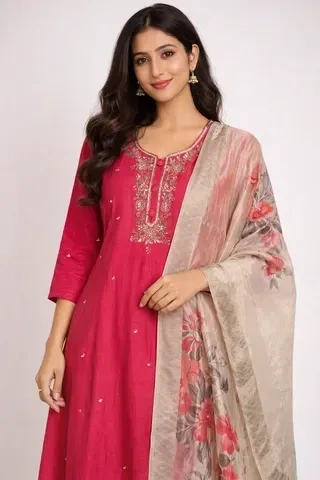
Every ethnic piece at Swathi Design—whether a Muslin Anarkali Gown, Georgette Lehenga Gown, or Mul Cotton Frock—carries the legacy of India’s regional weaves. Muslin, first woven in Bengal, is prized for its sheer, airy feel—historically so fine it was called “woven air” by European traders. Pure georgette, originating from Surat, is spun from highly twisted yarns for a pebbled texture and flow. Mul cotton (mulmul), hand-loomed in West Bengal, offers breathability and is a summer staple in Indian homes.
Investment sarees—think Kanchipuram silks with real zari, Banarasi brocades, or Bhagalpuri tussar—are handwoven by skilled weavers, often over weeks. These are not just garments but collective works: warp and weft set on pit looms, motifs referencing temple architecture, and gold or silver zari from Surat.
How It’s Made: Handcrafting vs Power-Loom
The Ivory Muslin Anarkali Gown is cut from 100% handwoven muslin, with subtle, hand-block printed patterns. Bengal’s muslin weavers use hand-spun cotton, stretching the warp (lengthwise threads) and weft (crosswise threads) for an ultra-light finish. For the Handcrafted Georgette Lehenga Gown, the base fabric is woven on a power loom but finished by hand with embroidery inspired by Mughal court textiles—think paisleys, florals, and mirror work stitched by artisans in Jaipur and Lucknow.
In contrast, pure silk sarees from Kanchipuram are handwoven on pit looms, often with GI (Geographical Indication) tag protection. The process includes degumming silk, dyeing skeins in temple tanks, and weaving with gold zari for borders and pallu. Handloom sarees carry slight irregularities—slubs, unevenness—that machine-made pieces lack, a hallmark of authenticity.
Authenticity Tests: Spotting the Real Craft
- Muslin: Hold up to light—true handwoven muslin appears semi-transparent, with visible irregularities in the weave; power-loom muslin is uniform and often denser.
- Pure Georgette: Check the drape and crinkle—real georgette has a springy, bouncy hand-feel and matte finish. Synthetic ‘georgette’ will be limp and glossy.
- Handloom Silk: Look for GI tags (for Kanchipuram, Banarasi), check for uneven selvedge, and gently pull a thread from the reverse; pure silk will burn with a protein smell (like hair), while art silk smells like burning plastic.
For all Swathi Design pieces, transparency is key: products specify fabric type, region, and artisan craft where possible. If in doubt, contact their WhatsApp styling line for verification.
How to Care for Ethnic Dresses and Sarees
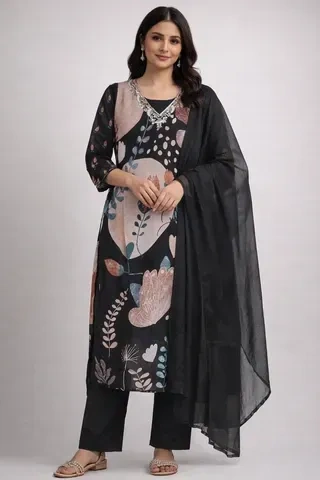
- Muslin & Mul Cotton: Hand wash gently in cold water with mild detergent; avoid wringing. Dry in the shade to prevent color fading. Store folded, not on hangers, to avoid stretching the weave. To revive crumpled muslin, steam lightly or use a warm iron under a cotton cloth.
- Pure Georgette: Hand wash with care or dry clean. Lay flat to dry to preserve embroidery. Store rolled in acid-free tissue for longevity.
- Handloom Silk: Always dry clean. Air sarees every few months; store flat in a muslin cloth, away from direct sunlight. Refold regularly to prevent permanent creasing at the zari border.
Non-obvious tip: For muslin and mul cotton, add a teaspoon of white vinegar to the final rinse—this helps set natural dyes and keeps colors vibrant.
How to Choose: Budget vs Investment Saree or Dress?
Choosing between a budget or investment saree comes down to use-case, fabric, and personal style. Here’s a checklist to guide you:
- Frequent Use / Versatility: Go for budget-friendly pieces like the Handcrafted Mul Cotton Frock or Ivory Muslin Gown. These work for multiple occasions, are easy to maintain, and suit changing trends.
- Milestone Occasions / Heirloom Value: Invest in a handloom silk saree from a recognized region (Kanchipuram, Varanasi) or a heavily embroidered georgette gown. These pieces hold value, carry cultural weight, and can be passed down.
- Budget: For under $40, Swathi Design’s ethnic dresses offer authentic regional craft without the price tag of pure silk sarees.
Cost-Per-Wear Framework: Splurge or Save?
Cost-per-wear is a practical way to decide if a piece is worth the investment. Divide the price by how many times you’ll realistically wear it in a year. For example, a $30 Ivory Muslin Gown worn to three Diwali parties and two weddings in a year is $6 per wear—excellent value. A $500 silk saree worn only once per year costs $100 per wear but may hold resale value or become an heirloom.
Budget-friendly pieces are ideal for frequent rotation and experimenting with contemporary styling. High-investment sarees suit those who value heritage, plan to hand down heirlooms, or want to stand out at major life events.
What is 'cost per wear' for a saree or ethnic dress?
Cost per wear is a simple way to measure garment value by dividing its price by the number of times you’ll wear it. For example, a $30 mul cotton dress worn six times costs $5 per wear, while a $600 silk saree worn twice a year for five years costs $60 per wear. This helps you compare value across both budget and investment pieces.
Product Spotlight: Swathi Design’s Ethnic Dresses
- Ivory Muslin Anarkali Gown ($30): Handwoven muslin, airy feel, artisan block-print. Ideal for Diwali, weddings, family gatherings. Authenticity tip: Look for hand-block irregularities and a semi-transparent weave.
- Handcrafted Indian Wedding Lehenga Gown in Pure Georgette ($38): Feather-light, breathable, with intricate artisan embroidery. Great for wedding guests, sangeet, and formal events. Authenticity tip: Matte, springy georgette and hand-finished threadwork.
- Handcrafted Mul Cotton Ethnic Frock ($28): 100% mul cotton, easy drape, rich colors. Best for summer parties, pujas, and dinners. Authenticity tip: Soft handloom feel and vibrant, non-glossy dyes.
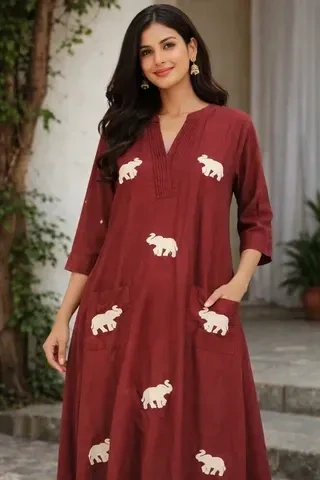
All options suit US sizes 4–12 and are crafted by artisan communities in India. For more on how to accessorize these looks, read our guide on how to accessorize for a wedding.
Styling Tips: Festive and Formal
- For Parties: Pair the muslin gown with kundan earrings and gold-toned sandals for a traditional vibe. For understated events, choose delicate pearls and neutral pumps.
- For Weddings: Elevate the georgette lehenga gown with bold statement earrings, a brocade clutch, and embellished heels. Let the embroidery shine—avoid over-accessorizing.
- For Summer: The mul cotton frock pairs well with jhumkas and embroidered juttis, or keep it modern with minimalist jewelry and tan flats.
For more creative styling, see our post on dupatta draping styles.
FAQ: Budget vs Investment Sarees & Cost-Per-Wear
When is it worth investing in a pure silk saree?
It’s worth investing in a pure silk saree (such as Kanjivaram or Banarasi) for major life milestones—weddings, anniversaries, or gifting an heirloom. These sarees are handwoven, often with real zari, and can last generations if cared for properly. The initial cost is offset by their cultural significance and resale or heirloom value.
Do silk sarees hold their value over time?
Pure silk sarees, especially those with GI tags and real gold zari, often hold or even appreciate in value. Their worth comes from the rarity of handloom craft, regional reputation (Kanchipuram, Varanasi), and the intrinsic value of precious materials. Mass-produced or art silk sarees do not retain value in the same way.
What is cost-per-wear for a Kanjivaram saree?
The cost-per-wear for a Kanjivaram saree is the purchase price divided by the number of times you wear it. For example, a $900 saree worn to three family weddings and two milestone events over five years totals $180 per wear. If handed down, the emotional and resale value may far exceed the initial investment.
Is art silk a smart budget alternative?
Art silk (artificial silk) offers an affordable, lightweight alternative to pure silk. While it mimics the sheen and drape, it lacks the durability, hand-feel, and resale value of real silk. For frequent, low-stakes occasions, art silk is practical—but it won’t become an heirloom or retain value. Always check labels and do a burn test for authenticity.
Shop the Collection
Whether you’re seeking a cost-per-wear champion or a future heirloom, Swathi Design offers handpicked ethnic dresses and sarees crafted by Indian artisans. Explore the Dresses category or browse our full collection for your next celebration. For size or styling advice, reach out via Swathi Design’s WhatsApp concierge—US shipping and returns are built with your peace of mind in mind.
Featured in this guide
Part of the Handwoven Silks: Chanderi, Tussar & Raw Mango guide collection.
Related guides
- Elevate Every Occasion: Handcrafted Indian Gowns & Frocks for Modern Celebrations in the USA
- Elevate Every Occasion: Pure Chanderi Pattu Silk Sarees for Indian-Americans in the USA
- Exquisite Russian Crape Silk Saree: Timeless Elegance for Every Occasion
- Luxurious Pure Russian Crape Saree: Timeless Elegance for Every Occasion
- Elevate Your Festive Wardrobe with Exquisite Handwoven Chanderi Sarees and Anarkali Dresses