How to Revive a Yellowed Silk Saree: Safe Restoration & Storage Tips
White and pastel silk sarees often yellow with age, but this process is reversible with the right care. Learn the science behind silk discoloration, practical restoration steps, and how to store heirloom sarees to preserve their luminous beauty for years. This guide is tailored for Indian-Americans who value traditional craftsmanship and want to extend the life of their treasured Banarasi silks.
How to Revive a Yellowed Silk Saree: TL;DR
Yellowing of white or pastel silk sarees is usually caused by oxidation, exposure to sunlight, and improper storage (especially plastic covers). To gently whiten and restore your heirloom silk, use a mild, silk-safe brightening wash and avoid harsh chemicals. Always store silk wrapped in acid-free tissue in a cool, dark space to prevent future yellowing. Below, you'll find a step-by-step guide, the chemistry behind yellowing, and care tips specific to pure Banarasi kora tissue silk sarees.
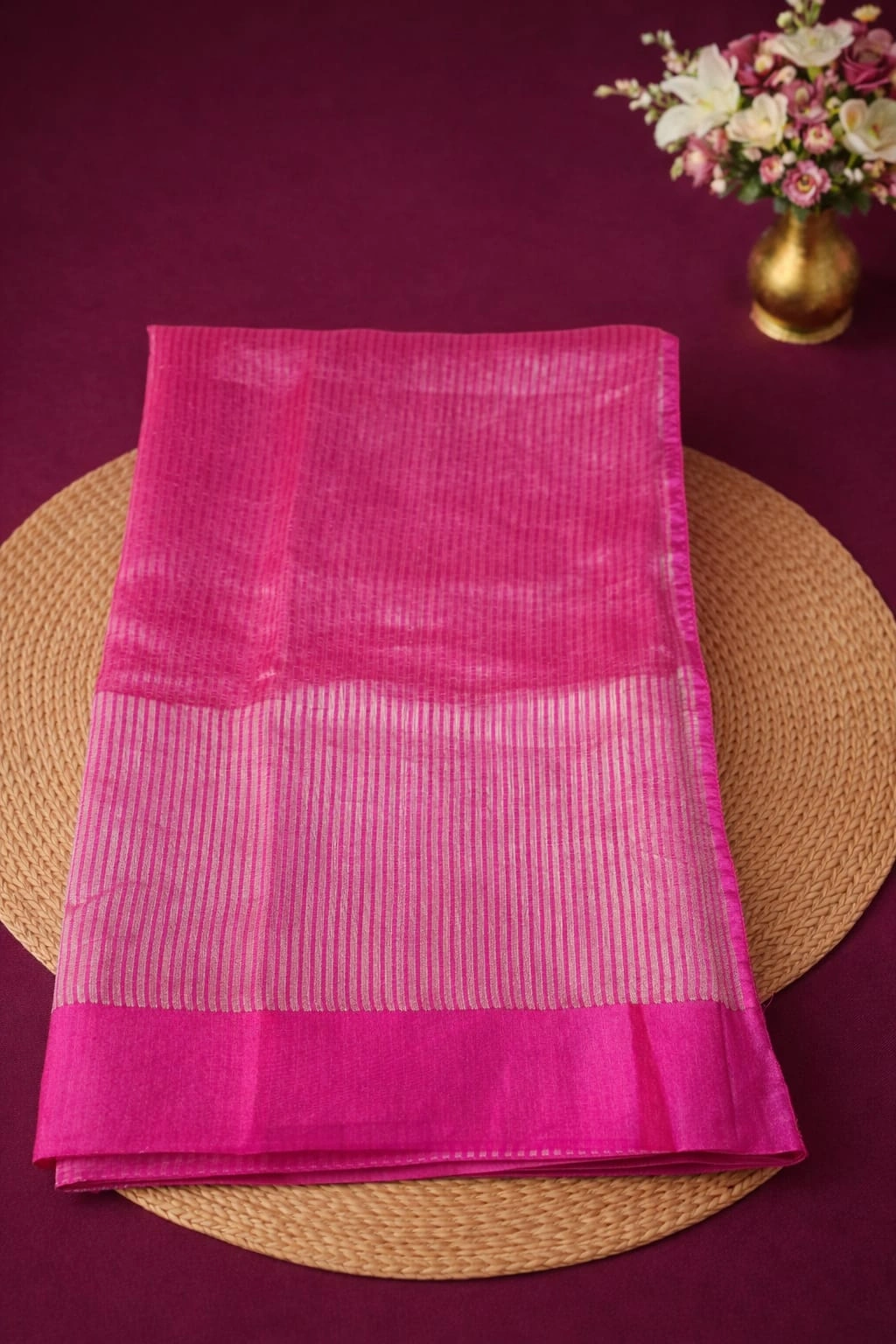
Before You Start: What You'll Need
- pH-neutral, silk-safe liquid detergent (e.g., Eucalan or Soak)
- Acid-free tissue paper (unbuffered, for textile storage)
- Clean white cotton muslin cloth
- Large plastic basin or bathtub
- Distilled water (for final rinse, optional but preferred)
- Soft white towel (for drying)
- Silk saree brush (very soft bristles, optional)
- Avoid: Bleach, optical brighteners, high-alkaline detergents
Step 1: Understand Why Silk Sarees Yellow
Silk, especially white and pastel shades, naturally yellows over time due to oxidation—a chemical reaction where the silk protein fibroin reacts with oxygen, light, and environmental pollutants. Sunlight accelerates this effect (photo-oxidation), and plastic garment bags trap moisture and off-gas chemicals that further discolor silk. Starch sizing from dry cleaners can also turn yellow, and residues from sweat or perfume can worsen the effect. This process is visible in antique sarees: the creamy patina is not always a sign of damage, but when bright whites or delicate pastels turn yellow unevenly, restoration is warranted.
What is Yellowing of Silk?
Yellowing of silk is the gradual discoloration of silk fabrics caused by oxidation, sunlight, and exposure to chemicals or moisture. This process affects the fibroin protein in silk, leading to a visible shift from white or pastel to a cream or yellow tone, especially apparent in bridal or heirloom sarees stored improperly.
Step 2: Check for Authentic Banarasi Kora Tissue Silk
Before restoration, confirm your saree’s authenticity. Pure Banarasi Kora Tissue Silk Saree is handwoven in Varanasi using kora (organza) silk and metallic tissue threads. Authentic Banarasi tissue sarees are woven on a pit loom with real zari work—look for uneven, intricate motifs, soft drape, and a subtle shimmer that’s not plastic-like. Genuine zari, made of silver or gold-plated threads, will tarnish gracefully but never flake. A quick check: gently pull a single zari strand from the back of the pallu—real zari reveals a red silk core when untwisted; imitation will show a plastic or white thread base.
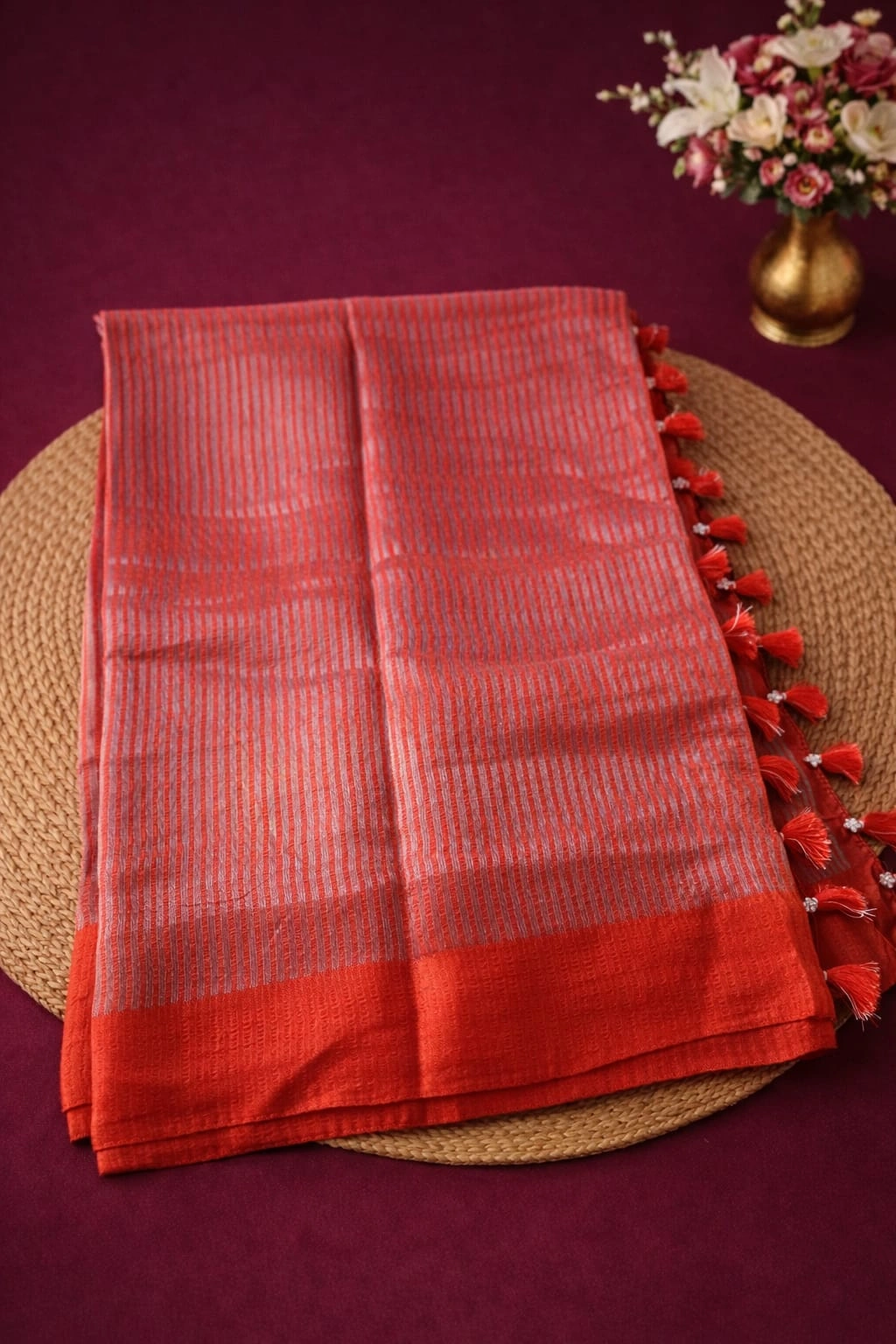
How to Spot Real Banarasi Tissue Silk
- Weight and feel: Kora tissue is crisp but softens with wear.
- Motif clarity: Handwoven motifs are slightly irregular, not stamped.
- Selvedge: Banarasi sarees have a clean selvedge (no fraying at the border).
- Zari test: Untwist a zari thread—real zari has a colored silk core.
- GI tag: Some Banarasi sarees carry a Geographical Indication label; ask your retailer.
Step 3: How to Revive a Yellowed Silk Saree
The safest way to brighten yellowed silk is a gentle, controlled soak using silk-friendly cleansers. Never use chlorine bleach: it degrades silk fibers, causing irreversible damage.
- Spot test: Test your silk-safe detergent on a hidden pallu edge. Wait 10 minutes for any color change or fiber reaction.
- Prepare bath: Fill a large basin with lukewarm (not hot) water. Add a capful of silk detergent and mix gently.
- Soak: Submerge the saree fully, agitating gently every few minutes. Soak for 10–15 minutes, no longer.
- Rinse: Rinse in cool, clean water. For best results, do a final rinse in distilled water to remove mineral residues that can cause future yellowing.
- Dry: Lay the saree flat on a white towel. Roll gently to press out water—do not wring. Air dry away from direct sunlight, ideally indoors on a muslin cloth.
- Optional brightening: If yellowing persists, prepare a solution of 1 tablespoon white vinegar in 1 gallon of water for a final rinse. This neutralizes alkaline residues and can refresh pastel shades. Avoid prolonged acid exposure.
List: Gentle Whitening Methods for Silk Sarees
- Silk-safe, pH-neutral detergent soak (never hot water)
- White vinegar diluted rinse for mild brightening
- Storing away from sunlight to prevent further yellowing
- Avoiding bleach and optical brighteners
- Consulting a textile conservator for antique or heavily discolored pieces
Step 4: How to Store White Silk Sarees to Prevent Yellowing
Storage is crucial for preserving the original color and texture of silk. Acid-free tissue and muslin wraps allow the fabric to breathe while protecting it from dust and light. Never use plastic covers: they trap moisture, encourage mildew, and can transfer yellowing agents onto the silk.
- Wrap the saree in unbuffered, acid-free tissue paper.
- Place in a breathable cotton or muslin saree bag.
- Store flat in a cool, dark cupboard—avoid attic or basement humidity.
- Refold every 3–6 months to prevent permanent creasing and color migration along fold lines.
- Avoid anti-moth naphthalene balls in direct contact—use lavender sachets instead.
For more on travel and packing, see our guide on how to pack a saree for travel.
Why Choose a Pure Banarasi Kora Tissue Silk Saree?
Pure Banarasi kora tissue silk sarees are valued for their luminous finish, intricate zari borders, and handwoven heritage from Varanasi. The blend of kora (organza) and metallic tissue threads brings a unique crispness and shimmer, ideal for weddings, festive events, and formal celebrations. Investing in a saree like the Elegant Pure Banarasi Kora Tissue Silk Saree (price confirmed on inquiry) or the Exquisite Pure Banarasi Kora Tissue Silk Saree ensures you own a piece of living textile history, not a mass-produced imitation. The handloom weave, pit loom technique, and genuine zari work are markers of luxury and legacy, connecting you to the artistry of Varanasi’s weaver communities.
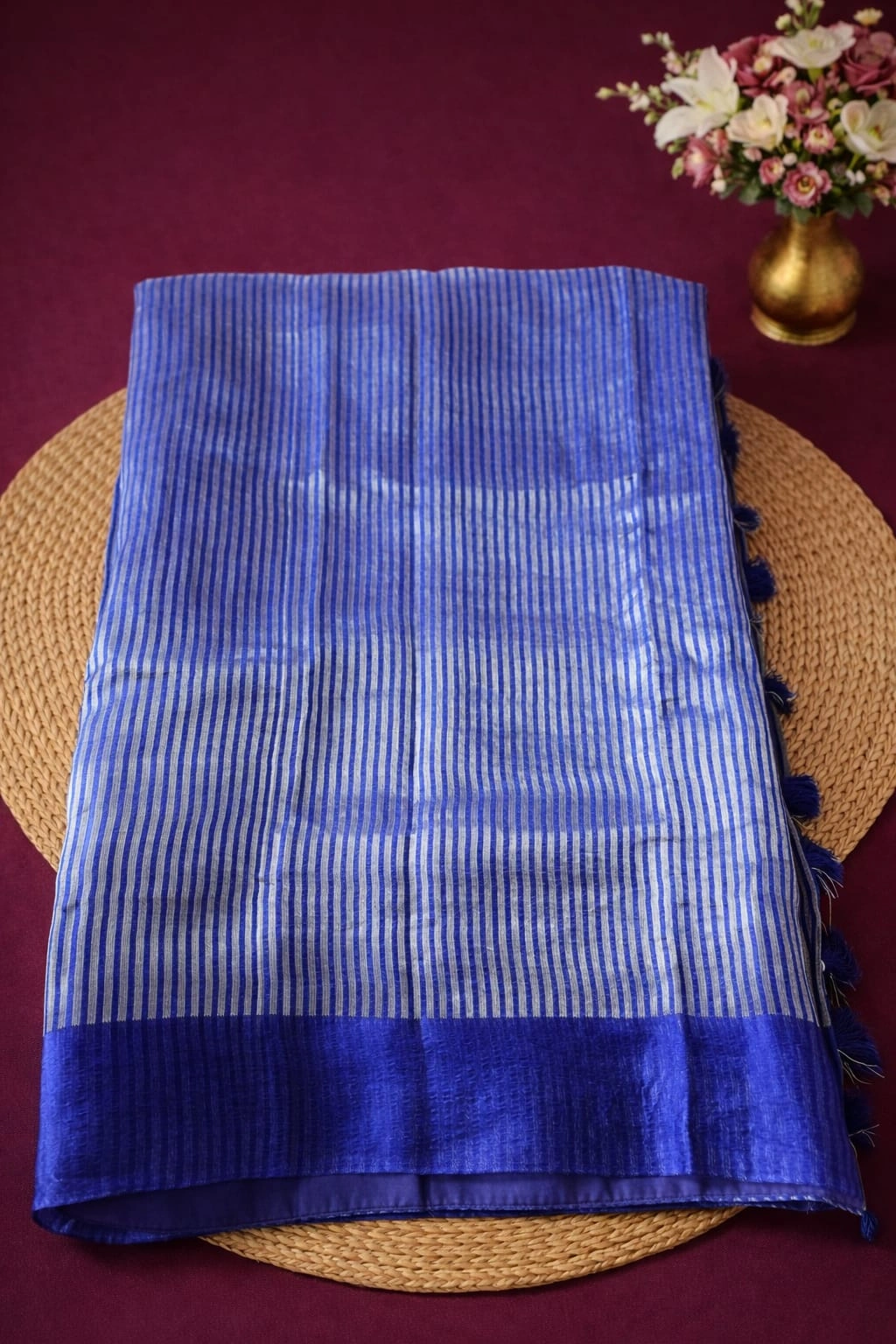
Table: Handwoven vs Machine-Made Banarasi Tissue Sarees
| Feature | Handwoven | Machine-made |
|---|---|---|
| Motif Detail | Slightly irregular, crisp | Uniform, often flat |
| Zari Thread Core | Colored silk (real zari) | Plastic or white thread |
| Price Range | $200–$500+ | $50–$120 |
| Longevity | Heirloom-grade | Prone to fraying |
| GI Tag | Available | Rarely |
FAQ: Yellowing and Care of Silk Sarees
Q1: Why do white silk sarees turn yellow over time?
White silk sarees yellow due to a process called oxidation, where the silk’s protein fibers react with air, light, and environmental pollutants. Sunlight, moisture, and residues from dry cleaning or body oils accelerate this change, causing a shift from white or pastel to yellow or cream.
Q2: Can you whiten a yellowed silk saree at home?
Yes, you can gently brighten a yellowed silk saree at home using a pH-neutral, silk-safe detergent and careful soaking. Avoid bleach or strong brighteners. For valuable or antique sarees, consult a textile conservator to prevent accidental damage.
Q3: Does sunlight cause sarees to yellow?
Yes, sunlight causes yellowing in silk sarees through photo-oxidation. UV rays break down the silk protein, leading to discoloration and fiber weakening. Always dry silk indoors or in the shade, and store away from direct sunlight to retain original color.
Q4: How do you store white sarees to prevent yellowing?
To prevent yellowing, store white or pastel silk sarees wrapped in acid-free tissue inside a muslin bag in a cool, dark place. Avoid plastic covers and refold the saree periodically to prevent permanent creasing and color change along folds.
Step 5: Styling and Maintenance Tips for Banarasi Kora Tissue Silk
Handwoven Banarasi kora tissue silk sarees are prized for their ethereal finish and distinctive sheen. Their lightness makes them ideal for long events—weddings, Diwali, receptions. For a regal look, pair with antique gold jewelry, jhumkas, or a choker set. A structured blouse in silk or brocade brings out the texture contrast. For detailed styling and fit guidance, consult our post on saree shapewear and petticoats.
- Always wear clean, deodorant-free undershirts to minimize sweat stains.
- After every use, air the saree for 2–3 hours before folding.
- For travel, use acid-free tissue between folds—see our travel packing guide.
- For any embellishments (zardosi, sequins), avoid soaking—spot clean only.
The Pure Banarasi Silk Tissue Saree for Weddings & Festivals is a versatile choice for festive gatherings, thanks to its breathable weave and intricate zari motifs.
Shop the Collection
Ready to invest in authentic, handwoven Banarasi kora tissue silk? Explore our curated selection of wedding and festive sarees, including the Elegant Pure Banarasi Kora Tissue Silk Saree and Exquisite Pure Banarasi Kora Tissue Silk Saree – Timeless Elegance, or browse the full saree collection at Swathi Design. With flat-rate US shipping and expert styling help, preserving—and styling—your heritage has never been easier.
Final Tip: Silk may yellow, but with careful restoration and proper storage, even the most delicate Banarasi saree can regain its luminous charm. For more silk and saree care, visit our related guides or reach out via WhatsApp for personalized advice.
Featured in this guide
Part of the Handwoven Silks: Chanderi, Tussar & Raw Mango guide collection.
Related guides
- Elevate Every Occasion: Handcrafted Indian Gowns & Frocks for Modern Celebrations in the USA
- Elevate Every Occasion: Pure Chanderi Pattu Silk Sarees for Indian-Americans in the USA
- Exquisite Russian Crape Silk Saree: Timeless Elegance for Every Occasion
- Luxurious Pure Russian Crape Saree: Timeless Elegance for Every Occasion
- Elevate Your Festive Wardrobe with Exquisite Handwoven Chanderi Sarees and Anarkali Dresses