Dola Silk vs Raw Mango Silk: How to Choose the Right Saree Fabric
Dola silk vs raw mango silk: understand the true differences between these contemporary saree fabrics. Textile specialist Priya Menon explains drape, weight, and care, plus myth-busting tips to help you choose the best silk for festive and wedding occasions.
Dola Silk vs Raw Mango Silk: Direct Comparison
If you’re choosing between dola silk and raw mango silk for a festive or wedding saree, know this: these fabrics differ in drape, feel, and best use. Many Indian-American women are surprised by how similar they sound—yet how distinct they look and wear. Here’s a side-by-side table summarizing their most important traits:
| Property | Dola Silk | Raw Mango Silk |
|---|---|---|
| Drape & Fall | Soft, fluid, airy; hugs the body | Structured, crisp, slightly stiff |
| Weight | Light to medium | Medium, sometimes heavier |
| Sheen | Mild, subtle shine | More lustrous, pronounced shine |
| Best Occasions | Festive daywear, pujas, parties | Weddings, receptions, evening events |
| Common Motifs | Digital prints, florals | Zari, embroidery, traditional motifs |
Origin and History
Dola silk and raw mango silk are both relatively new entrants in the spectrum of saree fabrics, rising to popularity in the last two decades as the demand for soft, easy-to-drape silks grew among urban wearers. While traditional silks like Kanjivaram and Banarasi have centuries-old roots in Kanchipuram and Varanasi, these modern fabrics are designed for contemporary needs—lighter, less formal, and often blending art silk (viscose or polyester) with fine silk or cotton. The term "raw mango silk" is a trade name popularized by designers, not a traditional textile term or GI-tagged weave. Dola silk, meanwhile, is named for its feel: 'dola' meaning soft and flowing, referring to its gentle drape rather than any specific region or loom.
How Dola Silk and Raw Mango Silk Are Made
The creation of these fabrics blends traditional handloom skills with contemporary finishing. Dola silk is often woven on power looms using a mix of silk and synthetic filaments, giving it a feather-light, airy feel. Artisans may incorporate digital printing for modern patterns or subtle zari for festive flair. Raw mango silk, by contrast, is typically a heavier blend—sometimes pure silk but more often a mix of silk and viscose or polyester—woven to mimic the grainy look of handspun silk. It offers a crisper hand-feel and is favored for its ability to hold structured pleats and pallu drapes, making it a favorite for grander events.
Both fabrics can feature embroidery or zari, but the method of motif application often differs. In dola silk, digital prints are common, allowing for intricate, multi-hued designs. Raw mango silk leans towards woven motifs, with thicker zari or threadwork for a more textured result. Traditional handloom techniques such as jacquard weaving or supplementary weft work may be used for higher-end versions.
How to Spot Authentic Dola and Raw Mango Silk
- Dola Silk Authenticity Test: Rub a small section between your fingers. Genuine dola silk (with a natural silk blend) will feel cool and soft, with a slight resistance; fully synthetic versions feel warm and slippery.
- Raw Mango Silk Authenticity Test: Hold the fabric up to the light. True blends will show a slight texture or slub, mimicking handspun silk, but not perfectly even threads. If the fabric is shiny and perfectly smooth, it’s likely all synthetic.
Neither dola silk nor raw mango silk is protected by a GI tag, unlike Kanchipuram or Banarasi sarees. Always check product details and sourcing—reputable stores like Swathi Design source directly from artisan clusters and offer detailed fabric information on every listing.
Myth-Busting: Dola Silk vs Raw Mango Silk
It’s a common misconception that both dola silk and raw mango silk are pure mulberry silk. In reality, most are blends—sometimes with art silk, viscose, or polyester for durability and ease of care. This doesn’t diminish their beauty, but it does affect how they drape and last. Another myth: that raw mango silk is a heritage weave. While inspired by traditional textures, it’s a modern fabric, often machine-woven, and not from a specific region or artisan tradition. When shopping for investment pieces, prioritize transparency in sourcing and construction over trend-based labels.
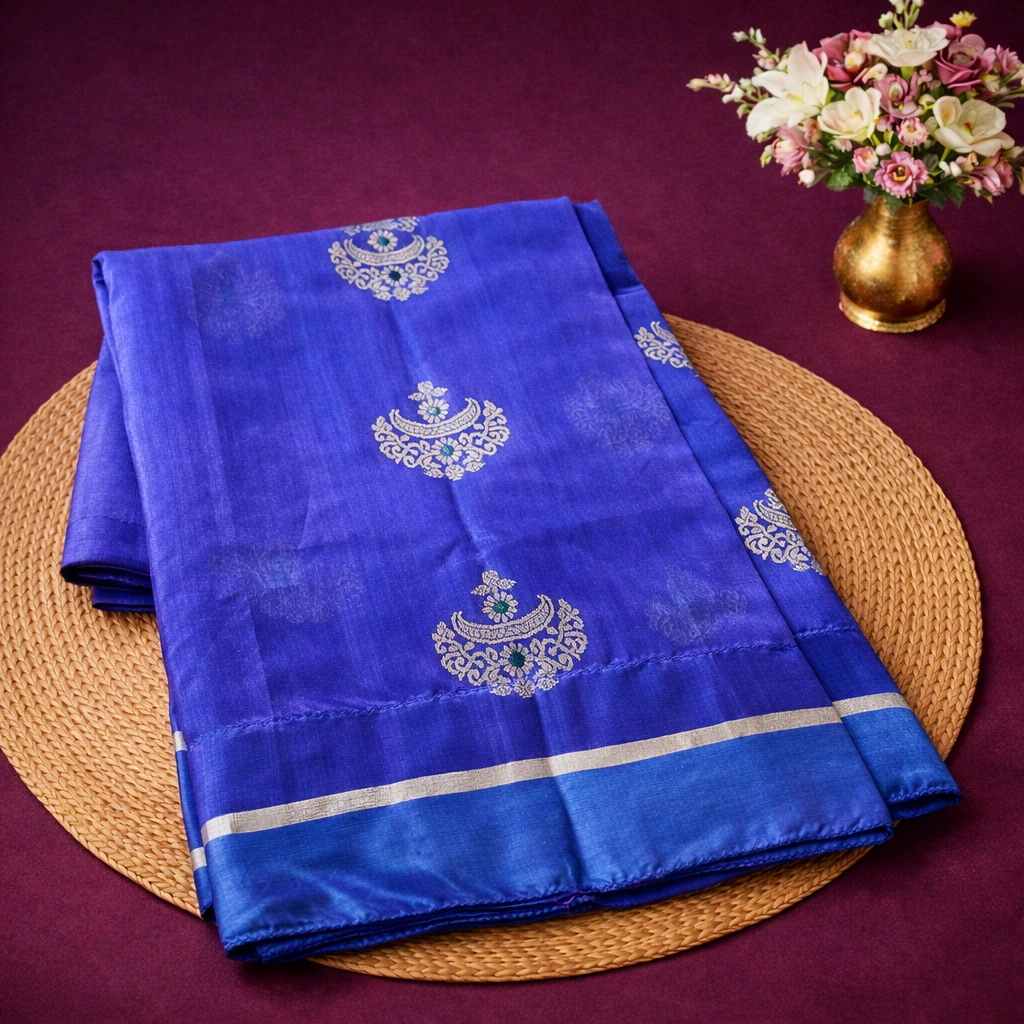
Product Spotlight: Pure Chanderi Pattu Silk Saree
If you’re seeking true handloom artistry, the Pure Chanderi Pattu Silk Saree (price confirmed on inquiry) from Swathi Design is a stellar example. Chanderi, woven in the historic town of Chanderi, Madhya Pradesh, is renowned for its gossamer-light, translucent silk—thanks to a high warp count and use of fine silk or cotton threads. This saree features intricate zari work and lustrous pattu borders, a nod to the regal heritage of Indian festive attire.
Handwoven on a traditional pit loom, authentic Chanderi silk is identifiable by its subtle sheen, feather-light weight, and signature transparency. The artisans, predominantly from the Devangan community, have preserved the craft for generations. Chanderi’s motifs—coin buta, peacocks, floral vines—are usually woven with real zari, not just printed or glued.
Styling tip: Pair this saree with a contrasting raw silk blouse and heirloom temple jewelry for a classic wedding look, or keep it minimal with just pearl studs for a refined Diwali ensemble. The breathable fabric ensures comfort through long ceremonies.
Product Spotlight: Pure Banarasi Kora Tissue Embroidery Sarees
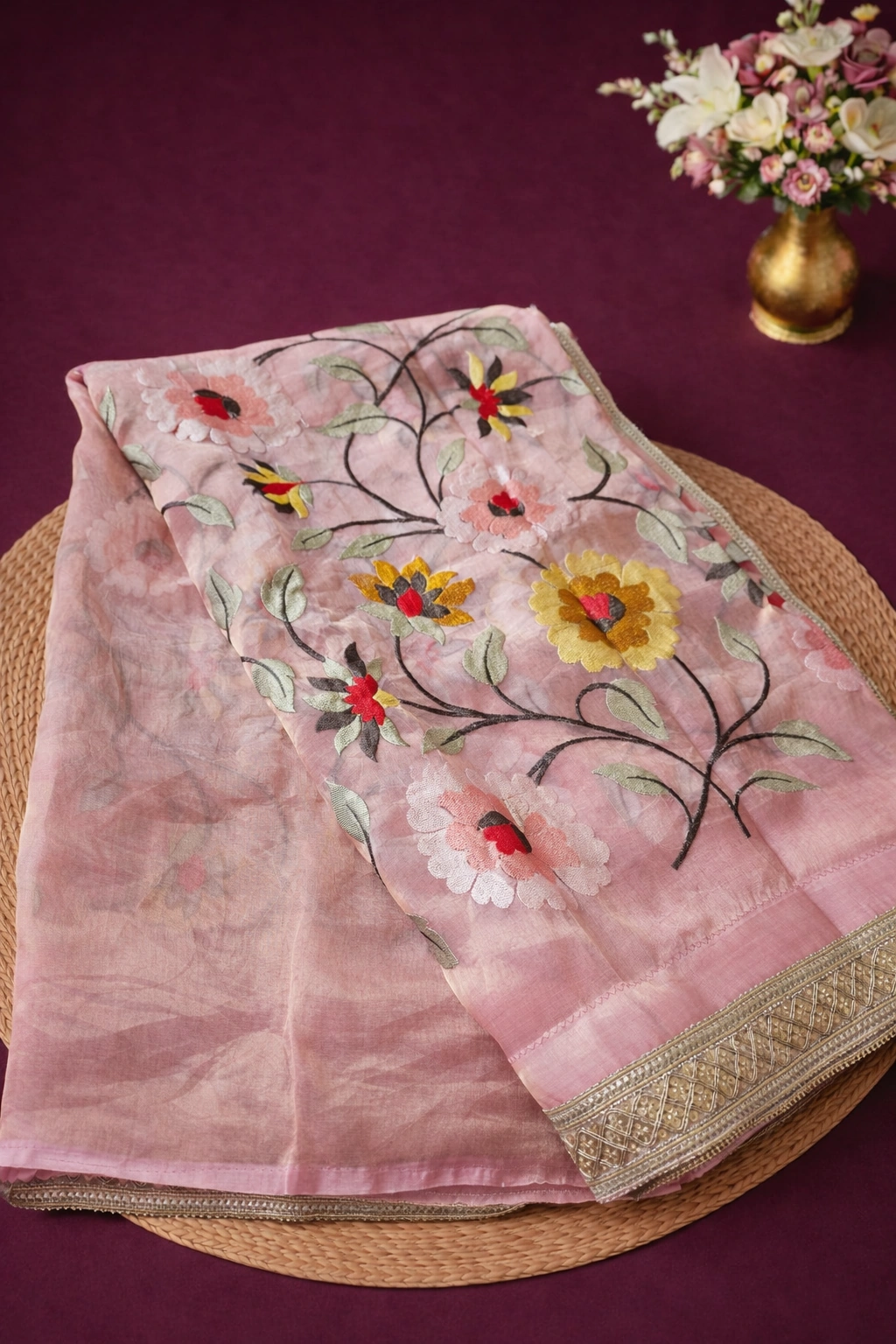
For those preferring a structured drape and gleaming finish, explore Swathi Design’s Handwoven Pure Banarasi Kora Tissue Embroidery Saree – Gold Elegance for Weddings (price confirmed on inquiry). Kora tissue, a specialty from Varanasi, is a sheer, crisp silk woven with metallic zari, prized for its light-catching shimmer and architectural drape. Each Banarasi kora saree is woven on handlooms by master weavers, with meticulous attention to pallav borders and motif placement.
This saree’s soft yet structured tissue fabric flatters every silhouette, making it ideal for wedding receptions or formal evening events. The intricate zari embroidery is not just surface decoration—it is laboriously woven into the fabric, a hallmark of authentic Banarasi craftsmanship. To test for genuineness, gently scratch the zari with a fingernail; authentic zari will not flake or peel.
Pair with contemporary jewelry—a sculptural gold cuff, minimalist earrings—and a simple silk blouse for modern occasion dressing. For a more traditional effect, layer with antique jadau jewelry and a bold bindi.
Dola Silk vs Raw Mango Silk: Pros and Cons
Dola Silk: Pros & Cons
- Pros: Very lightweight, soft drape, ideal for all-day wear. Often more affordable than pure silks. Excellent for digital prints and contemporary motifs. Easy maintenance—less prone to wrinkling.
- Cons: Less structured; may cling in humid conditions. Blended versions may not have the longevity of pure silk. Not always suitable for very formal or traditional events.
Raw Mango Silk: Pros & Cons
- Pros: Crisp, holds shape well; excellent for pleats and pallus. Richer sheen for formal occasions. Takes zari and heavy embroidery beautifully. Works well for wedding receptions and evening events.
- Cons: Can feel heavier and less breathable. May be stiffer, requiring more careful draping. Blended versions may lose sheen over time if not cared for properly.
How to Care for Modern Silk Blends
- Dry clean only—especially for zari or embroidered sarees. Home washing can damage both color and texture.
- After wearing, air the saree in shade for 30 minutes before folding.
- Store in soft muslin cloth (never plastic) to let the fabric breathe and prevent yellowing.
- For long-term storage, refold every few months to prevent permanent creasing along the same lines.
- Keep away from direct sunlight to protect colors and sheen.
Care tip: For all sarees with zari (like Banarasi or Chanderi), place a thin sheet of acid-free tissue between folds to prevent tarnishing. Learn more long-term storage tips in our guide on heirloom saree gifting and preservation.
Frequently Asked Questions About Dola Silk and Raw Mango Silk
What is dola silk made of?
Dola silk is a lightweight, soft-fall fabric made from a blend of fine silk (often mulberry) and synthetic fibers like viscose or polyester. This combination gives it a gentle drape and subtle sheen, making it suitable for festive sarees with digital prints or light embroidery. Pure versions are rare; most dola silks are blends designed for comfort and affordability.
Is raw mango silk pure silk?
Raw mango silk is usually not pure silk. It is most often a blend of natural silk with art silk (viscose or polyester) to achieve a slightly coarse, grainy texture that mimics handspun silk. The term "raw mango silk" is a trade name and not a recognized textile classification.
Which drapes better, dola or raw mango silk?
Dola silk drapes more softly and fluidly than raw mango silk, making it ideal for women seeking a light, graceful fall. Raw mango silk is crisper and holds its shape better, which is preferred for pleated looks or occasions where a more structured saree silhouette is desired.
Are dola and raw mango silk good for weddings?
Both dola silk and raw mango silk can be appropriate for wedding functions, but their suitability depends on the event’s formality and styling needs. Dola silk is excellent for pre-wedding celebrations or festive daytime wear, while raw mango silk—especially with zari or embroidery—is better suited for receptions and formal evening events.
How to Style Modern Silk Sarees for Different Occasions?
To style a dola silk saree for a festive puja or day event, choose pastel or jewel-toned prints and a contrast blouse in silk-cotton. Minimal jewelry—think delicate jhumkas or a stack of gold bangles—keeps the look fresh and wearable. For raw mango silk at a wedding, opt for a heavily embroidered blouse and bold accessories to match the fabric’s sheen. Structured pleats and a crisp pallu enhance the saree’s drama. For more occasion-specific styling, see our Reception-Ready Saree Look guide.
Styling Authentic Chanderi and Banarasi Silks
For those preferring handloom tradition with contemporary flair, the Pure Chanderi Pattu Silk Saree offers an elegant, breathable choice—perfect for Indian-American weddings and festivals. For a more structured, high-shine look, the Handwoven Banarasi Kora Tissue Embroidery Saree is a standout. Both balance artistry and comfort, and are available in multiple colors via Swathi Design’s saree collection.
Shop the Collection
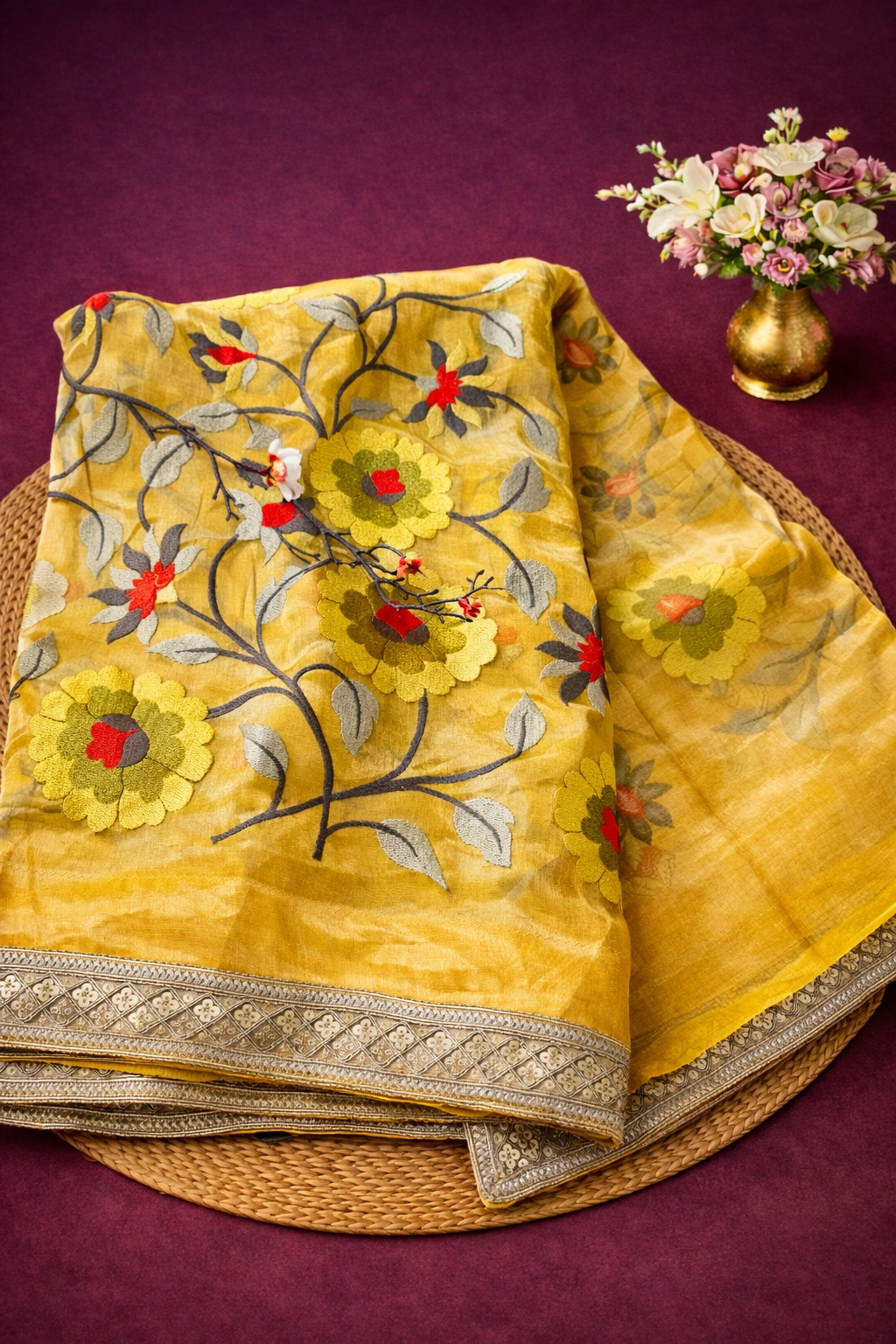
Ready to experience the beauty of contemporary and classic Indian silks? Browse our full collection at Swathi Design, where every saree is selected for its craftsmanship and authenticity. For personal styling help or fabric advice, our team offers concierge support and WhatsApp styling consultations—just ask.
Featured in this guide
Part of the Handwoven Silks: Chanderi, Tussar & Raw Mango guide collection.
Related guides
- Elevate Every Occasion: Handcrafted Indian Gowns & Frocks for Modern Celebrations in the USA
- Elevate Every Occasion: Pure Chanderi Pattu Silk Sarees for Indian-Americans in the USA
- Exquisite Russian Crape Silk Saree: Timeless Elegance for Every Occasion
- Luxurious Pure Russian Crape Saree: Timeless Elegance for Every Occasion
- Elevate Your Festive Wardrobe with Exquisite Handwoven Chanderi Sarees and Anarkali Dresses