Buying Your First Saree as a Non-Indian Guest
Invited to an Indian wedding or cultural celebration and considering your first saree? Here’s a practical, welcoming guide to buying your first saree with respect and confidence—what to know, which styles work best, and how to ask for help like a pro.
Buying Your First Saree: A Practical Guide for Non-Indian Guests
If you’re buying your first saree as a non-Indian guest—whether for a friend’s wedding, a cultural gala, or simply out of admiration for Indian fashion—here’s the direct answer: choose a breathable, easy-drape saree made by authentic artisans, ask for styling help, and opt for classic designs that honor tradition. Respectful participation is celebrated, and with a little preparation, you’ll feel both beautiful and at ease.
Why Choose a Saree for Your First Indian Event?
Wearing a saree as a guest is a gesture of respect and celebration—one that Indian hosts universally appreciate, provided you approach it thoughtfully. You’ll be participating in a centuries-old tradition where fabric, color, and craftsmanship carry meaning. For many, this is a first step into a vibrant world of textile artistry, from Banarasi silk woven on the banks of the Ganges to Kanchipuram’s storied looms in Tamil Nadu.
What is a Saree?
Saree is a six-to-nine-yard unstitched drape, traditionally worn by women in South Asia, crafted from materials like silk, cotton, or blends, and often adorned with intricate weaving or embroidery. It’s worn with a fitted blouse and petticoat, wrapped and pleated to create a graceful silhouette.
How to Choose Your First Saree as a Beginner
For first-time buyers, focus on comfort, ease of draping, and cultural appropriateness. Here’s your quick-start checklist:
- Fabric: Lightweight kora silk or tissue is easier to manage than stiffer, heavier silks.
- Occasion: Choose richer sarees for weddings (like Banarasi or Kanchipuram silk) and lighter ones for daytime or casual events.
- Color: Jewel tones and gold are universally festive. Avoid all-white or all-black unless you know they’re appropriate for the occasion.
- Workmanship: Zari (gold/silver thread) work signals celebration. Intricate motifs reflect regional artistry.
- Support: Buy from a US-based boutique like Swathi Design for verified quality, price transparency, and local support.
Budget Tiers: What to Expect
| Price Range | Fabric/Type | Best For |
|---|---|---|
| Under $100 | Blended silks, simple cottons | Casual events, practice |
| $100–$300 | Banarasi kora tissue, entry-level silks | Festivals, wedding guests |
| $300+ | Pure Kanchipuram silk, handwoven heirlooms | Receptions, major ceremonies |
Criteria for First-Time Saree Buyers
- Lightweight & Breathable: Prioritize ease of wear, especially if you’ll be moving or dancing.
- Classic Over Trendy: Traditional weaves like Banarasi or Kanchipuram never go out of style.
- Ready-to-Wear Support: If you’re anxious about draping, ask if pre-stitched or partially pre-pleated options are available, or seek boutiques that offer WhatsApp help.
- Cultural Sensitivity: Avoid overly revealing blouses; sleeveless is fine, but midriff and back coverage is usually preferred for formal occasions.
- Care Instructions: Dry clean only; store in muslin to preserve fabric and zari.
Featured Saree Recommendations
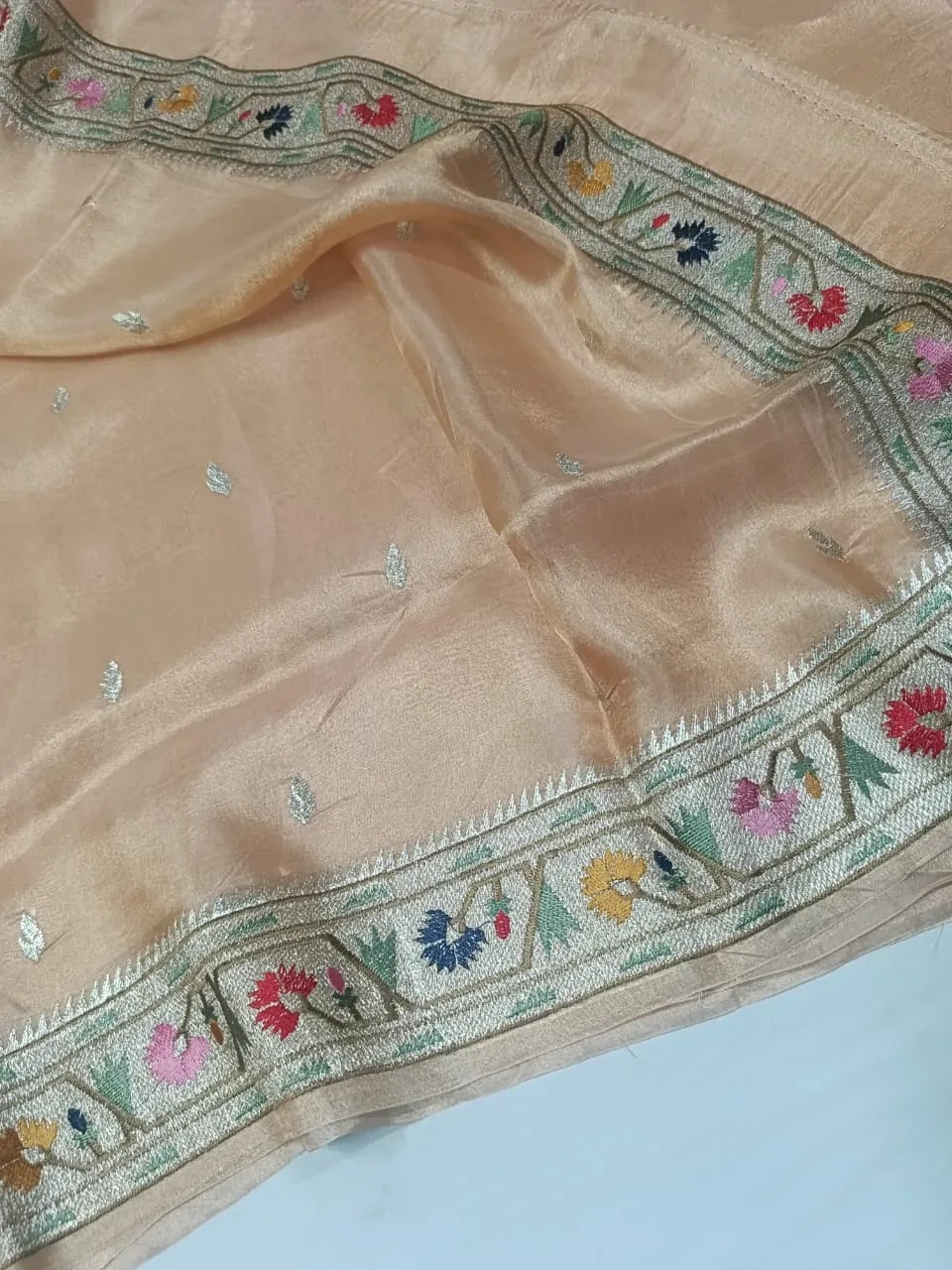
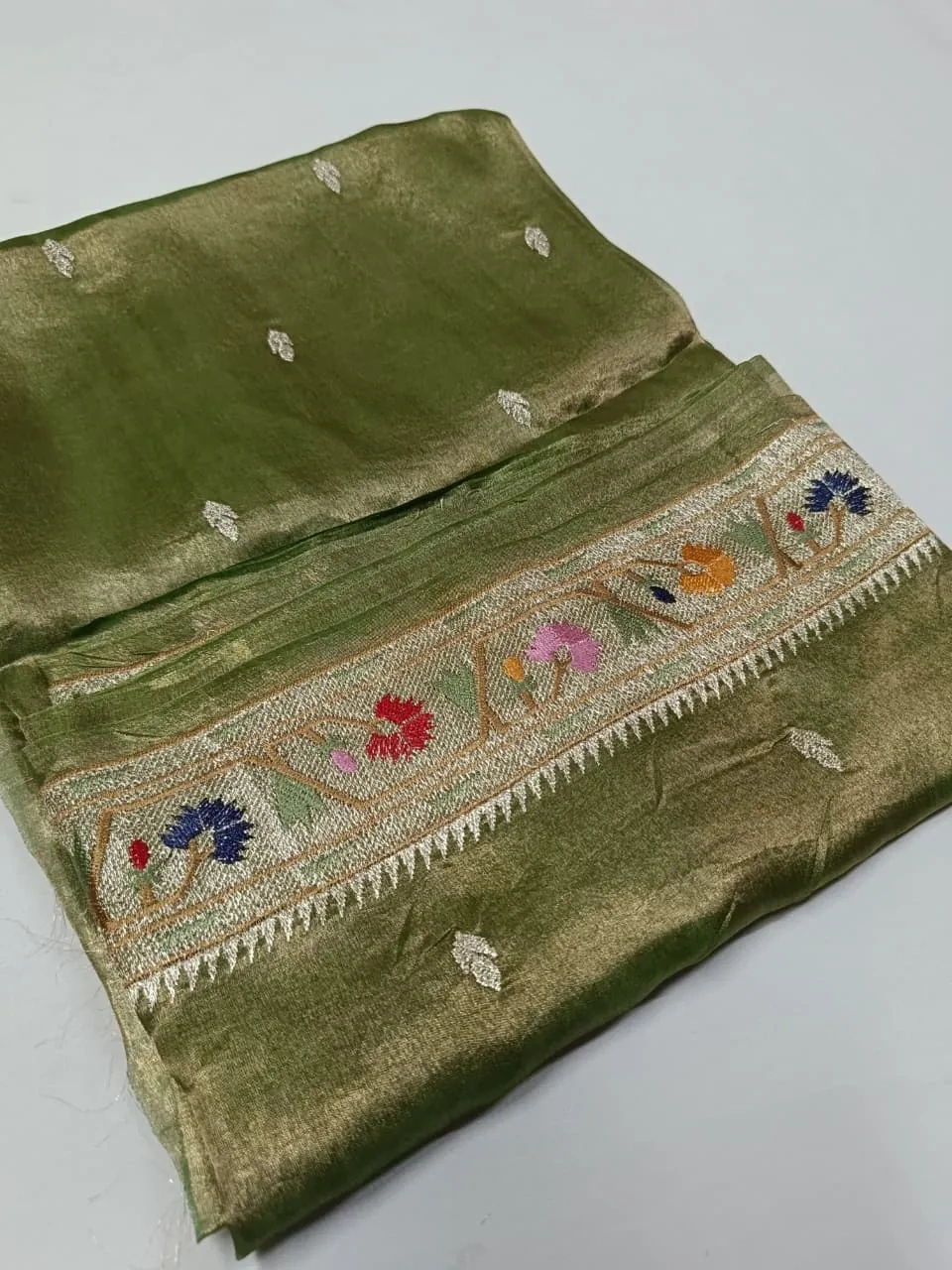
- Handwoven Banarasi Kora Tissue Saree with Intricate Zari Work ($175): Lightweight, shimmering, and perfect for wedding guests or festive evenings. The gold and silver zari is subtle yet festive. Woven in Varanasi, this is a classic entry point for new saree wearers.
- Banarasi Kora Tissue Silk Saree for Weddings & Festivals ($175): Ideal for Diwali, Navratri, or as a guest at a grand celebration. Feathery light, it’s forgiving for those new to draping, with enough structure to hold pleats.
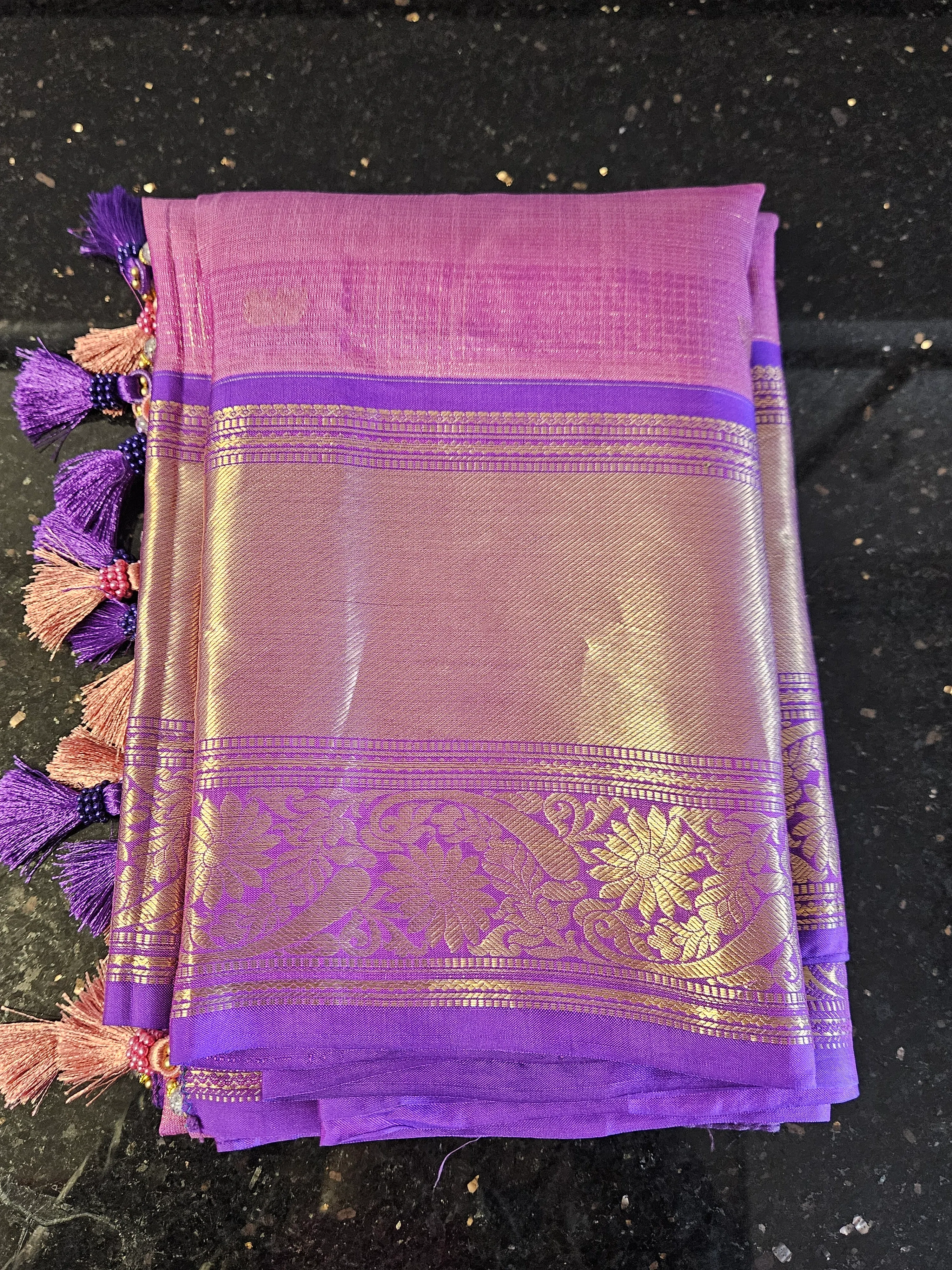
- Pure Kanchipuram Silk Wedding Saree with Zari Work ($265): For those ready to invest in a statement piece, this saree is the gold standard. Kanchipuram sarees, woven for over 400 years in Tamil Nadu, are known for their vibrant colors and temple-inspired motifs. Best for receptions or when you want a regal look.
Occasion-by-Occasion Saree Styling for Guests
Let’s break it down—because you might have a mehendi, sangeet, and wedding reception all in one weekend. Here’s what works, what doesn’t, and the little touches that make you feel at home in your saree:
Mehendi (Henna Night):
- Recommended: Lighter Banarasi or soft tissue sarees. The Banarasi Kora Tissue Silk Saree is ideal—airy for sitting cross-legged and won’t show stains easily.
- Colors: Greens, yellows, or pastels—avoid white (can symbolize mourning) and black (less festive).
- Jewelry: Delicate gold, jhumka earrings, or glass bangles.
- Tip: Bring a scarf or pashmina in case the venue is cool.
Sangeet (Music & Dance Night):
- Recommended: Slightly more ornate. Try the Handwoven Banarasi Kora Tissue Saree—it’s festive but won’t weigh you down on the dance floor.
- Colors: Jewel tones, metallics, or dual-tone weaves.
- Jewelry: Statement necklace or stacked bangles; hair in a low bun or braid for comfort.
- Tip: Pin your pallu well to avoid wardrobe malfunctions while dancing.
Reception/Formal Celebration:
- Recommended: All-out elegance. The Pure Kanchipuram Silk Wedding Saree shines here—rich, dramatic, and instantly regal.
- Colors: Deep reds, gold, peacock blue, or magenta.
- Jewelry: Bold gold, kundan, or polki sets; a small clutch in a complementary hue.
- Tip: Wear low-heeled sandals—sarees cover most of your shoes, and you’ll be on your feet greeting elders and newlyweds.
What Help Should a First-Time Saree Buyer Ask For?
Don’t hesitate to ask for draping help! Most US boutiques, including Swathi Design, offer WhatsApp or video consultations. Ask your friend or host if they can recommend a local tailor for blouse stitching or petticoat fitting. Many Indian-American guests get ready as a group—consider joining in for a sense of community and practical support.
If you’re unsure about sizing, color, or occasion-appropriateness, send product links, such as the Handwoven Banarasi Kora Tissue Saree, to your host and ask if it’s suitable for the event.
Common First-Time Saree Buying Mistakes (and How to Avoid Them)
- Choosing heavy or stiff fabrics that are difficult to drape and move in.
- Wearing a blouse or petticoat that doesn’t fit securely (err on the snug side for both).
- Opting for colors that are not festive or are culturally inappropriate (when in doubt, ask!).
- Not pinning the saree properly—use at least three pins: one at the shoulder, one at the waist pleats, and one at the pallu tip.
- Forgetting to check the event dress code (temple events may require shoulder coverage and less shimmer—see our temple ceremony guide).
For more details on saree practicality, see our resource on saree weight and comfort.
Saree Care and Preservation Tips
- Dry clean only, especially for authentic silk and zari sarees.
- Store in a muslin cloth to protect from humidity and color transfer.
- Never use plastic bags for storage—this can ruin delicate zari and silk.
- If borrowing, confirm the care instructions with the owner; for new purchases, Swathi Design provides guidance for each item.
FAQ: Buying Your First Saree
Is it appropriate to wear a saree if I am not Indian?
Yes, it is entirely appropriate—and warmly welcomed—for non-Indian guests to wear a saree at Indian weddings and festivals. Hosts view it as a sign of respect and appreciation for Indian culture. Just be mindful of the occasion’s dress code and choose classic, modest styles.
What should a first-time buyer choose?
A first-time saree buyer should choose a lightweight, easy-to-drape saree in a festive color, ideally with subtle zari work. Banarasi kora tissue or blended silks are ideal for comfort and elegance. Opt for classic designs over trendy cuts, and prioritize support from reputable US-based boutiques for sizing and styling guidance.
Who can help me drape it?
You can ask your host, friends, or the boutique for assistance. Many stores now offer WhatsApp video styling help, and some communities have local tailors or saree stylists who can assist on the day. Online tutorials can help, but in-person support is best for your first attempt.
What mistakes do first-timers make?
- Choosing heavy sarees that are hard to manage
- Ignoring blouse fit and petticoat length
- Neglecting to pin pleats and pallu
- Wearing colors or styles unsuited to the event
What to Expect from the Shopping Experience
When you buy from Swathi Design, you benefit from California-based customer service, flat-rate US shipping, and a 48-hour video confirmation policy for damaged items. Their sarees are sourced from recognized artisan weavers—no mass-market knockoffs. If you’re short on time, see our post on last-minute Indian outfit shopping.
Browse the Sarees category for more options suited to first-timers, or explore the full spectrum for advanced collectors.
Shop the Collection
Ready to find your first saree? Browse our full collection for curated, authentically crafted options. The Swathi Design team is available via WhatsApp for styling and sizing help, so you’re never left guessing. Celebrate with confidence—your first saree is the start of something beautiful.
Featured in this guide
Part of the Indian Wedding & Festive Dressing guide collection.
Related guides
- Chanderi Silk Suits in USA: Embrace Ethnic Grace for Weddings & Festive Occasions
- Elevate Your Festive Wardrobe: Stunning Indian Dresses for US Weddings & Celebrations
- Celebrate Indian Heritage in the USA: Pure Silk Gowns for Weddings & Festive Glamour
- Elevate Your Wedding Look with Exquisite Pure Banarasi Kora Tissue Sarees
- Timeless Elegance: Discover the Pure Banarasi Kora Tissue Saree Collection for Weddings & Festivals